Ludwig Bridge in Munich — History & Analysis
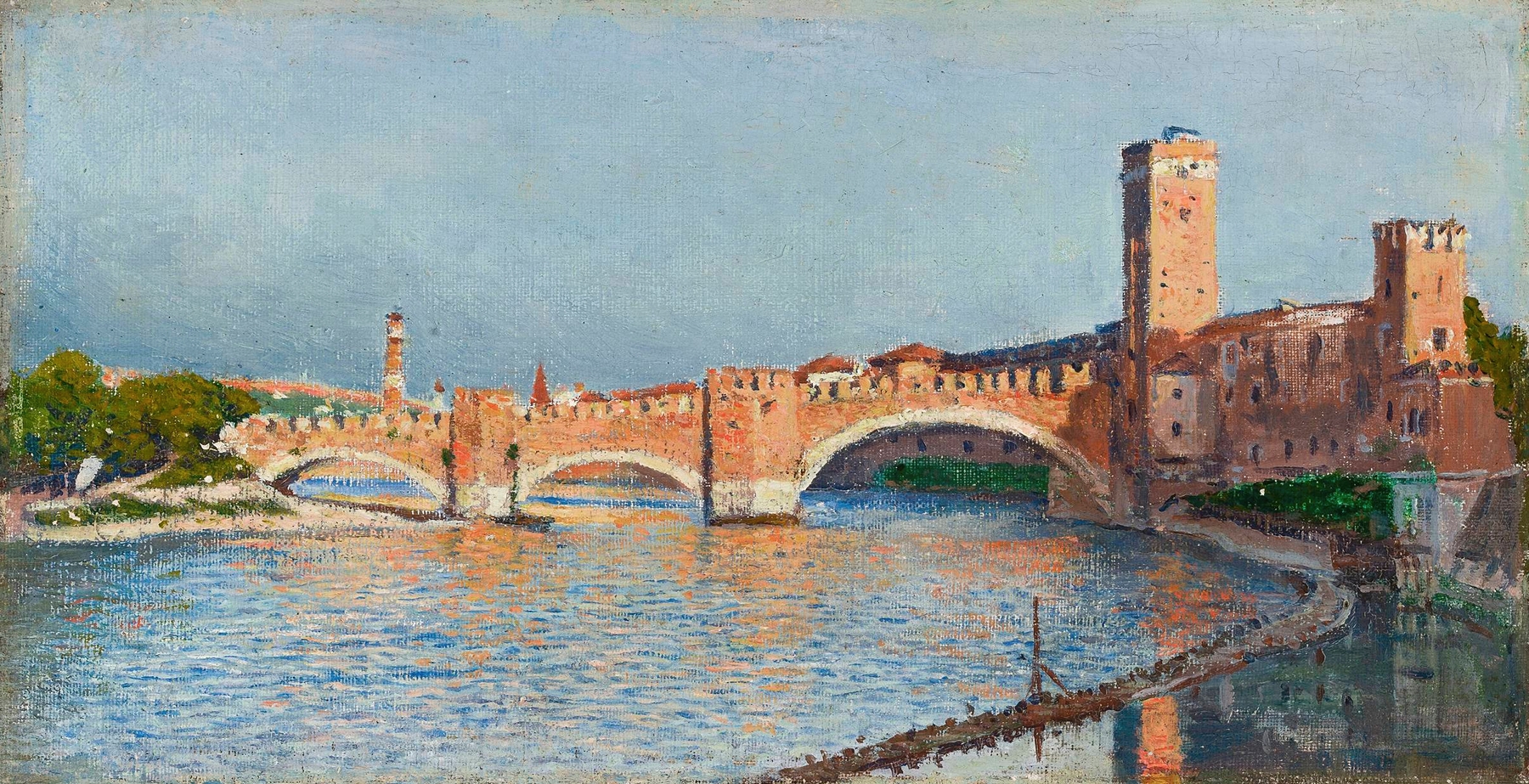
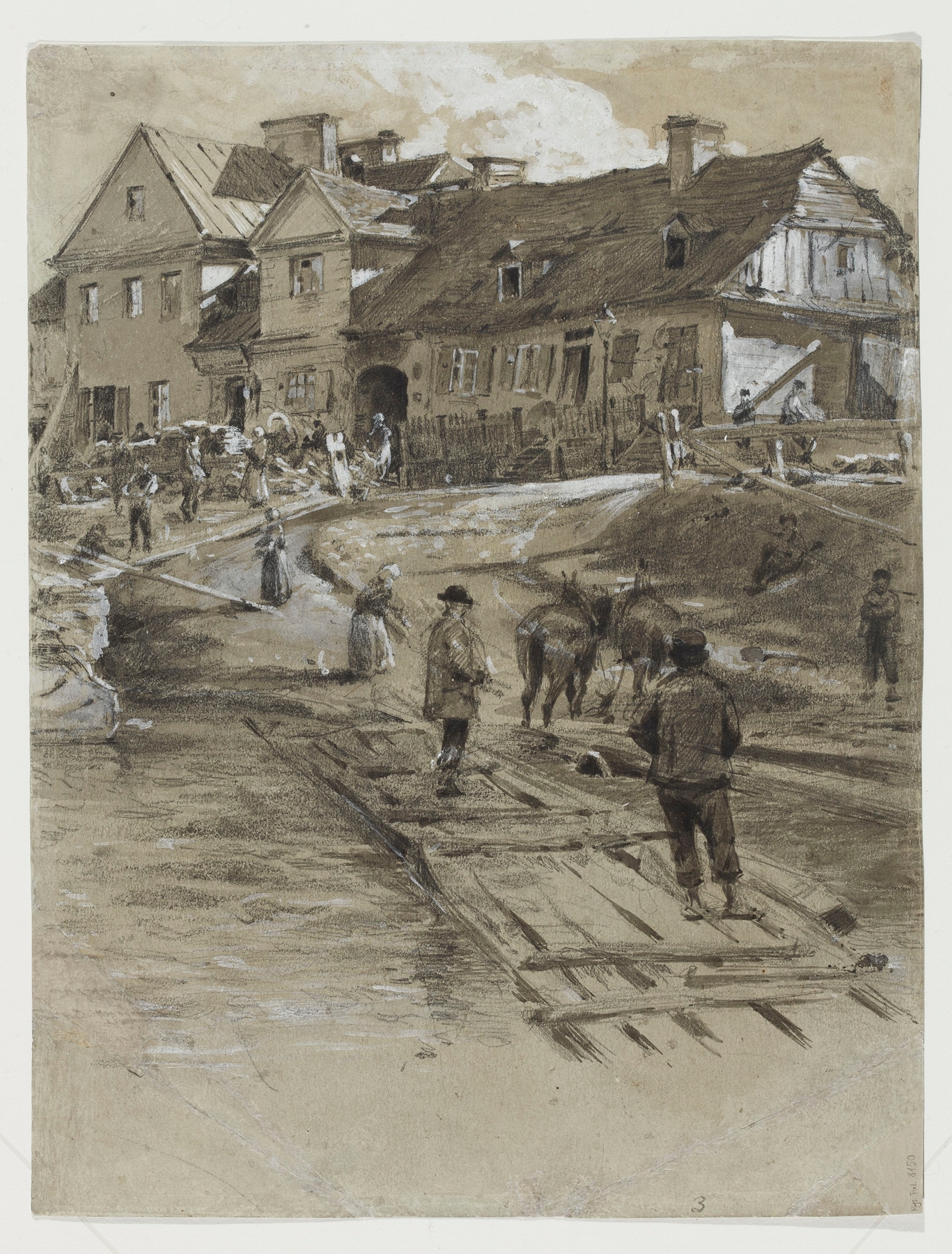
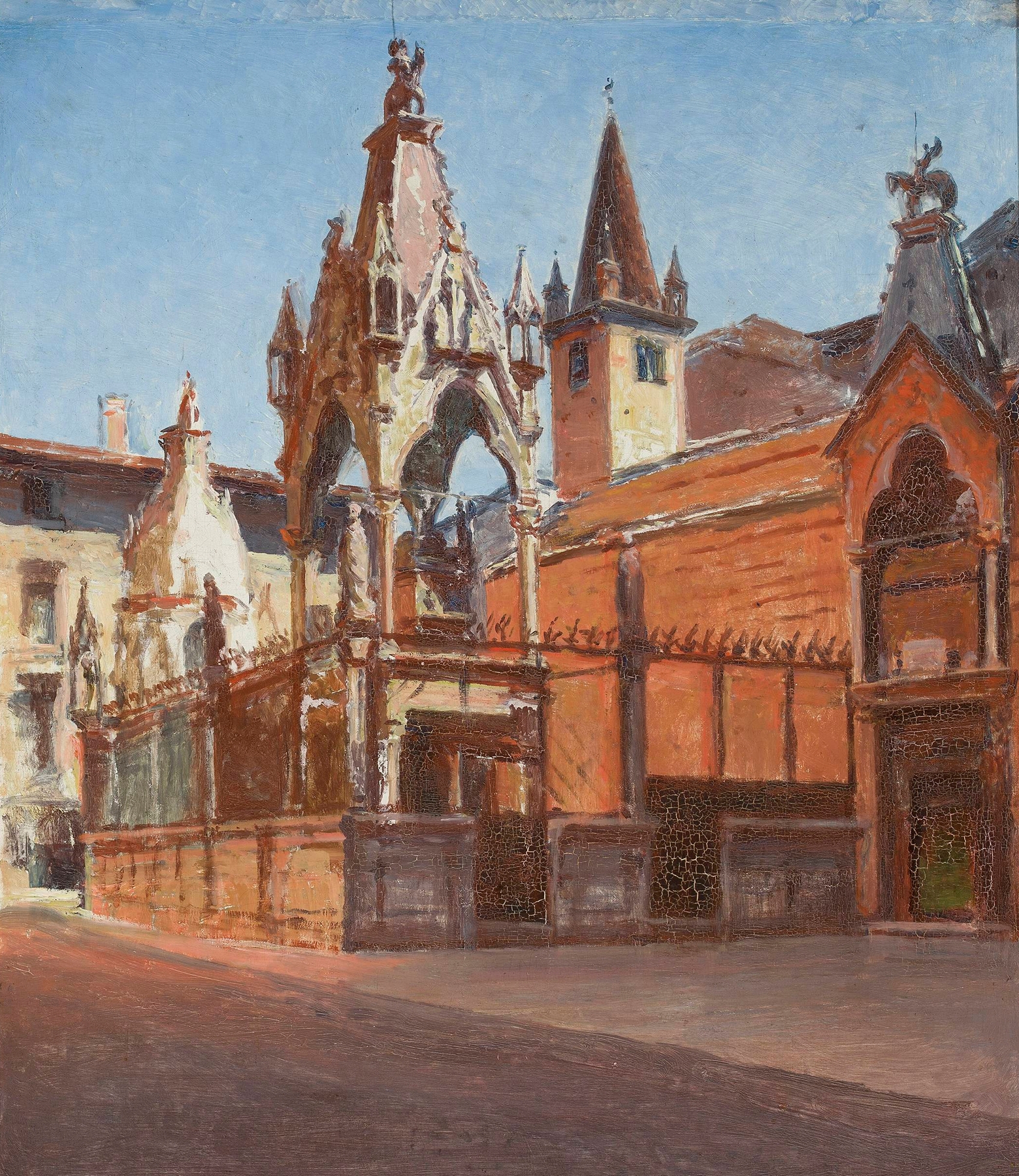
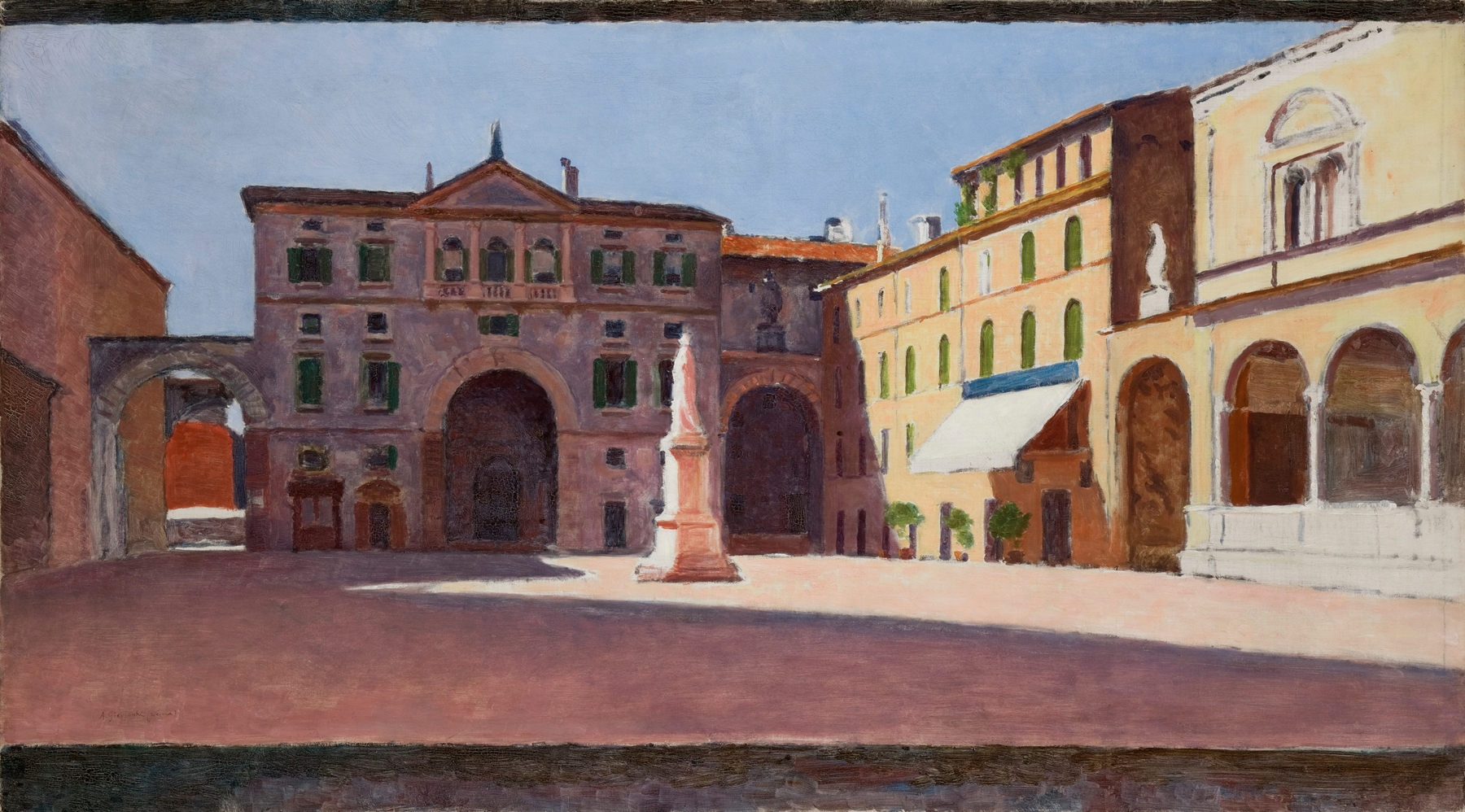
“The canvas doesn’t lie — it simply waits.” In this quiet moment of stillness, shadows weave intricate narratives, revealing both presence and absence in the interplay of light. Look to the right at the bridge arching gracefully against the skyline; it serves as the focal point, drawing the eye into a tranquil dialogue with the water below. Notice how the soft hues of twilight bathe the scene, the subtle washes of color evoking a sense of fleeting time and serenity. The brushstrokes appear effortless yet deliberate, capturing fleeting moments, while the reflections in the water create an enchanting symmetry that invites contemplation.
Within this painted reality, the contrast between the solid structure of the bridge and the delicate ripples in the water suggests a dialogue between permanence and transience. The shadows cast by the bridge hint at deeper emotions, perhaps nostalgia or solitude, evoking the viewer's own memories and experiences. The figures, small and unobtrusive, portray the ebb and flow of life, suggesting human connection amidst the vastness of the landscape.
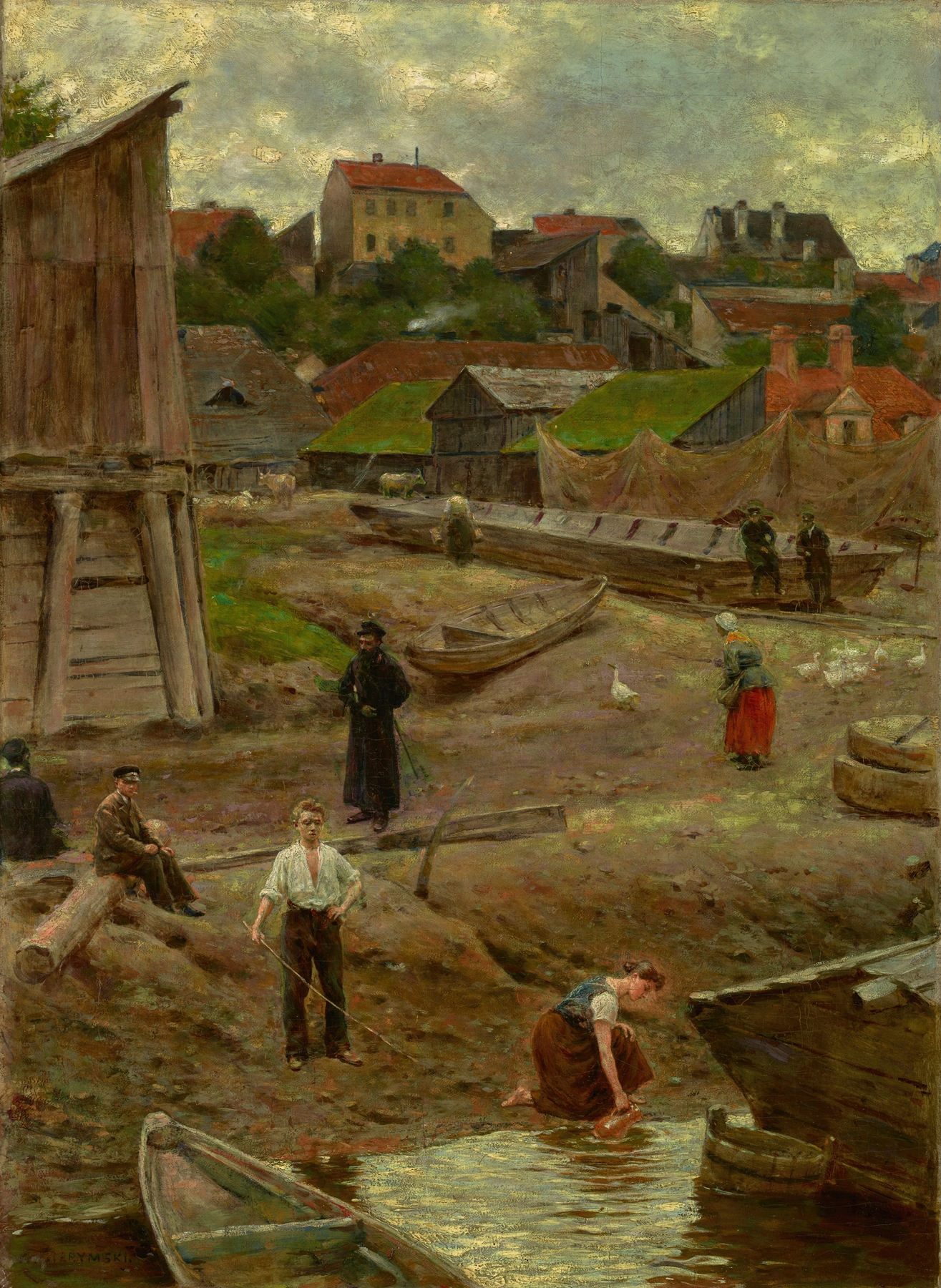
In 1890, as Gierymski painted this scene in Munich, he was navigating the burgeoning movements of the time, influenced by Impressionism yet maintaining a distinct, personal style. His life was marked by both artistic ambition and personal struggles, reflecting a complex interplay of emotion that resonates through his work. The era was ripe with creative exploration, and this piece embodies the transition from the traditional to the modern, blending the beauty of the natural world with human experience.