Luxembourg Gardens — History & Analysis
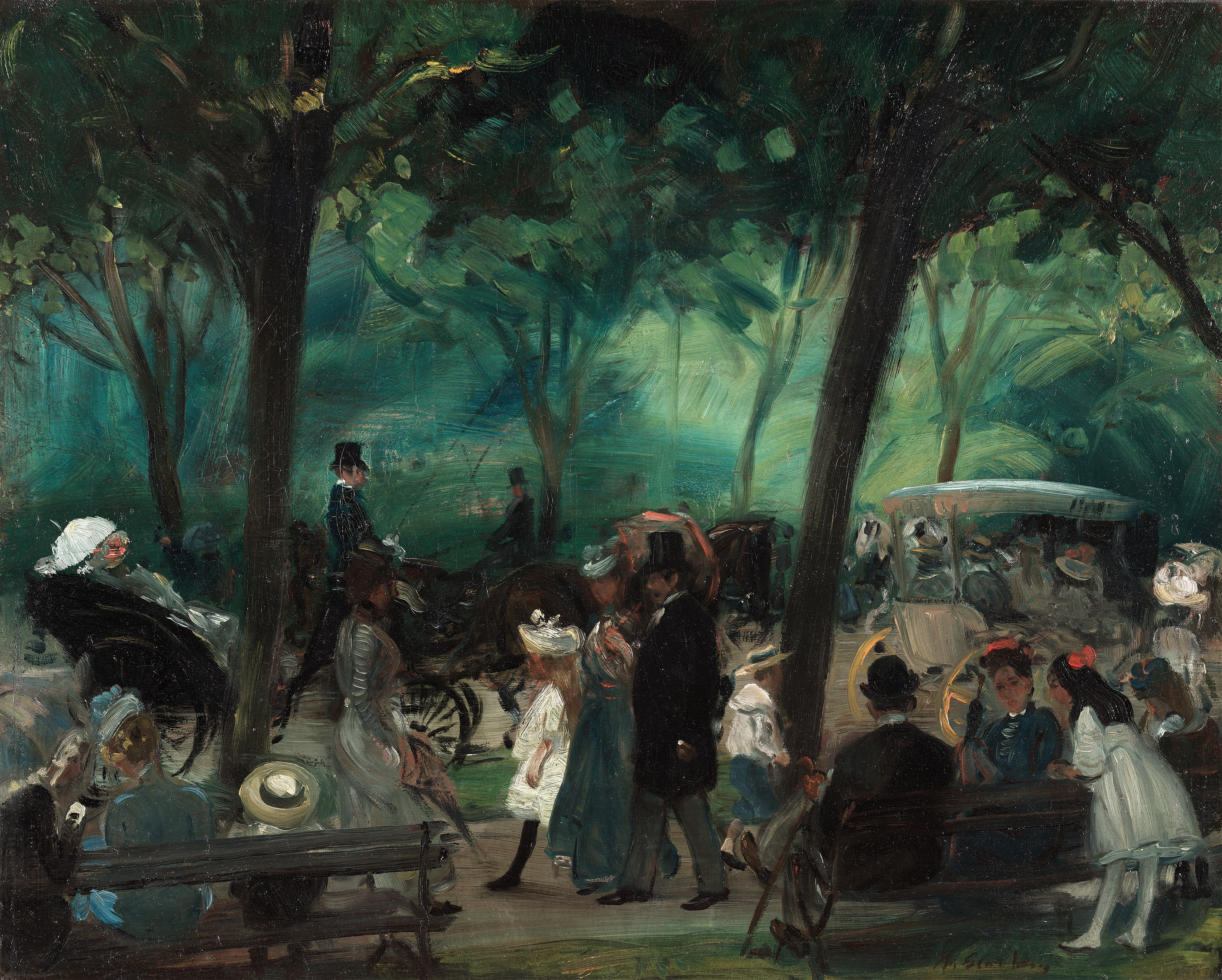
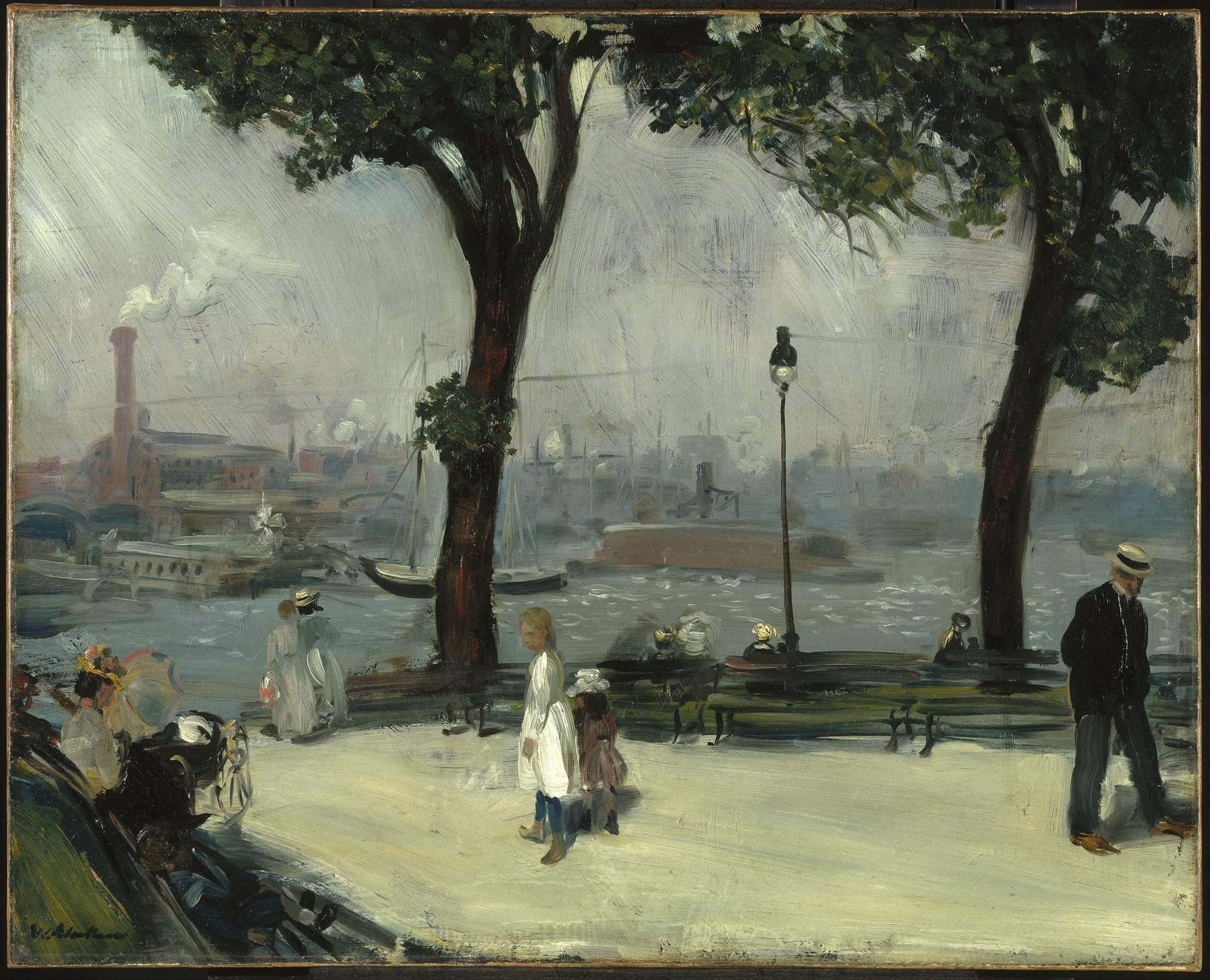
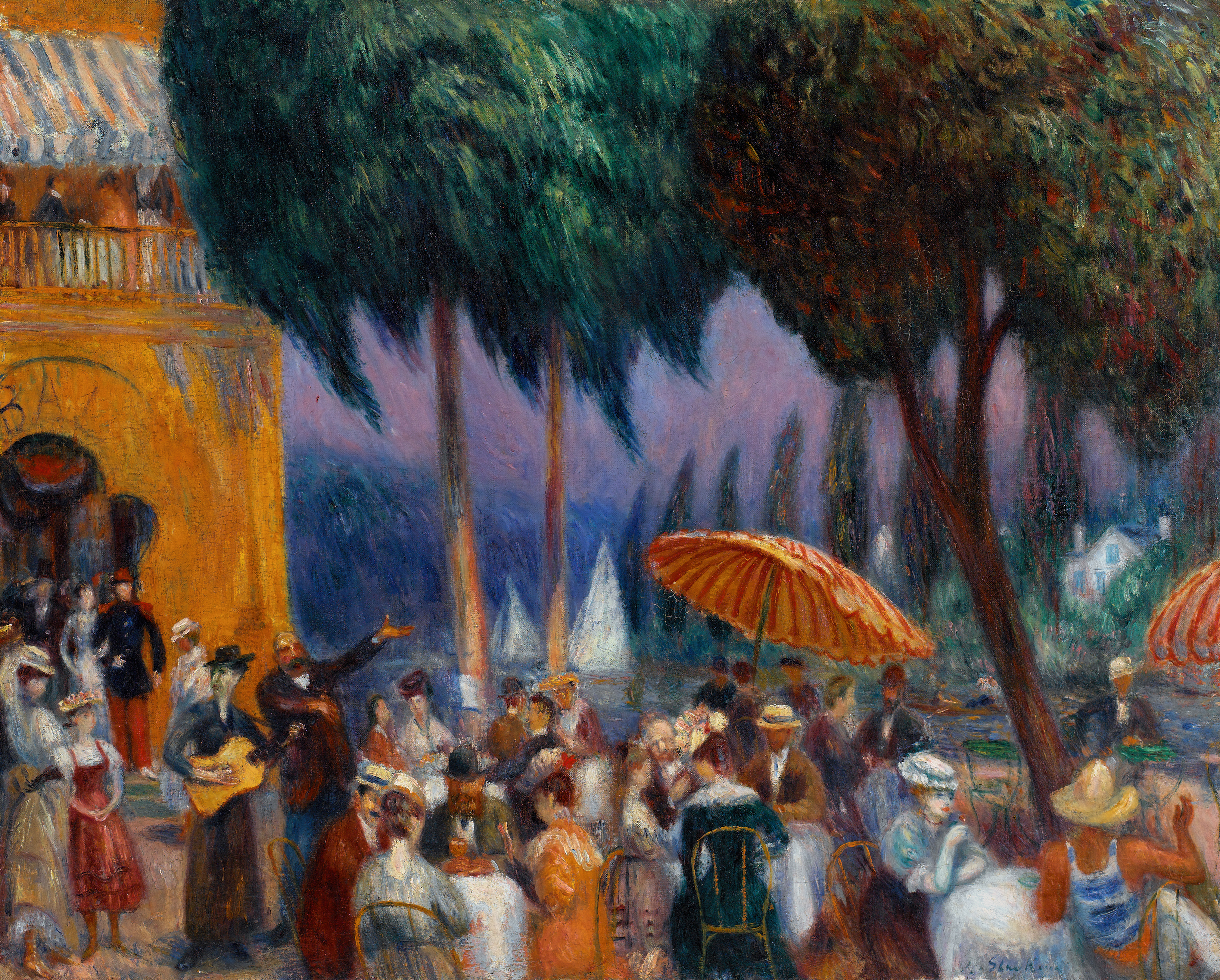
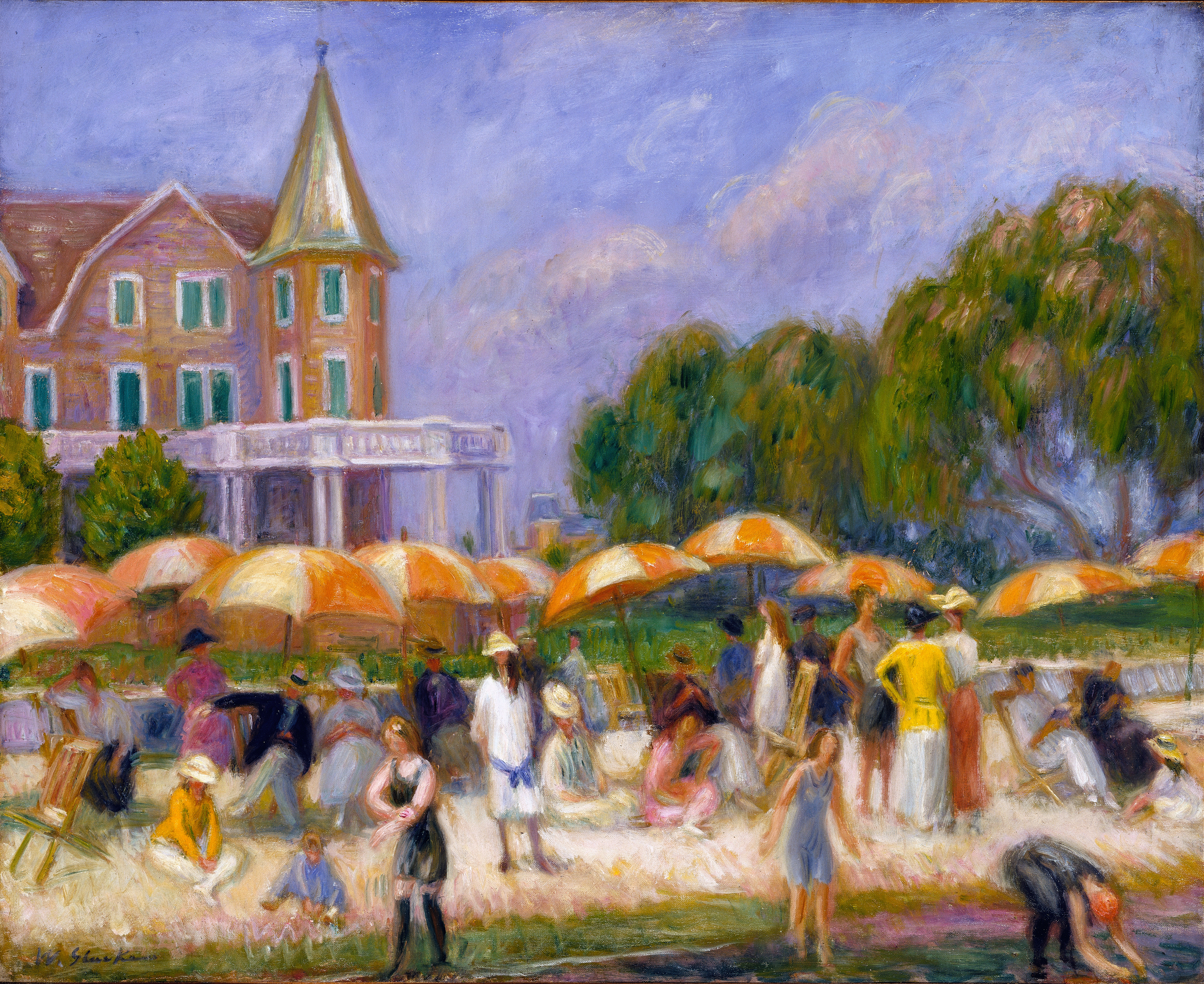
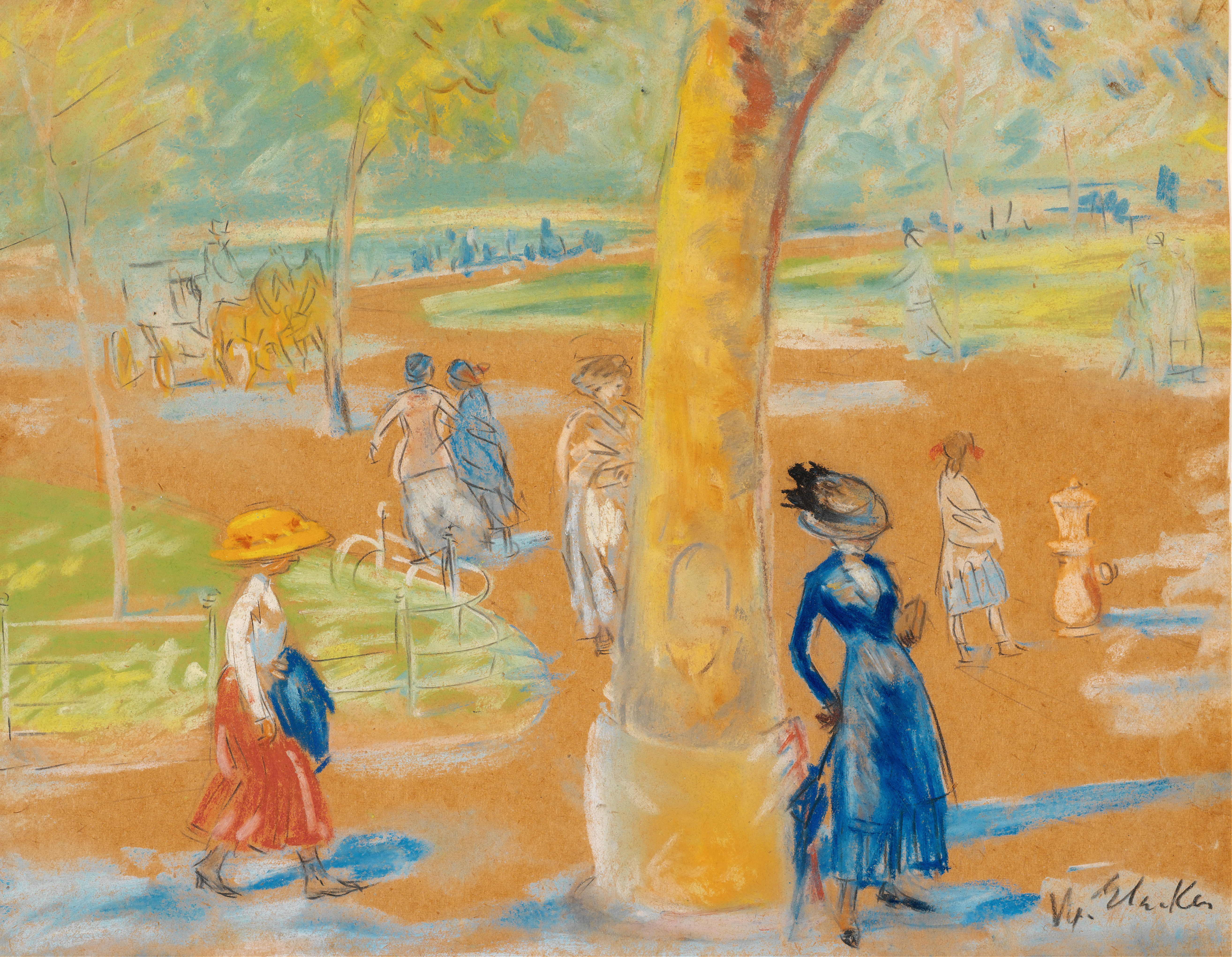
A gentle breeze rustles the leaves, casting fleeting shadows across the emerald grass of the gardens. Groups of people linger, some engaged in spirited conversations, while others gaze pensively at the tranquil pond. The sun bathes the scene in a warm, golden light, creating a moment suspended in time — a sanctuary of peace amidst the bustling rhythm of Parisian life. Look to the left at the vibrant swathes of color that depict the blooming flowers, their rich reds and yellows contrasting beautifully with the deep greens of the foliage.
Notice how the figures are arranged within the frame, the diagonal composition drawing the eye from the foreground to the distant trees. The artist employs a loose brushwork style, imbuing the scene with a sense of spontaneity and movement, while the light dances across the canvas, illuminating the joy and longing captured in the moment. Beneath the surface, the painting reflects a deeper narrative of leisure and connectivity. The juxtaposition of the intimate conversations against the expansive gardens suggests a retreat from the chaos of modernity, a celebration of human relationships in an ever-evolving world.
Each figure, though distinct, is united in their shared experience, hinting at a collective legacy of cultural vitality that defines Paris. In 1906, the artist immersed himself in the vibrant life of Paris, a city that was transforming both socially and artistically. Glackens was part of the Ashcan School, a movement that embraced realism and everyday life, capturing the essence of the urban experience. This period was marked by a blend of traditional techniques and modern sensibilities, reflecting the dynamic changes in art and society.