Mahana no atua (Day of the God) — History & Analysis

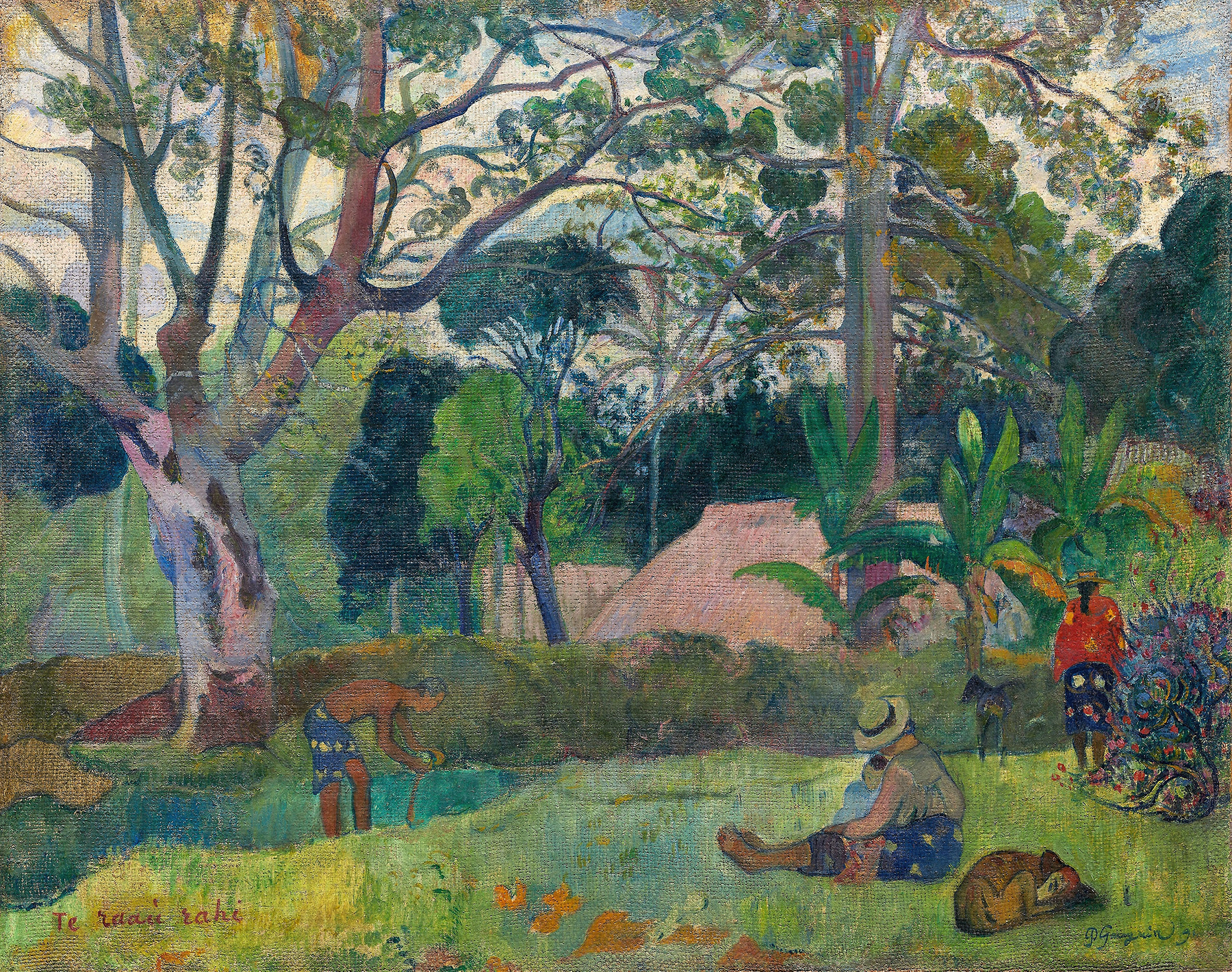
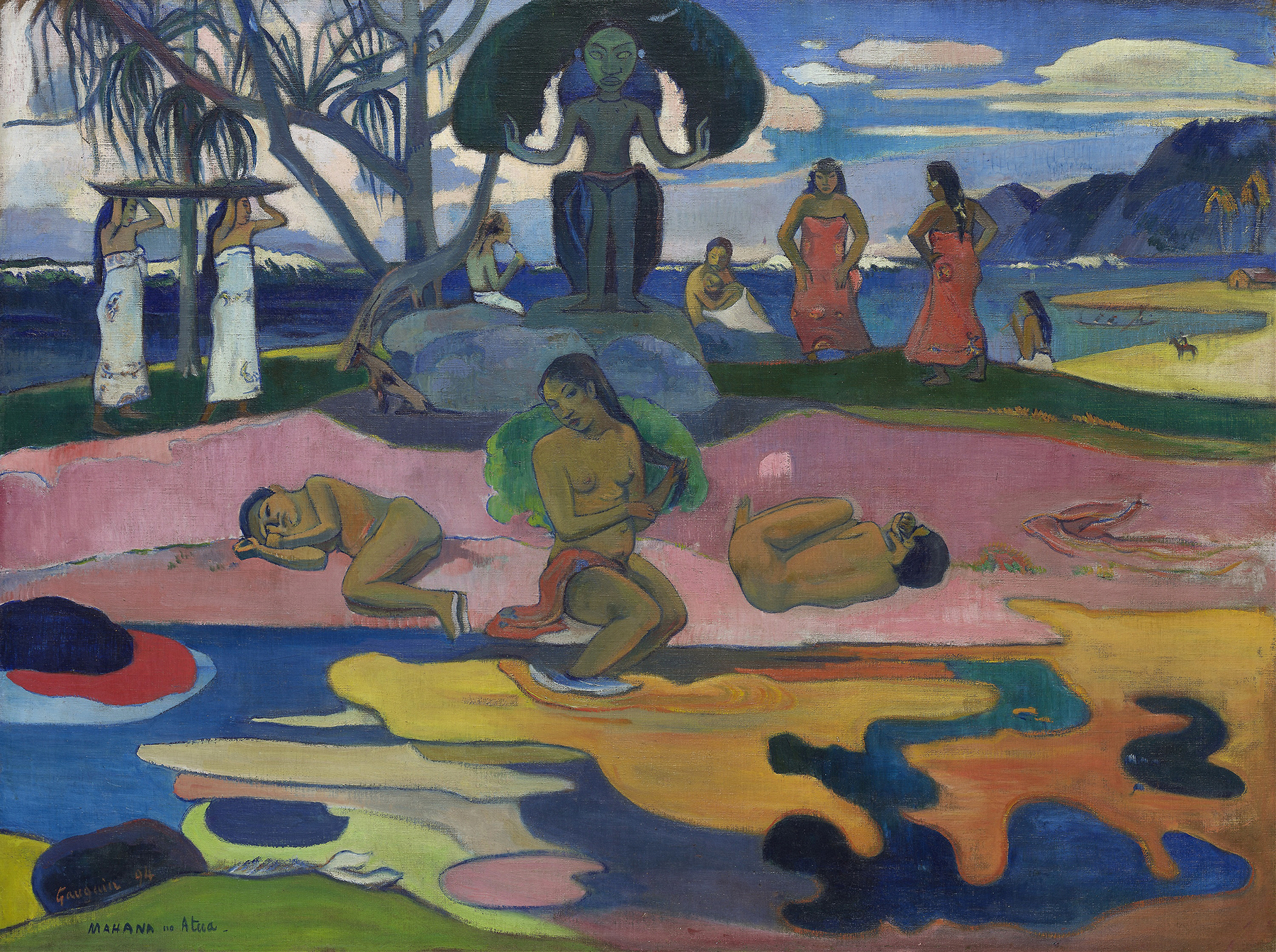
“The canvas doesn’t lie — it simply waits.” In the vibrant strokes of Gauguin's Mahana no atua, we encounter a reflection of humanity, identity, and the relentless passage of time, all wrapped within a tapestry of color and emotion. Focus first on the striking interplay of colors, particularly the vivid reds and deep blues that dominate the canvas. The figures stand out against a lush, tropical landscape, their forms and expressions both mystifying and magnetic. Notice how the light dances across the characters, illuminating their intertwined lives and the spiritual essence of the Tahitian setting.
The composition draws the eye toward the central figure, a deity embodying the island’s cultural legacy, while the surrounding elements whisper stories of connection and reverence. Beneath the surface, the painting grapples with themes of colonialism and the clash of cultures. The contrasting serenity of the natural world set against the unnerving tension of the figures’ gazes invites contemplation of a society caught between tradition and external influences. The goddess-like presence suggests an enduring relationship between the divine and the earthly, while the figures’ expressions hint at a deeper longing or sorrow, revealing the complexities of identity and belonging within a rapidly changing world.
In 1894, while living in Tahiti, the artist immersed himself in the island's culture and spirituality, drawing inspiration from its mythologies. At this time, Gauguin was navigating personal upheavals, seeking solace and meaning beyond the confines of European artistic norms. His exploration of color and form marked a pivotal moment in the evolution of modern art, leaving a legacy that resonates with artists and viewers alike today.