Landscape — History & Analysis
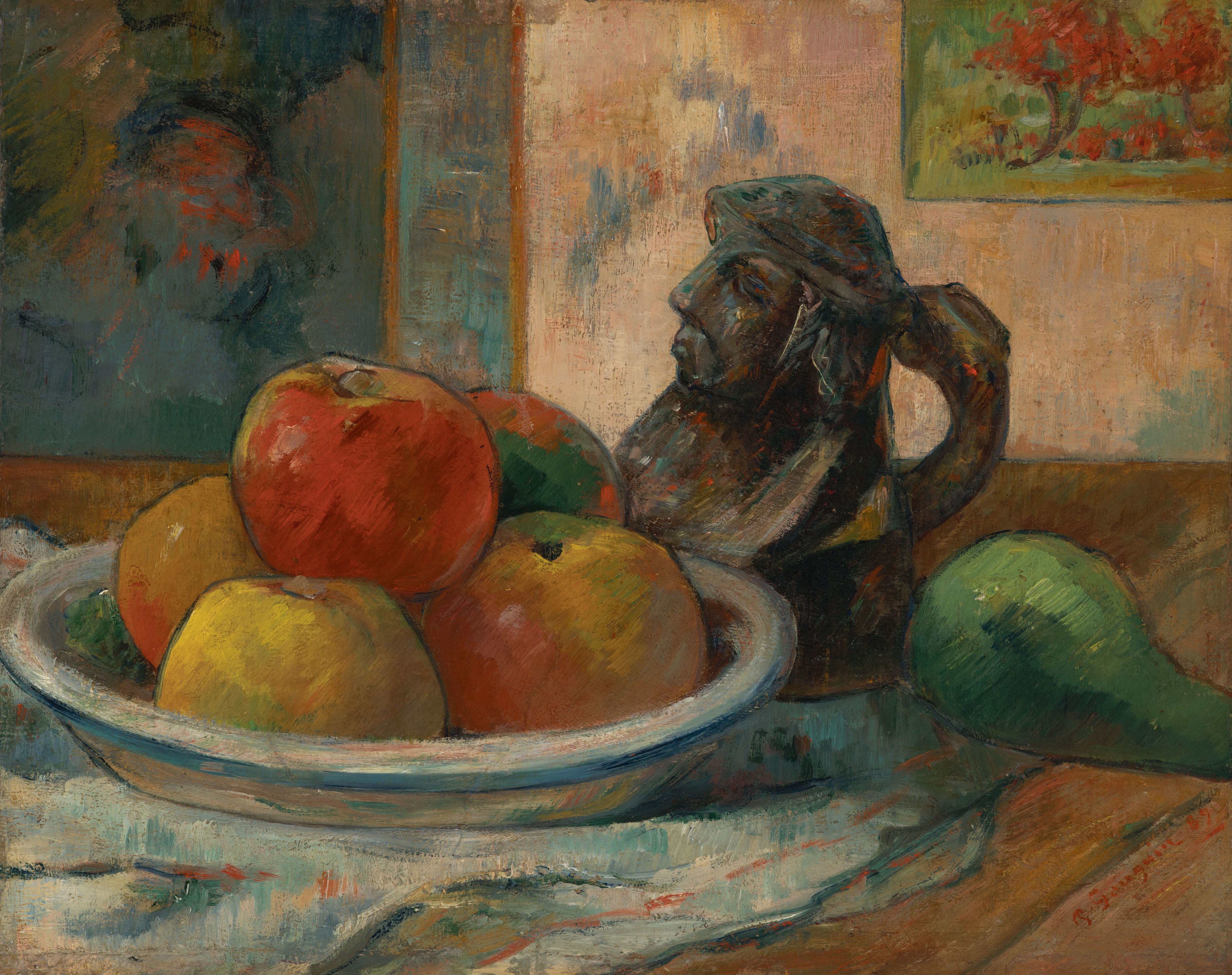
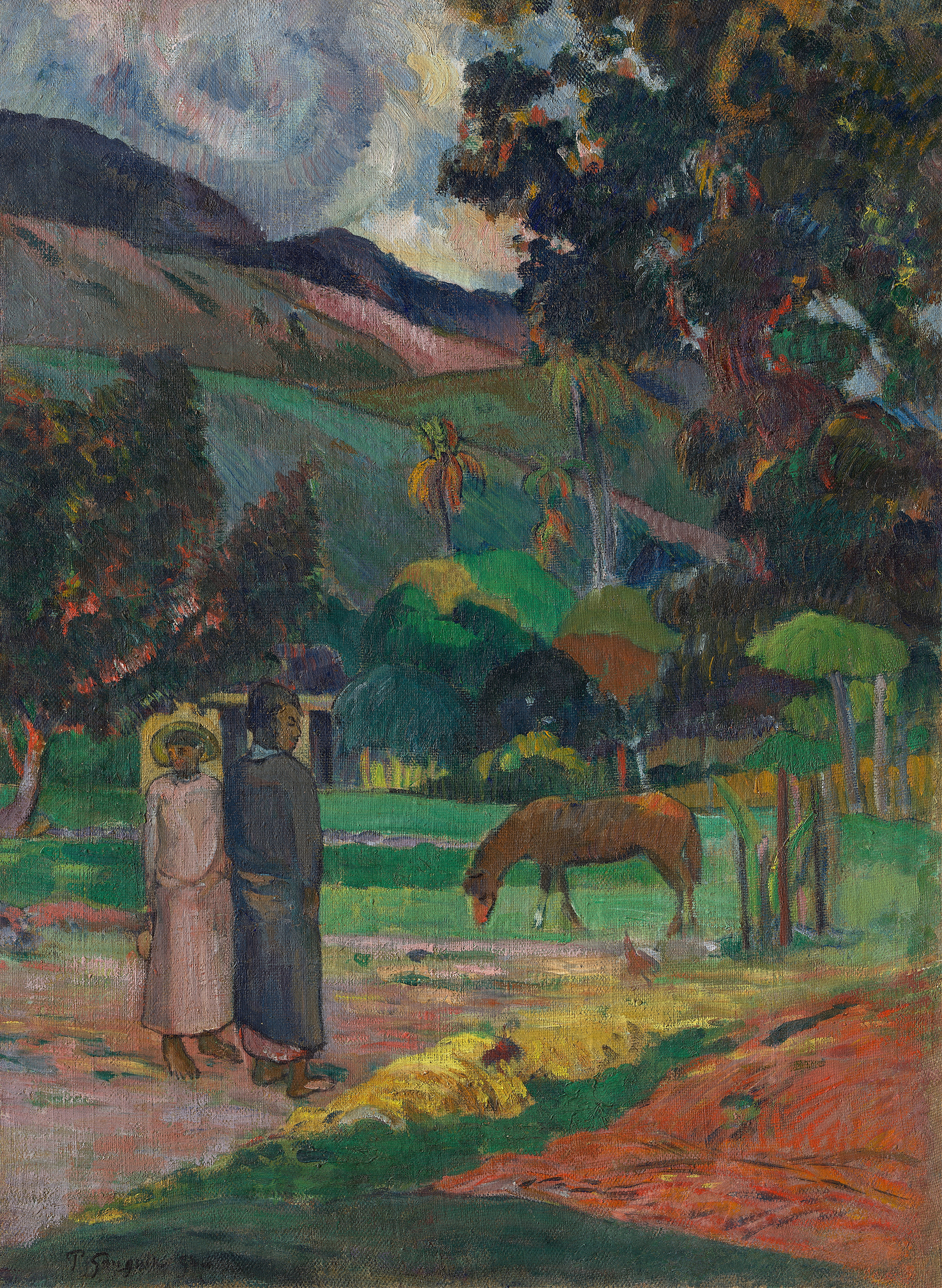
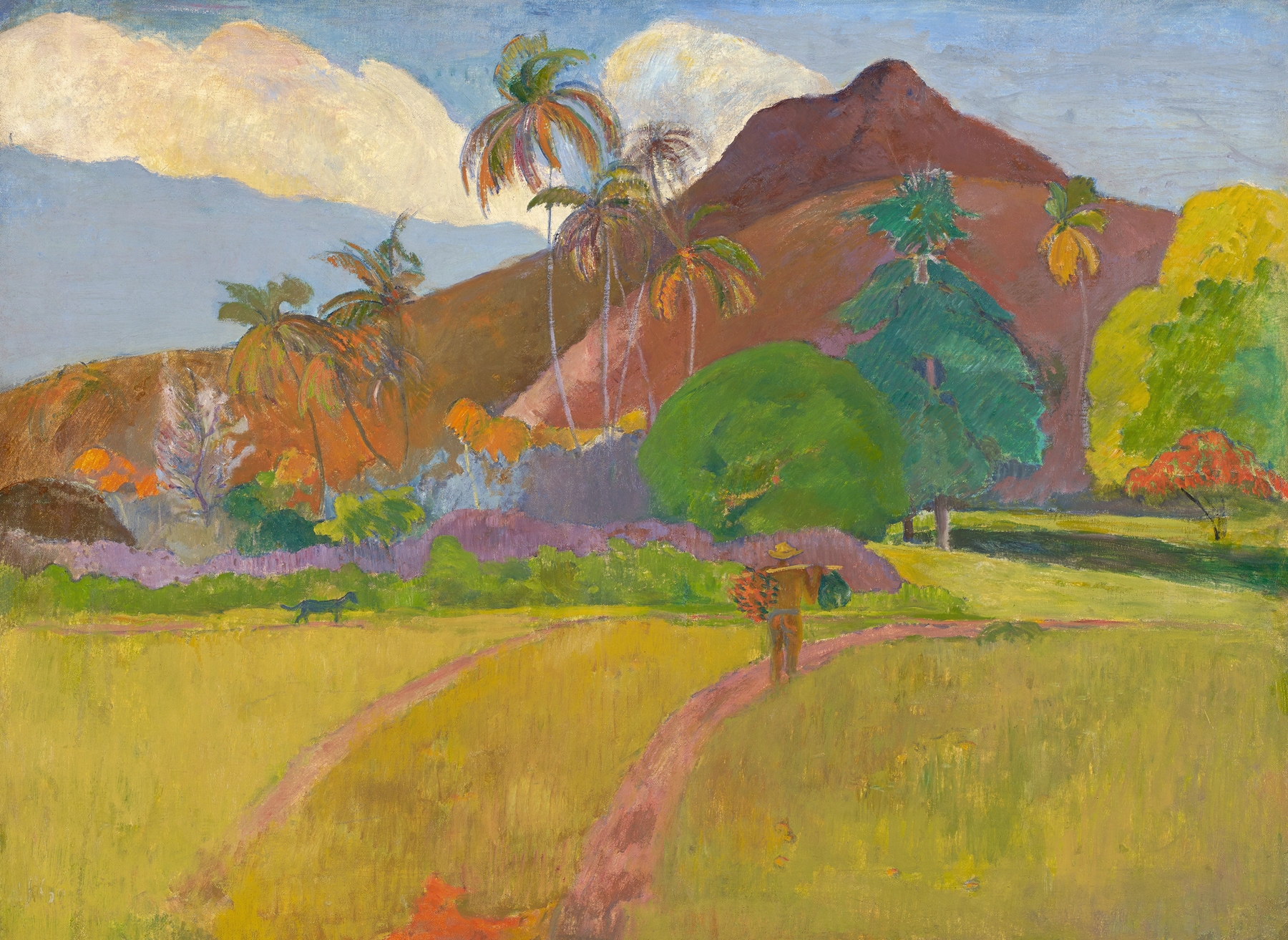
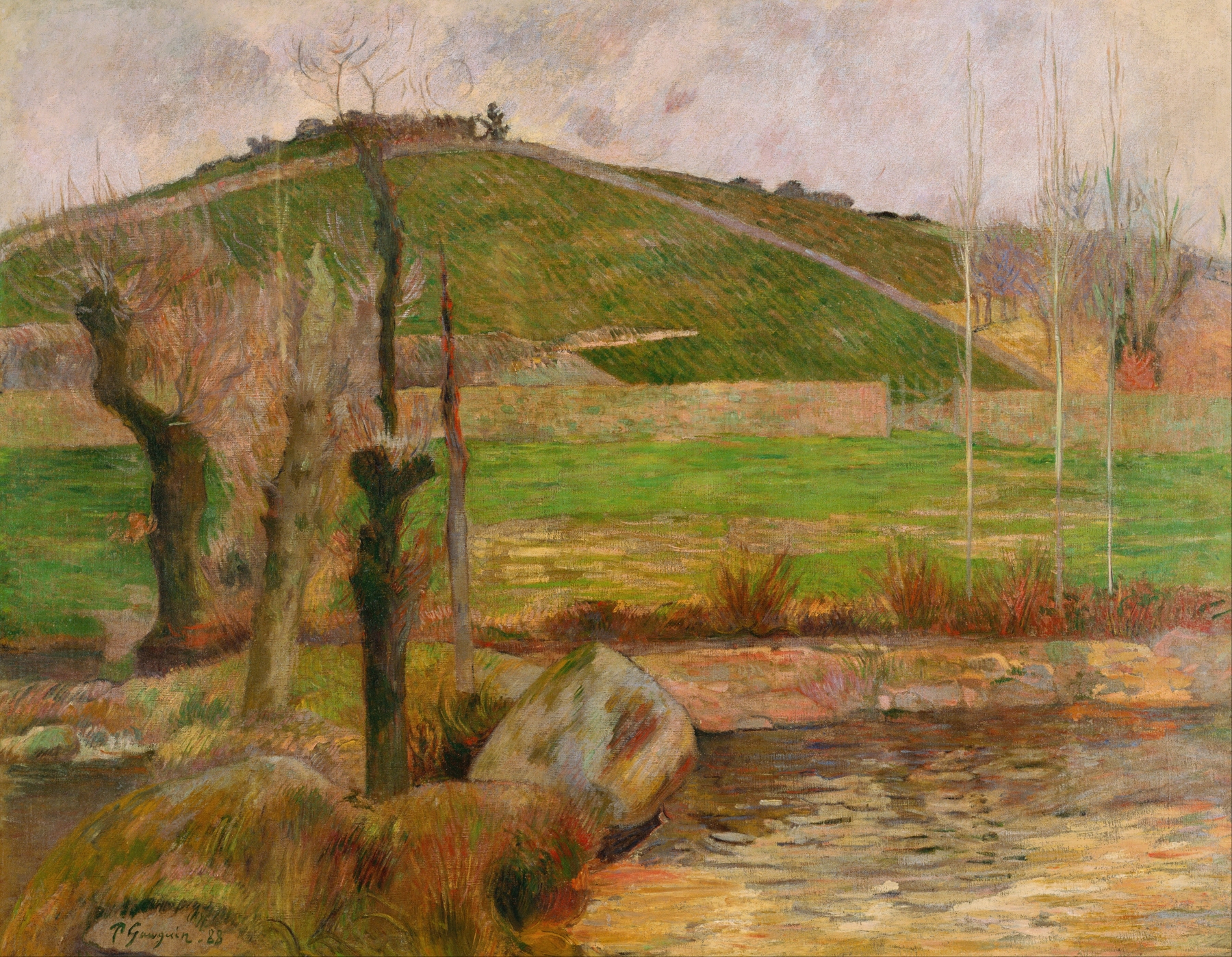
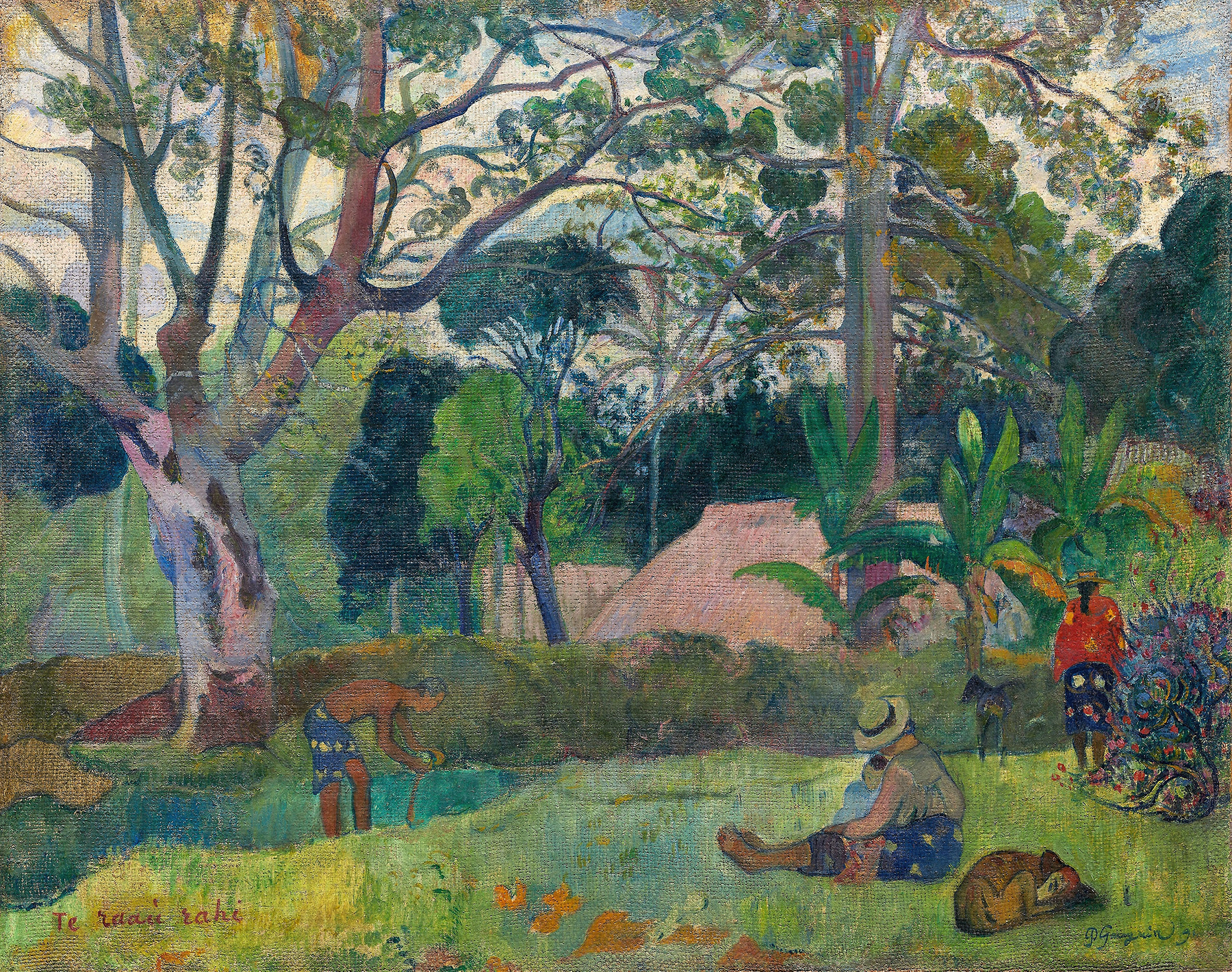
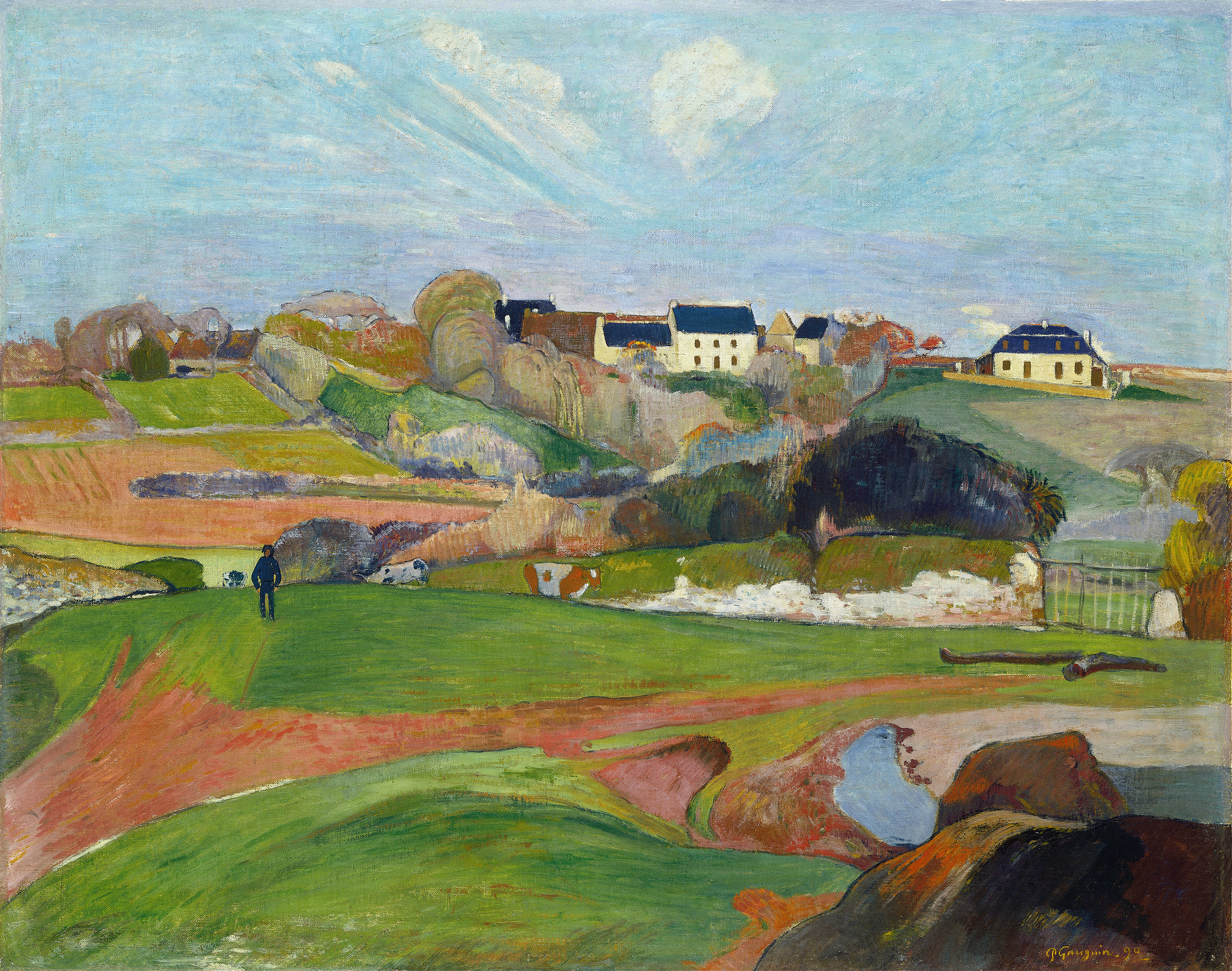
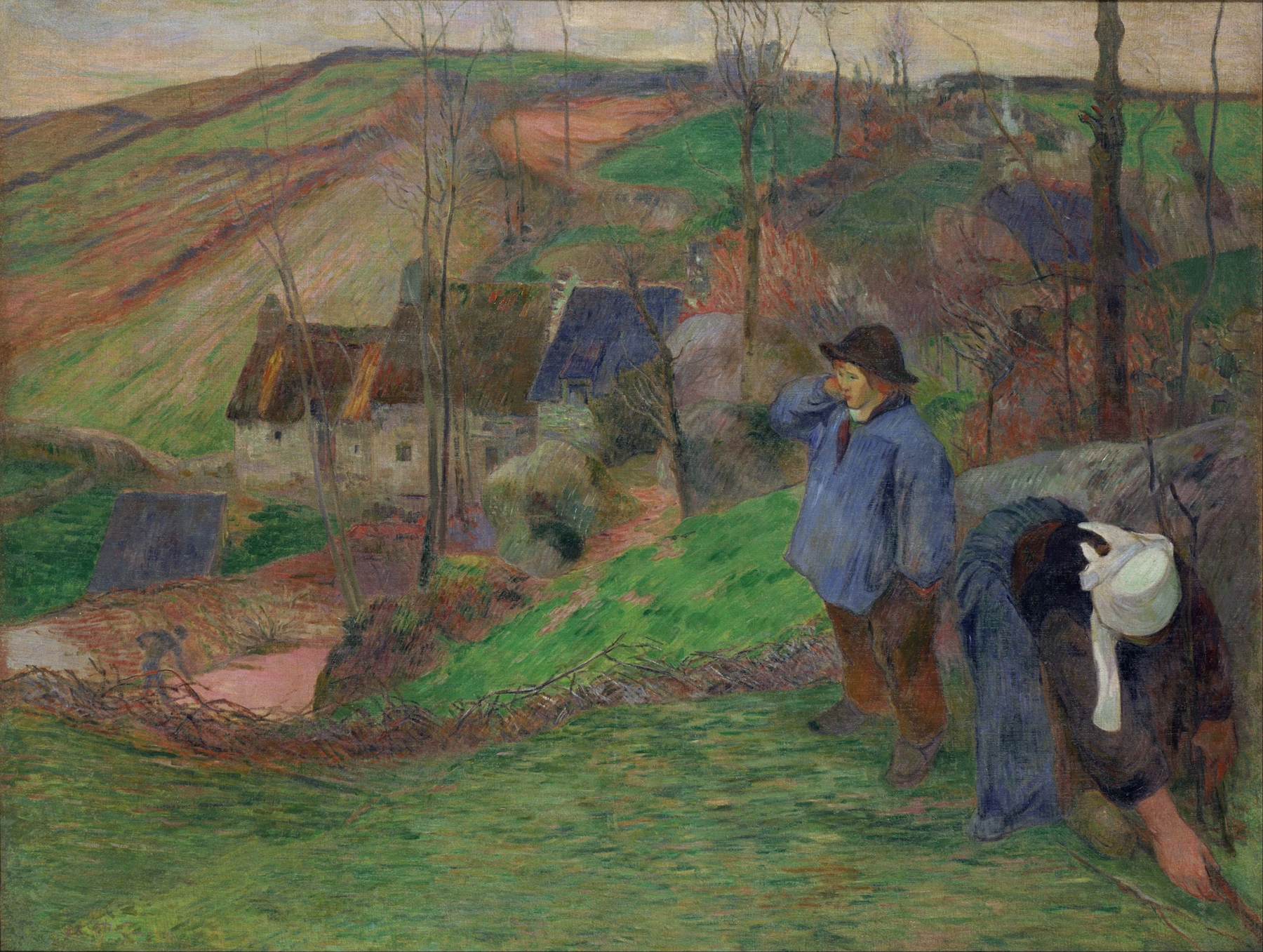
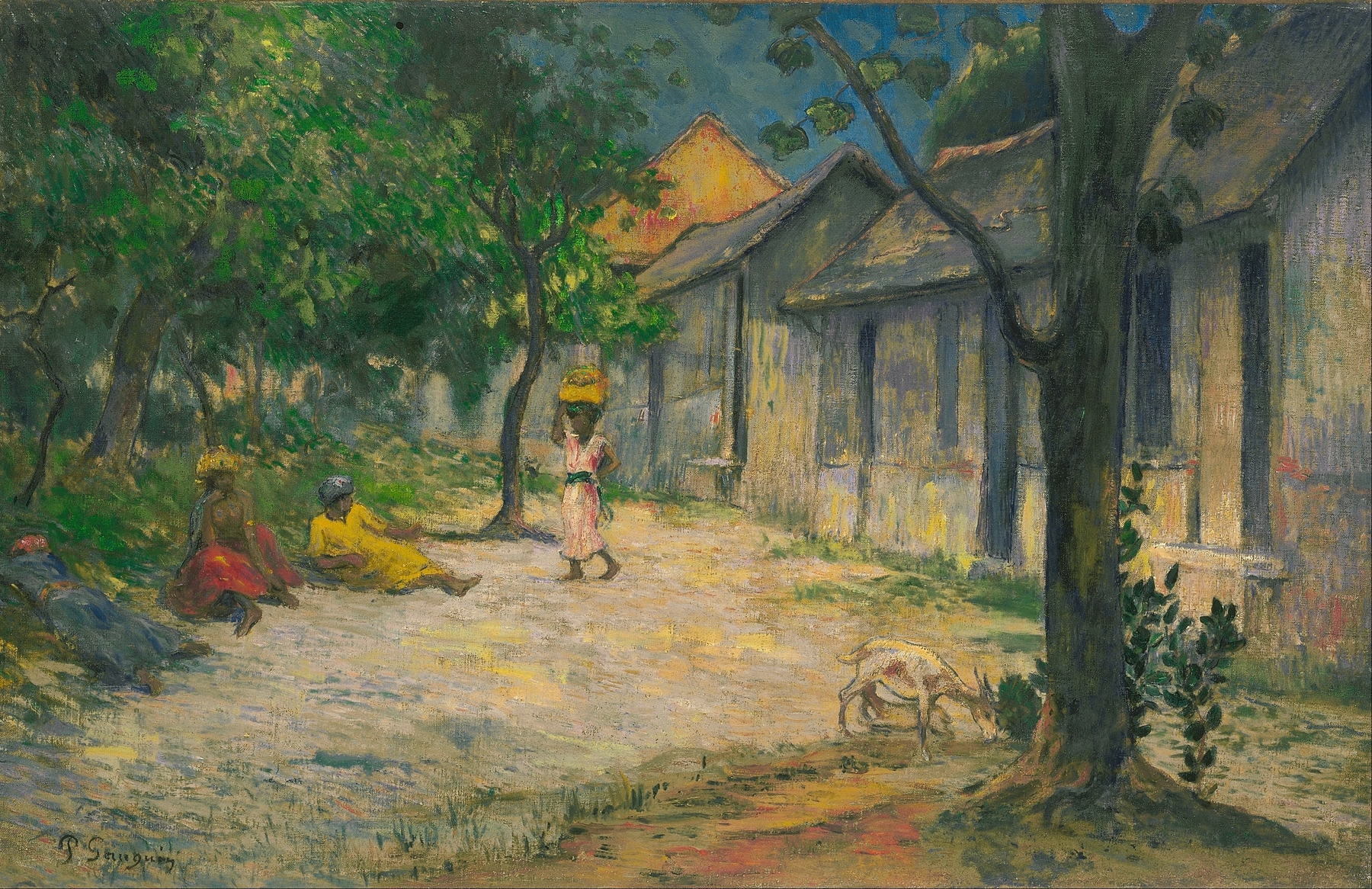
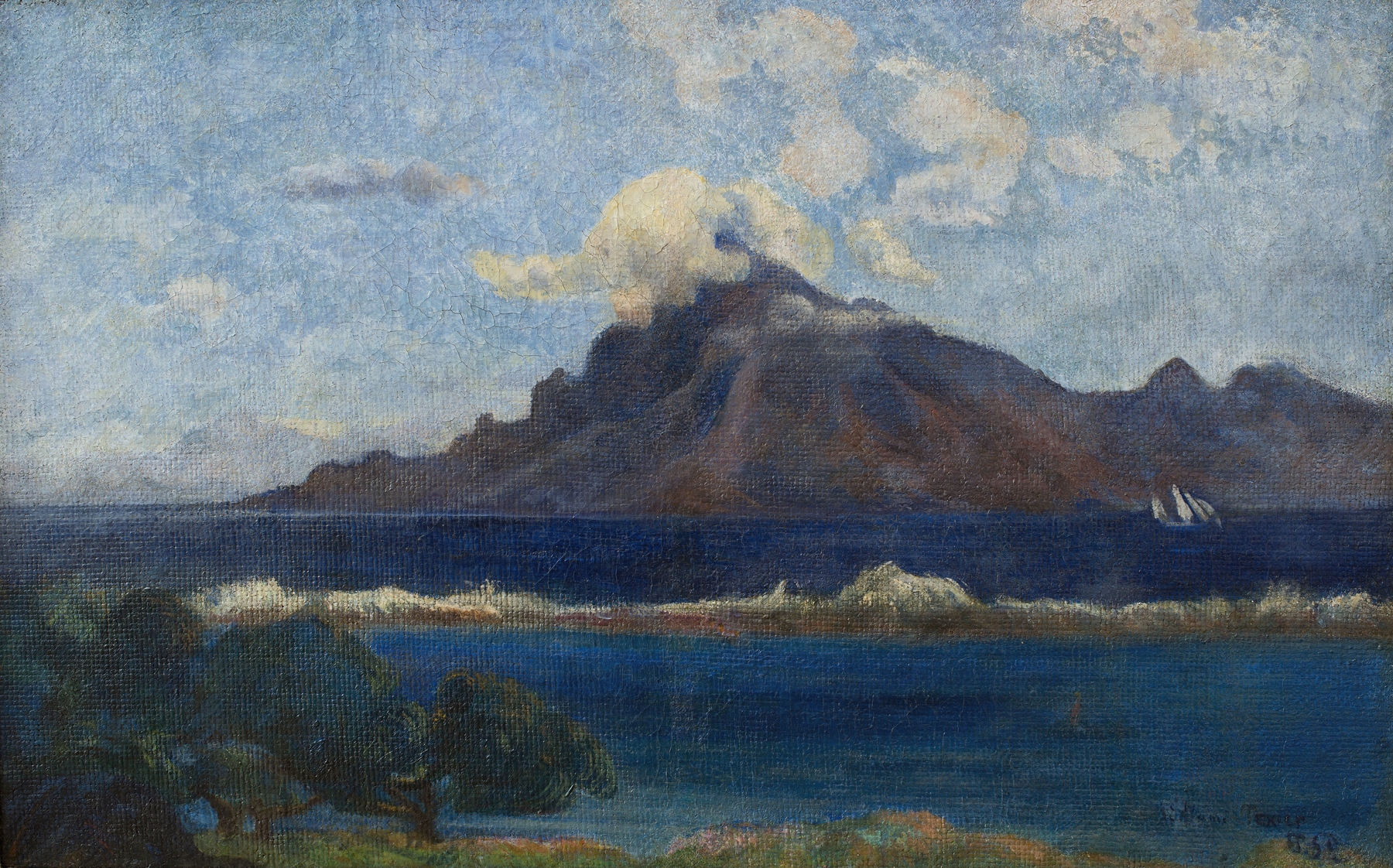
“Sometimes beauty is just pain, disguised in gold.” In the vastness of our experience, moments of transcendence often emerge from the depths of struggle, revealing landscapes that echo the soul's longing. Look to the center of the canvas, where vibrant hues of green and gold collide in a symphony of nature. The bold brush strokes create a textured tapestry, inviting your gaze to wander across rolling hills and undulating forms. Notice how the juxtaposition of warm and cool colors suggests both harmony and conflict, as light dances upon the foliage, illuminating hidden corners and casting shadows that evoke a sense of mystery.
Delve deeper and you'll find that the seemingly tranquil environment holds layers of emotional tension. Each curve and contour of the land suggests a narrative of longing, reflecting the turmoil within. The bright sun, while illuminating the scene, can also symbolize the harsh realities of life, offering a stark contrast to the lush tranquility of the landscape. This duality speaks to the artist's desire to transcend mere representation and explore the emotional resonance of nature itself.
In 1889, Gauguin painted this work during his pivotal time in Brittany, a period marked by his search for a more profound artistic identity. He was increasingly drawn to the symbolism of color and form as a means of expressing his inner world. At the same time, the art world was undergoing rapid changes, moving away from realism towards more abstract interpretations, and Gauguin was at the forefront, eager to redefine the relationship between subject and emotion.