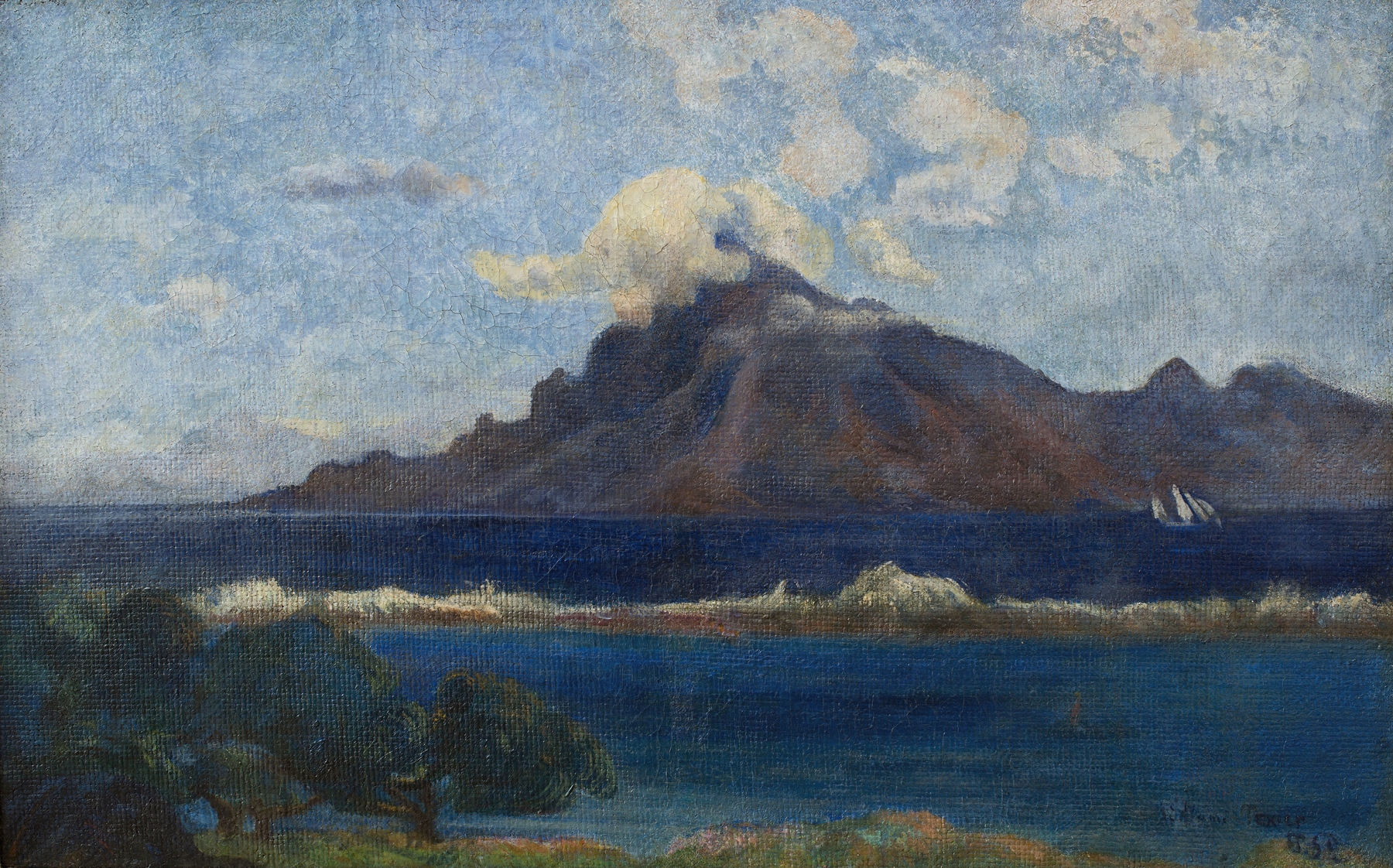
Tahitian Landscape — History & Analysis
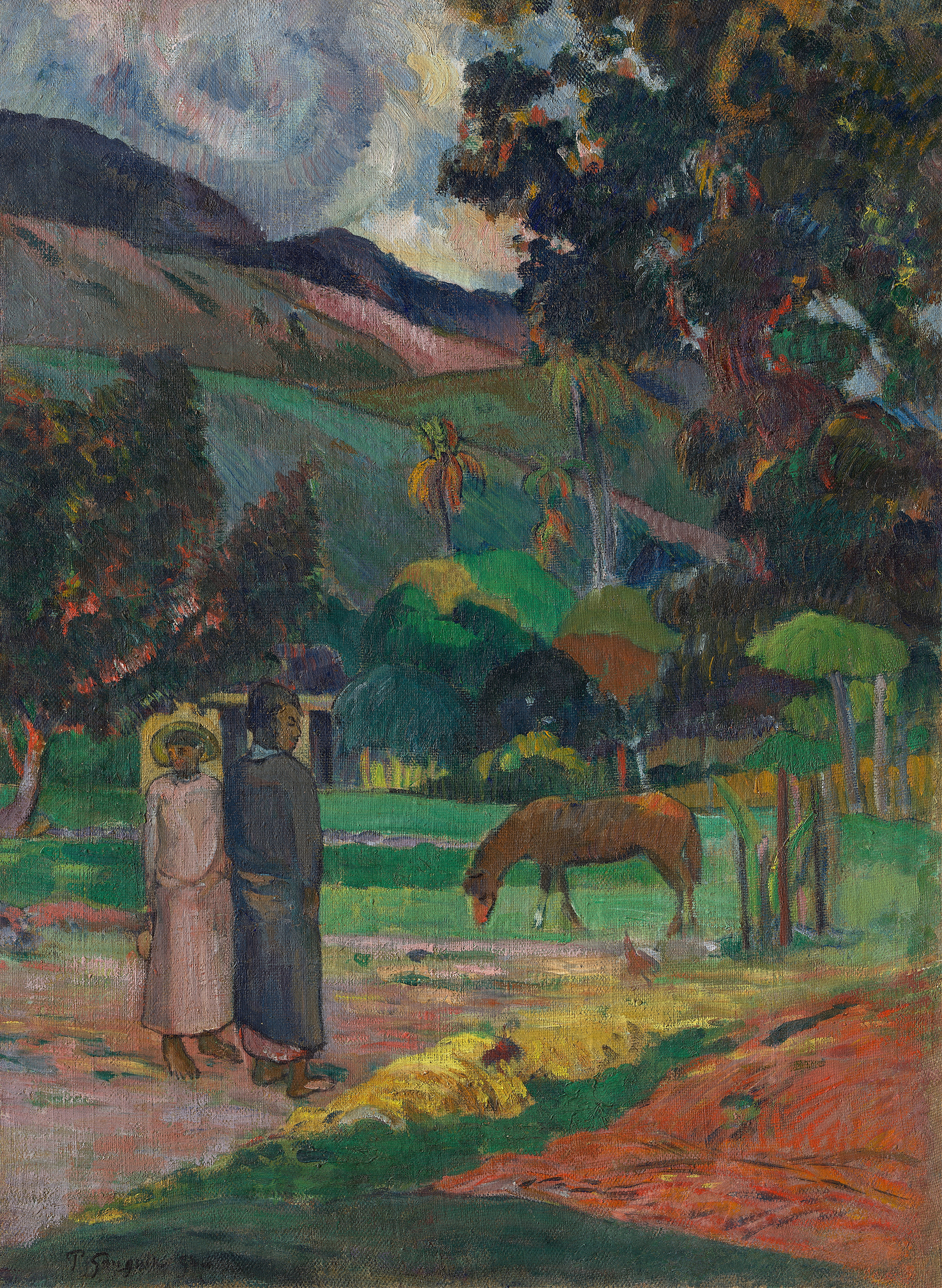
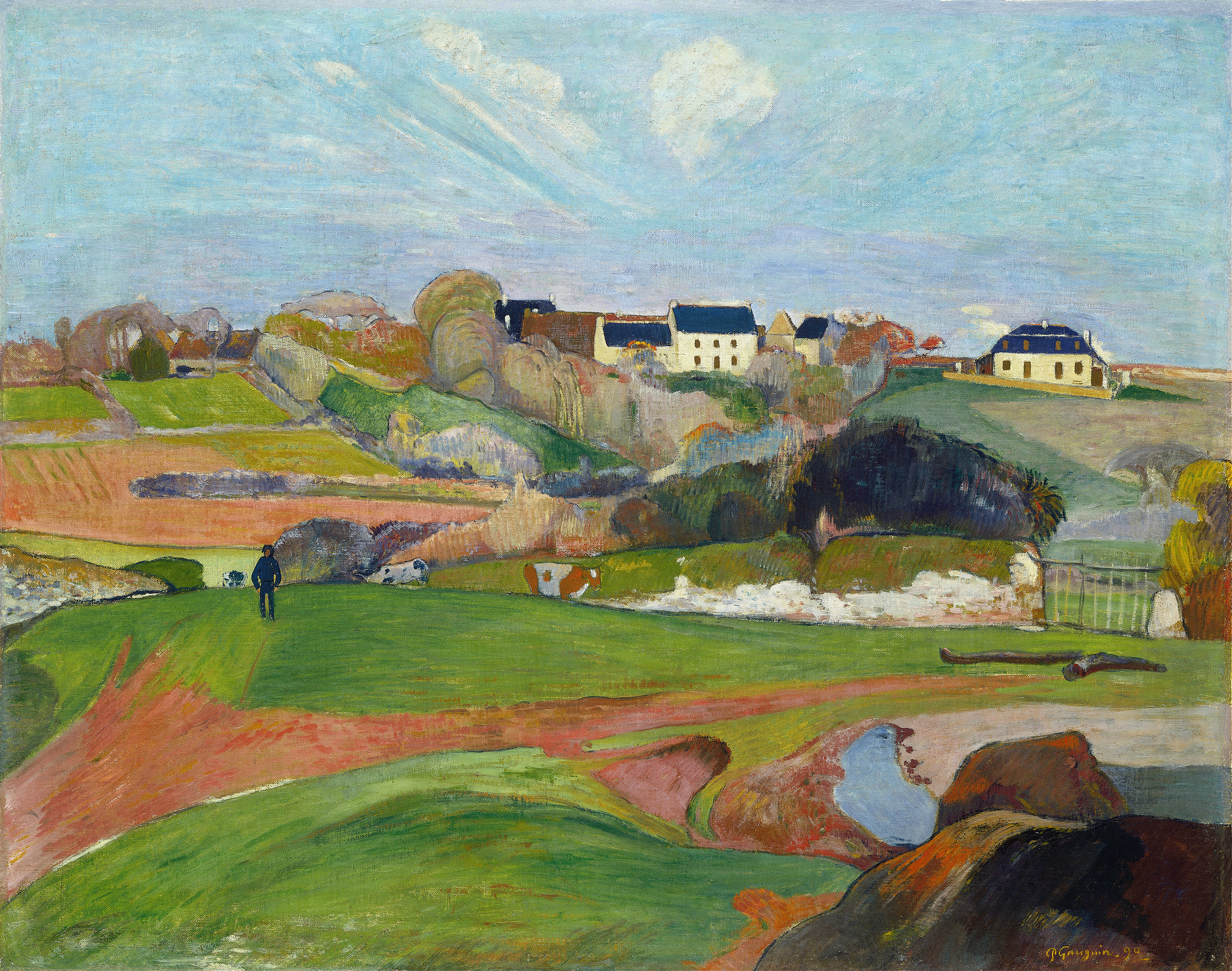
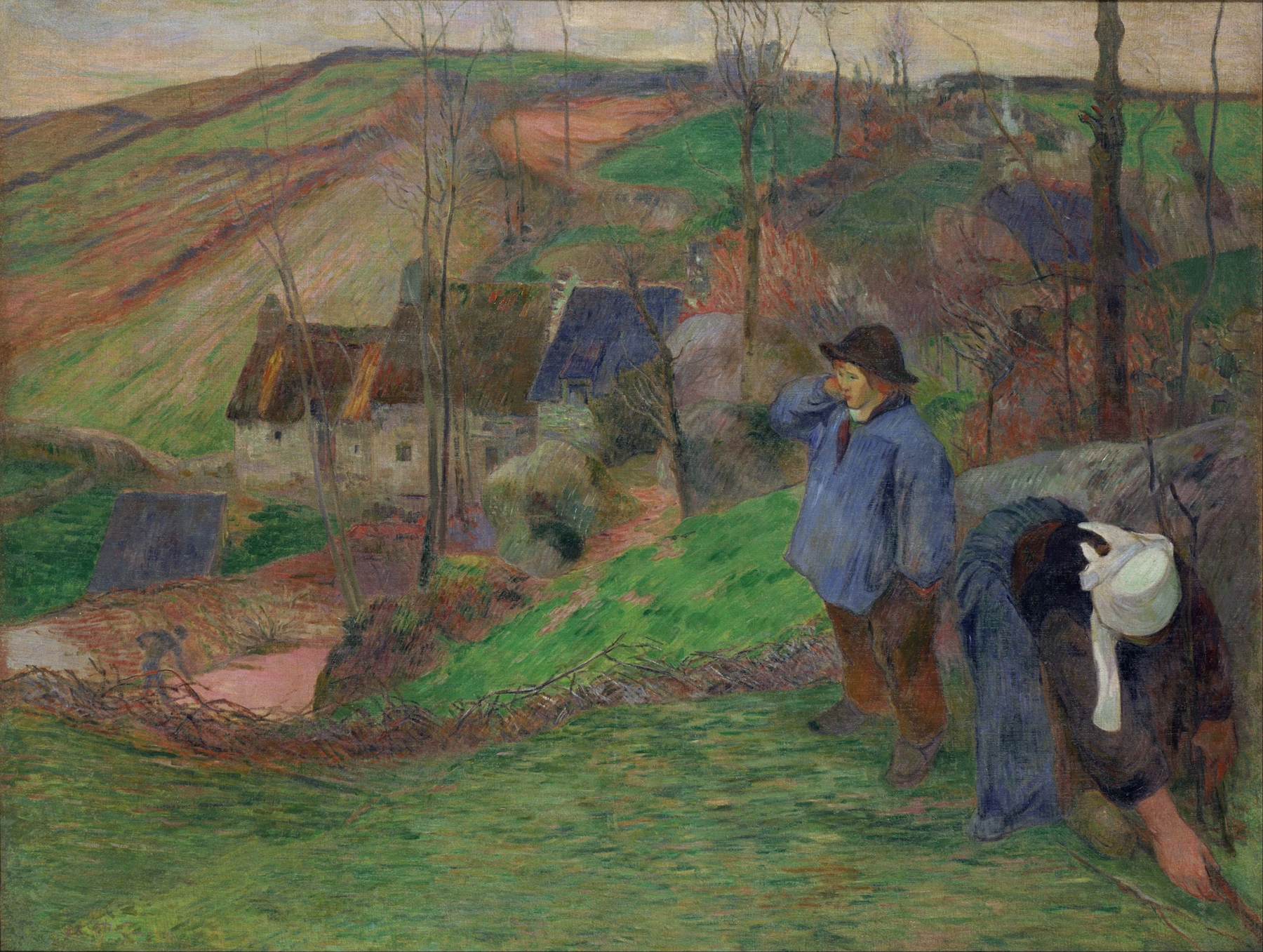
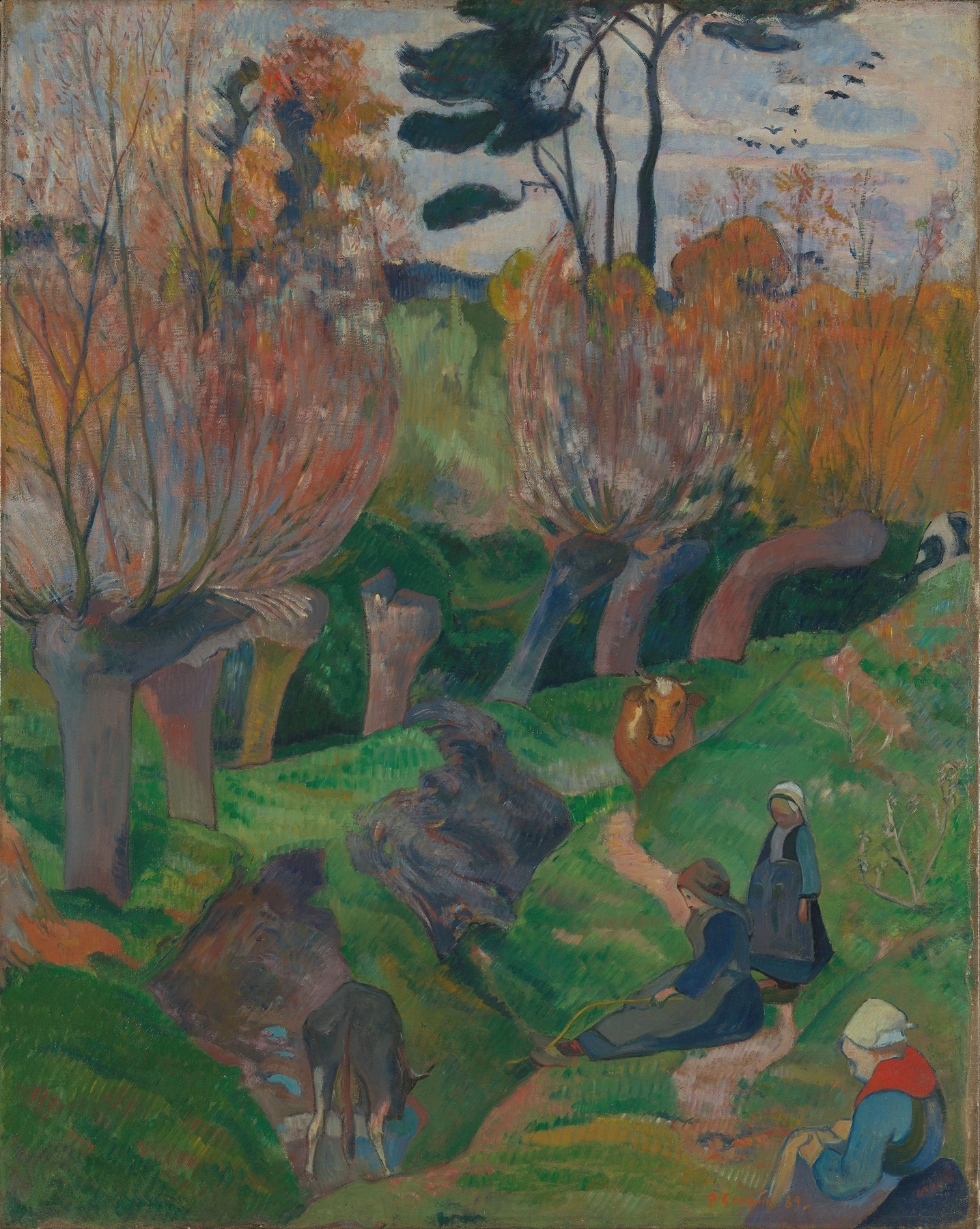
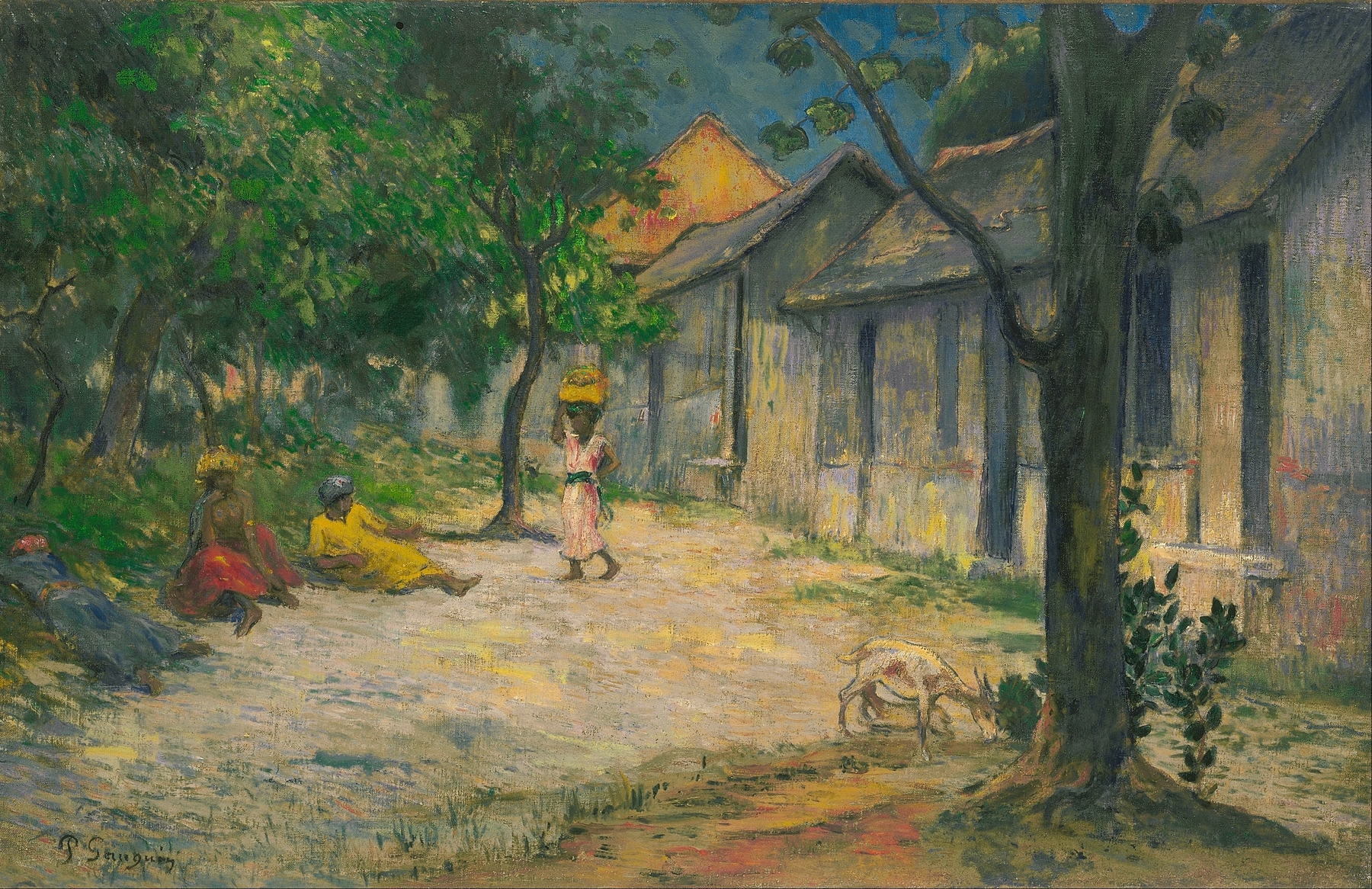
Could beauty survive in a century of chaos? In Tahitian Landscape, the answer unfurls like the vibrant flora of its painted paradise, inviting us to explore a world untouched by turmoil. Look to the left at the cascading greens of palm trees, their fronds sweeping gracefully against a cobalt sky. The dramatic contrast of sunlight and shadow creates a dynamic interplay, guiding the eye across the canvas. Notice how the soft, earthy tones of the foreground blend seamlessly with vivid splashes of color, embodying a dreamlike quality that evokes serenity amidst the chaos of the 19th century.
Gauguin’s brushstrokes pulse with vigor, forging a visual rhythm that whispers of the island’s lush beauty. Delve deeper, and you’ll find an undercurrent of longing woven into this seemingly idyllic scene. The stillness of the landscape contrasts with the artist's own restless spirit, mirroring his quest for a utopian existence far from European norms. Each brushstroke may represent his yearning for a simpler life, a destiny reimagined within the vibrant cultures he sought to embrace.
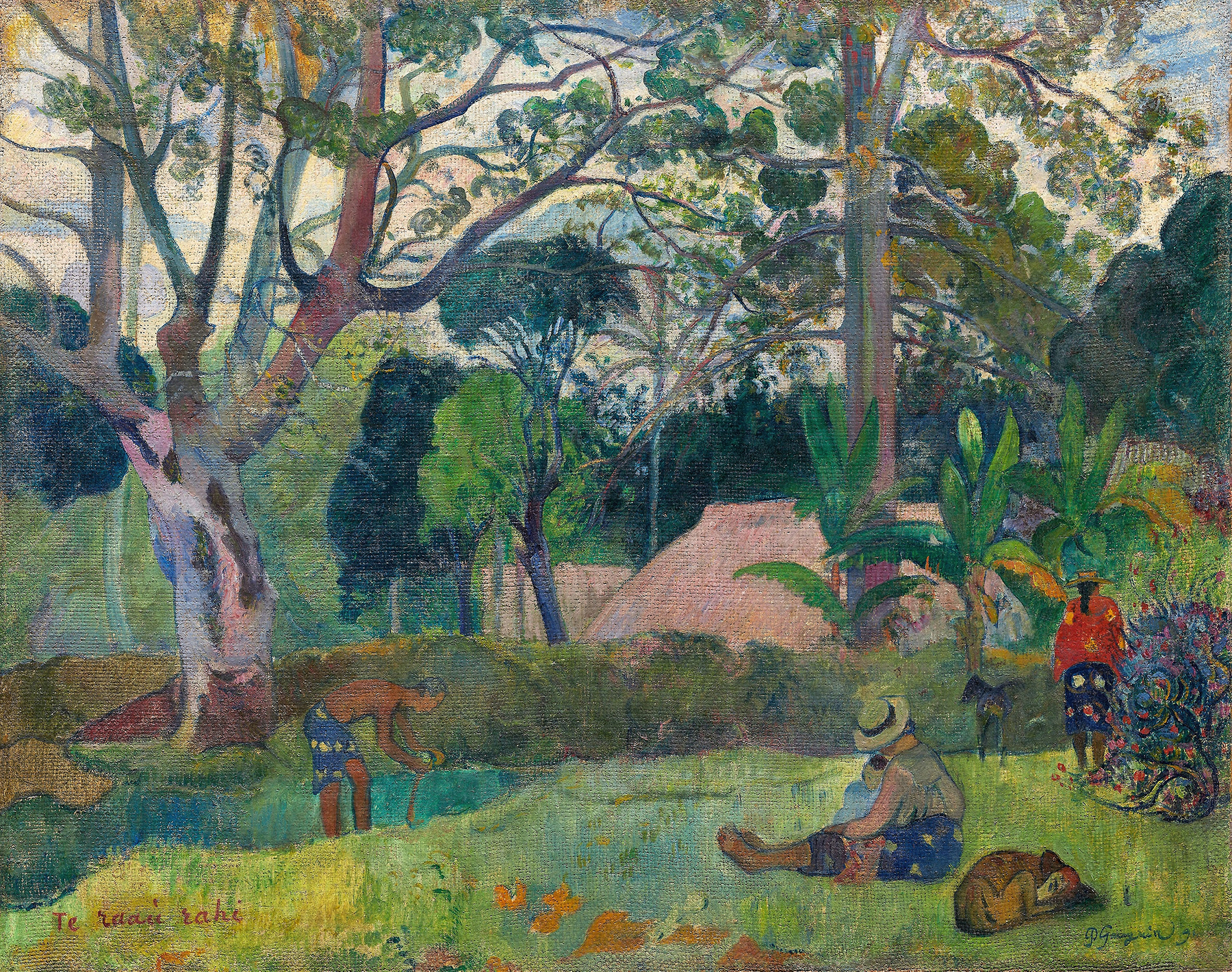
The subtle blending of colors suggests not just beauty, but the fleeting nature of paradise, hinting at the inevitable encroachment of modernity. In 1891, Gauguin painted this work during his first visit to Tahiti, seeking refuge from the rigid traditions of European art and the social upheaval of his time. He was captivated by the island’s rich culture and landscapes, which offered him a canvas for personal expression and exploration. During this period, he navigated between the allure of his new surroundings and the complexities of his own life, ultimately reshaping the course of modern art.