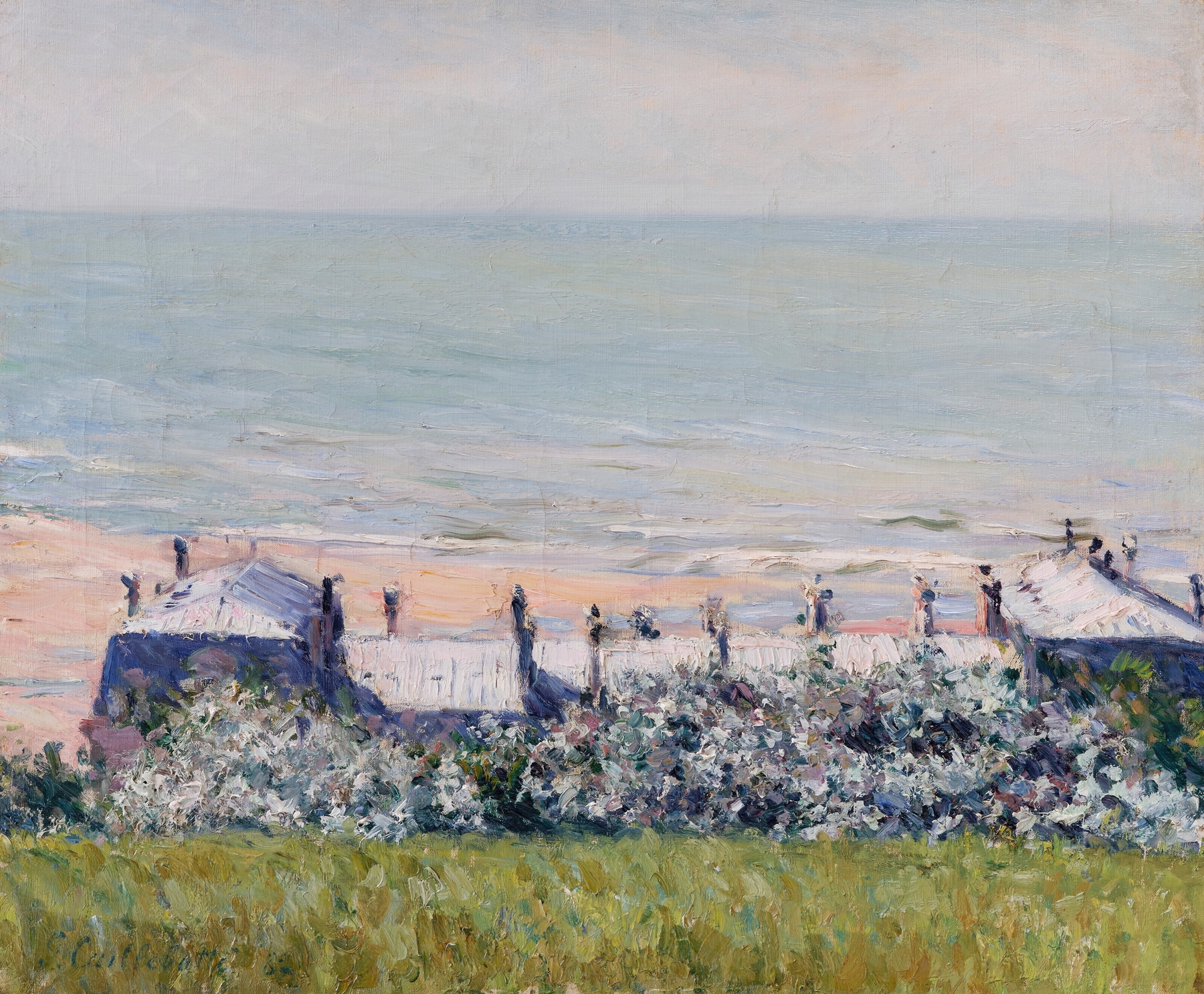
Maisons À Argenteuil — History & Analysis
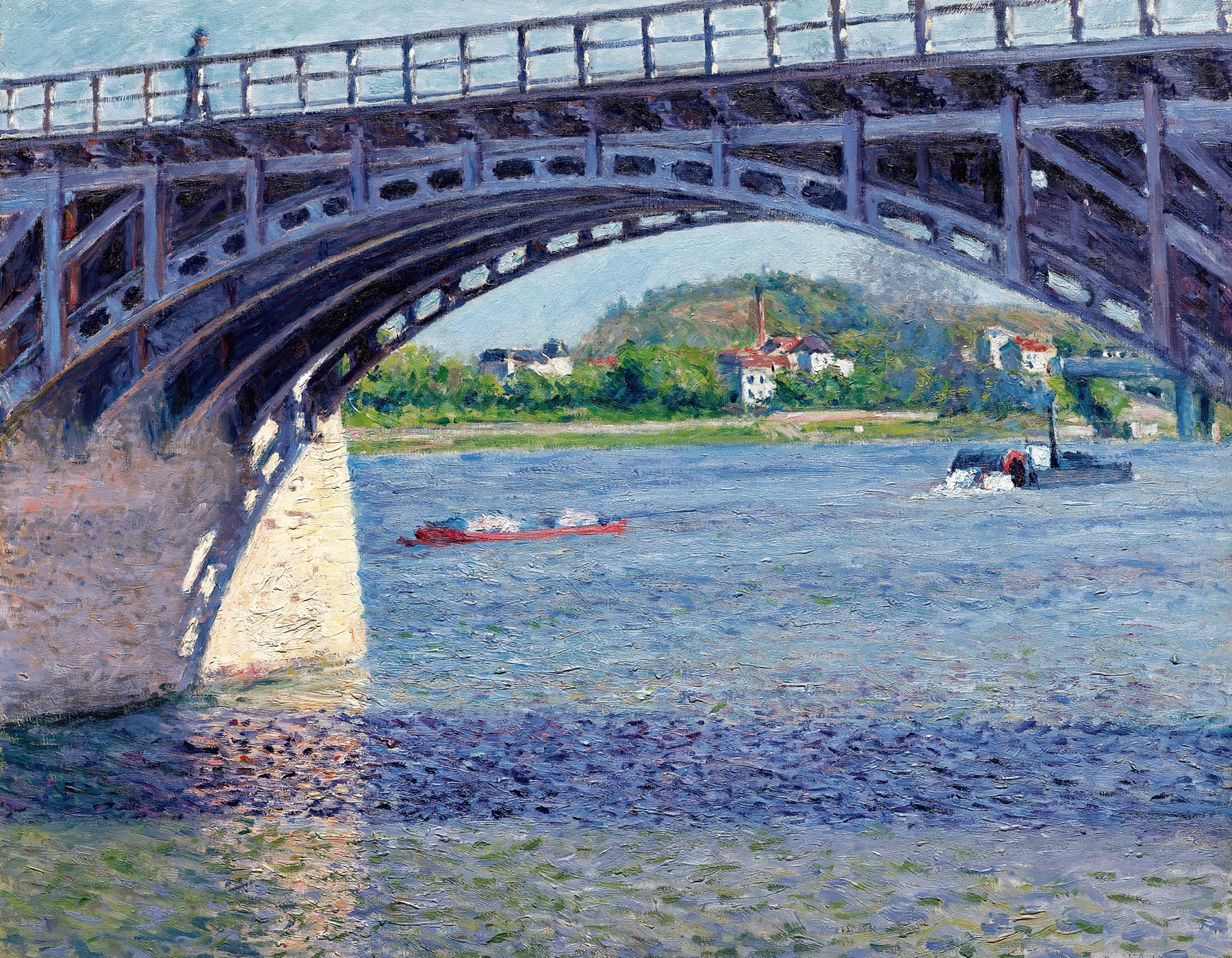
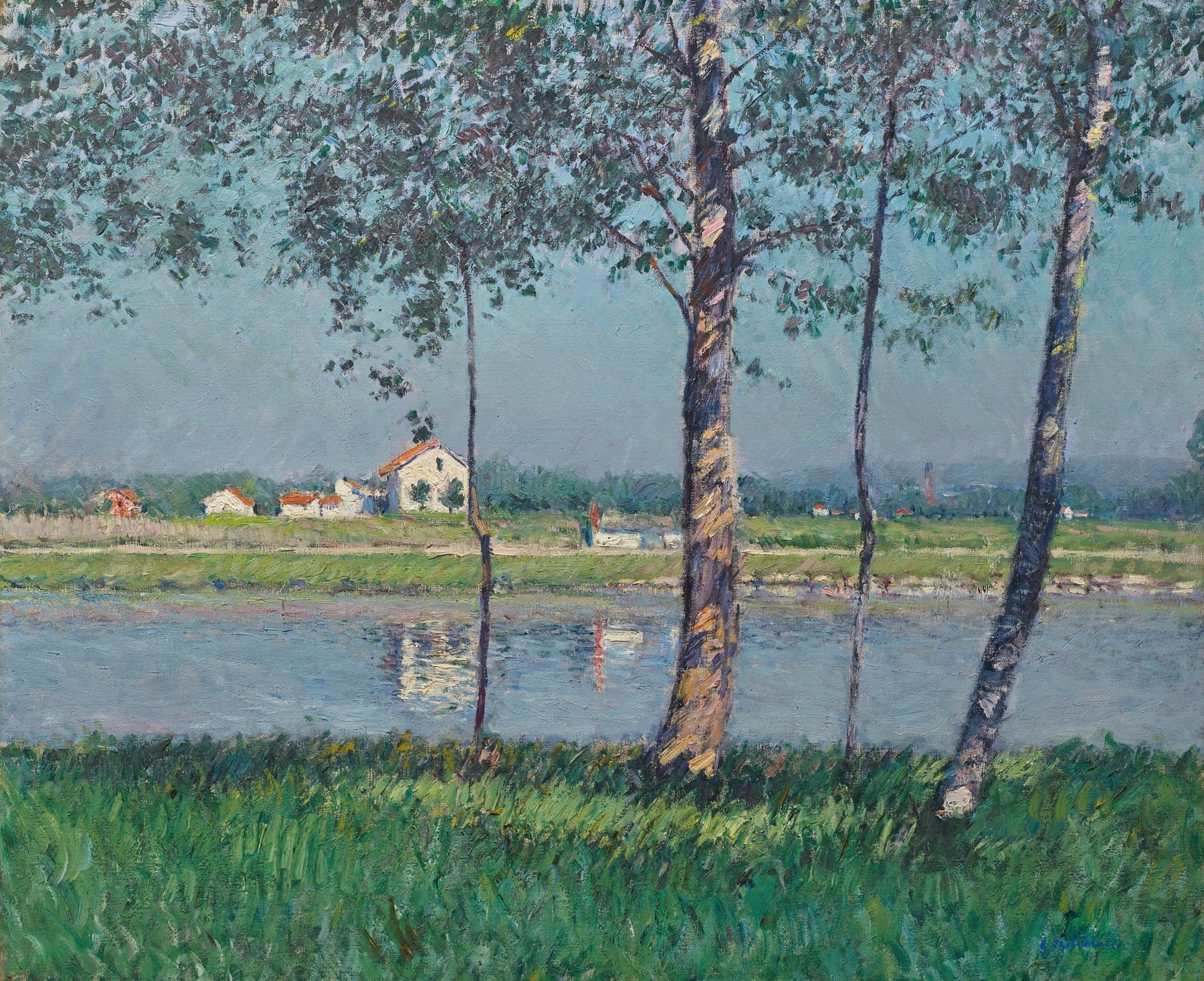
Could beauty survive in a century of chaos? Gustave Caillebotte's Maisons À Argenteuil offers a poignant reflection on the remnants of tranquility amidst the growing tumult of modernity. Look to the right at the quaint, whitewashed houses that stand resolutely against the blue sky. Notice how the light bathes the rooftops in a warm glow, casting gentle shadows that elongate along the cobblestone path. The brushstrokes create a lively texture, inviting you to trace the outlines of the architecture which embodies a fierce yet delicate resilience.
The soft greens of the grass contrast starkly with the structured forms of the houses, showcasing an interplay between nature and human habitation. Yet beneath this serene facade lies an emotional tension. The painting encapsulates a moment frozen in time, perhaps a nod to the quiet before the inevitable transformations wrought by industrialization. The stillness of the scene hints at a deeper loss—the encroachment of modern life threatening the charm of these humble abodes.
Each brushstroke appears to mourn the passing of an era while simultaneously celebrating the beauty found in its remnants. Caillebotte painted Maisons À Argenteuil in 1883 during a time of great change in France, as the Impressionist movement was gaining momentum. He was deeply entrenched in the art world, frequently associated with his fellow Impressionists, yet he maintained a unique style that merged realism with innovative techniques. This work reflects both his personal affinity for suburban landscape and the broader socio-cultural shifts of his time, capturing a fleeting moment of beauty against the backdrop of a rapidly evolving society.