Male nude — History & Analysis
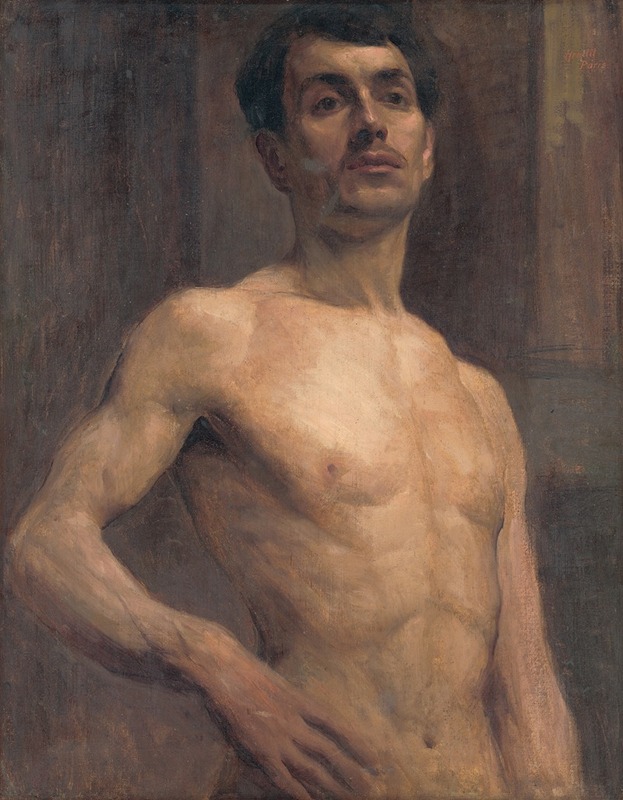
Did the painter know this moment would outlive them? In the stillness of a studio, a male figure stands poised, caught in a delicate balance of light and shadow, his form almost ethereal against the backdrop of muted tones. Each muscle defined, each contour illuminated and obscured, the painting invites an exploration of vulnerability and strength, confronting the viewer with the timeless nature of the human body. Look to the right at the subtle play of light cascading over the figure’s shoulder, creating an interplay of warmth and coolness that enhances the realism of the skin.
Notice how the shadows deepen around the torso, lending an air of mystery to the composition. The artist’s brush strokes are deliberate yet fluid, capturing both the physicality of the subject and the emotional weight that comes with exposure—both through nudity and artistic expression. As you delve deeper, observe the contrast between the illuminated flesh and the darker background, suggesting a duality between presence and absence. The tension between light and shadow speaks of a deeper narrative—perhaps an exploration of identity, the celebration of the human form, or the artist’s own quest for recognition in a world that often shuns vulnerability.
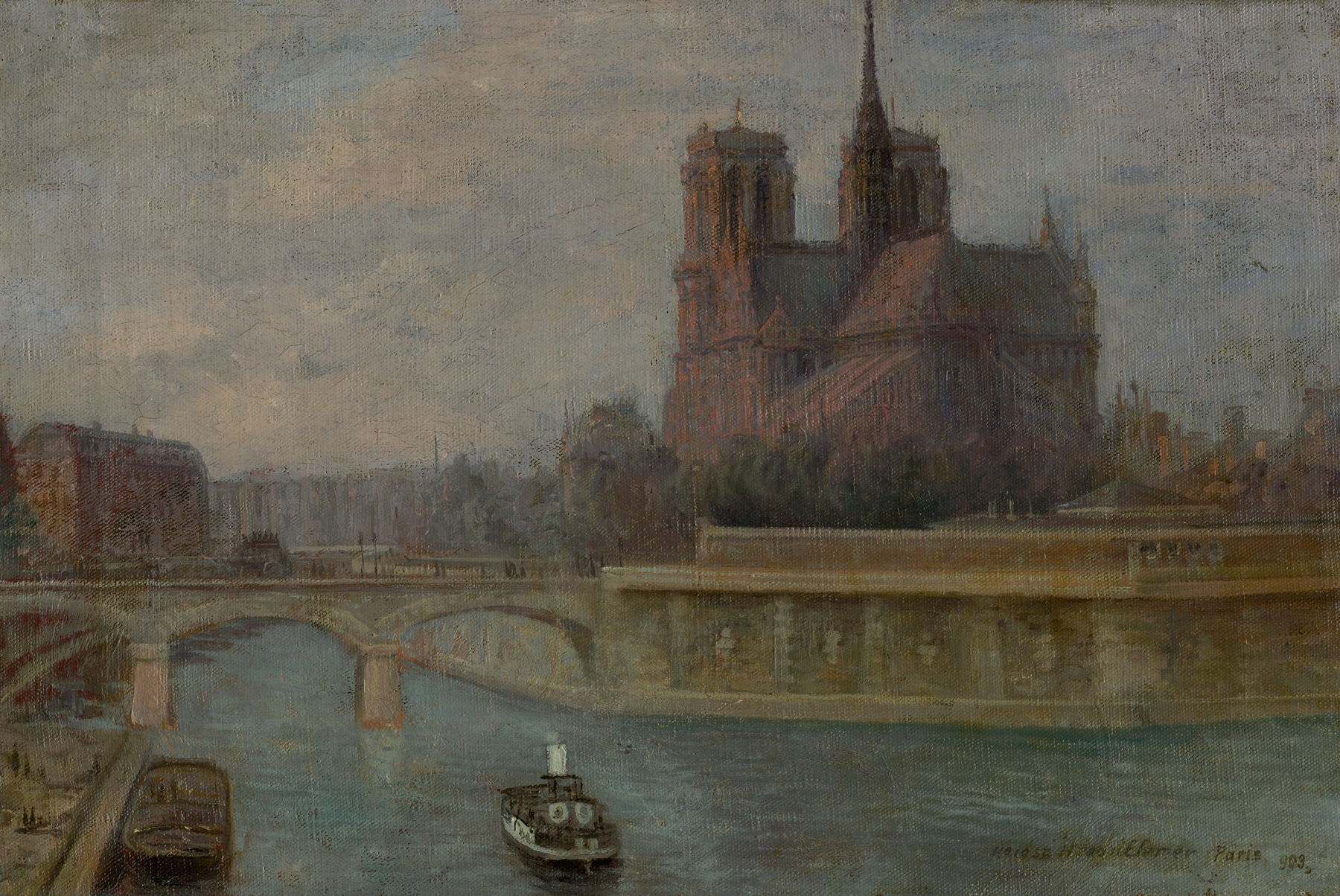
The subtle curvature of the body evokes both admiration and intimacy, inviting viewers to reflect on their own perceptions of beauty and strength. In 1903, while this piece emerged from the artist's hand, Halász-Hradil was navigating the complexities of modernist thought, striving to carve a niche within a rapidly evolving art landscape. Living in the aftermath of the turn of the century, he was influenced by emerging ideas about sexuality and the body, mirroring broader societal changes. In this era of experimentation, the painting stands as a testament to his exploration of form and identity—a reflection of the artistic ambitions that would linger long after his time.