Malham Cove — History & Analysis
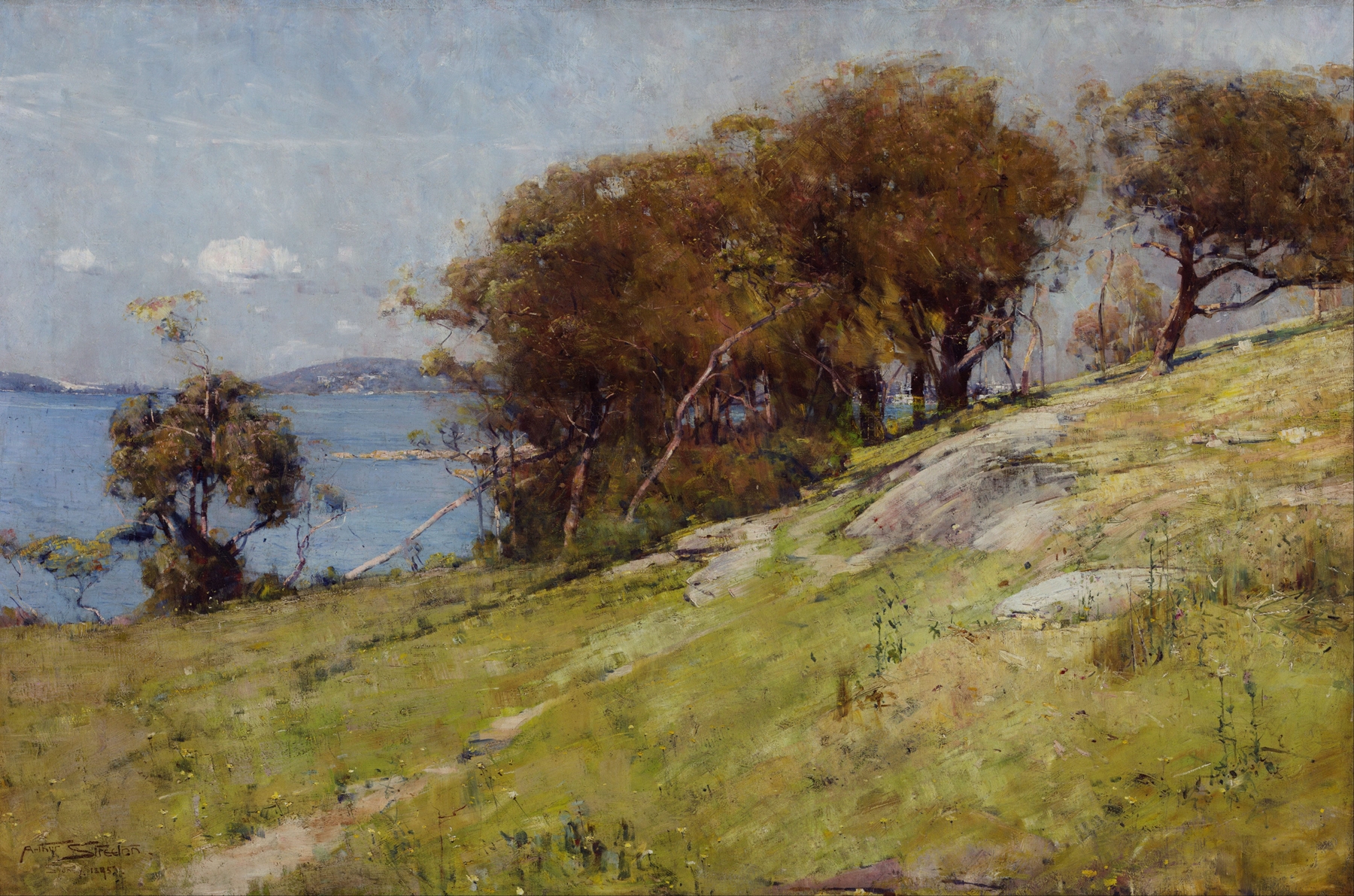
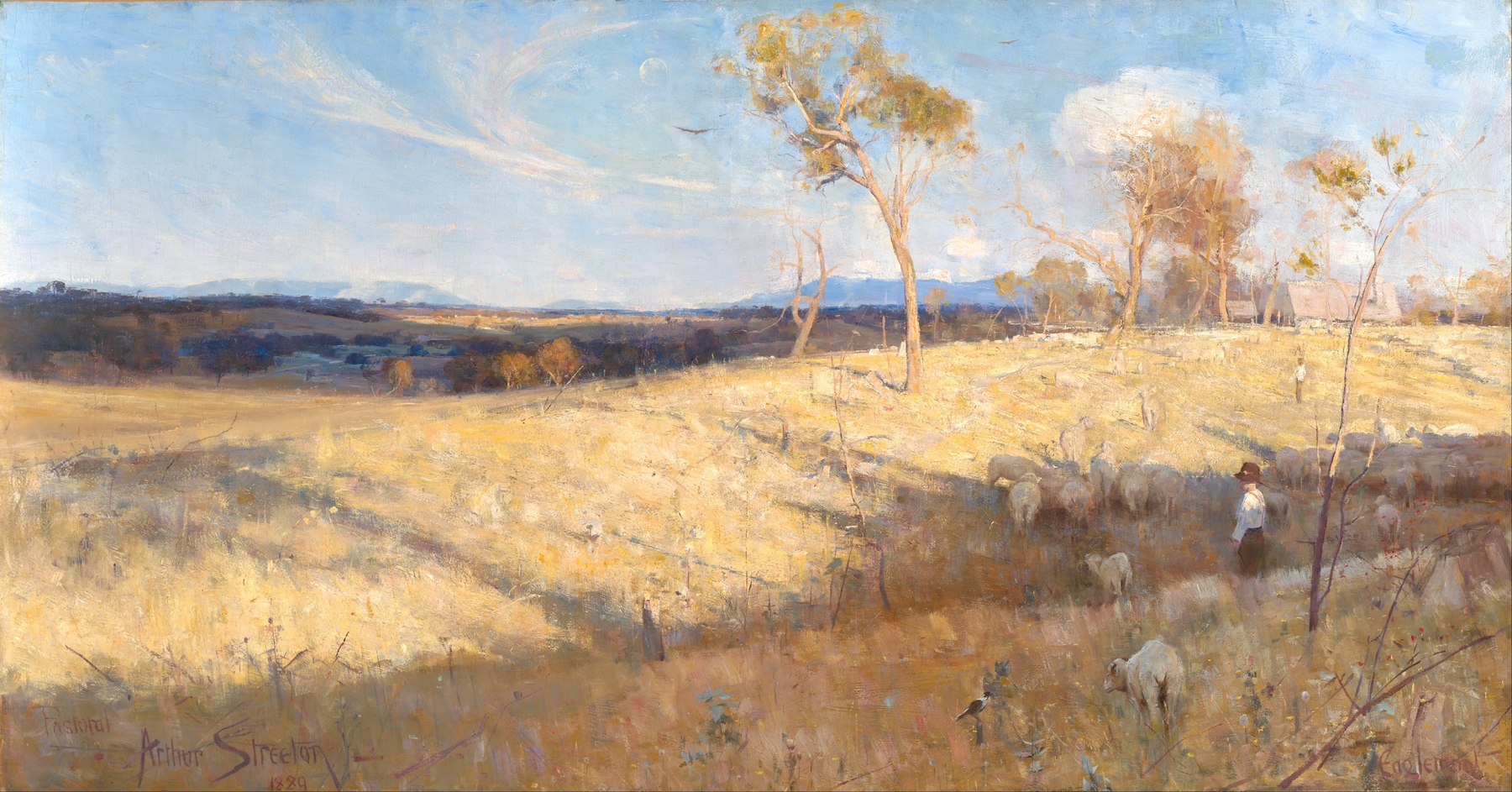
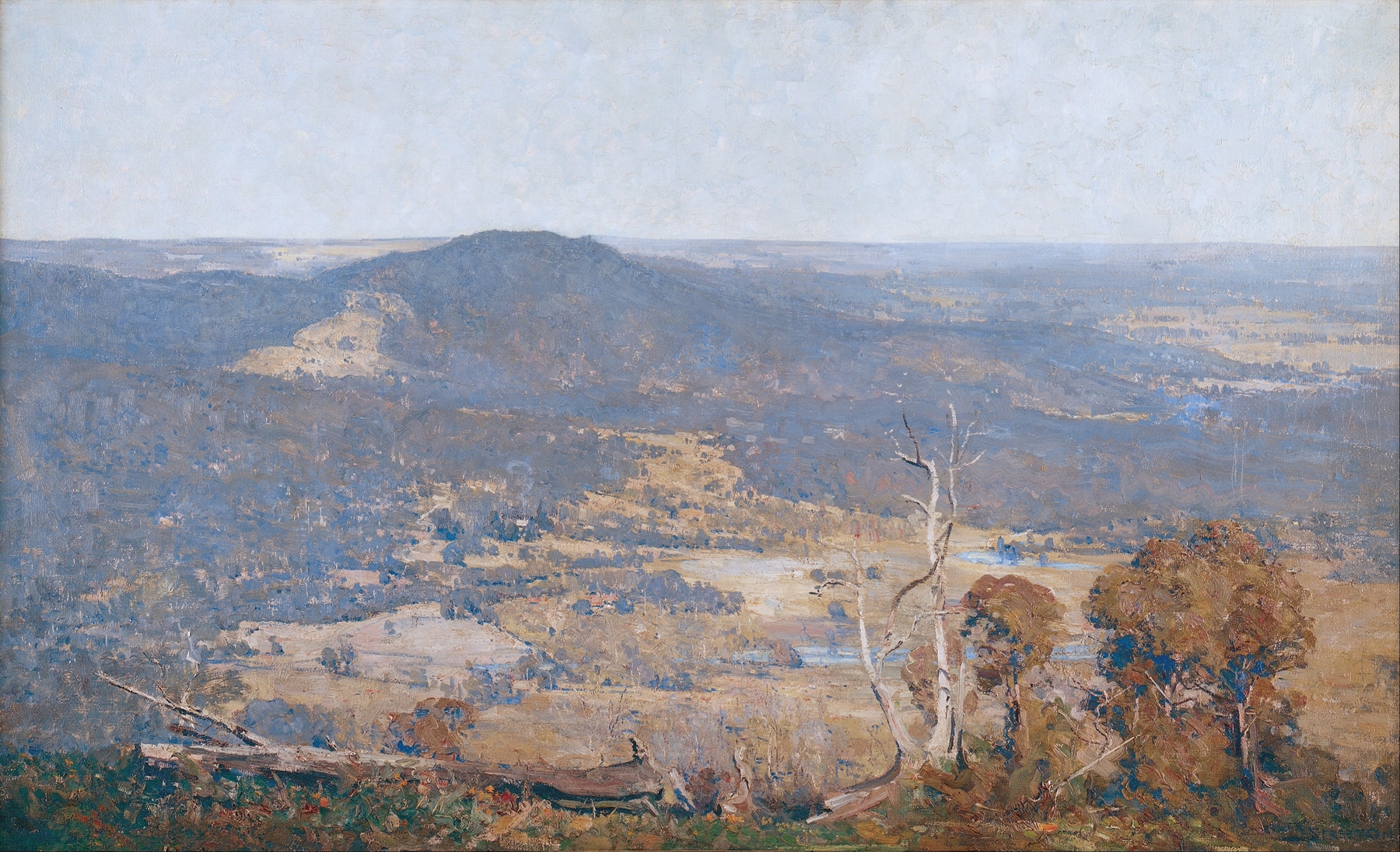
Can paint confess what words never could? The vastness of the landscape before you whispers secrets of longing and solitude, inviting you to explore desires hidden beneath the surface. Look to the horizon where the dramatic limestone cliffs of Malham Cove rise majestically, bathed in the warm embrace of the late afternoon sun. Notice how the light dances across the textured surfaces, illuminating the rich hues of ochre and green.
The composition draws your eye along the winding path that meanders through the foreground, beckoning you into the depths of the scene, urging you to connect with its natural beauty. Within the sweeping forms and colors lies a poignant contrast between the strength of the land and the ephemeral nature of human emotion. The rugged cliffs symbolize stability, yet their very essence stirs a yearning for exploration and adventure. Hidden among the verdant patches, the delicate brushwork captures fleeting moments—perhaps the rustle of leaves in the breeze or the distant echo of a lone bird's call—that evoke an unsettling sense of nostalgia and desire for connection with something greater.
Arthur Streeton created this work in 1911 while in England, reflecting a time of artistic exploration in the Impressionist movement. Having settled there after his return from Australia, he sought inspiration in the English countryside, drawing upon the interplay of light and atmosphere in his surroundings. At this point in his career, Streeton was deeply influenced by his earlier experiences, striving to convey both the physicality of the landscape and the emotional resonance it stirred within him.