Man Warping — History & Analysis
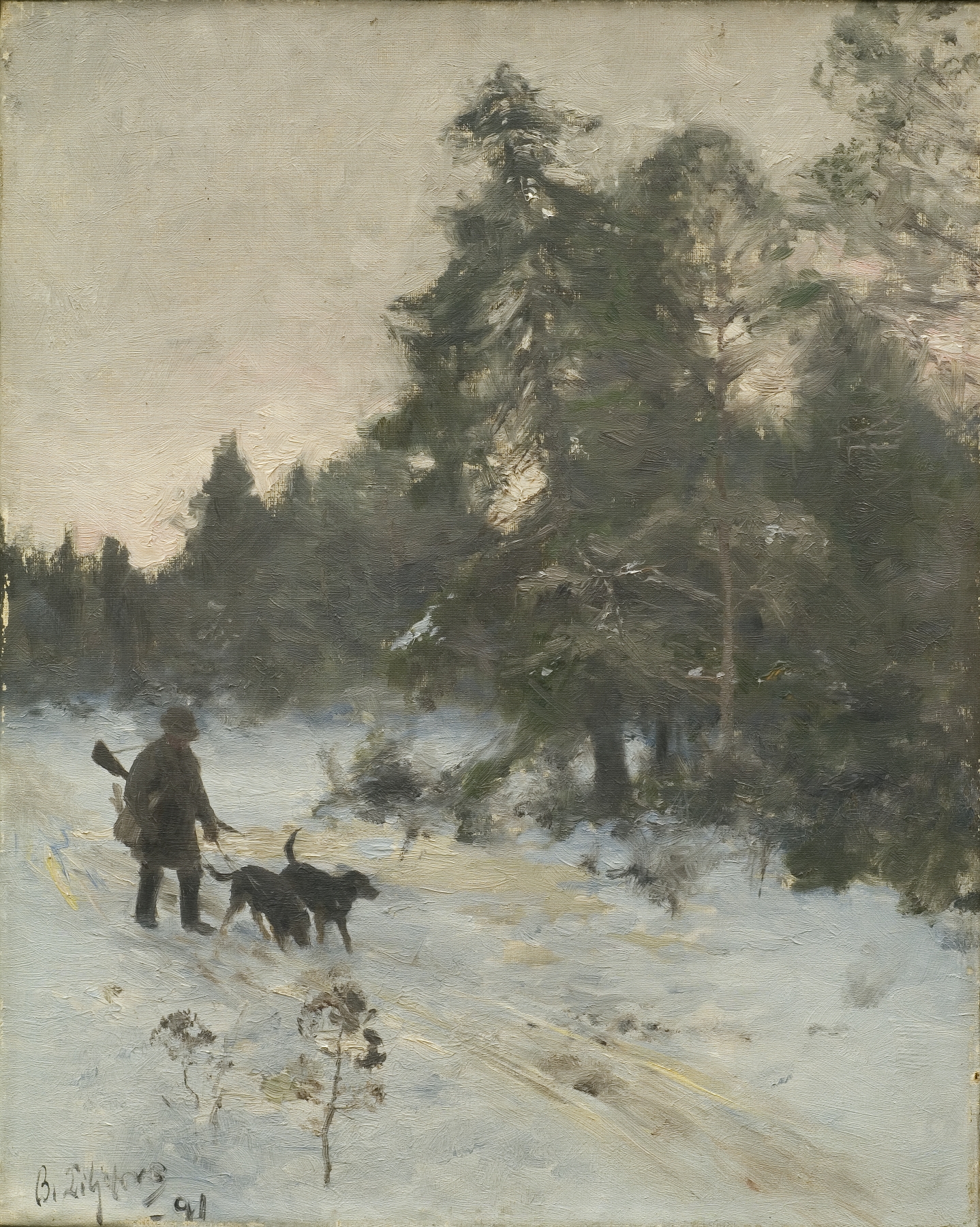
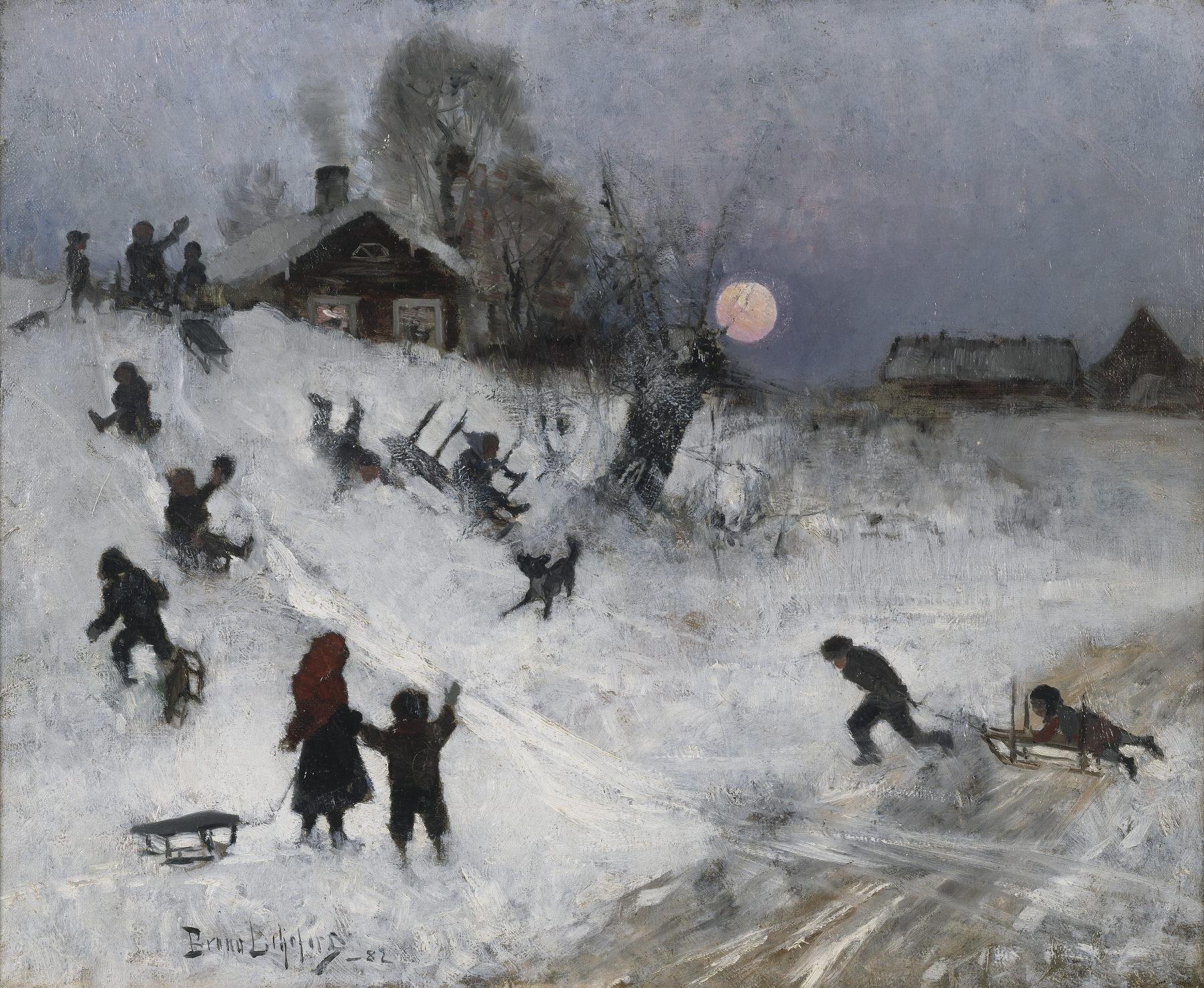
What if beauty was never meant to be finished? In Man Warping, the impermanence of nature's artistry invites contemplation on legacy and the fleeting moments we strive to capture. Focus first on the dynamic figure at the center, an embodiment of movement and strength. The artist employs a rich palette of earthy tones, from the warm ochres to deep greens, to evoke a sense of the wild. Notice how the brushstrokes blend seamlessly, creating a sense of motion as the figure warps into the environment, blurring the lines between man and nature.
The play of light highlights the contours of the body, emphasizing its muscularity while the background remains soft and fluid, suggesting the ever-changing landscape of life itself. Delve deeper into the emotional undercurrents present in the composition. The figure's stance, poised yet almost dissolving, evokes the tension between humanity and the natural world, hinting at our struggle to impose permanence on an inherently transient existence. The surrounding foliage, while lush, seems to retreat, reinforcing the notion that beauty thrived before the intervention of man.
Each element appears to whisper of a legacy not fully realized, a reminder that our creations can often feel incomplete. Bruno Liljefors painted Man Warping in 1888, a period when he was deeply engaged with naturalism and the interplay of light in landscapes. Living in Sweden, he was influenced by the changing perspectives on nature and wildlife in art, as movements like Impressionism began to redefine artistic expression. This painting reflects his commitment to capturing the essence of his subjects, blending realism with a sense of the ephemeral.