Waardin en gezelschap in herberg — History & Analysis
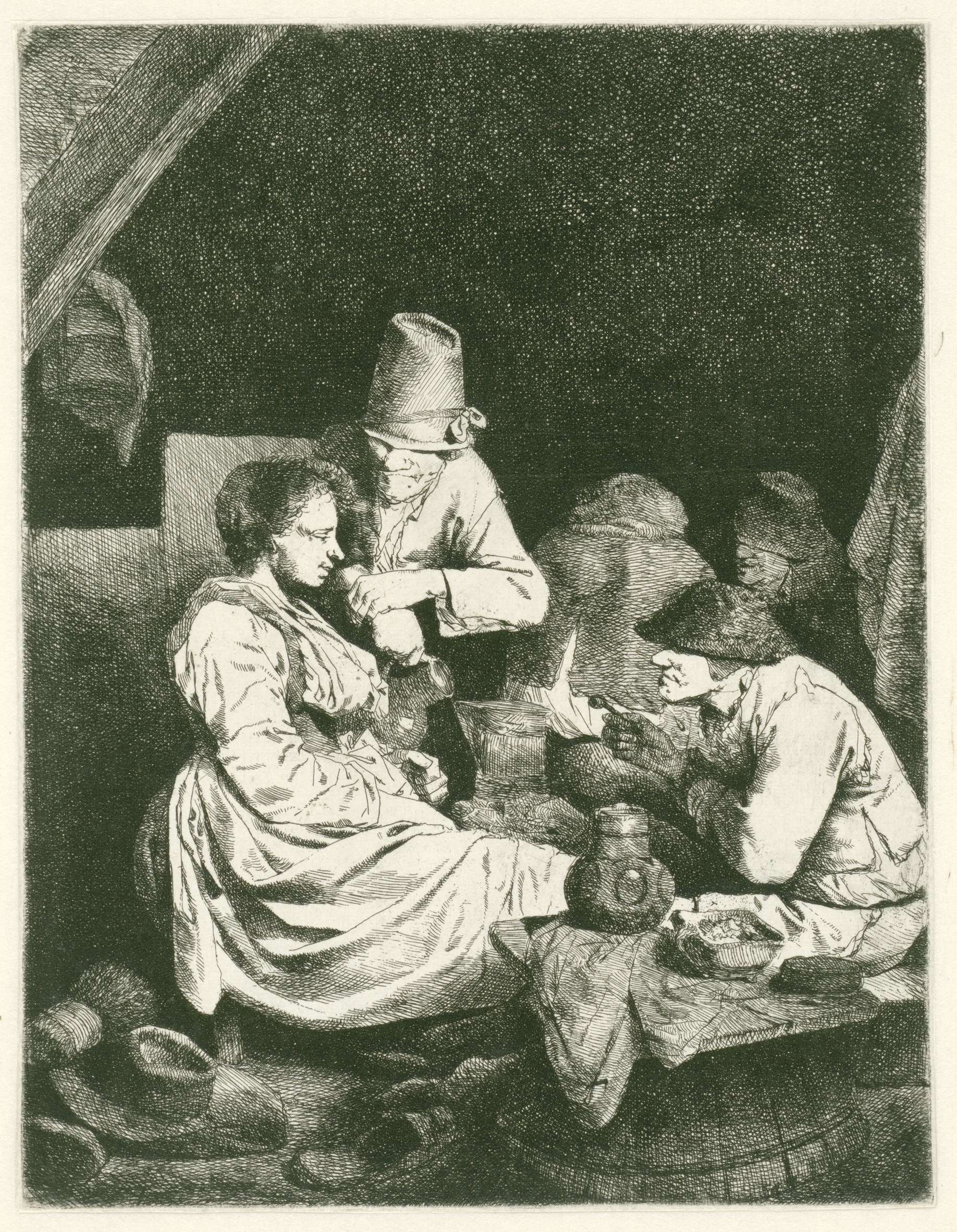
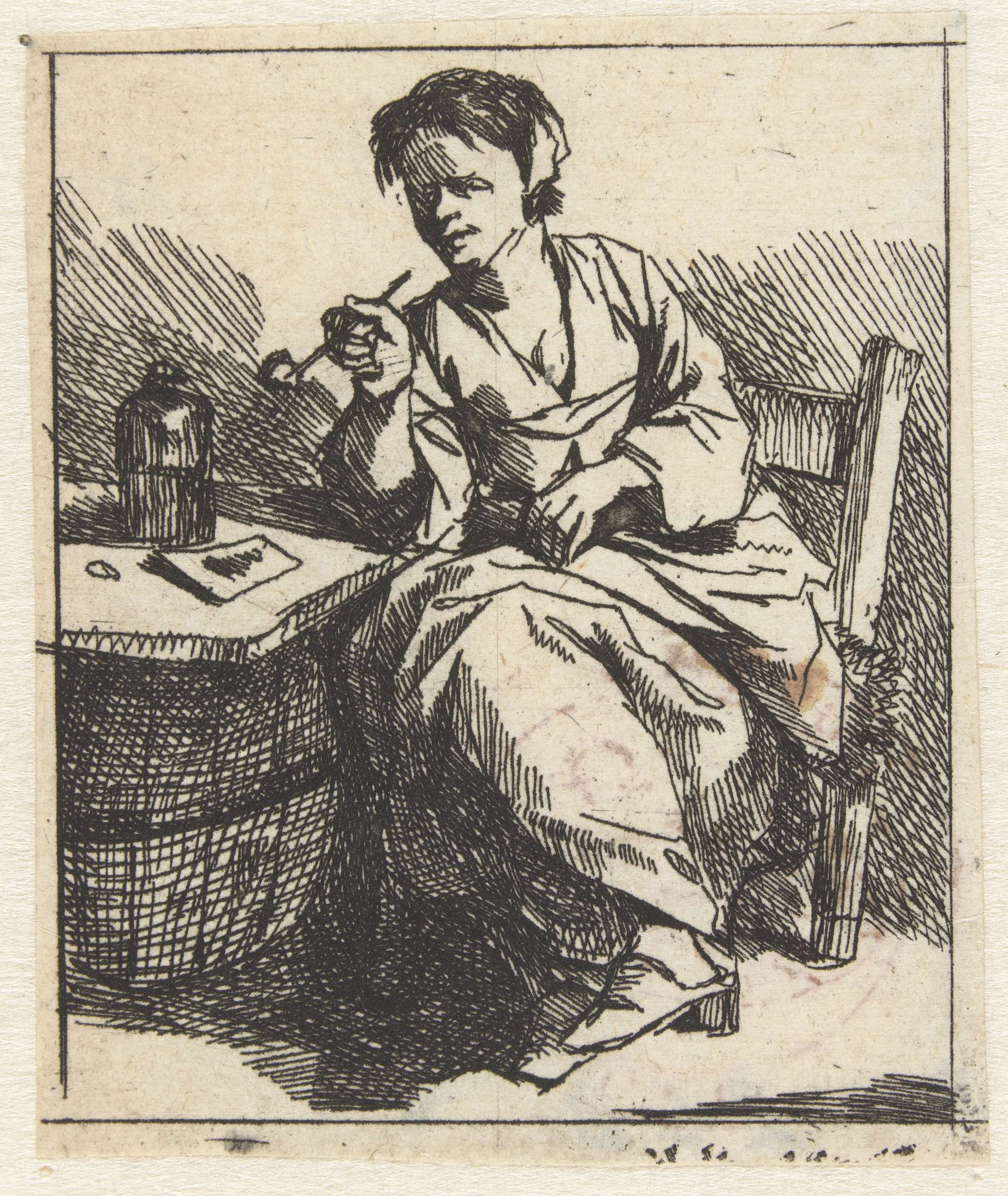
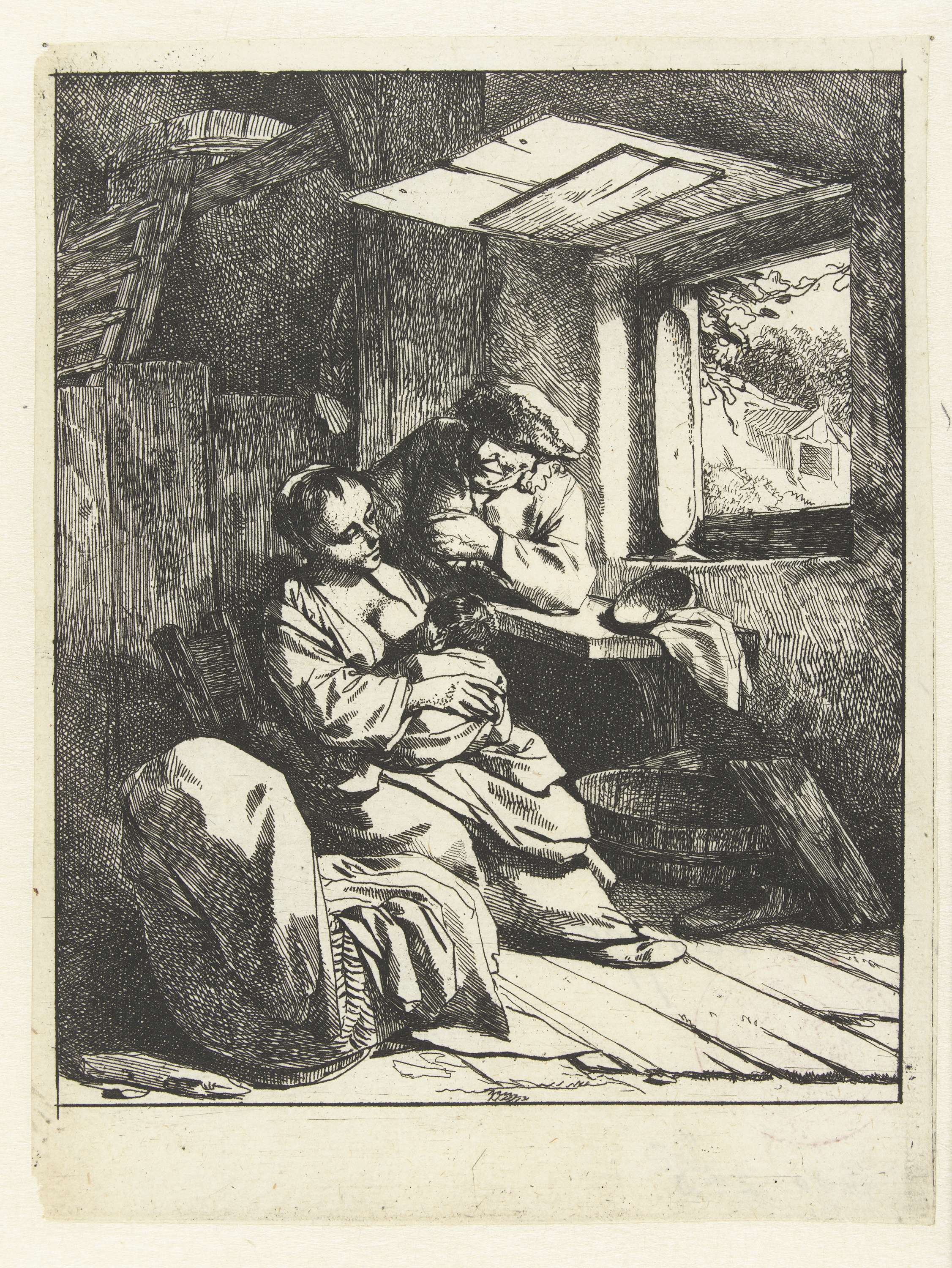
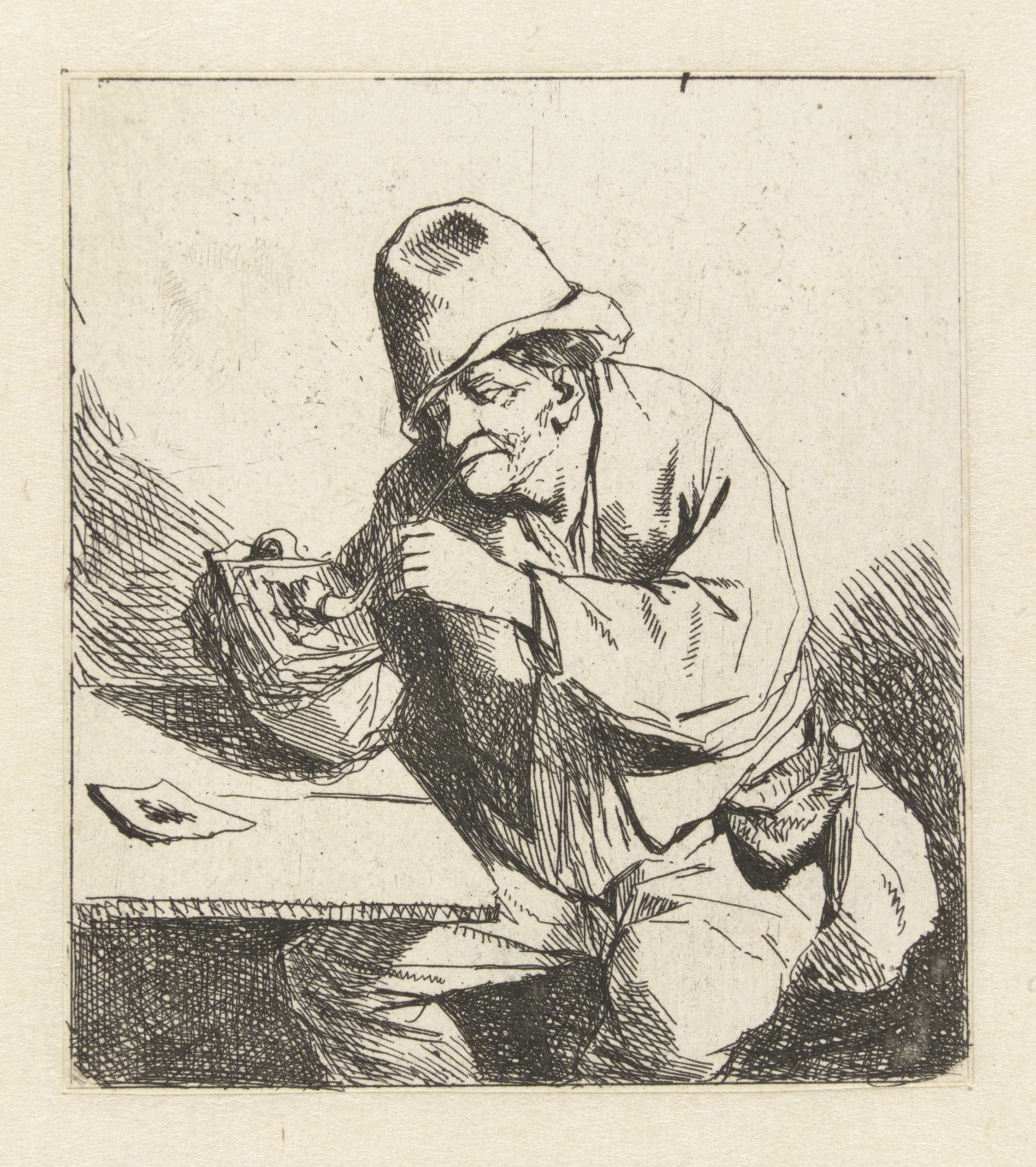
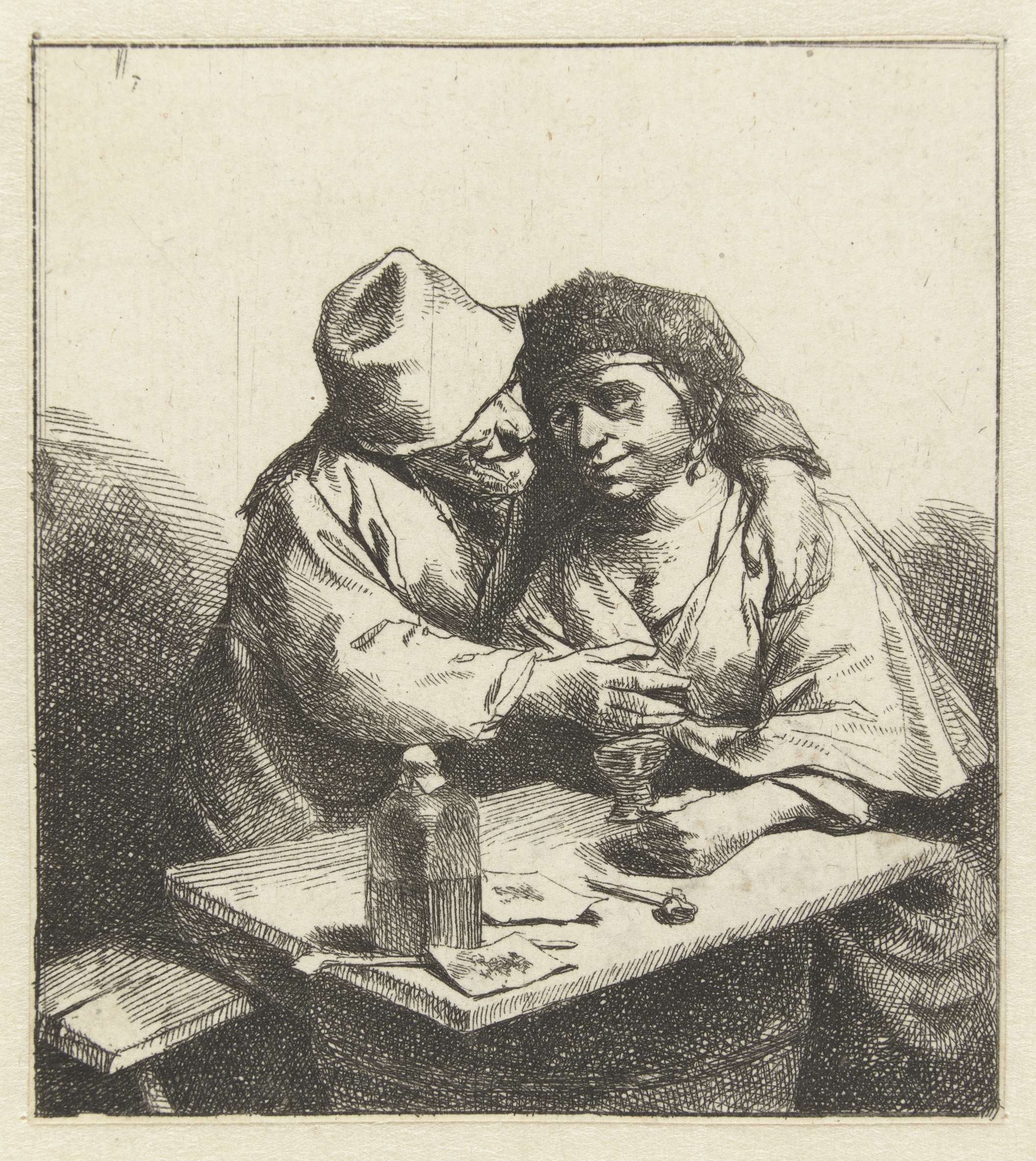
“Between color and silence, truth hides.” In the muted corners of a tavern, loss lingers like the last notes of a forgotten song. Shadows weave through warmly lit faces, and laughter mingles with whispered secrets, creating a tender yet palpable tension that fills the air. Look to the left of the composition, where the soft glow of candlelight highlights a solitary figure, an embodiment of contemplation amid the joviality. Notice how the artist employs a palette of earthy tones, grounding the scene in reality while allowing fleeting moments of brightness to disrupt the somber mood.
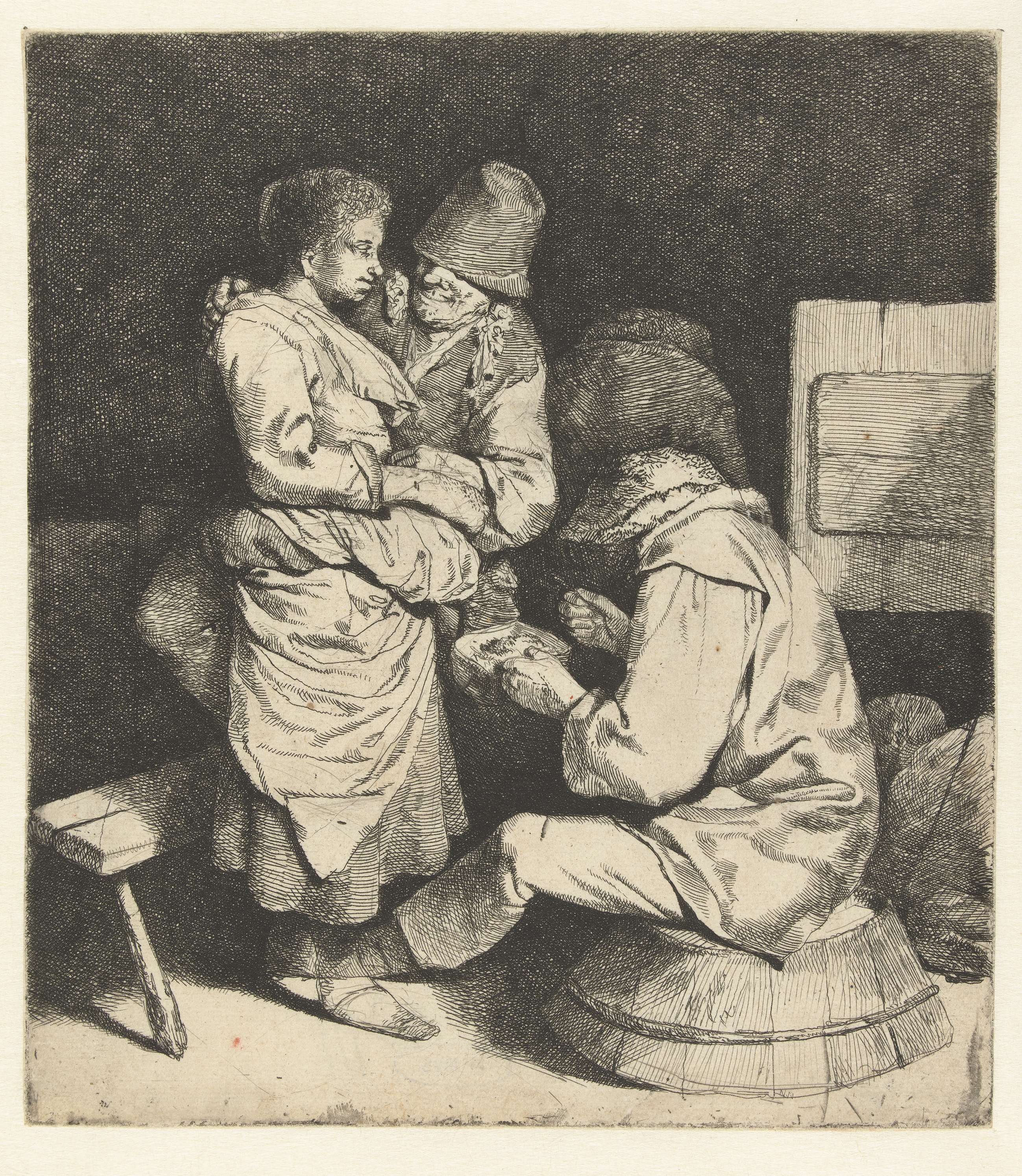
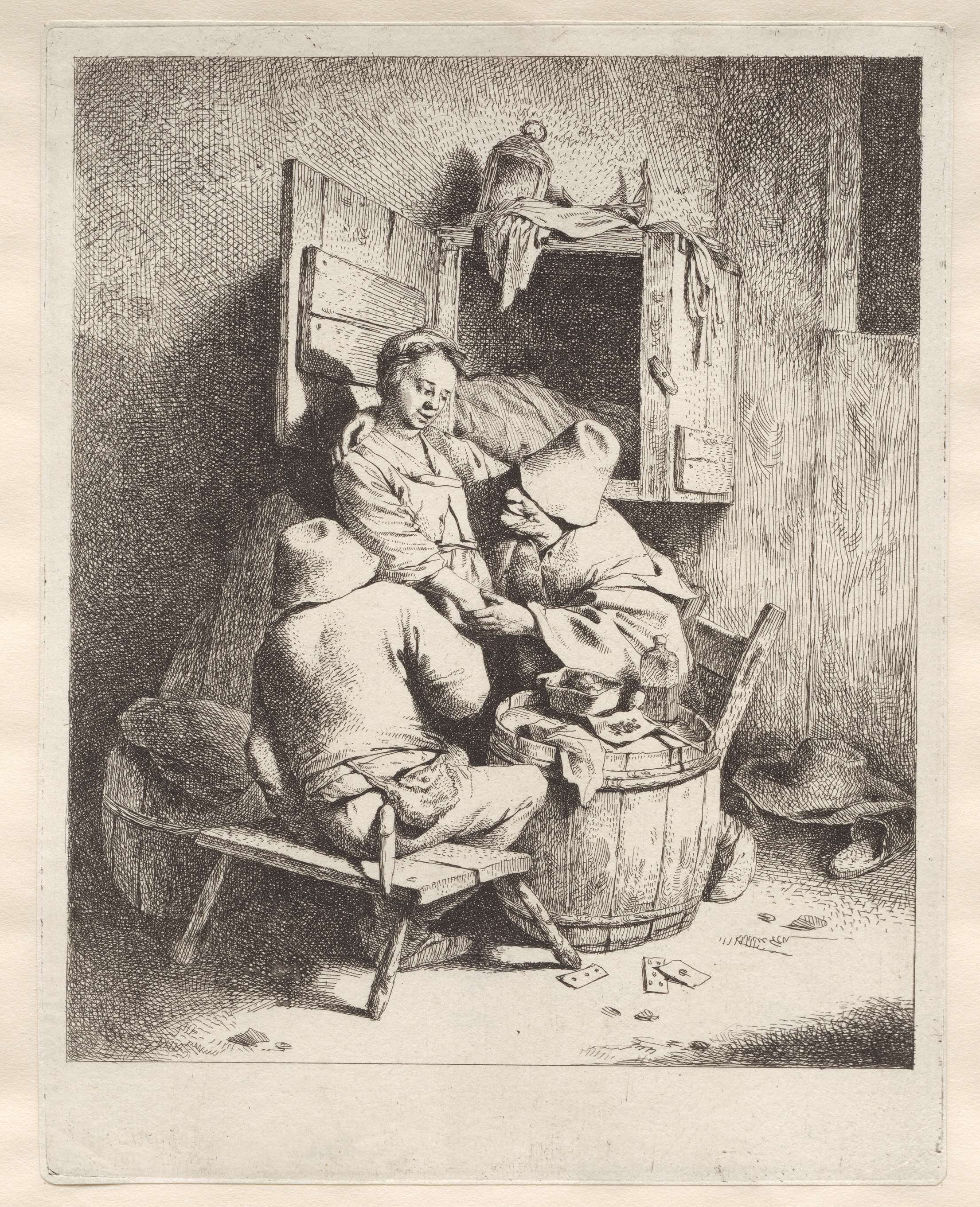
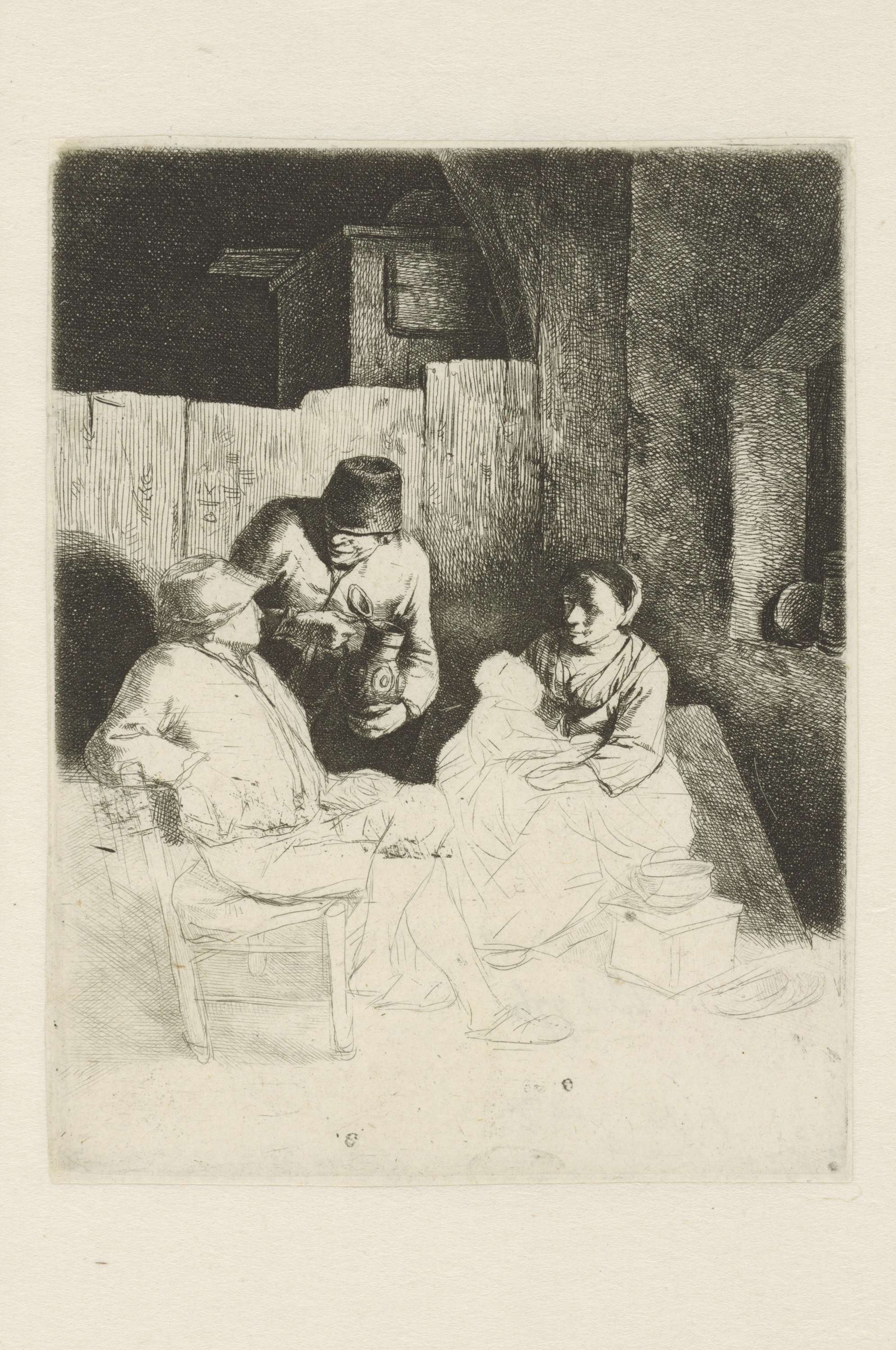
The careful arrangement of figures invites you to explore their interactions; each gesture tells a story, revealing layers of emotion and connection. Bega captures the contrast between celebration and sorrow, as seen in the way one figure gazes longingly into their cup, perhaps reminiscing about a love lost or a dream deferred. The array of characters signifies a tapestry of life experiences, their faces a mosaic of joy and melancholy. Each expression speaks volumes, suggesting that beneath the surface of revelry lies a shared understanding of human fragility and the inevitable pangs of memory.
Cornelis Pietersz. Bega painted this piece in a period marked by the Dutch Golden Age, between 1642 and 1664, a time when the art world grappled with themes of everyday life and emotional depth. He was known for his ability to capture intimate scenes, reflecting both the vibrancy and the quiet sorrows of human existence. As the world expanded with commerce and exploration, artists like Bega turned their gaze inward, revealing the intricate dance of light and shade that defines our collective humanity.