Marseille, le pont transbordeur — History & Analysis
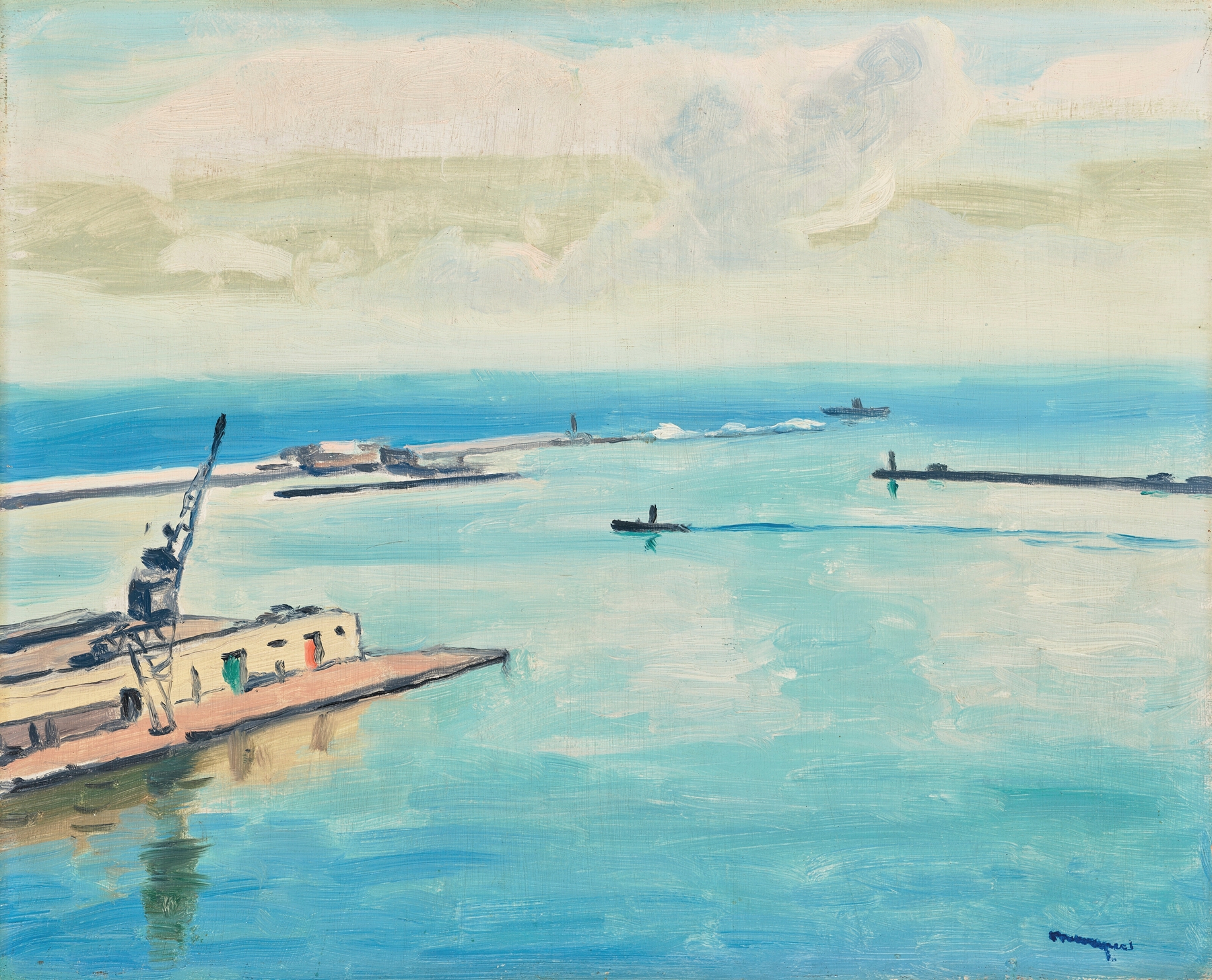
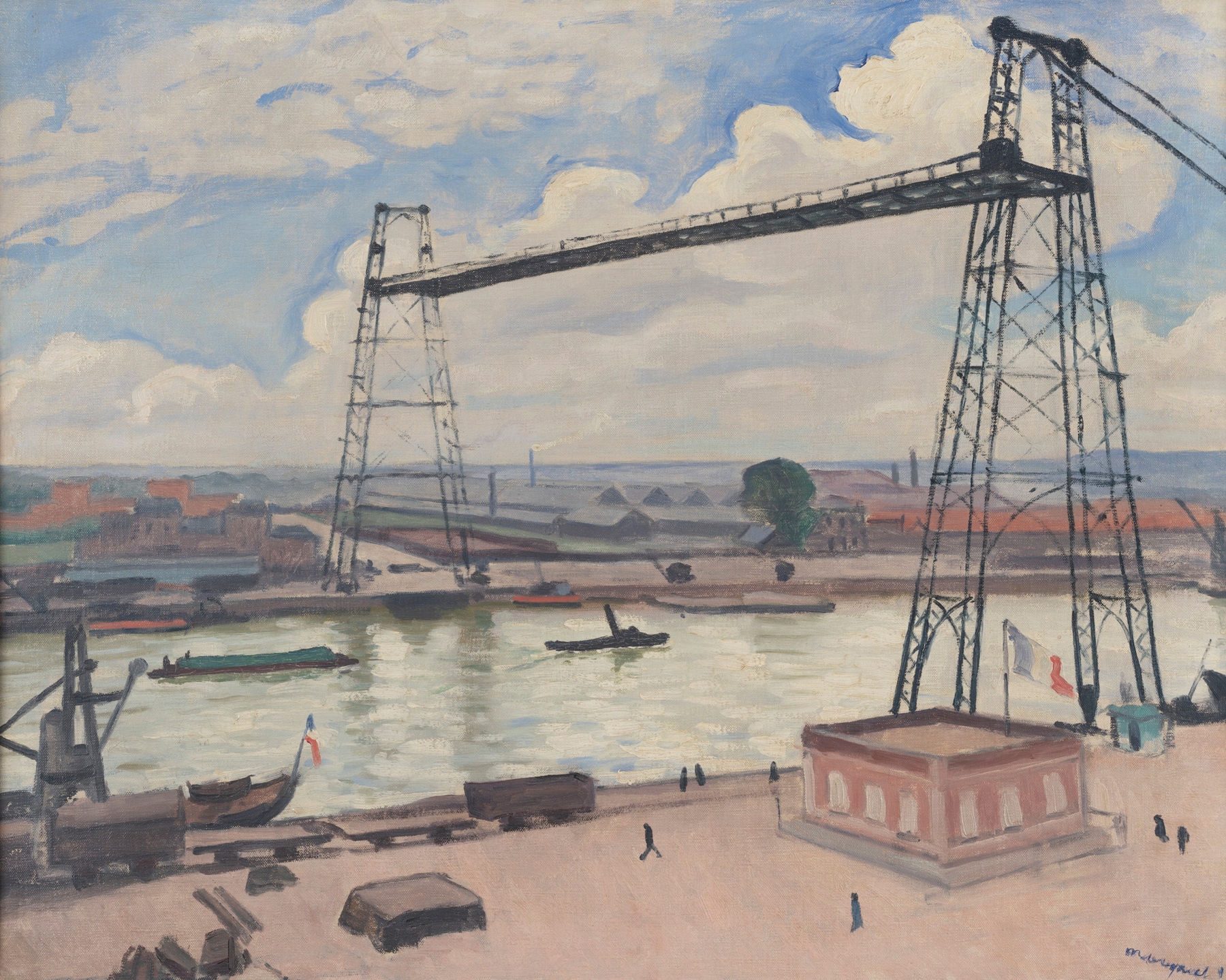
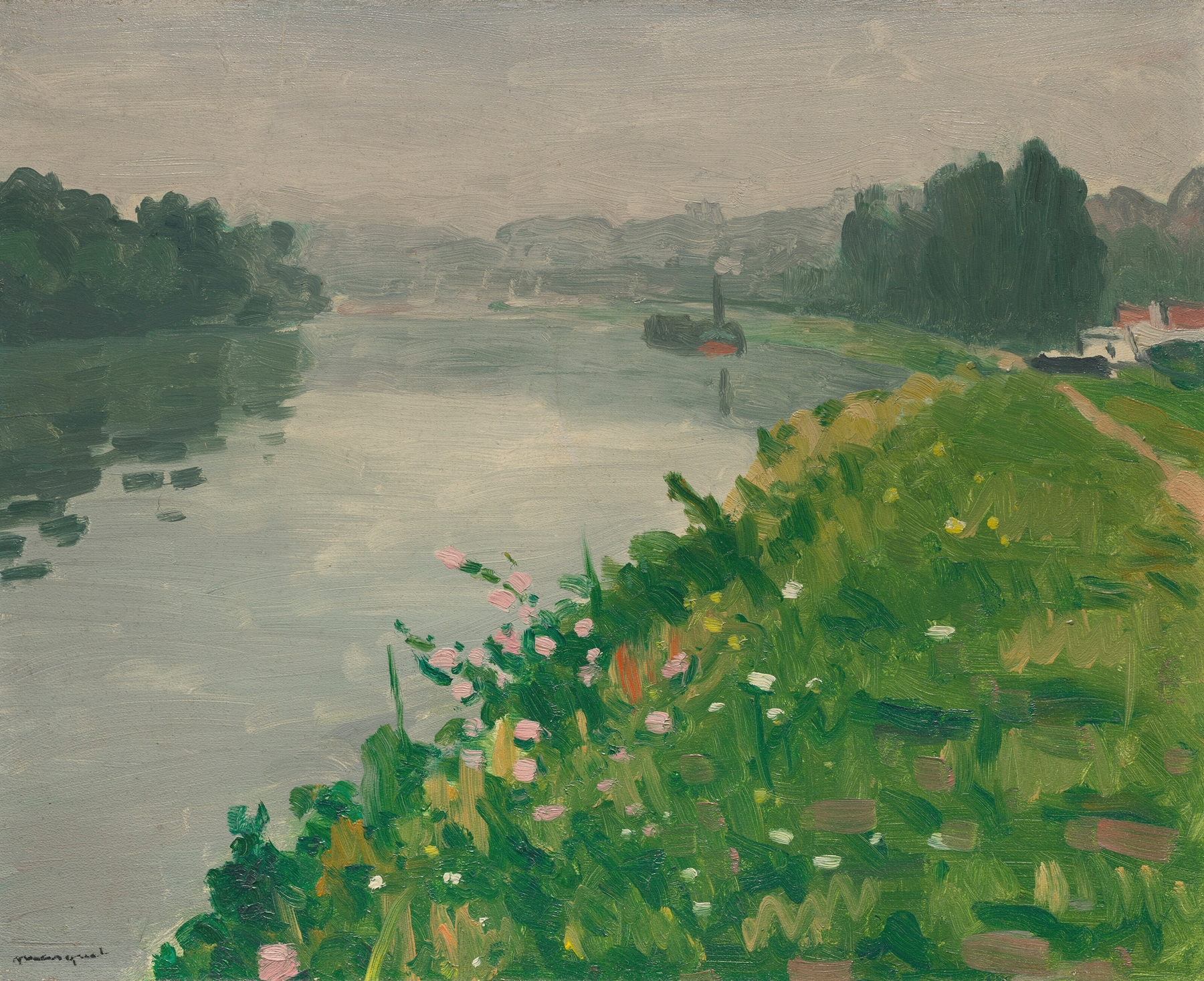
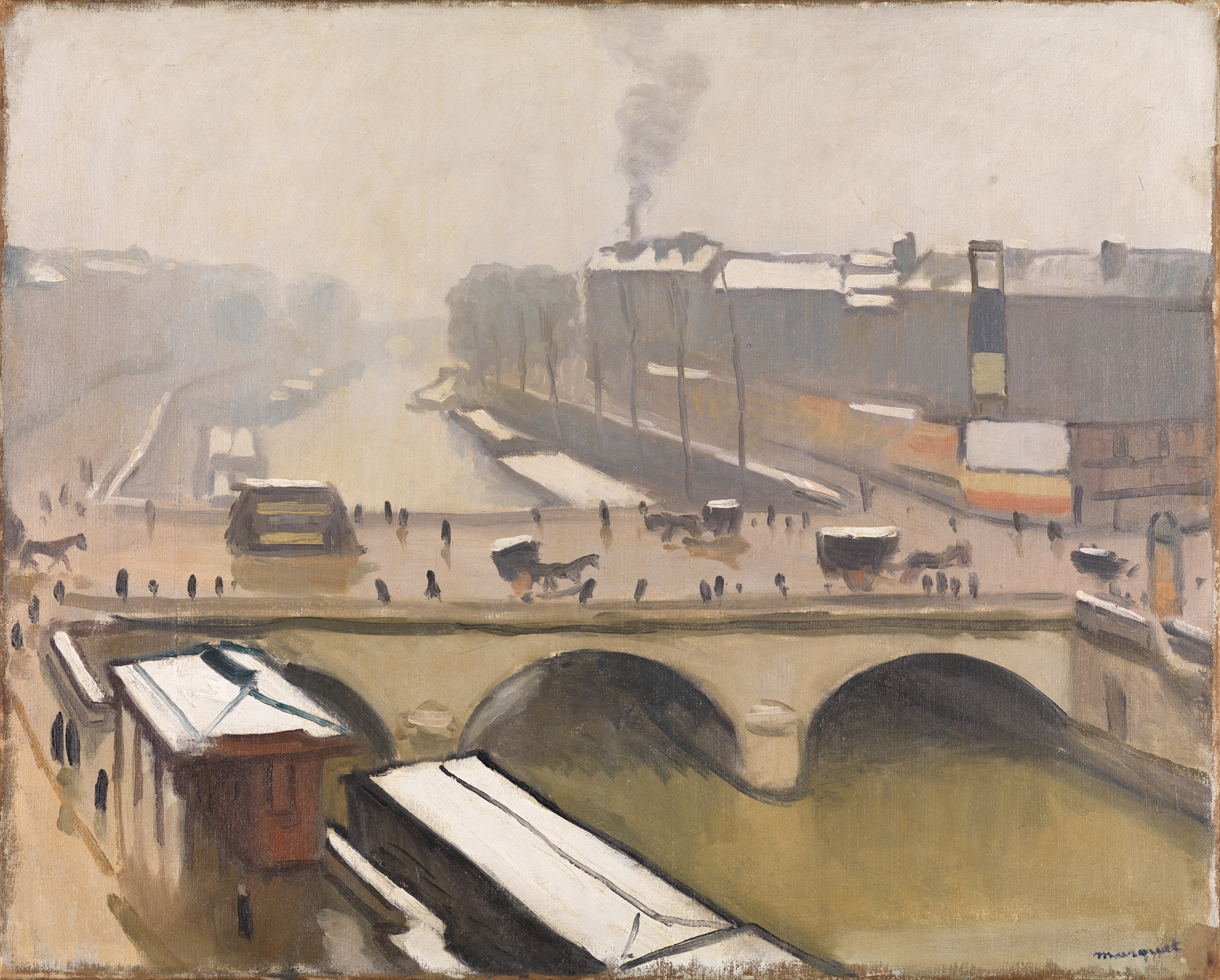
“Art reveals the soul when the world turns away.” In the act of creation, the artist reaches beyond mere observation, crafting a reflection that resonates with the viewer’s innermost emotions. Look to the vibrant hues that light up the canvas, where blues and greens dance harmoniously, depicting the striking silhouette of the transporter bridge over the port of Marseille. Notice how the brushwork feels spontaneous yet deliberate, each stroke breathing life into the bustling atmosphere. The composition draws the eye into the depth of the scene, inviting contemplation of the connection between the structure and the water below.
In this artwork, the bridge symbolizes the convergence of technology and nature, creating a tension between the industrial and the organic. The juxtaposition of soft colors against the stark lines of the bridge reflects a dialogue between man-made and natural beauty. The serene waters echo the sky’s reflections, suggesting an unspoken harmony that underlines the vitality of life in Marseille, urging viewers to ponder their own relationships with places and structures.
During the early years of the 20th century, Albert Marquet was immersed in the Fauvist movement, flourishing in the vibrant artistic atmosphere of Paris. He painted this work at a time when modernism was beginning to challenge traditional artistic conventions, and he was deeply influenced by the interplay of light and color in the landscapes around him. This period marked a significant evolution in his style, as he increasingly embraced the emotional aspects of color, capturing the essence of his surroundings in a fresh and innovative manner.