Max-Josefplatz in Munich at night — History & Analysis
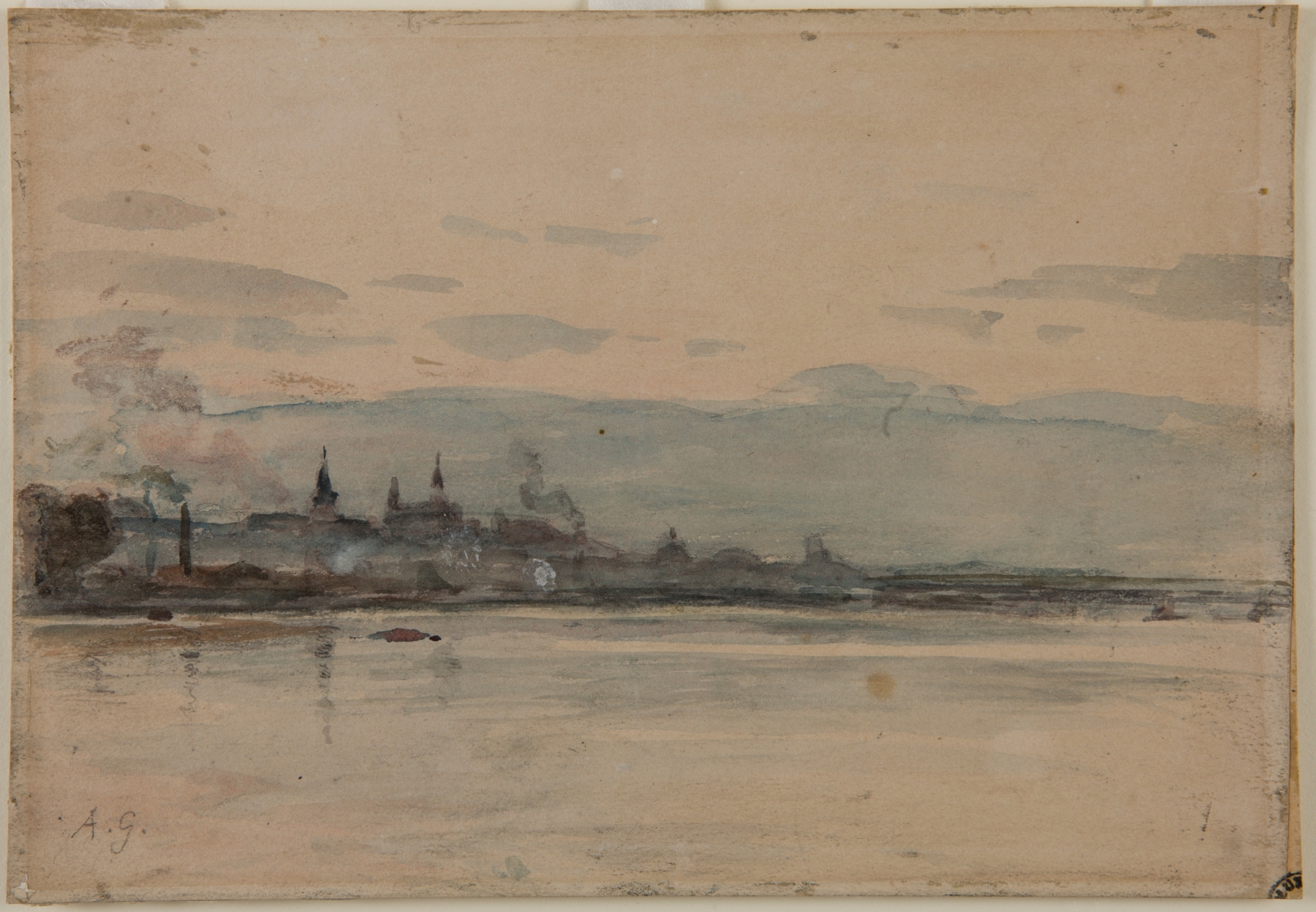
Could beauty survive in a century of chaos? In the depths of night, where shadows intermingle with the soft glow of gas lamps, one wonders if serenity could emerge amidst the turmoil of a changing world. Look to the left at the warm illumination spilling onto the cobblestones, where figures meander, their silhouettes blurred by the haze of night. The artist plays with contrasts, using deep blues and subtle ochres to create a dreamlike ambience, while the delicate touch of light seems to breathe life into the scene.
The composition draws the eye toward the striking architecture in the background, its details softened yet prominent, as if echoing the whispers of history embedded within the urban landscape. In the midst of tranquility, a sense of longing prevails. The figures, perhaps lost in thought, evoke human connection amid solitude. Their postures suggest an unspoken narrative, underscoring a dichotomy between movement and stillness.
The gas lamps, casting warm orbs of light, symbolize hope and resilience, hinting at the transcendence of beauty over the darkness that surrounds it. Creating Max-Josefplatz in Munich at night in 1890, Gierymski was influenced by the socio-political changes sweeping through Europe. A Polish painter, he sought refuge in Munich during a period marked by artistic experimentation and growing nationalism. His work reflects a blend of impressionistic techniques and emotional depth, capturing the essence of a city poised between its storied past and an uncertain future.