Mittagssonne St. Goarshausen — History & Analysis
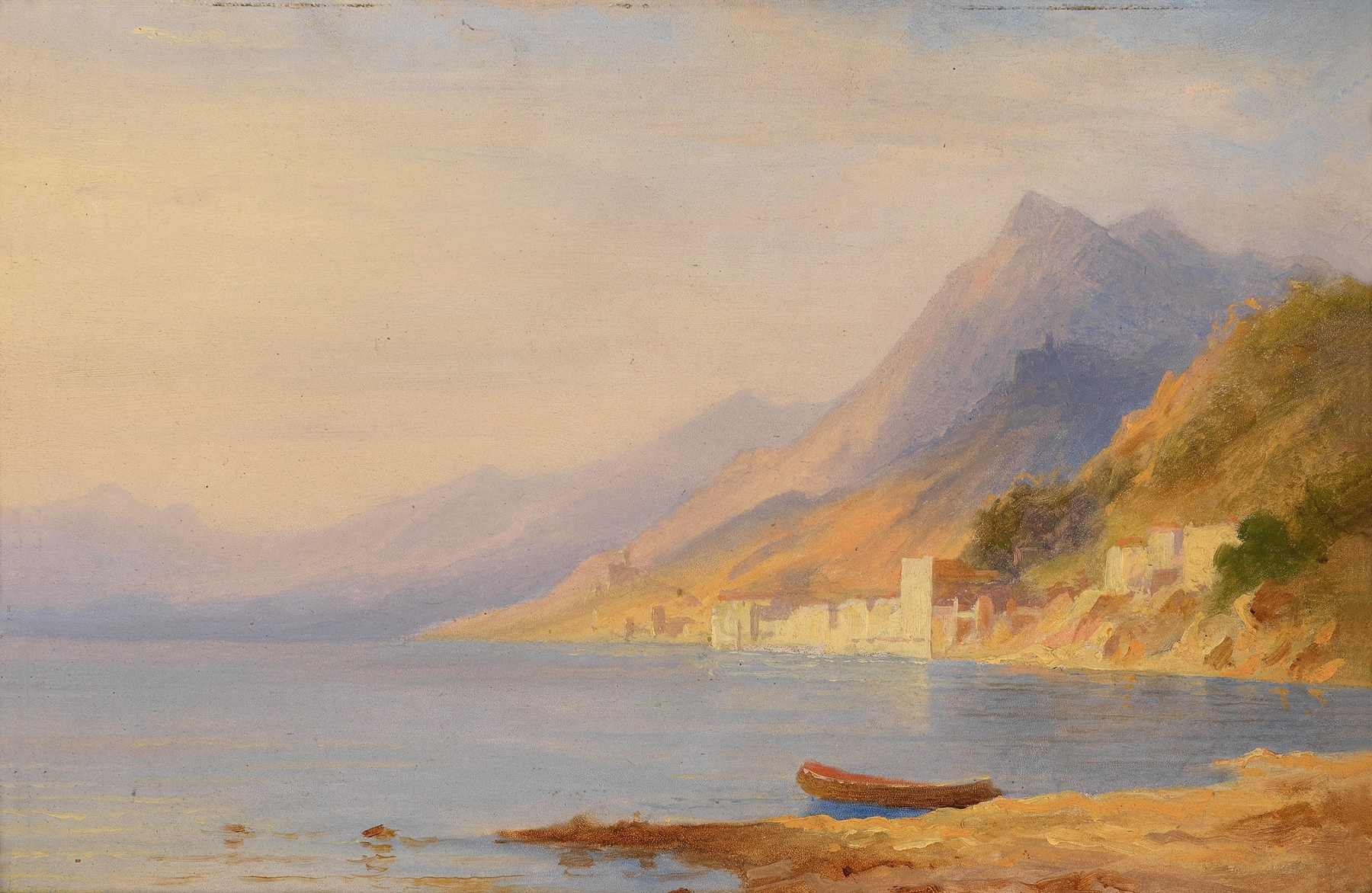
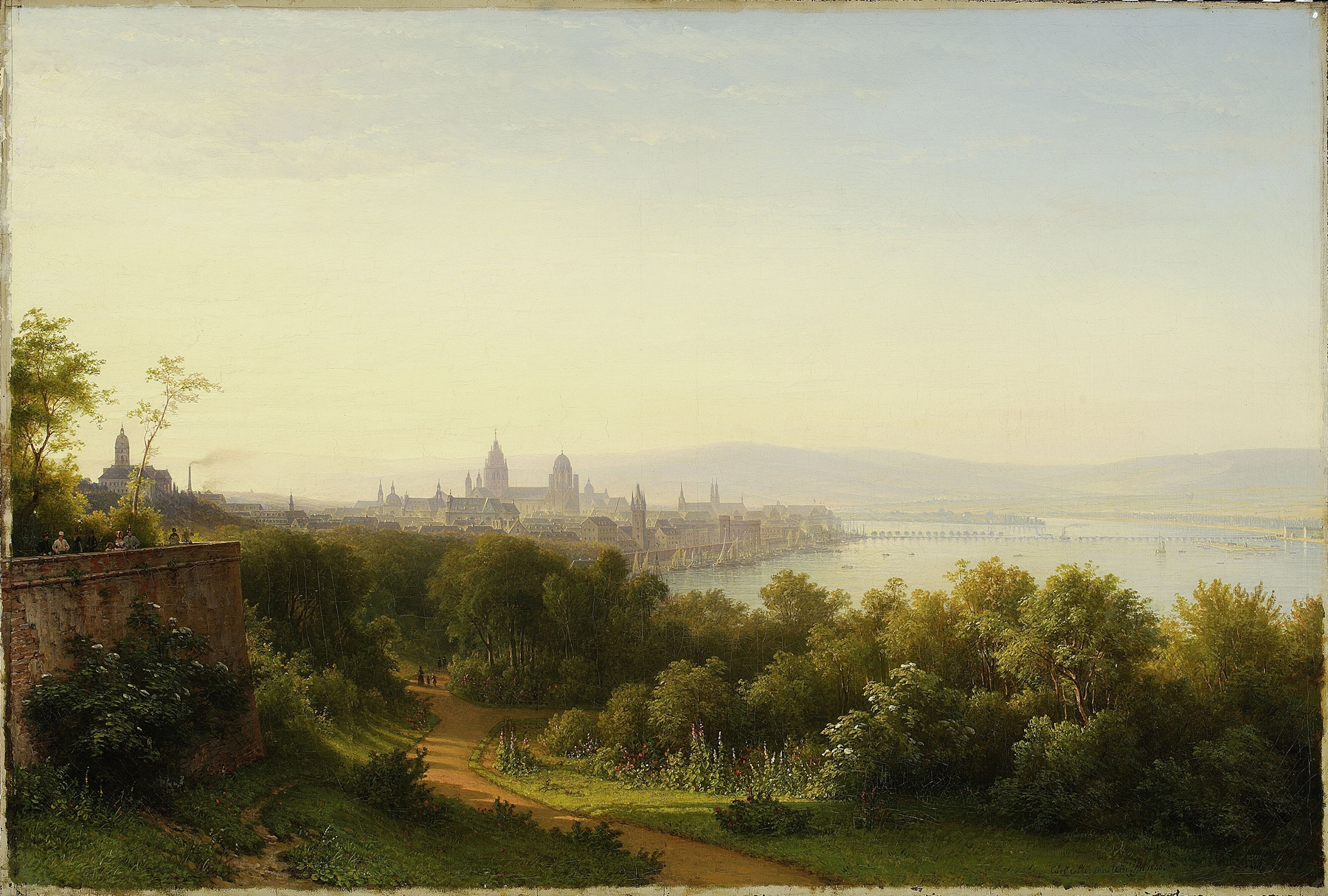
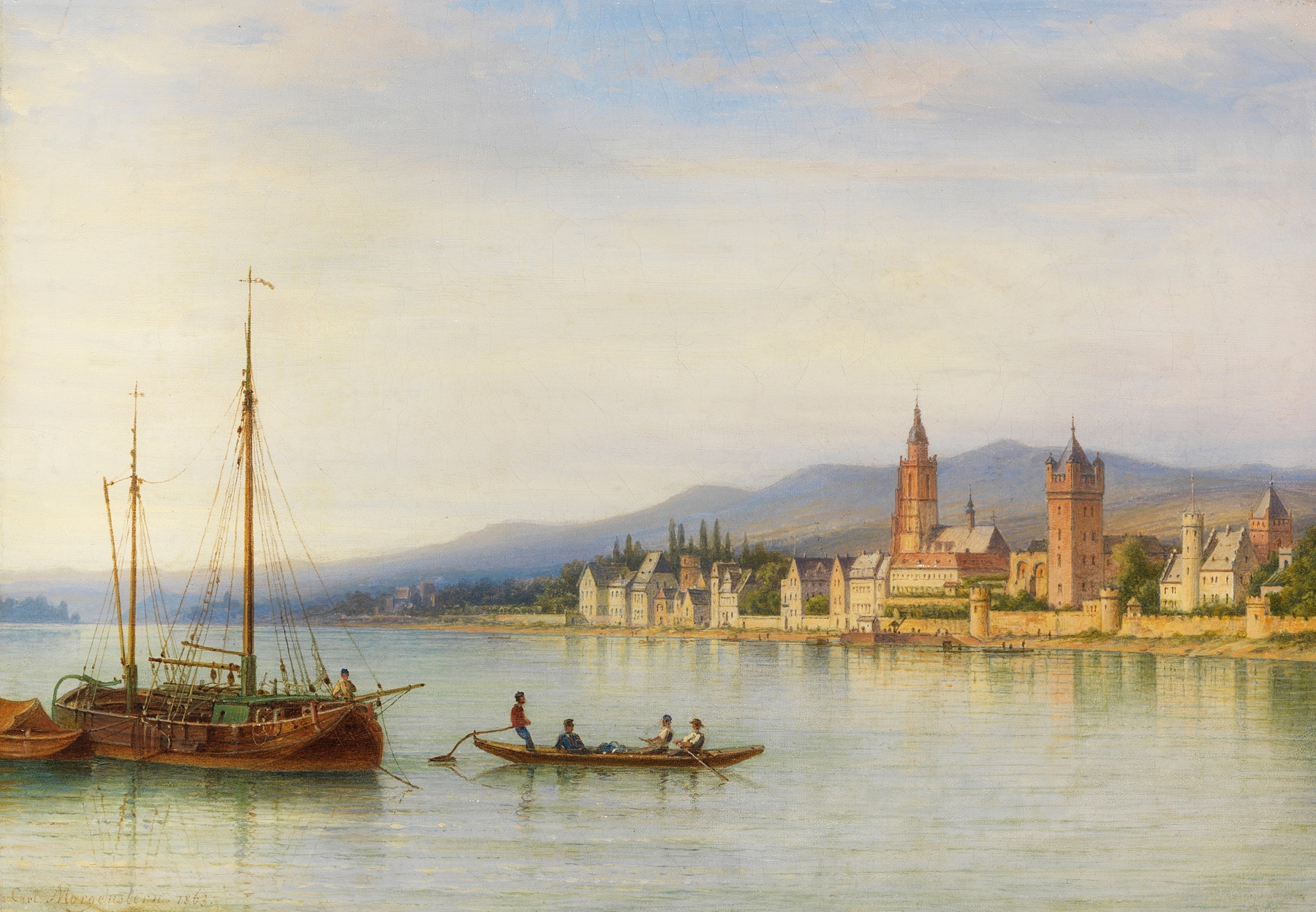
“Under the brush, chaos becomes grace.” This reflection captures the essence of transformation found within the strokes of a master’s hand, where revelation emerges from the tumult of reality. Focus on the vivid interplay of light and shadow in Mittagssonne St. Goarshausen. The canvas radiates warmth as golden hues cascade over the rolling hills and the serene Rhine, inviting you to explore every detail. Notice how the artist meticulously captures the shimmering surface of the water, reflecting not just the landscape but the very essence of the moment itself.
The soft brushwork and harmonious palette create a sense of tranquility, drawing your gaze toward the quiet village nestled at the riverbank. Delve deeper into the layers of meaning hidden within this pastoral scene. The juxtaposition of the serene landscape against the tumultuous, swirling clouds hints at an internal struggle, a moment of clarity amid chaos. The stillness of the village contrasts with the dynamic elements of nature, evoking a sense of balance and harmony that resonates with the human experience.
It’s a celebration of life’s fleeting beauty, embodying both the tranquility of the present and the storm of emotion that lies beneath. Carl Morgenstern created this piece at an undetermined time, likely in the mid-19th century, during a period of burgeoning Romanticism in Germany. As an artist deeply engaged with the natural world, he sought to capture the interplay of light and atmosphere, reflecting a broader cultural fascination with the sublime. The work stands as a testament to his dedication to portraying landscapes that evoke both a sense of place and the emotional undercurrents of life.