Morning — History & Analysis
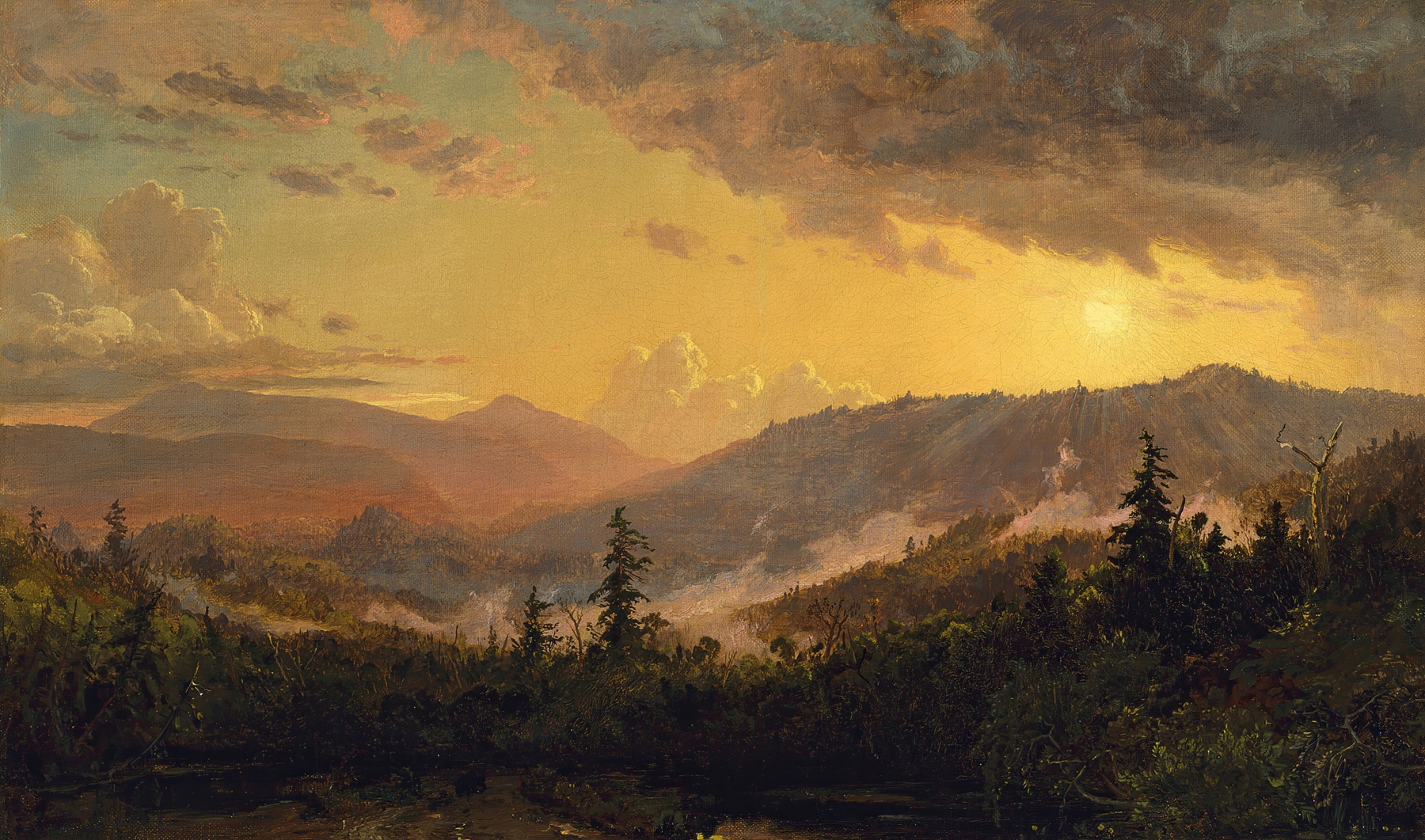
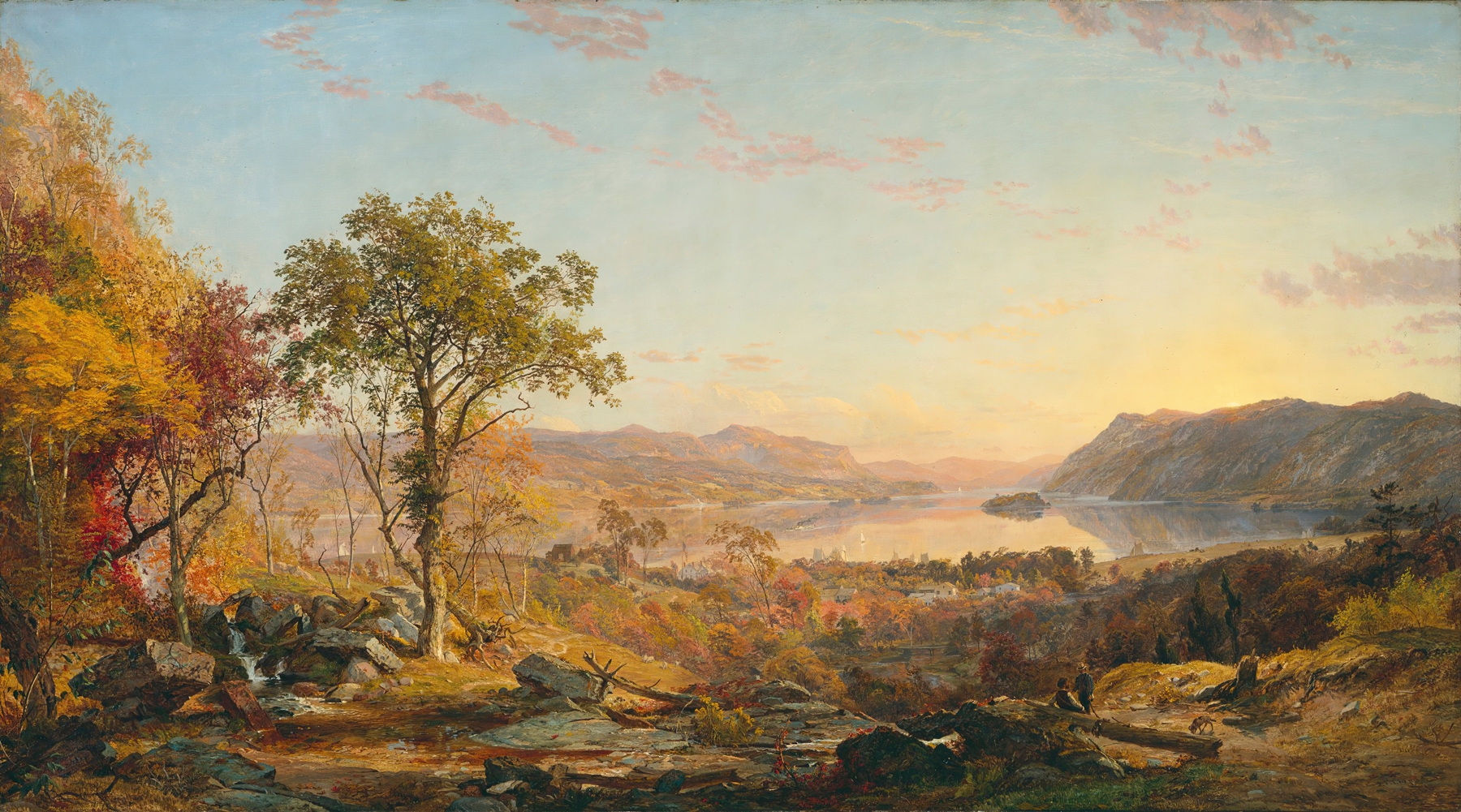
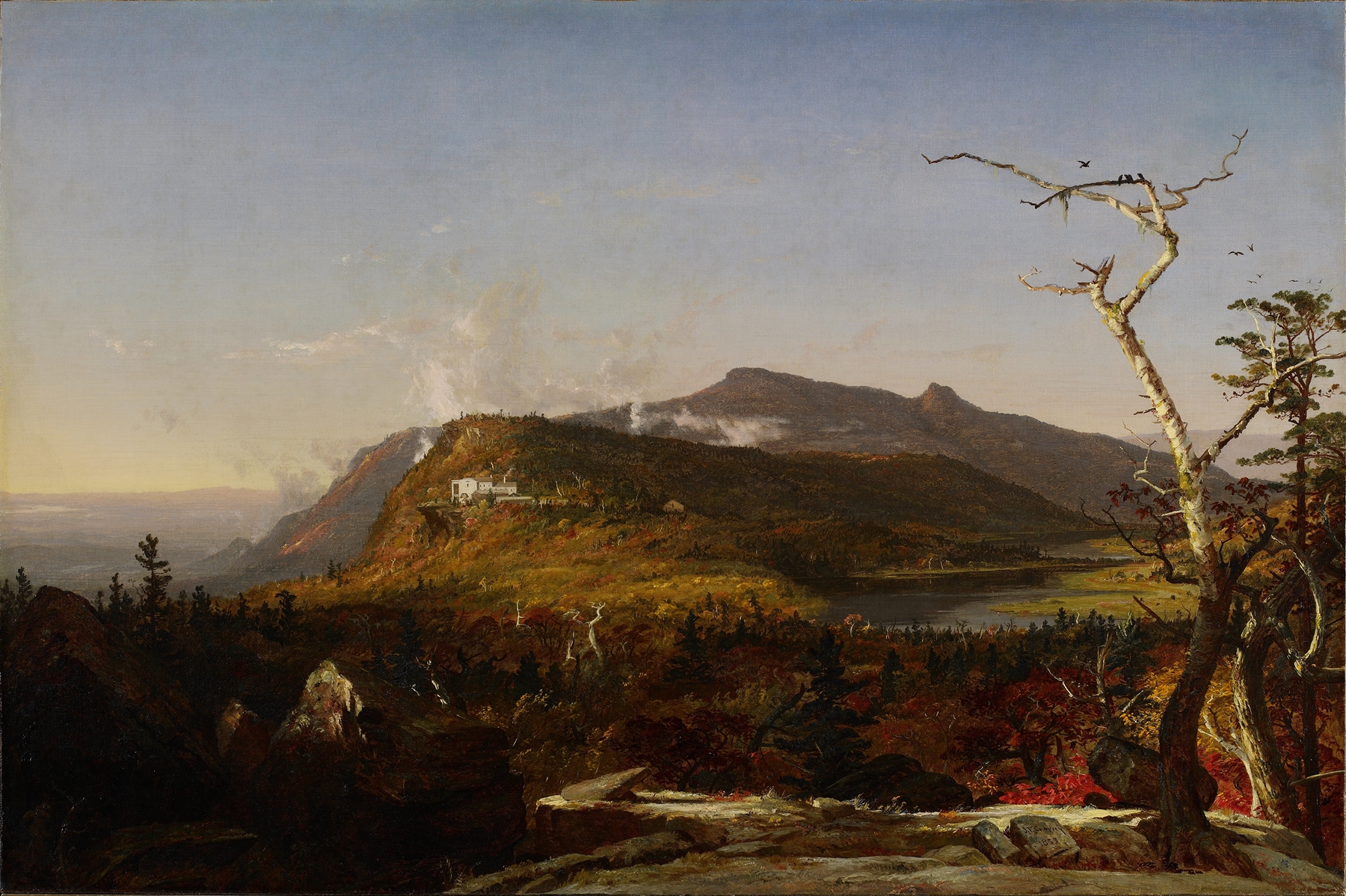
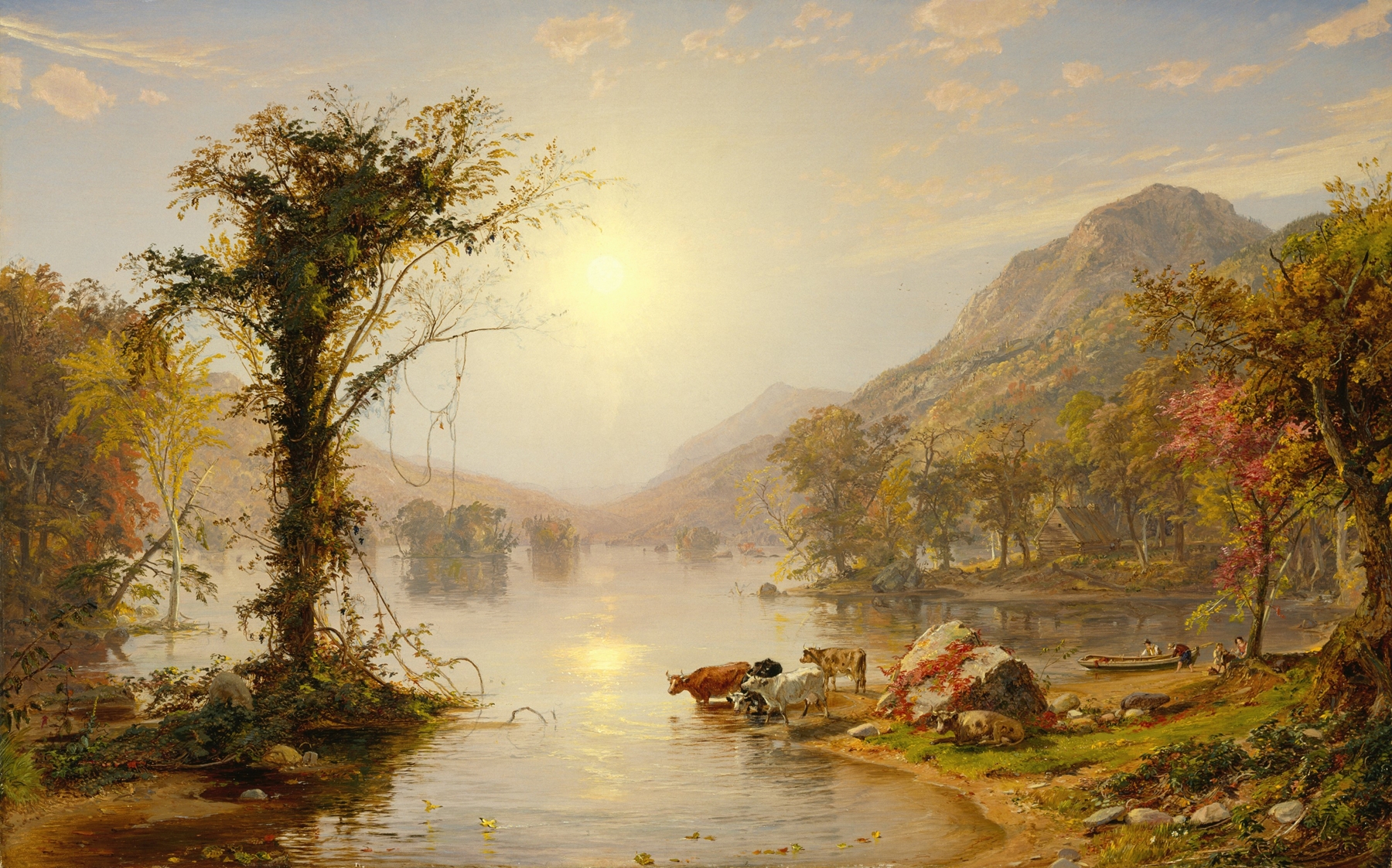
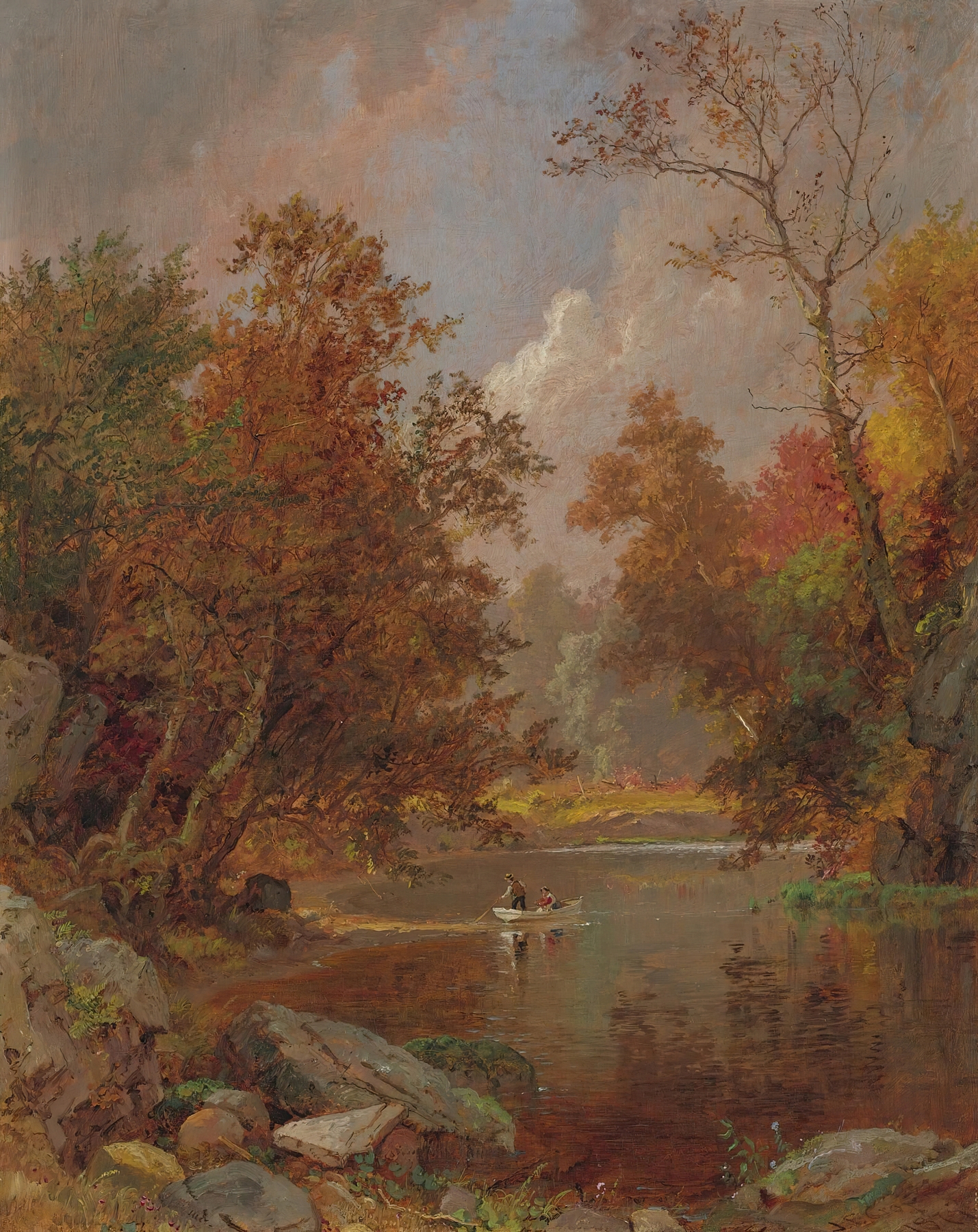
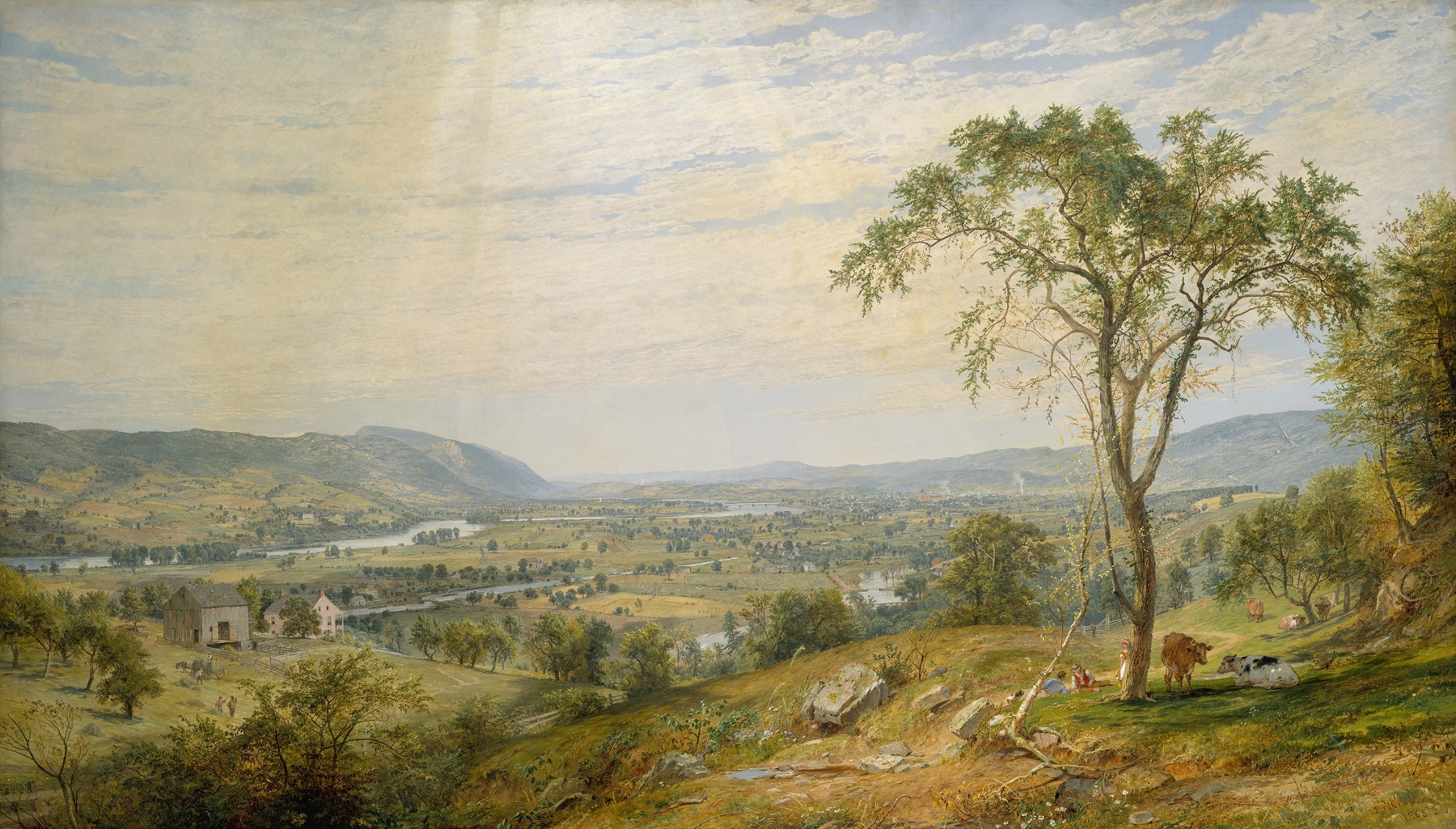
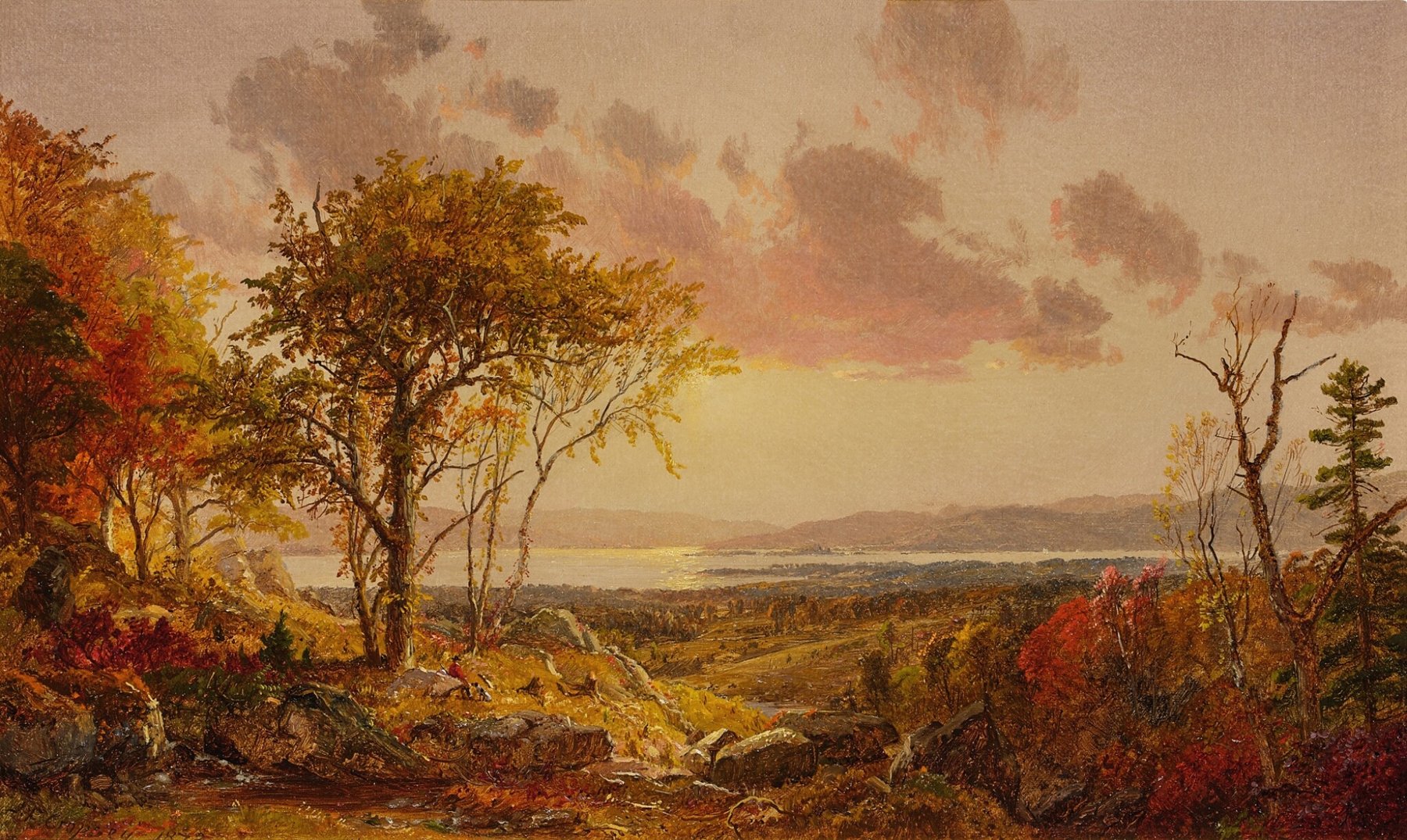
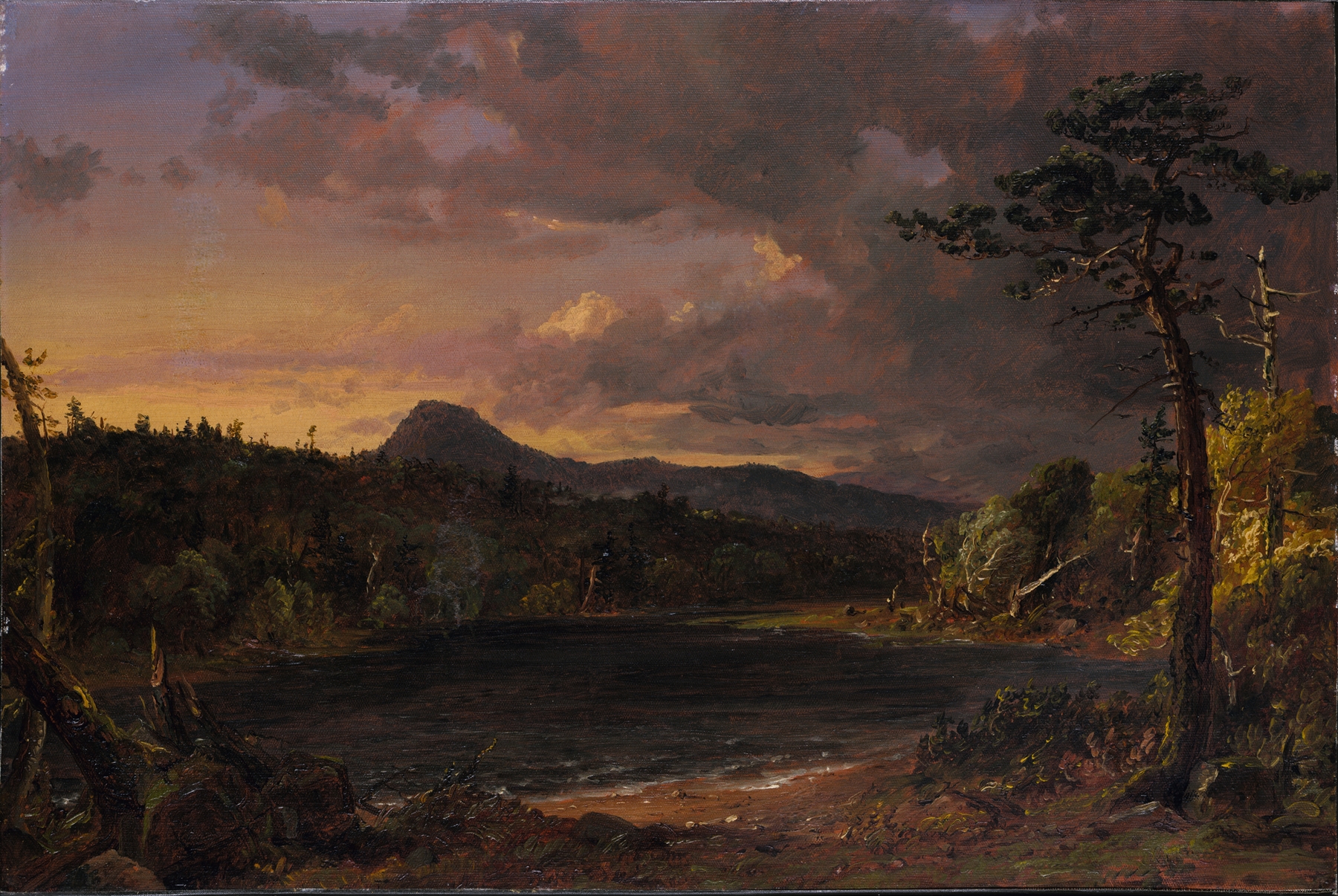
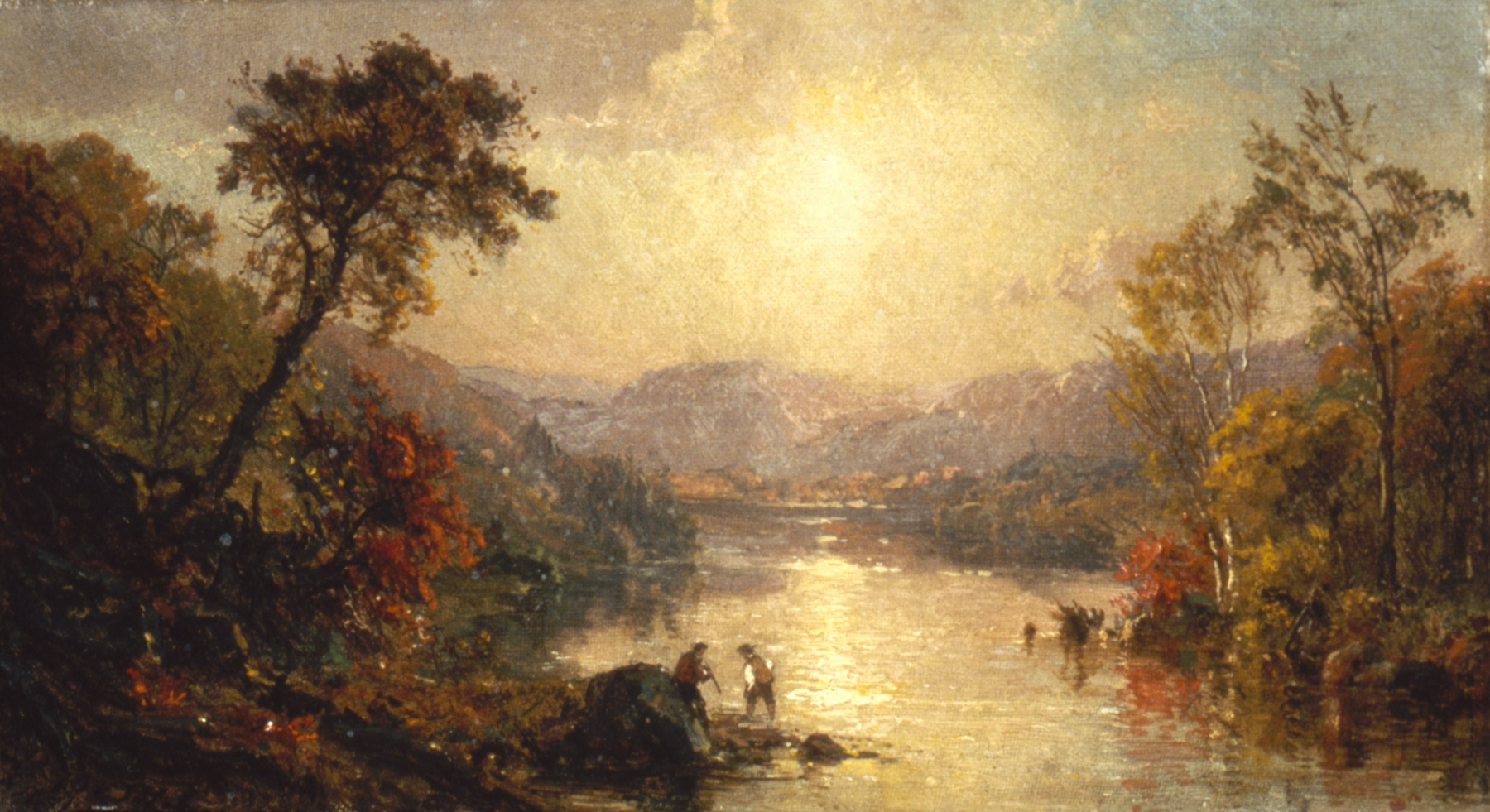
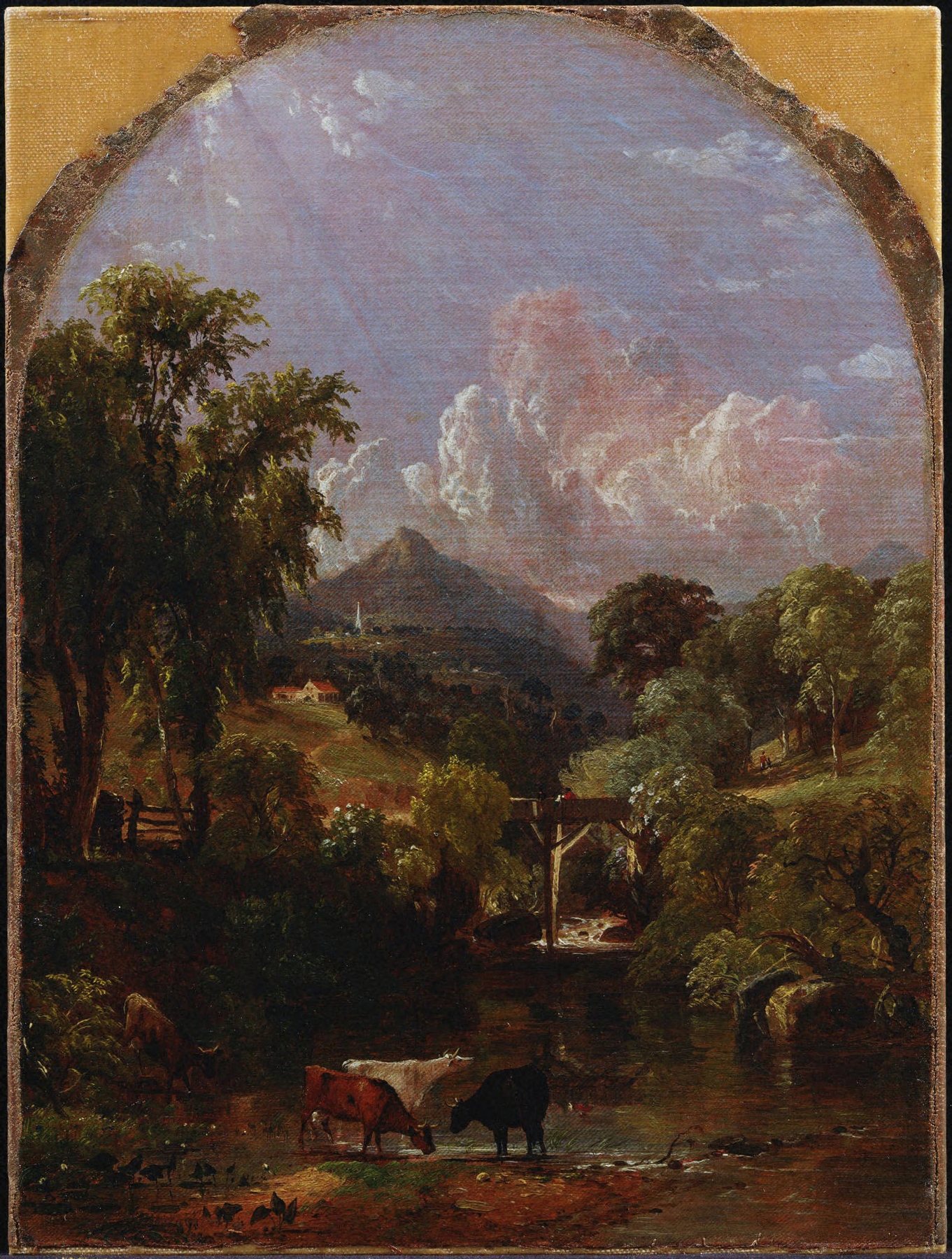
“To paint is to remember what time wants us to forget.” In that brief exhale of a thought lies the essence of beauty captured in stillness—an invitation to relive the morning's serenity. As you gaze at the artwork, look to the left where the sun’s first light spills over lush meadows, warming the cool, dew-kissed grass. The palette is a gentle blend of soft greens and golden hues that whisper of tranquility. Your eyes will likely be drawn to a delicate row of trees, their silhouettes tinged in gold, marking the horizon with a promise of a new day.
Every stroke of the brush seems to breathe life into the landscape, inviting you to step into this sublime moment. Yet, hidden beneath the serene surface lies a juxtaposition of fleeting time and enduring beauty. The vibrant dawn serves as a reminder of life’s transient nature, while the sturdy trees represent resilience against the passage of time. Each element harmonizes, creating a dialogue between the impermanent and the eternal, urging you to consider both the ephemeral joys and the enduring truths of nature.
The viewer feels the tension between the brightness of morning and the shadows of potential loss, making this a compelling meditation on existence. During 1854, Cropsey, an influential figure in the Hudson River School, painted Morning while immersed in an era celebrating American landscape painting. This period marked a shift toward capturing the natural beauty of the American wilderness, coinciding with his own journeys through the countryside. As he created this piece, he was positioned at the forefront of a movement that valued the sublime in nature, reflecting both the growing American identity and the artist's personal evolution.