Mount Chocorua, New Hampshire — History & Analysis
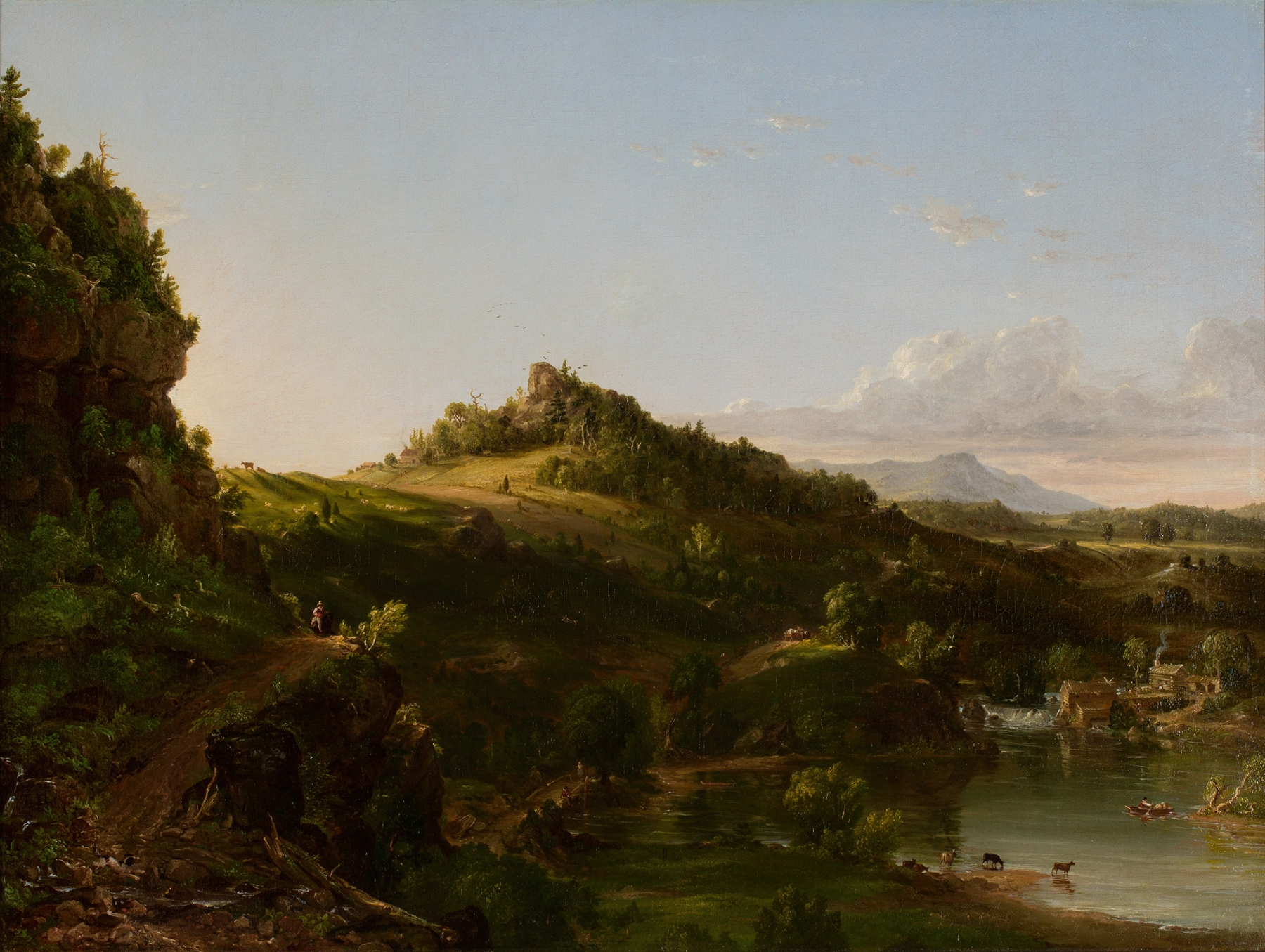
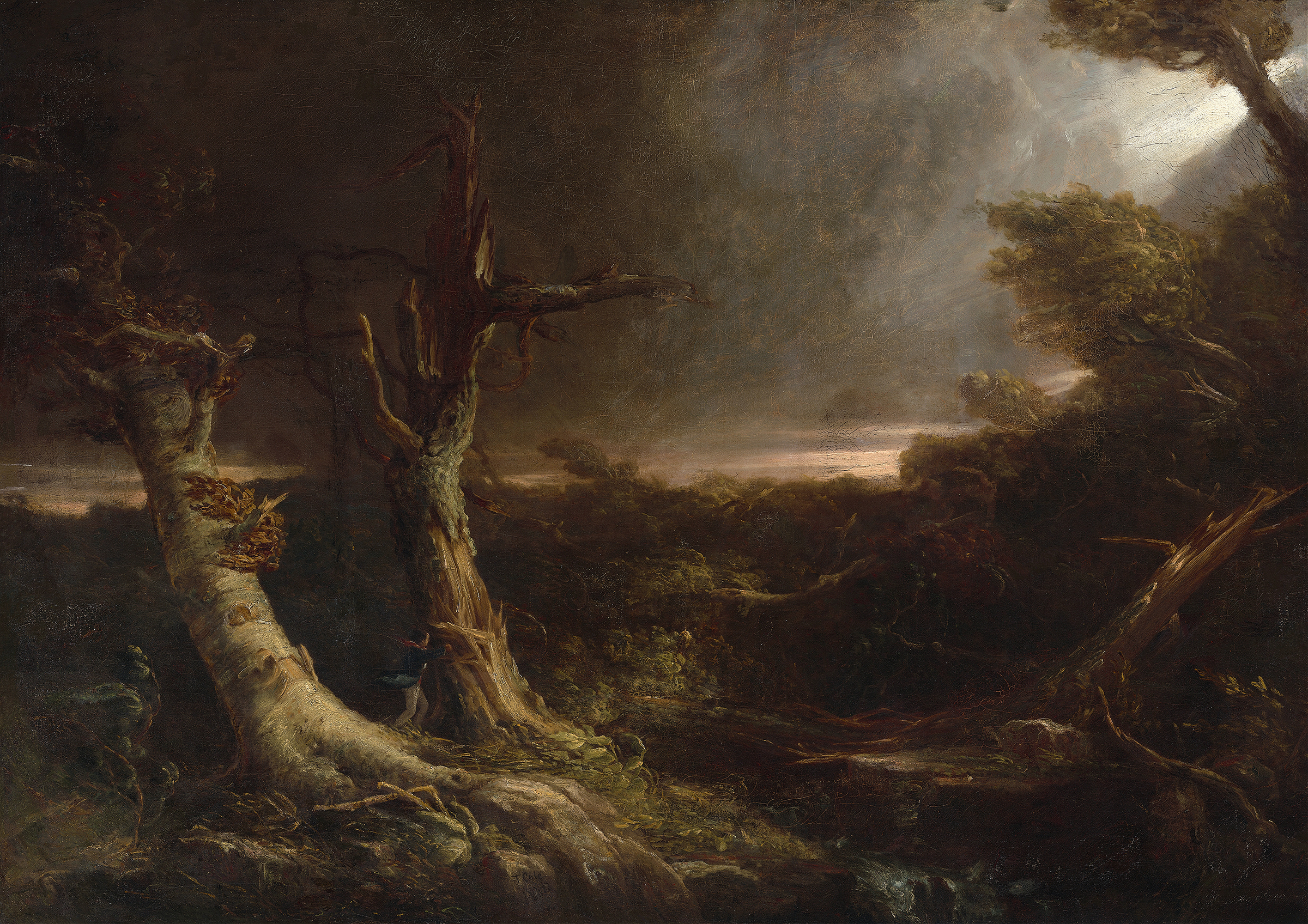
What if silence could speak through light? In Mount Chocorua, a quiet majesty unfolds, inviting contemplation on nature's grandeur and the legacy it leaves behind. Look to the center of the canvas, where the towering peak dominates the scene, its rugged contours softened by a gentle wash of light. Notice how the sunlight kisses the rocky crags, revealing warm ochres and cool blues that interlace harmoniously.
To the left, a serene lake mirrors the mountain's reflection, creating a visual dialogue between the two elements and drawing your eye deeper into the composition. The foreground is alive with lush greenery, framing the majestic mountain and enhancing the sense of scale and depth. Beneath its tranquil surface, the painting reveals a tension between the immovable solidity of the mountain and the fleeting nature of the surrounding landscape. The contrast between the stable peak and the ephemeral reflections captures a moment of stillness, hinting at the passage of time and the legacy of nature.
The clouds overhead seem to gather, suggesting change is on the horizon, whispering the stories of generations past and those yet to come. Thomas Cole painted Mount Chocorua in 1827 while residing in the Hudson River Valley, a period marked by the burgeoning American Romantic movement. As he explored themes of nature's beauty and transcendence, Cole aimed to instill a sense of national identity through his landscapes, reflecting the growing appreciation for the American wilderness amid rapid industrialization. This work not only exemplifies his mastery of light and form but also cements his legacy as a pioneer of American landscape painting.