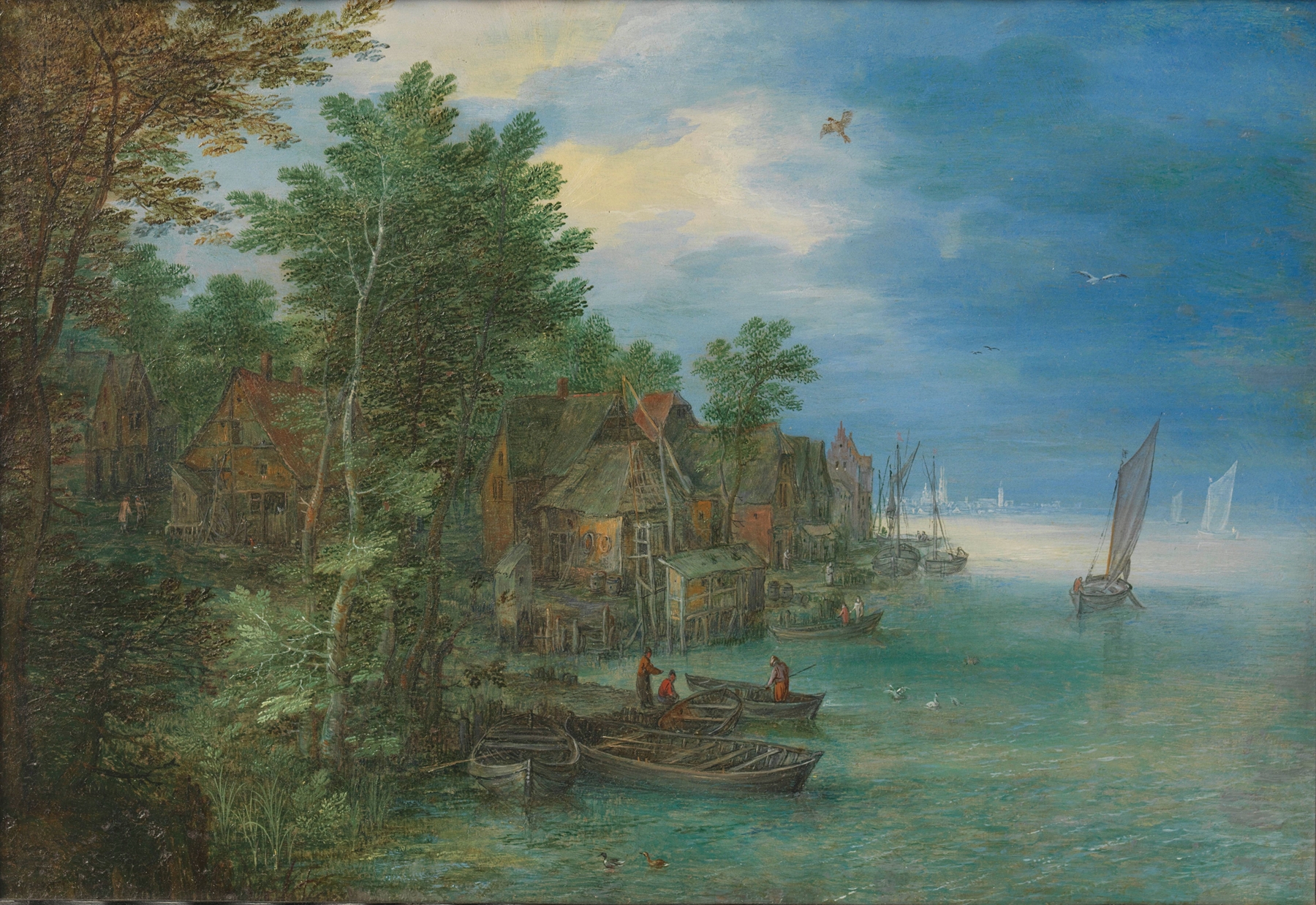
Mountainous Landscape — History & Analysis
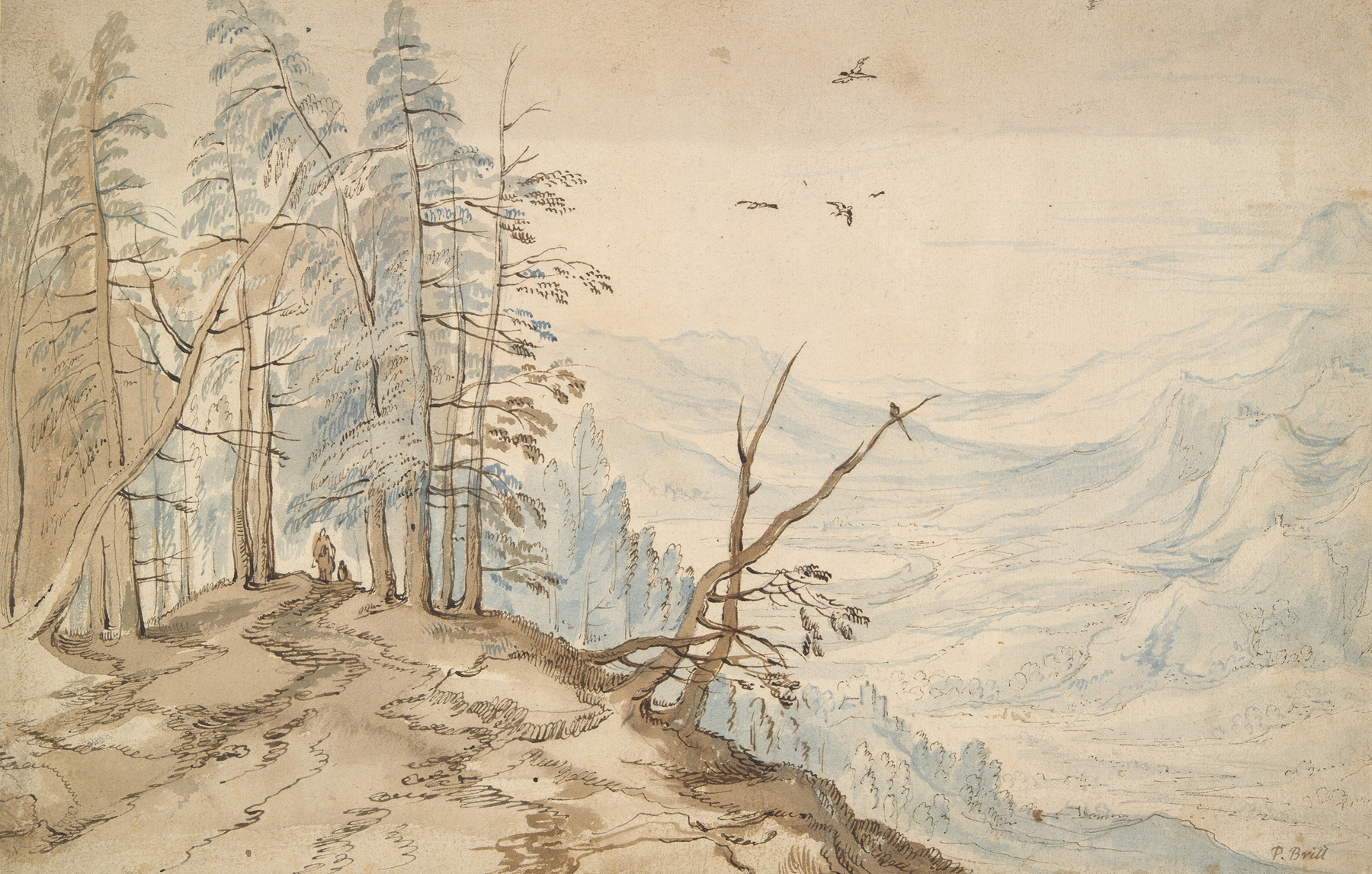
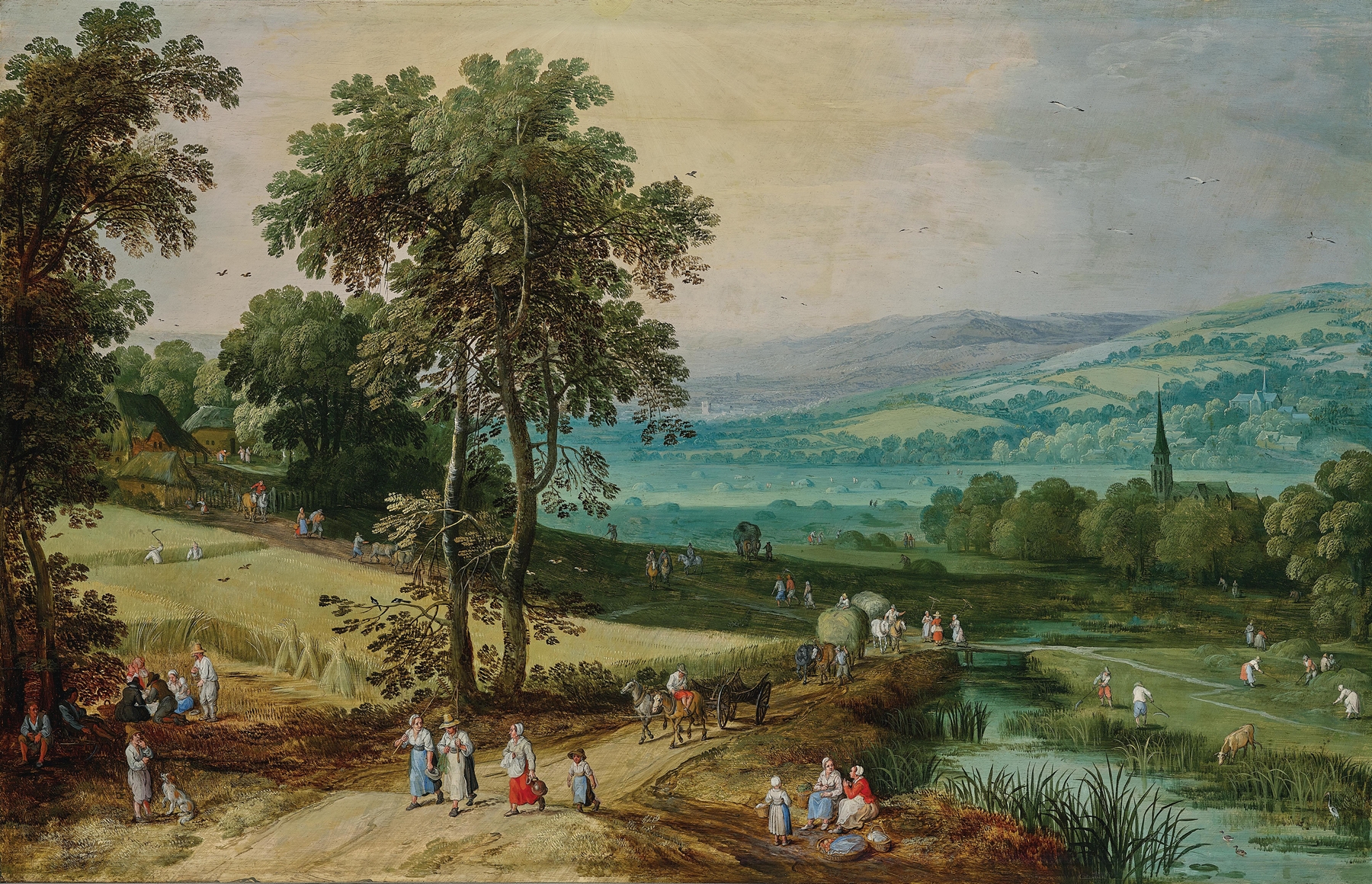
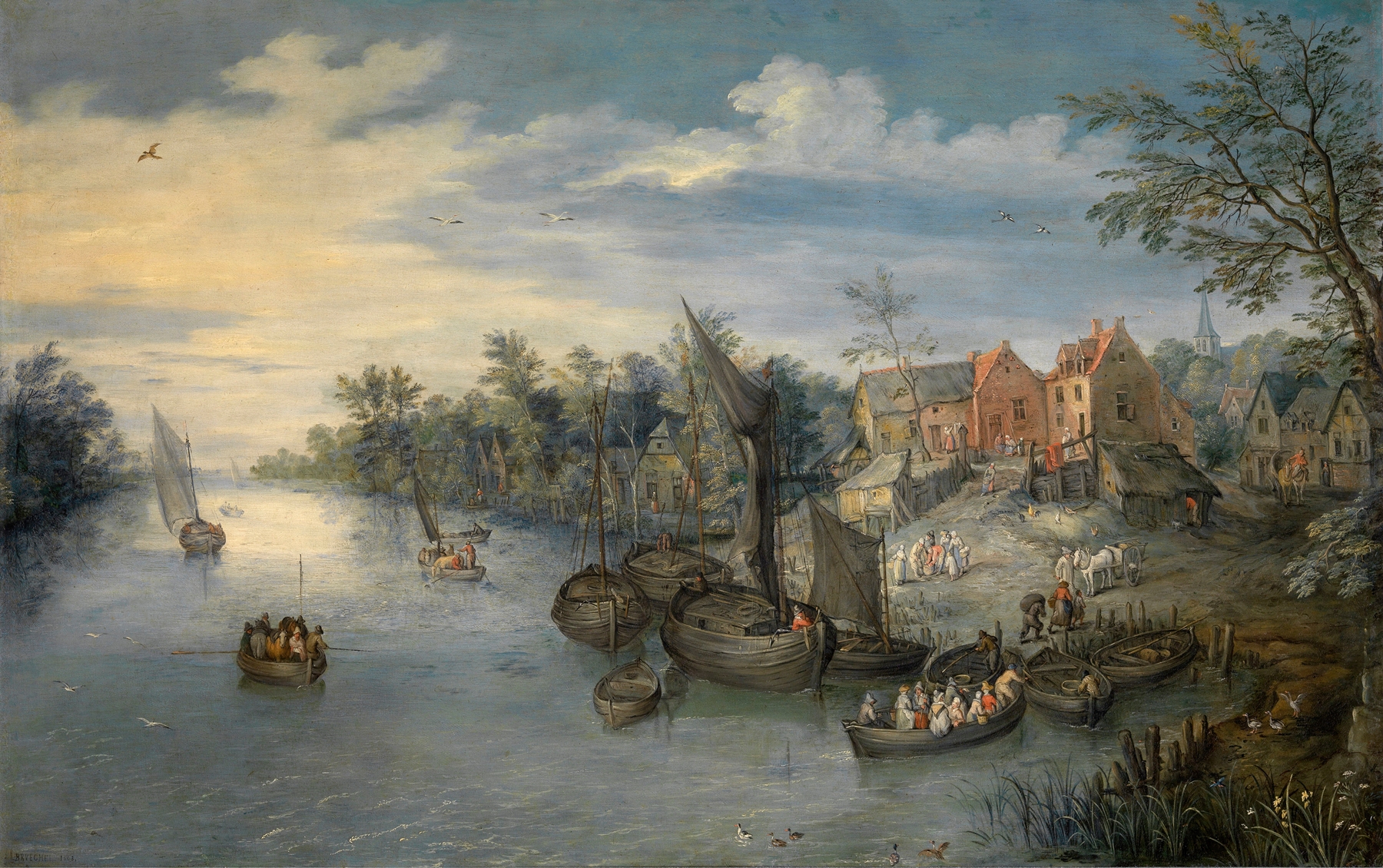
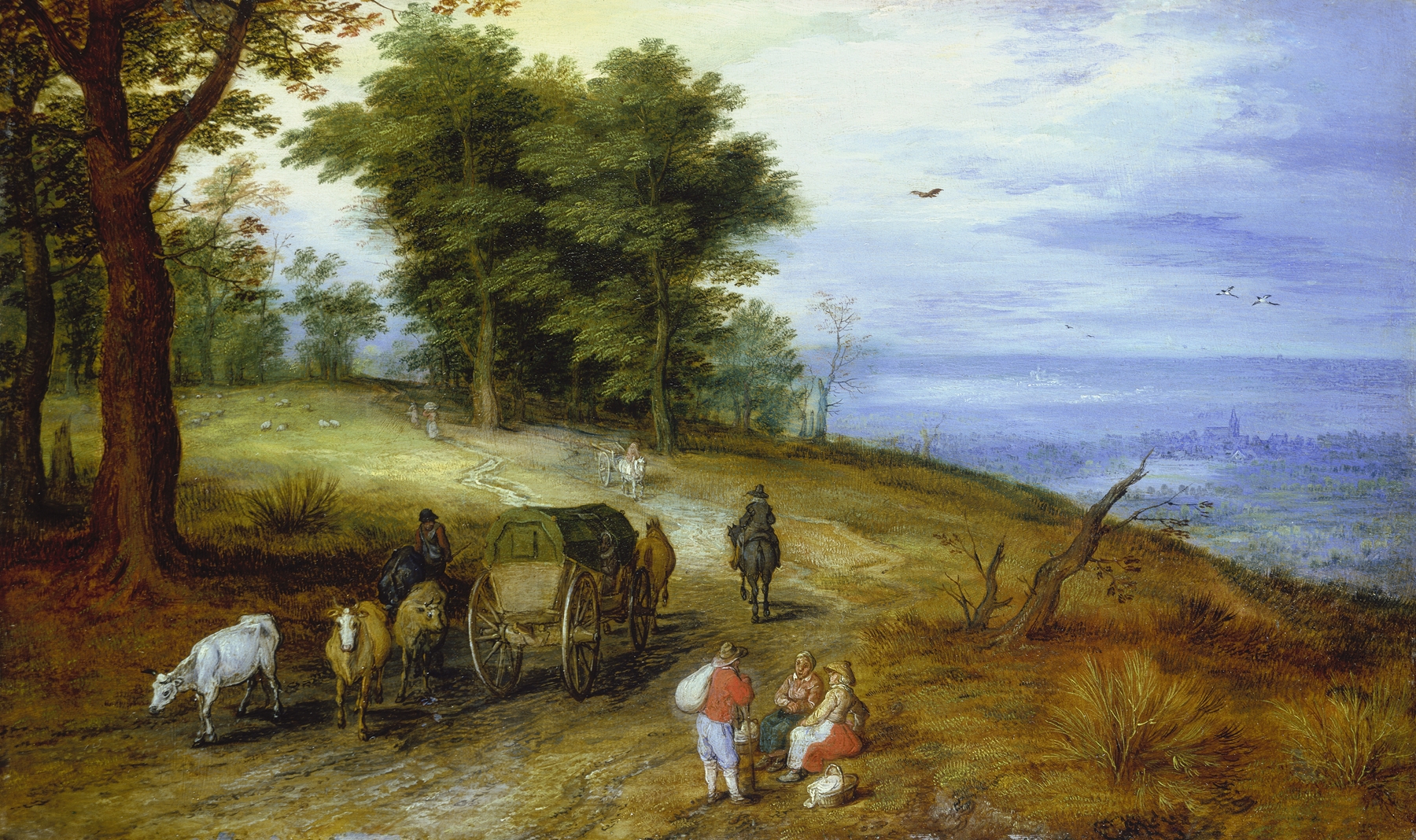
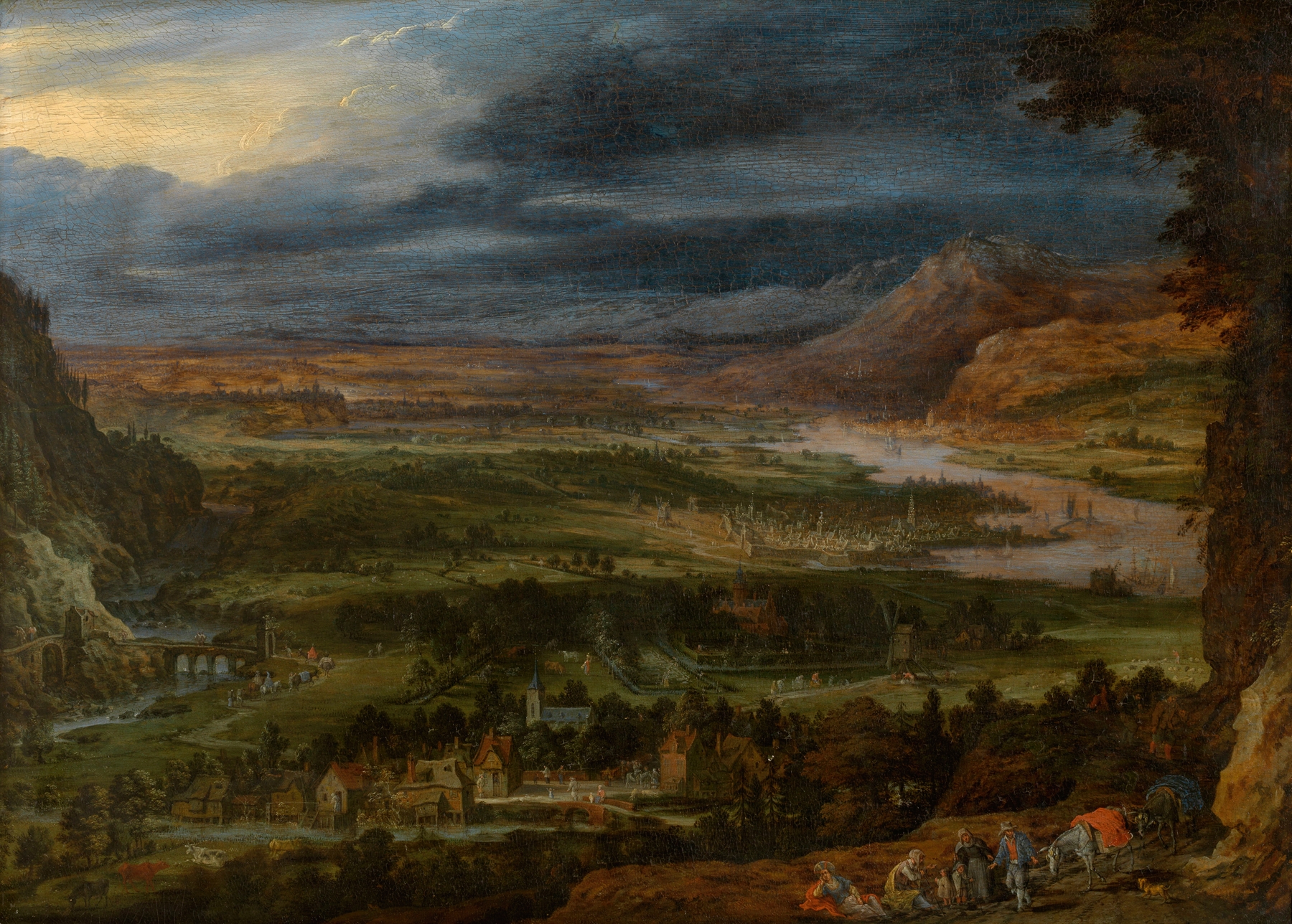
“Every brushstroke is a heartbeat remembered.” The delicate beauty of a landscape can oftentimes mask the tumultuous forces that shape it. Look closely at the sweeping expanse of greens and blues in this mountainous vista. Notice how the vibrant hues juxtapose with the darker undertones that lurk beneath, suggesting a sense of foreboding. The artist's meticulous attention to detail leads your eyes across the rugged peaks and tranquil valleys, creating a visual rhythm that invites contemplation.
Each gradient shift, every stroke, seems to pulse with life, yet also whispers of hidden turmoil. Within the serene beauty lies a tension, a reminder of nature's unpredictability. The contrast between the idyllic foreground and the towering, jagged mountains in the distance speaks to a duality: peace teetering on the edge of chaos. Wildflowers bloom, yet the looming cliffs imply an impending storm, illustrating the violence that exists even in tranquil moments.
This complexity resonates with the ever-present struggle between creation and destruction, inviting viewers to ponder the hidden narratives woven into the landscape. In the 17th century, when this work emerged, Jan Brueghel the Elder was at the forefront of landscape painting in Flanders, a time marked by both artistic exploration and political unrest. Living in an era when the beauty of nature coexisted with war and conflict, he sought to capture the subtleties of the world around him while reflecting the tumult of his times. This piece embodies his skillful blend of realism and imagination, establishing him as a pioneer in the genre.