Mozes ontvangt de tafelen der wet en de aanbidding van het gouden kalf — History & Analysis
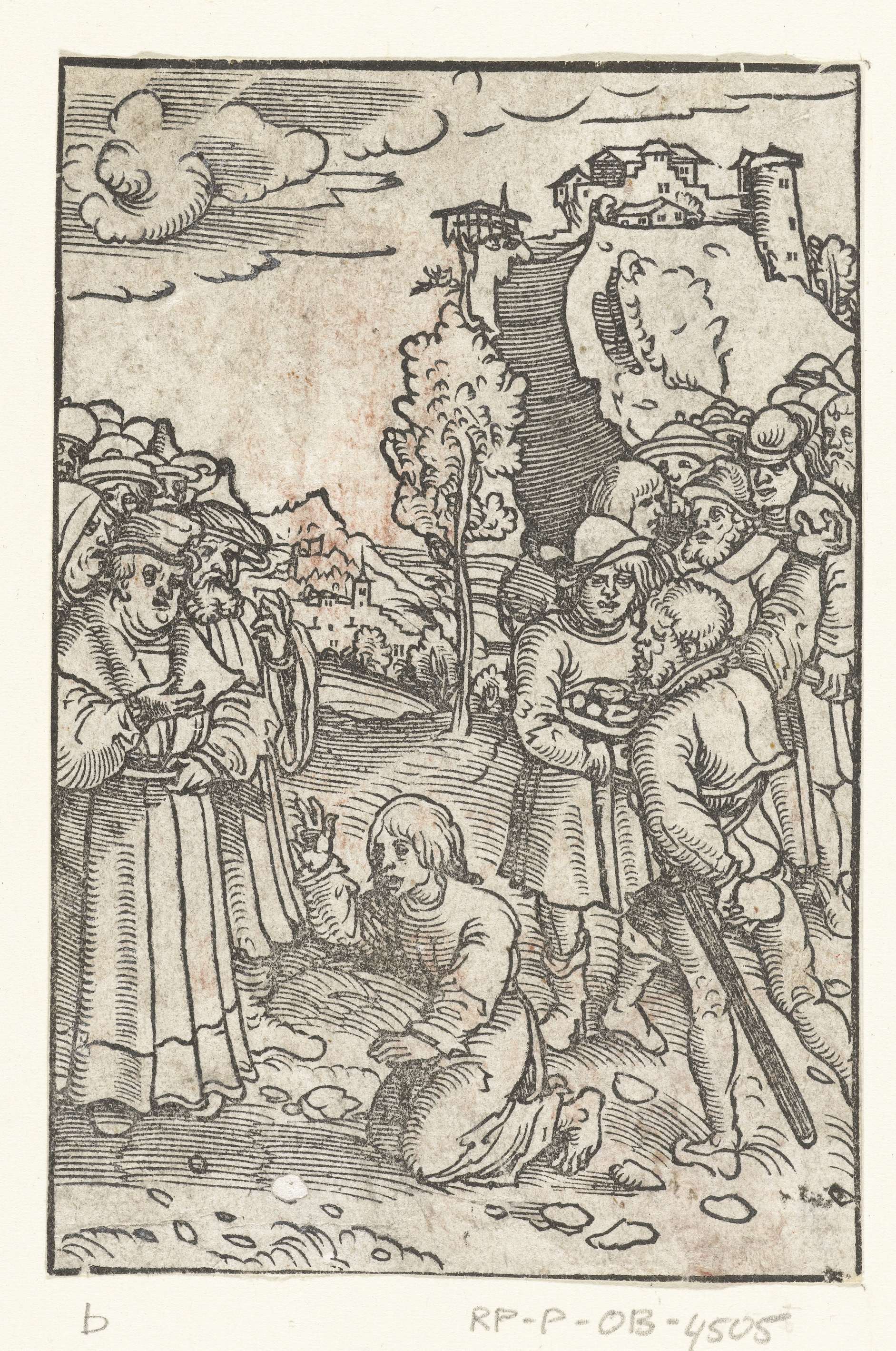
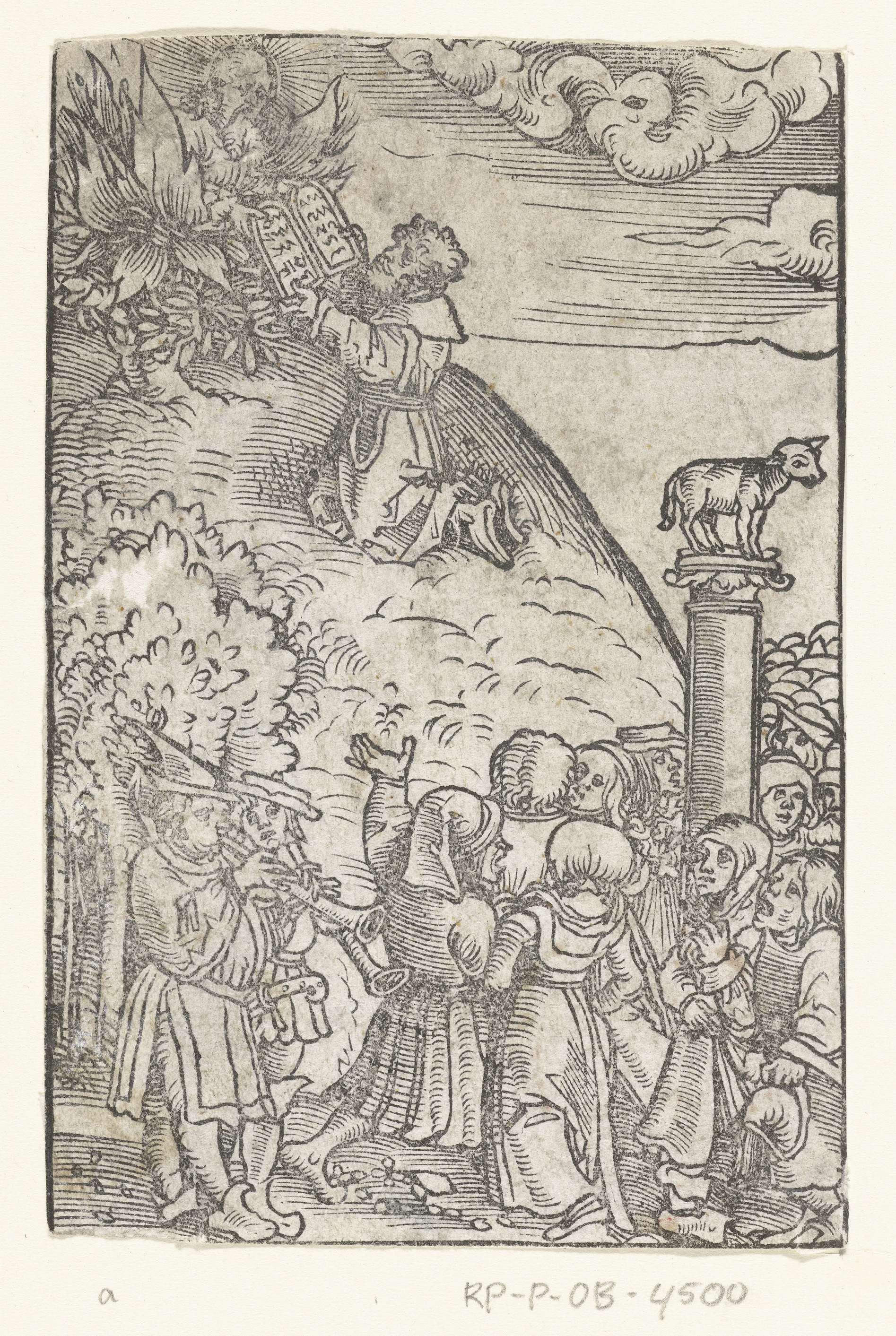
What if silence could speak through light? In Mozes ontvangt de tafelen der wet en de aanbidding van het gouden kalf, that silence resonates powerfully, inviting contemplation of faith, temptation, and obedience. A moment suspended, it beckons us to explore the tumult of human choices framed by divine decree. Look to the center at the commanding figure of Moses, radiant in the luminescence that bathes him. Notice how the contrast between the deep shadows surrounding the idol and the ethereal glow illuminating Moses amplifies the tension between holiness and sin.
The vibrant colors of the robes create a visual dialogue; the rich reds of the worshippers’ garments clash with the muted tones of the landscape, emphasizing the chaos of their misguided devotion. Each brushstroke is purposeful, guiding the eye toward a narrative of moral struggle. In the lower left, the golden calf glimmers, a stark reminder of idolatry’s seduction. The onlookers’ expressions range from zeal to doubt, embodying the internal battle between fidelity and temptation. The silent confrontation between Moses and the people drips with emotional weight; it suggests a longing for redemption even amid transgression.
The juxtaposition of enlightenment and ignorance reveals a profound commentary on faith's fragility, echoing through the ages. Lucas Cranach the Elder painted this work between 1528 and 1554, a period marked by religious turbulence during the Reformation. Working in Wittenberg, where Martin Luther was a transformative figure, Cranach’s art reflected these changing tides of belief. This piece captures a pivotal moment in biblical history while simultaneously engaging with the contemporary struggles of his own time, illustrating the power of faith amidst human frailty.