Méricourt, La maison des éclusiers — History & Analysis
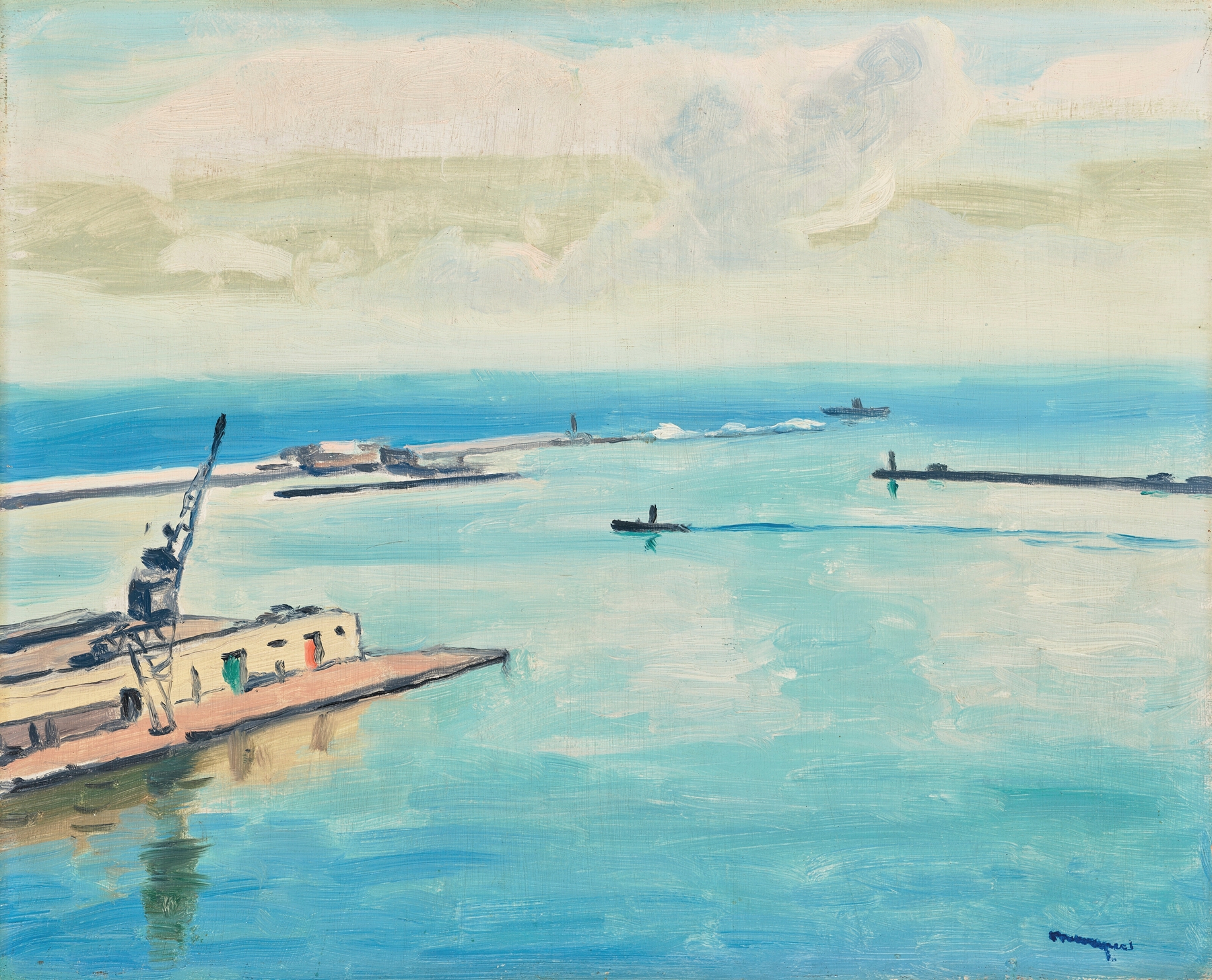
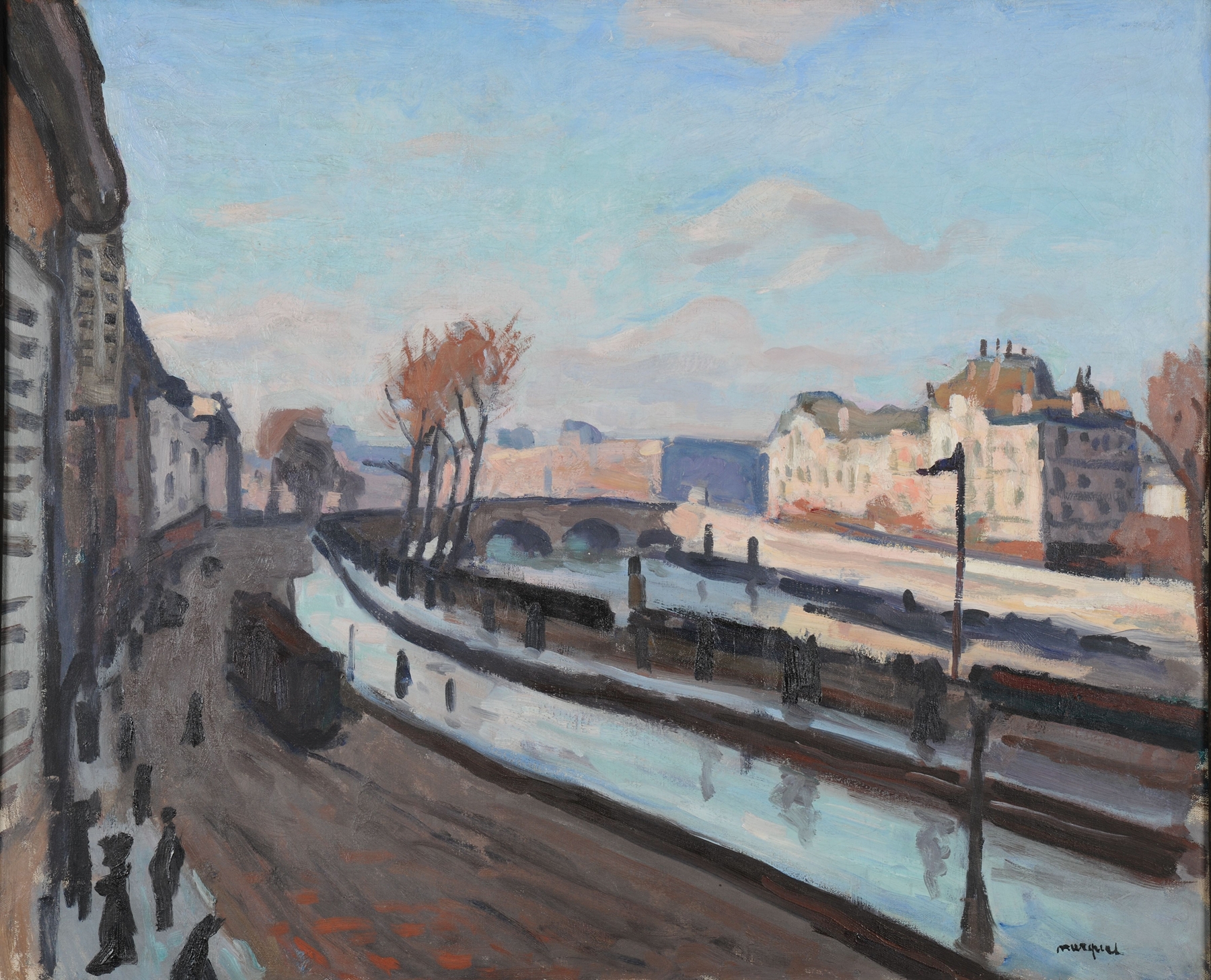
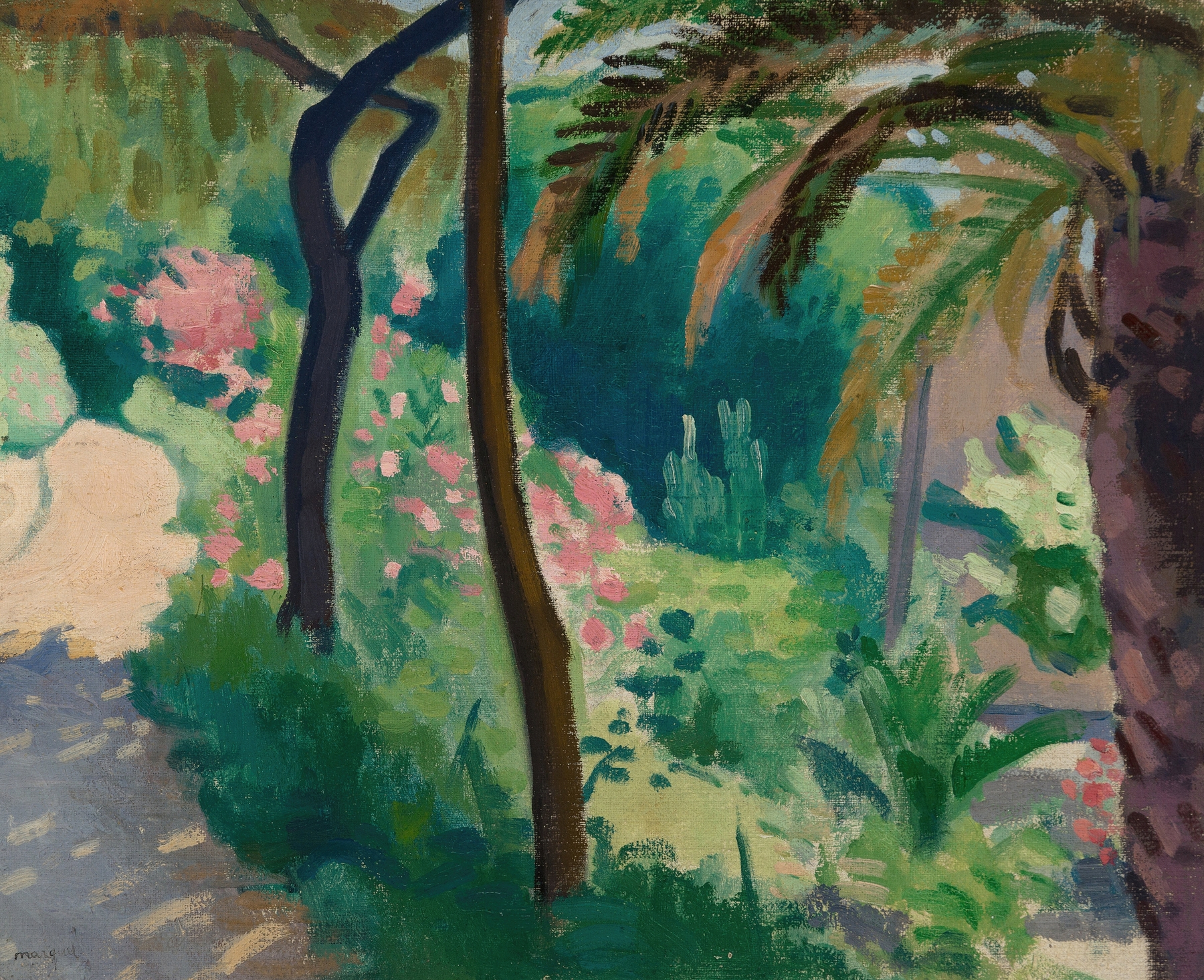
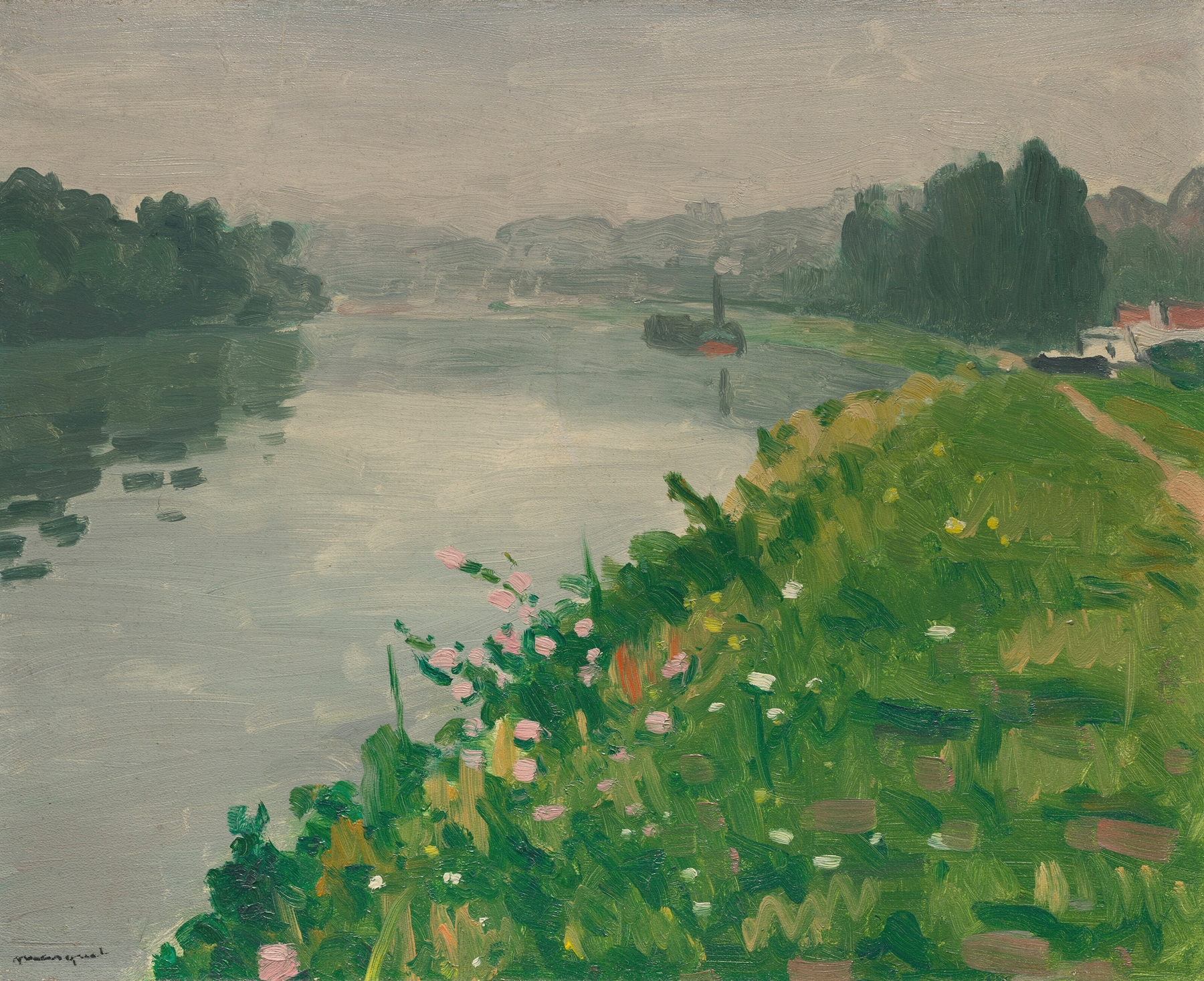
“Between color and silence, truth hides.” In a world overflowing with noise, this sentiment finds resonance in the quietude of Méricourt, La maison des éclusiers. The canvas invites us into a tranquil moment, where we are compelled to breathe in the rich hues and deliberate strokes that define this serene landscape. Look to the left at the gentle sweep of the river, enveloped by soft blues and greens. Notice how the light dances upon the water’s surface, creating a reflective path that draws the eye toward the distant house, nestled among trees. The colors are muted yet vibrant, revealing a masterful interplay of light and shadow that feels both immediate and timeless.
Each brushstroke conveys a sense of calm, establishing a soothing rhythm that resonates throughout the composition. Yet beneath this calm lies a deeper narrative. The juxtaposition of the house against the expansive sky suggests human presence amid nature’s vastness, evoking feelings of solitude and introspection. The absence of figures amplifies this tension; the viewer is left alone with the scene, a silent companion to the unfolding moment.
The way the trees frame the house speaks to the protective embrace of nature, while the stillness of the water hints at the passage of time, both captured and fleeting. In 1937, while living in Paris, Albert Marquet painted this work, a period marked by his exploration of light and color. At that time, he was moving away from the more vibrant expressions of Fauvism and honing his unique style, reflecting a calm maturity in his approach. This painting comes during a time of artistic innovation and social change, capturing the essence of an evolving world while remaining rooted in the tranquil beauty of nature.