Mt. Katahdin from Togue Pond — History & Analysis
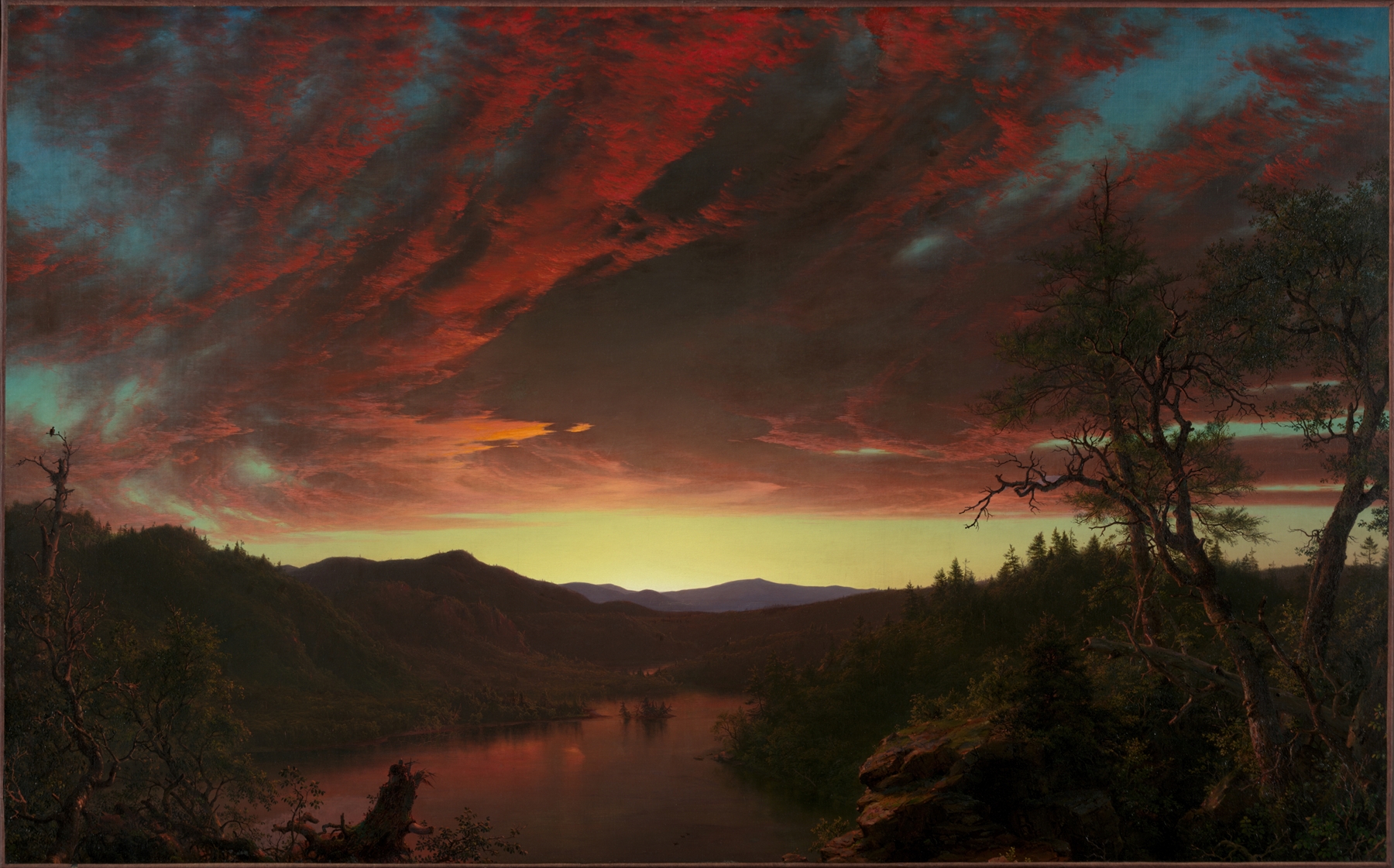
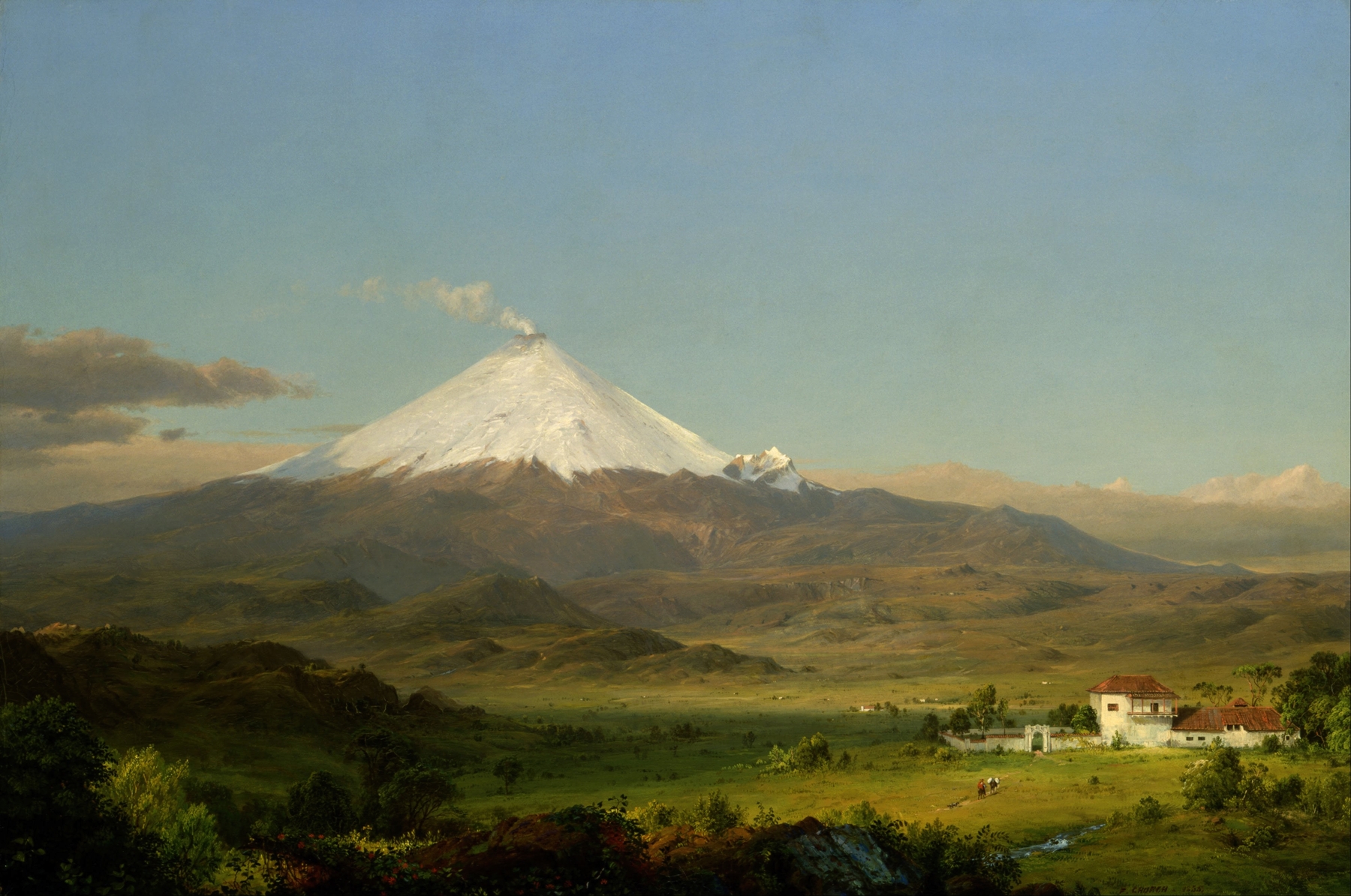
What secret hides in the quiet of the canvas? In Mt. Katahdin from Togue Pond, transformation dances through the vibrant interplay of light, shadow, and color, inviting viewers to explore the deeper nature of existence. Focus on the sweeping landscape that unfolds before you. The majestic peak, Mt.
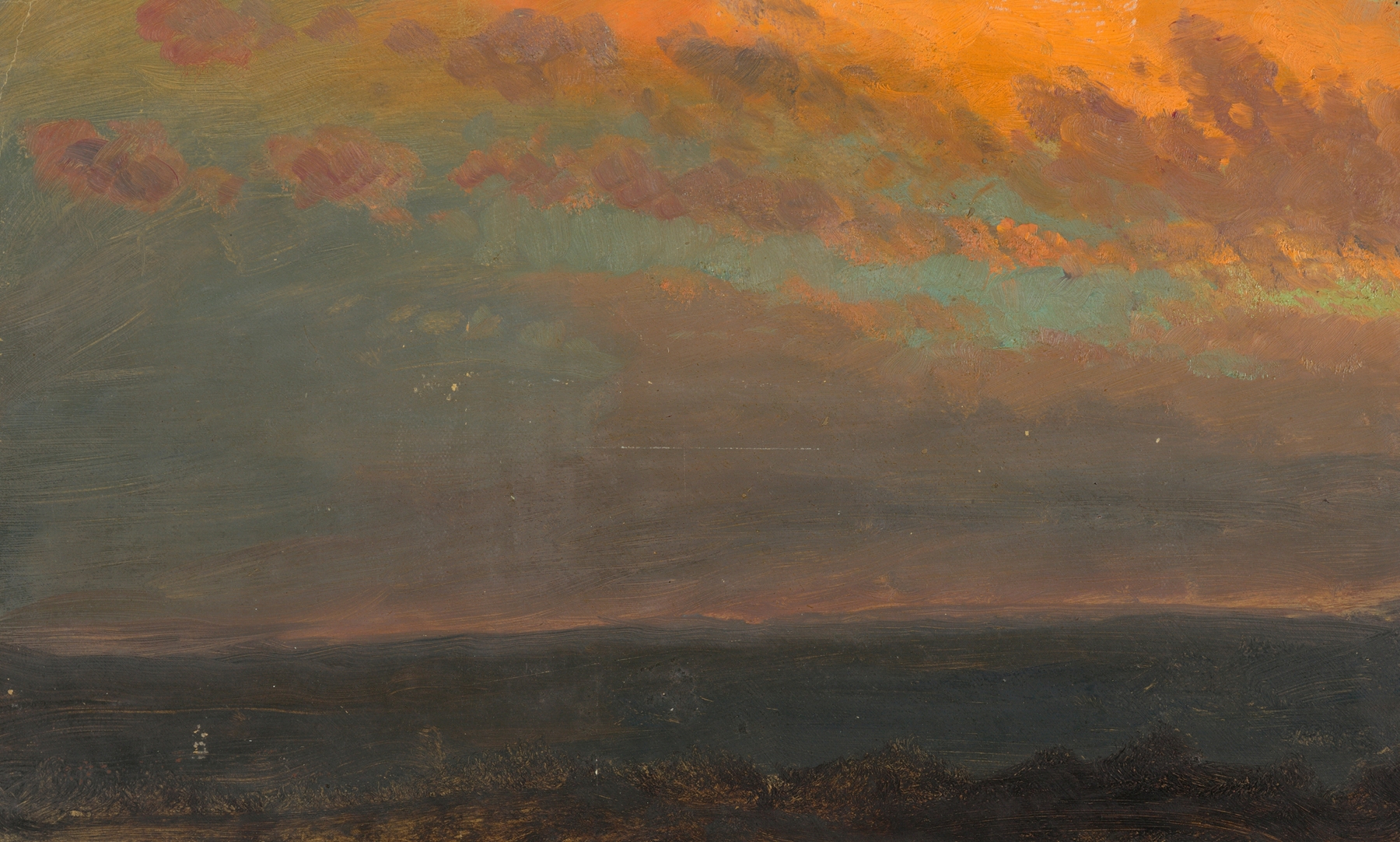
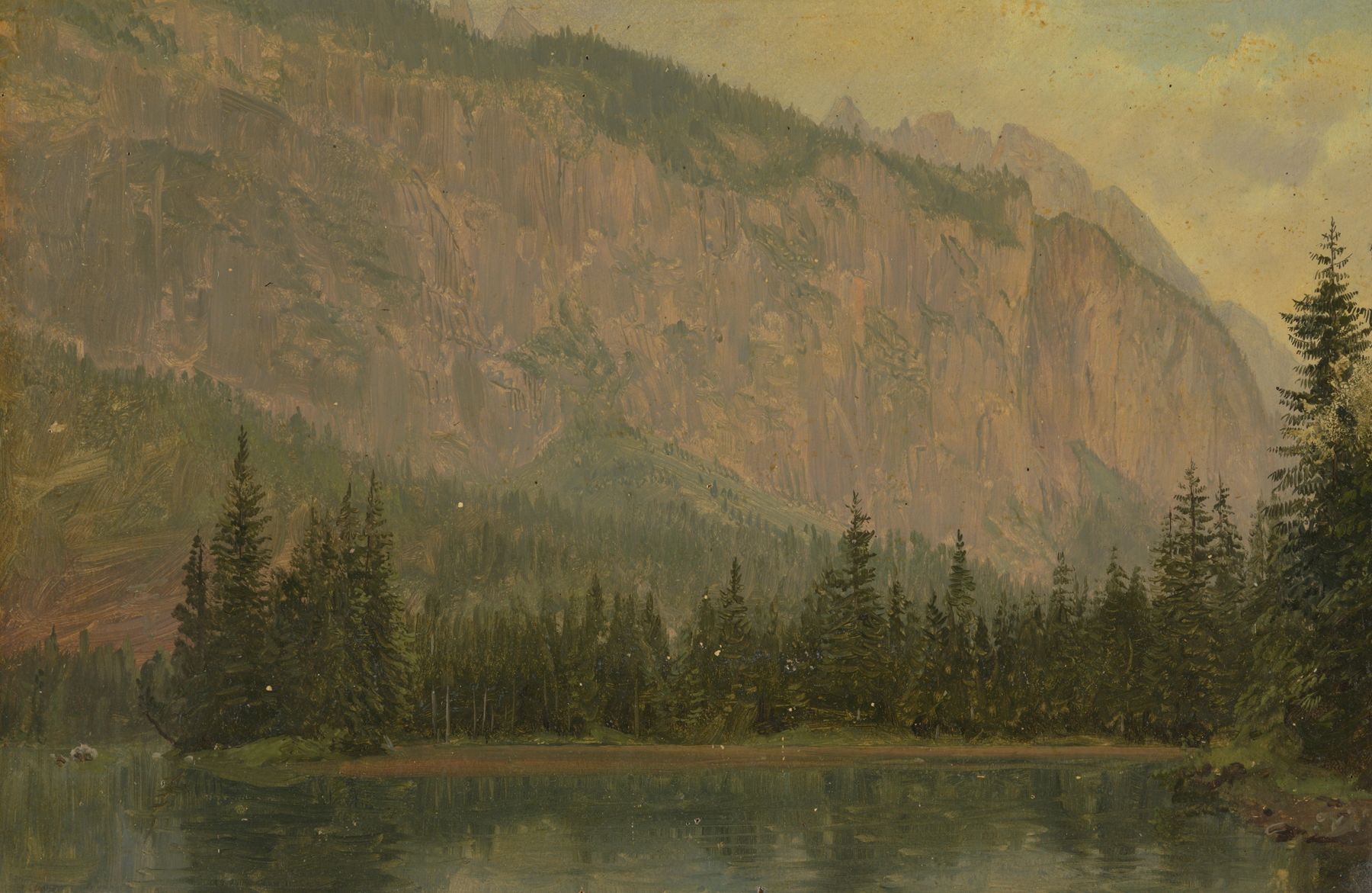
Katahdin, rises with an undeniable presence, its contours softened by hues of greens and browns. Look closely at the shimmering surface of Togue Pond, where the reflection mirrors the grandeur above it, evoking a sense of harmony between nature and its surroundings. Notice the delicate brushstrokes that breathe life into the clouds, wrapping the scene in a warm embrace, while the light plays upon the foreground—a gentle invitation to experience the depth of the wilderness. Within this tranquil yet dynamic vista, contrasts abound. The robust mountain, a symbol of permanence and strength, stands resolute against the gentle ripples of the pond, which represent the fleeting nature of time.
The ethereal sky imbues the landscape with an almost spiritual quality, hinting at the transformative power of nature—encouraging introspection about our own place within it. Each element whispers stories of change, urging viewers to contemplate their journey through life's ever-shifting landscape. Frederic Edwin Church painted this work between 1875 and 1880, during a time when he was deeply engaged with the sublime beauty of America’s natural wonders. Living in the vibrant art scene of New York, Church was influenced by the Hudson River School, a movement that celebrated landscapes infused with both realism and emotional depth. This painting encapsulates his mission to capture the profound connection between humanity and nature, reflecting society’s growing appreciation for the wilderness during this period.