Murano, matin — History & Analysis
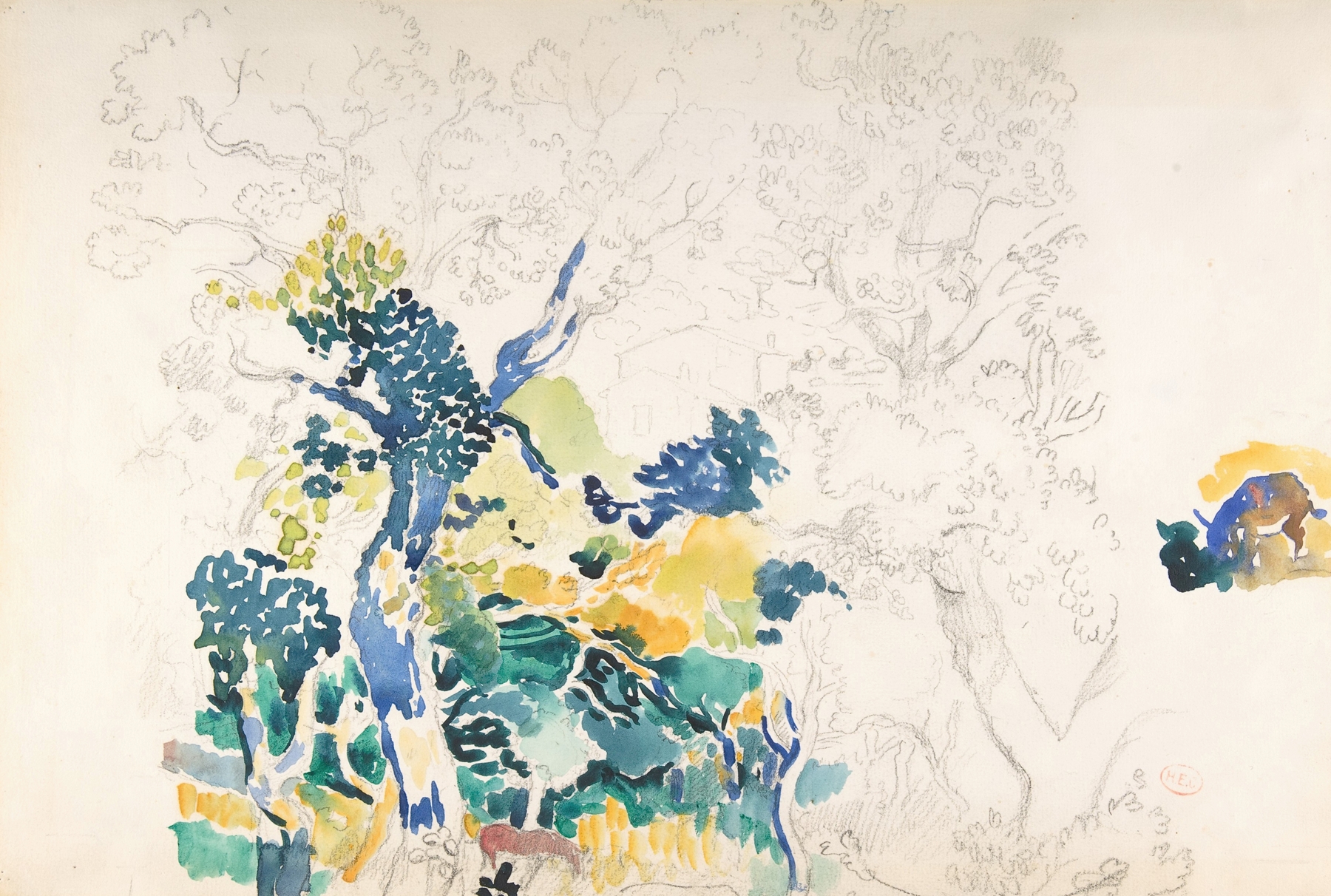
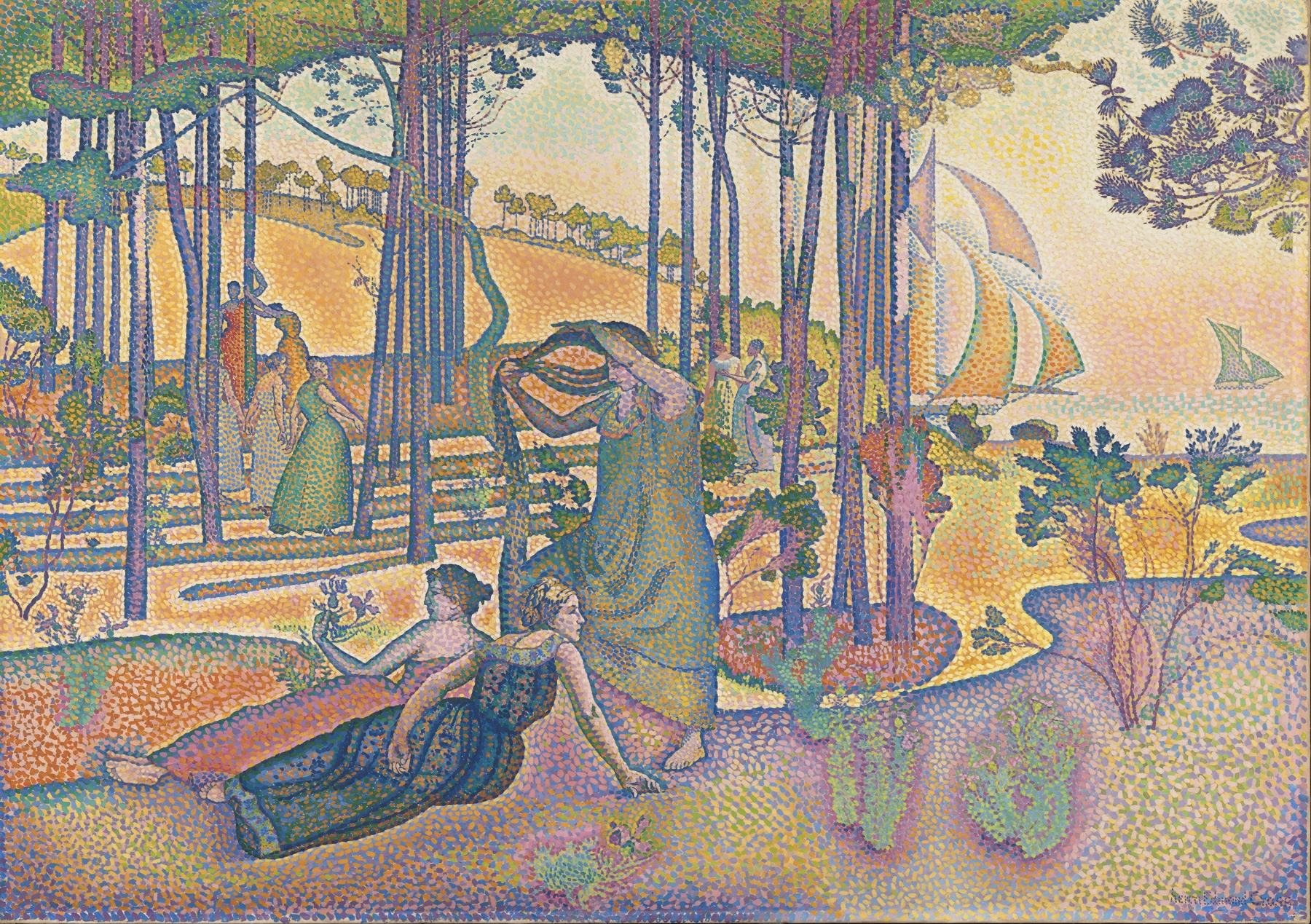
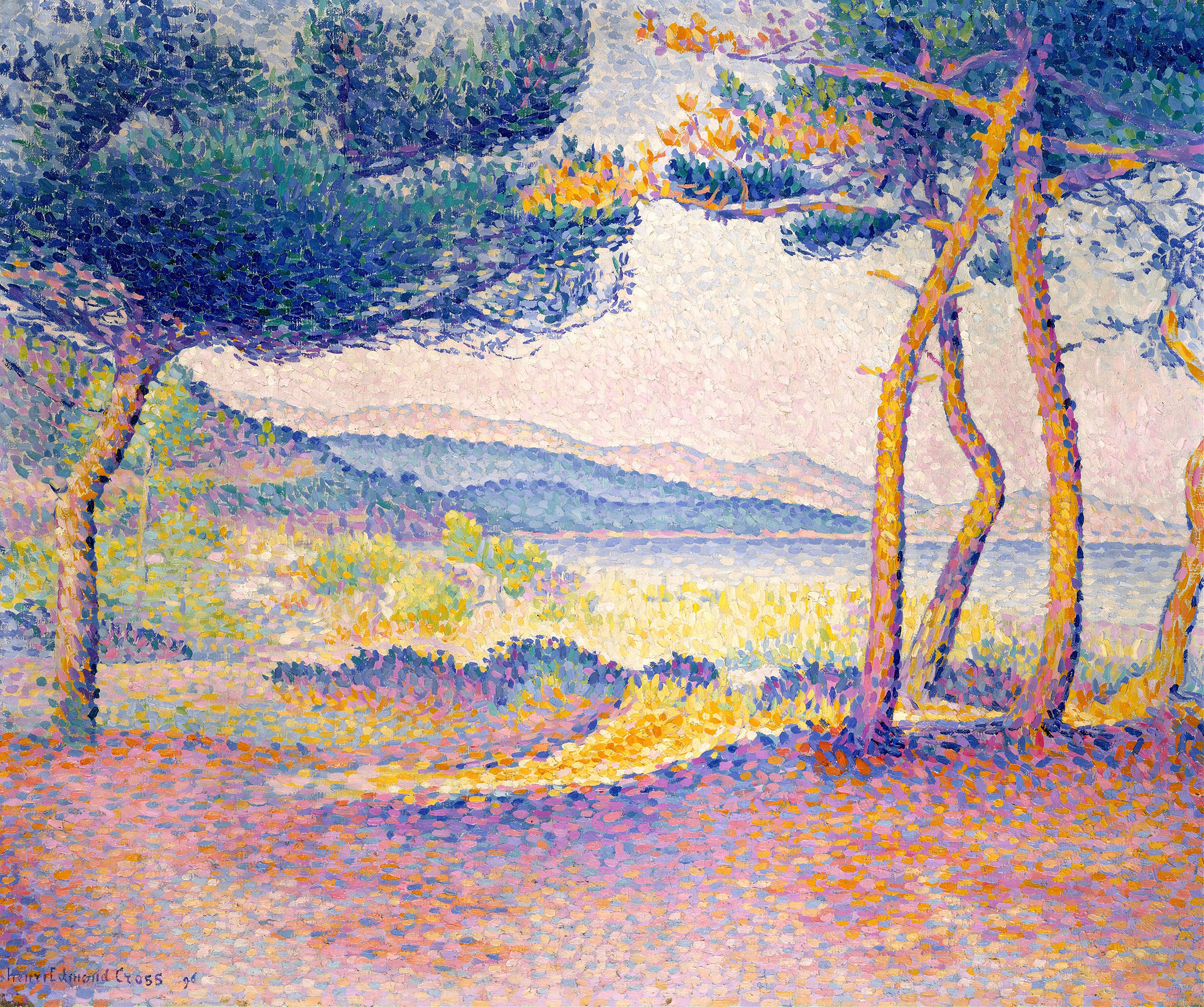
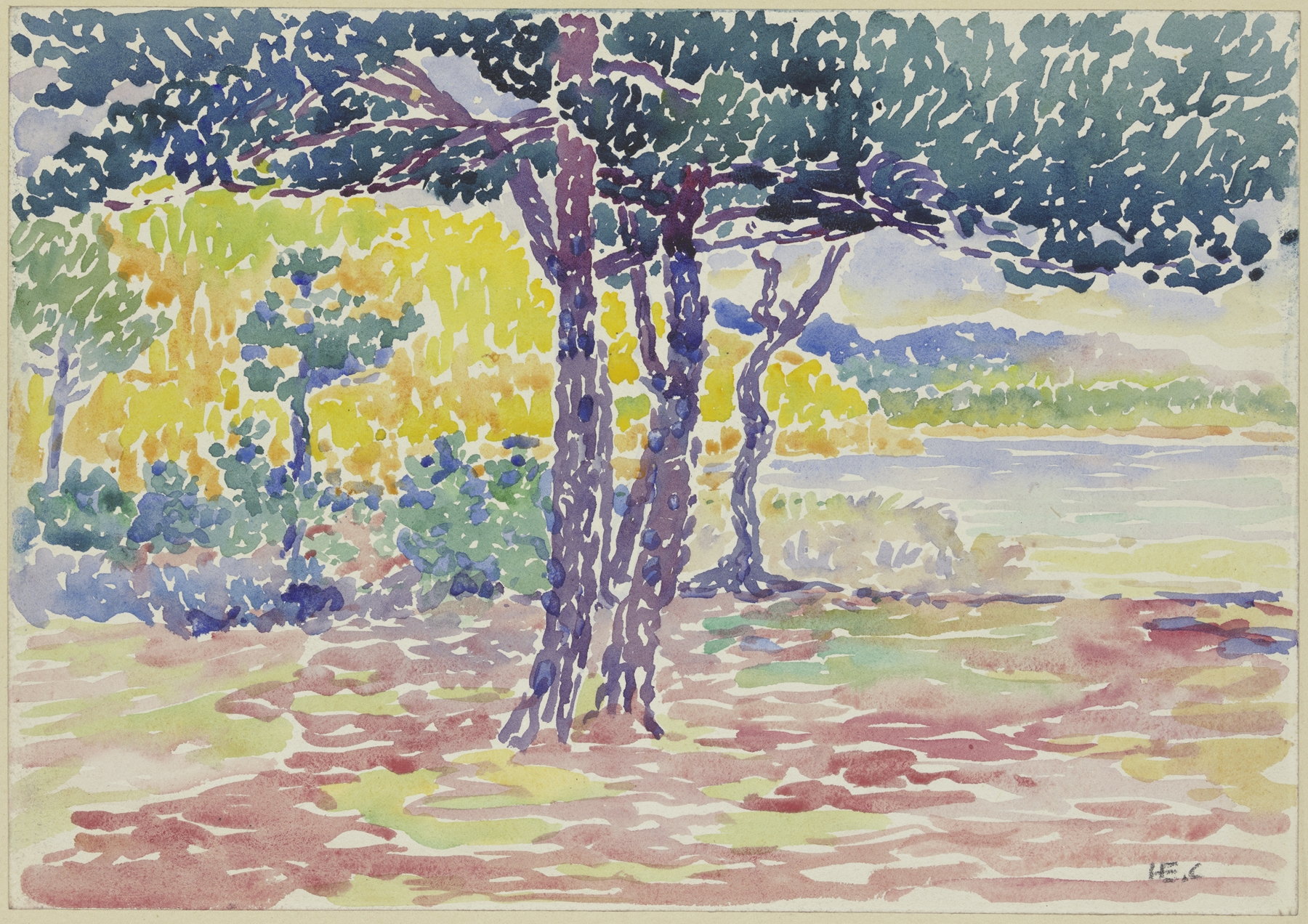
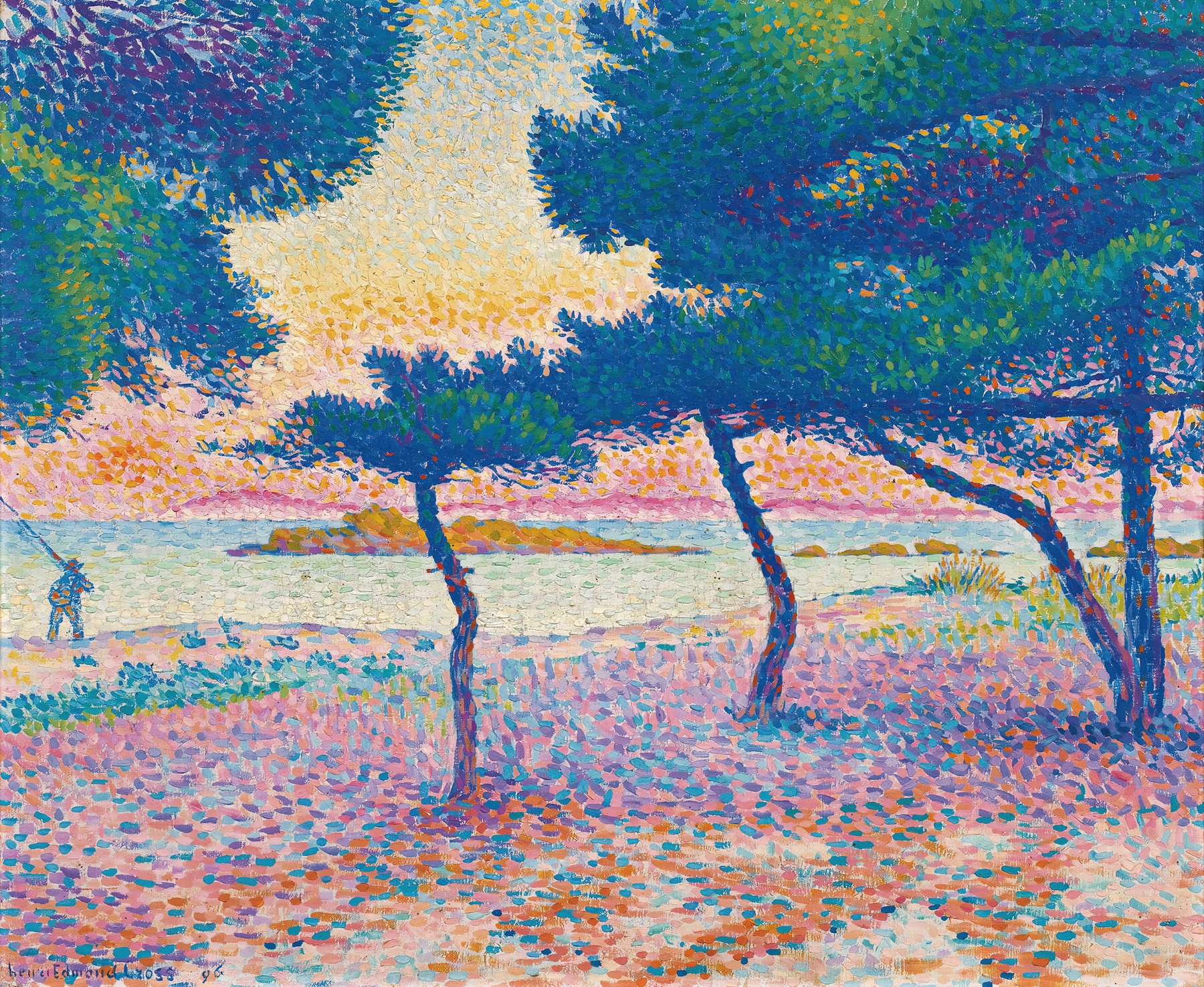
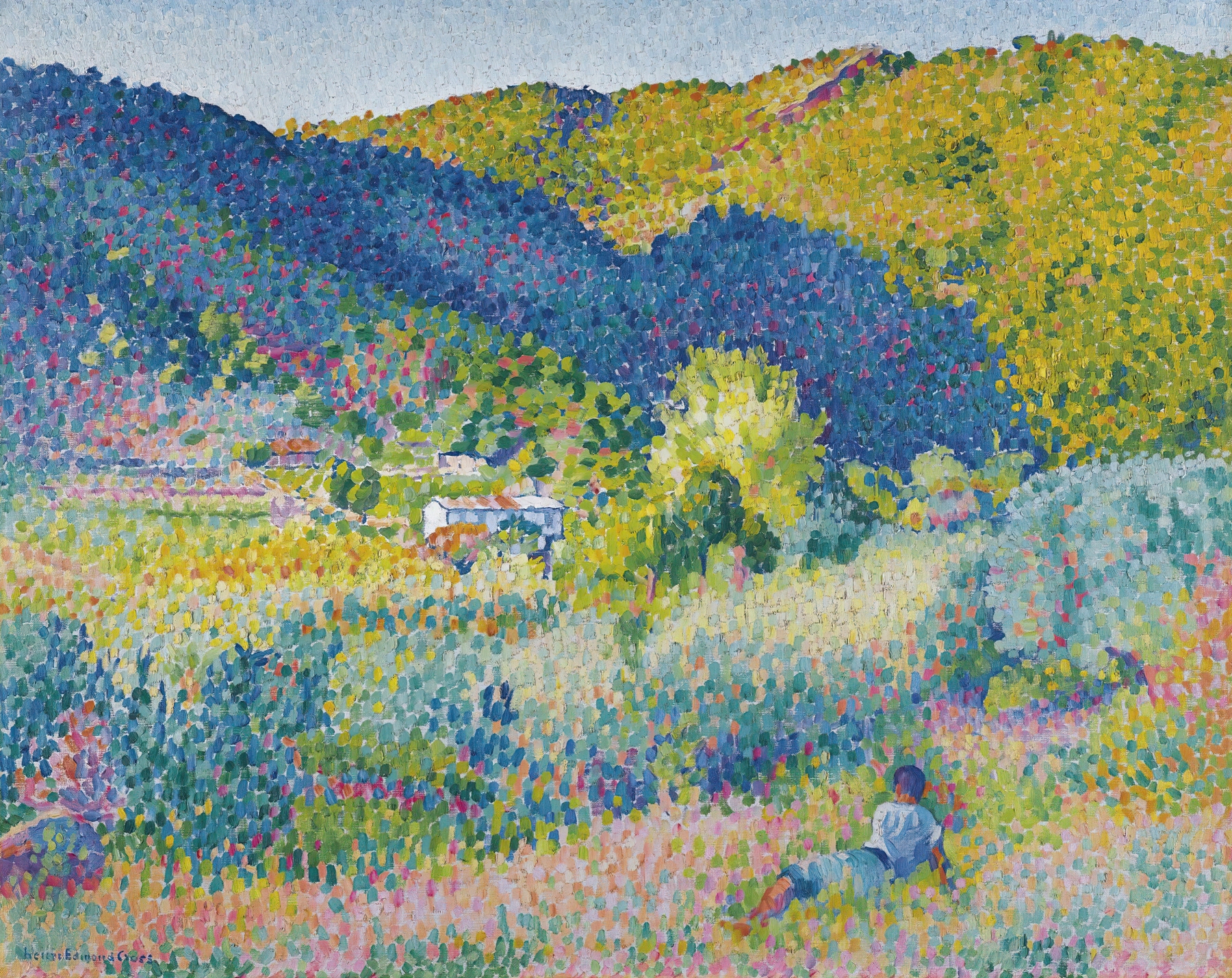
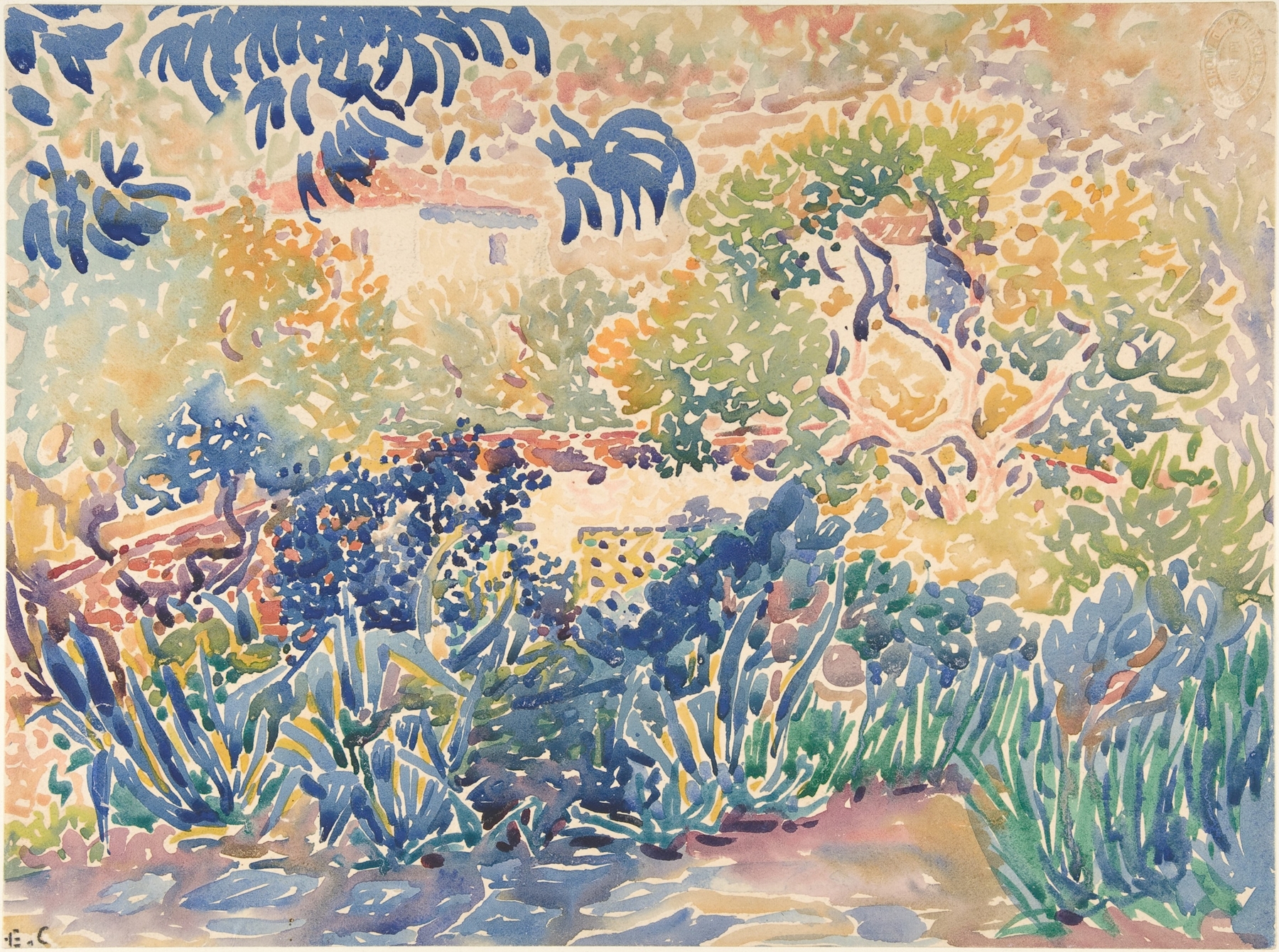
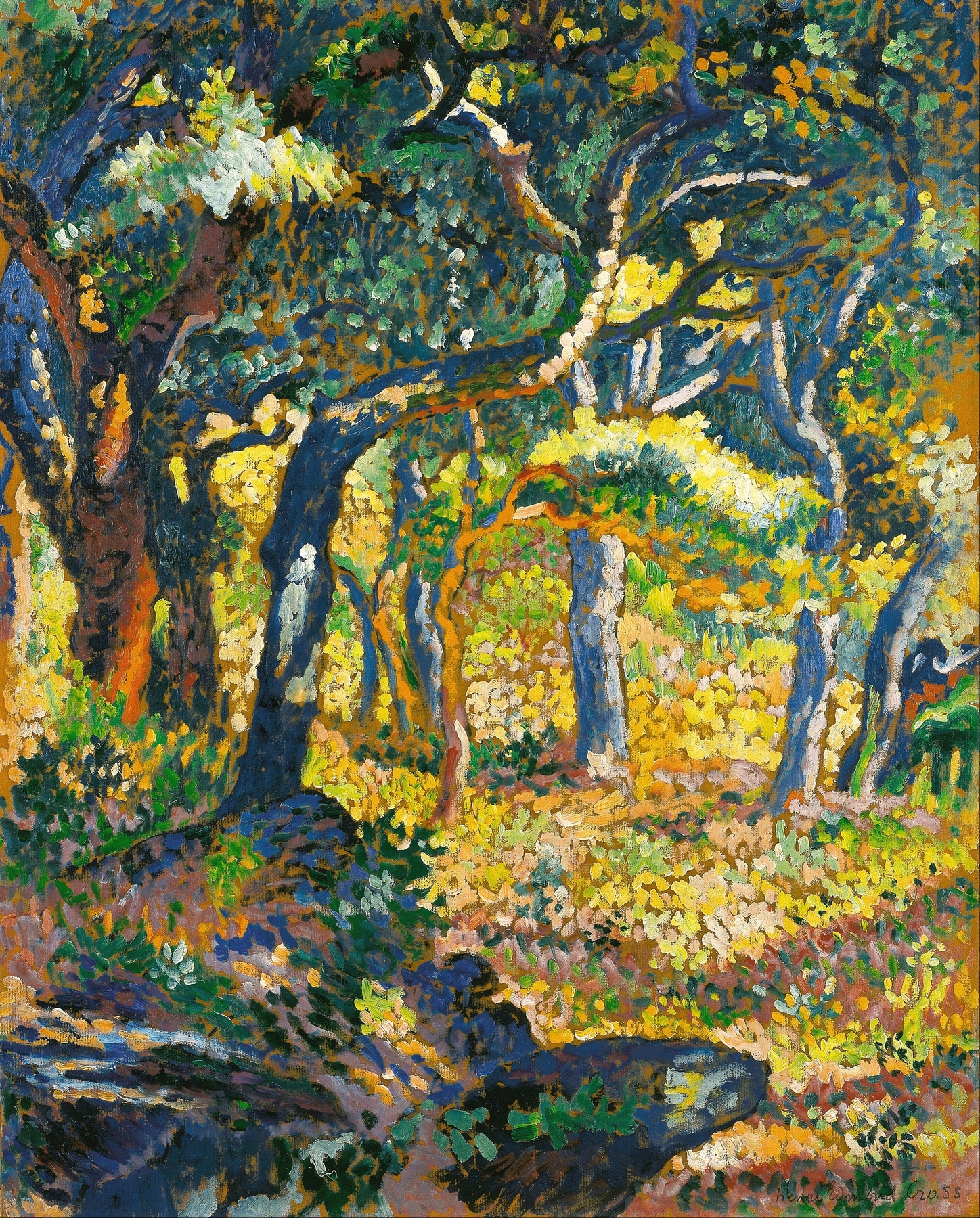
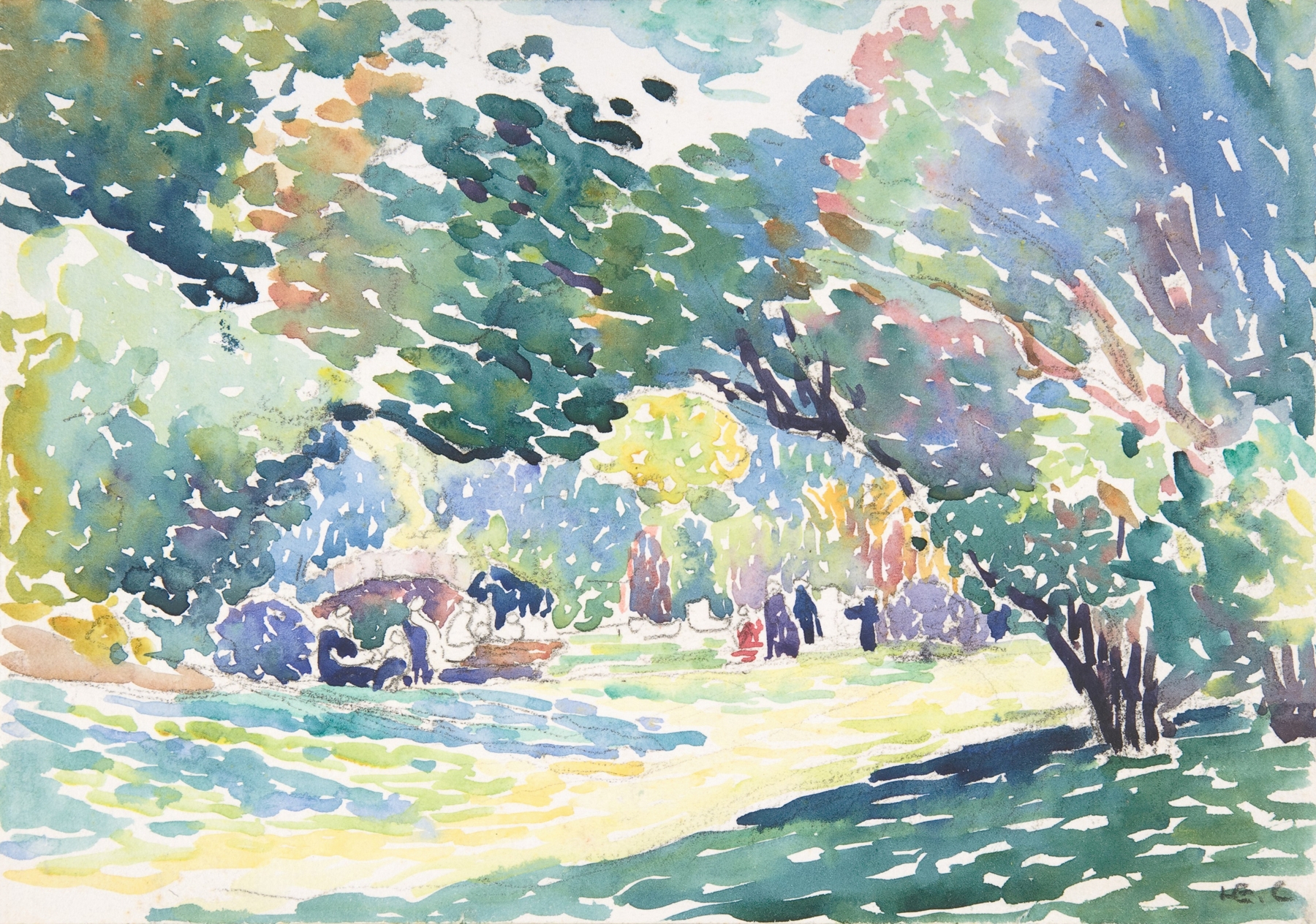
“Between color and silence, truth hides.” Here, the essence of transcendence is captured not merely in the brushstrokes but within the very air between hues, where meaning breathes quietly. Look to the vibrant blues and greens dominating the canvas, where the radiant sun spills over the waters of Murano. The composition draws your eye toward the soft, undulating waves, mirroring the gentle embrace of the sky above. Notice the delicate interplay of light and shadow; the artist masterfully blends colors to evoke the subtle fluctuations of dawn, creating a sense of harmonious balance that invites contemplation.
Amidst the serene beauty lies an exploration of duality—the calmness of the landscape contrasts with the tension of fleeting time. Each brushstroke appears to whisper a story, suggesting moments both lived and imagined. The solitary figures, almost ethereal, beckon the viewer to ponder their own narratives within this tranquil sanctuary, hinting at a deeper connection to nature and existence itself.
In 1903-04, the artist immersed himself in the vibrant colors and light of the southern French coast, searching for ways to express emotion through landscape. This period was significant, marked by a shift toward Impressionism and Neo-Impressionism, as he navigated personal and artistic evolution amidst the tumult of early 20th-century art. His work in Murano, matin reflects not only his technical prowess but also a profound desire for transcendence in the simple beauty of everyday life.