Musicerend paar — History & Analysis
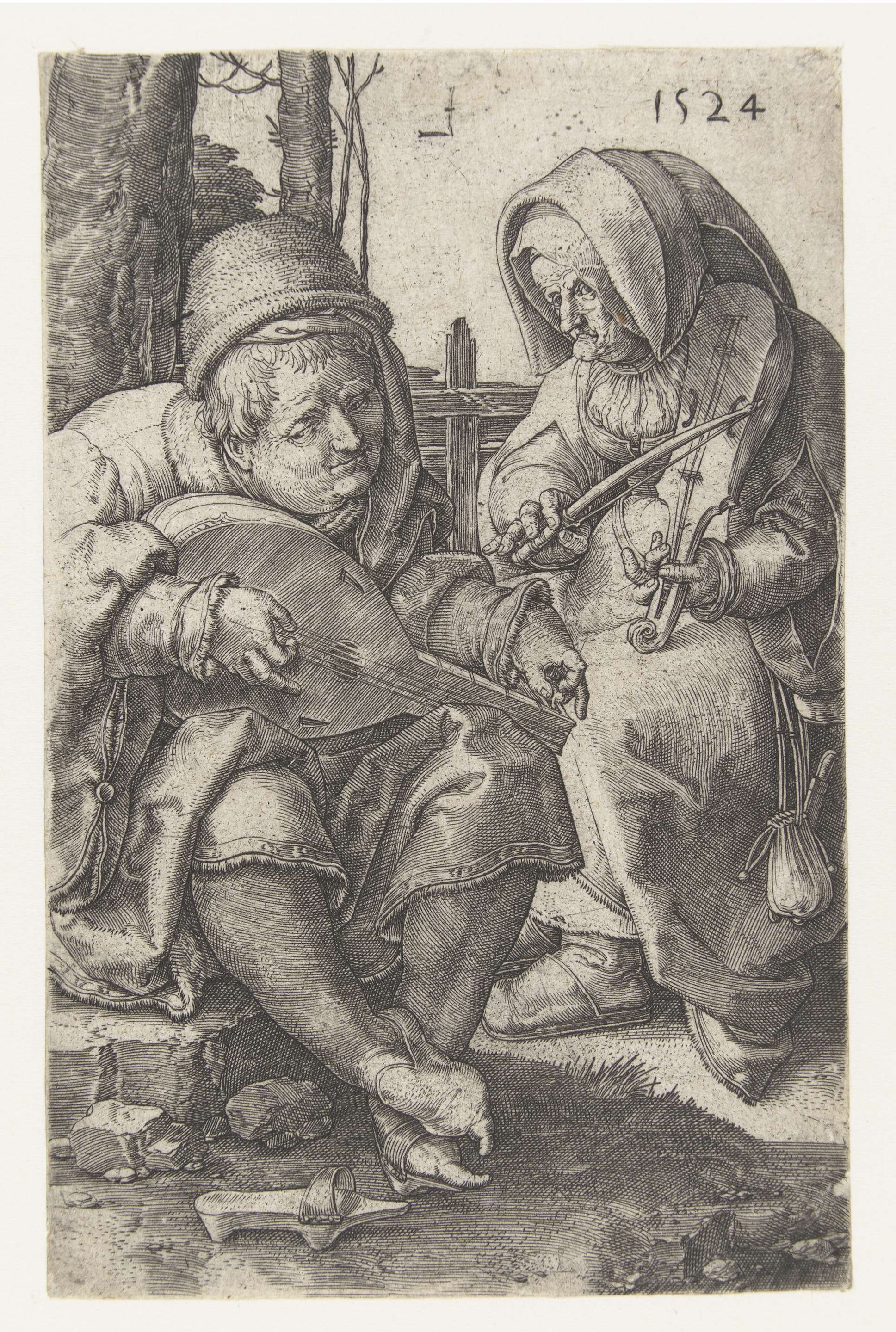
“Sometimes beauty is just pain, disguised in gold.” The allure of the exquisite can often mask an undercurrent of solitude and longing, as if the vibrant tones yearn to echo through the silence of the heart. Look closely at the figures in the foreground; they command attention with their finely detailed garments, intricate patterns intricately woven into the fabric of their being. The musician, resplendent in gilded attire, seems lost in the melody, while his companion, a woman, gazes off into the distance, her eyes betraying an emptiness that contrasts sharply with the richness surrounding them. The play of light emphasizes the curves of their forms, casting soft shadows that hint at the emotional depths beneath their serene façades.
In this intimate moment, the contrast between the vibrancy of the colors and the subdued expressions of the figures reveals an intriguing tension. The musicianship speaks of connection and joy, yet the woman’s distant gaze suggests a void, a yearning for something beyond mere sound. This juxtaposition invites contemplation of the complexities of beauty, where art can be both a celebration and a reminder of the loneliness that often lies beneath the surface.
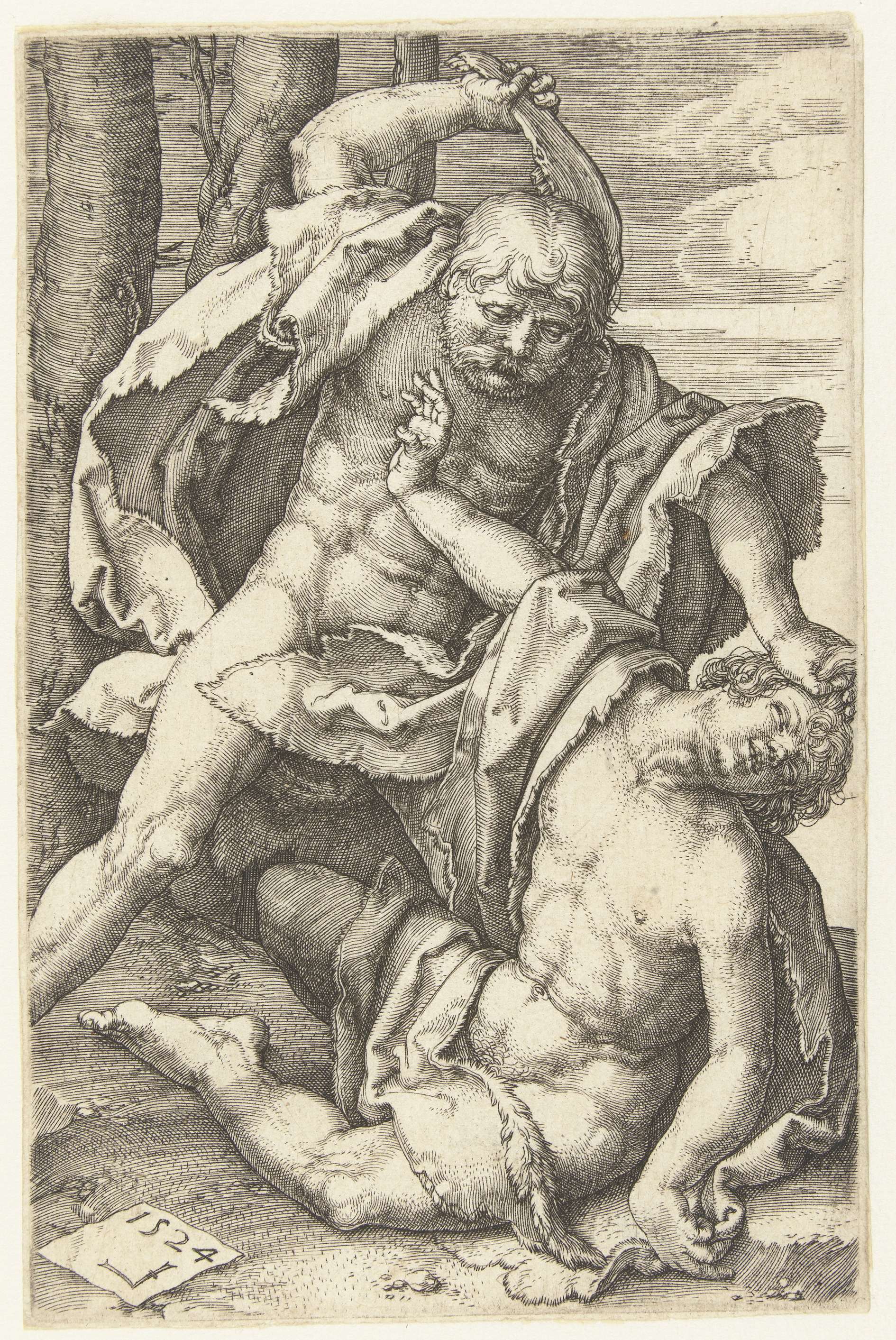
Lucas van Leyden created this piece in 1524 during a period of artistic transition in the Northern Renaissance. He was emerging as a prominent figure while navigating the shifting tides of artistic influence, blending traditional Flemish techniques with new ideas. At this time, he was honing his skills in printmaking and painting, striving to address themes of emotion and humanity that resonated deeply with viewers; Musicerend paar embodies this exploration of beauty intertwined with the haunting specter of emptiness.