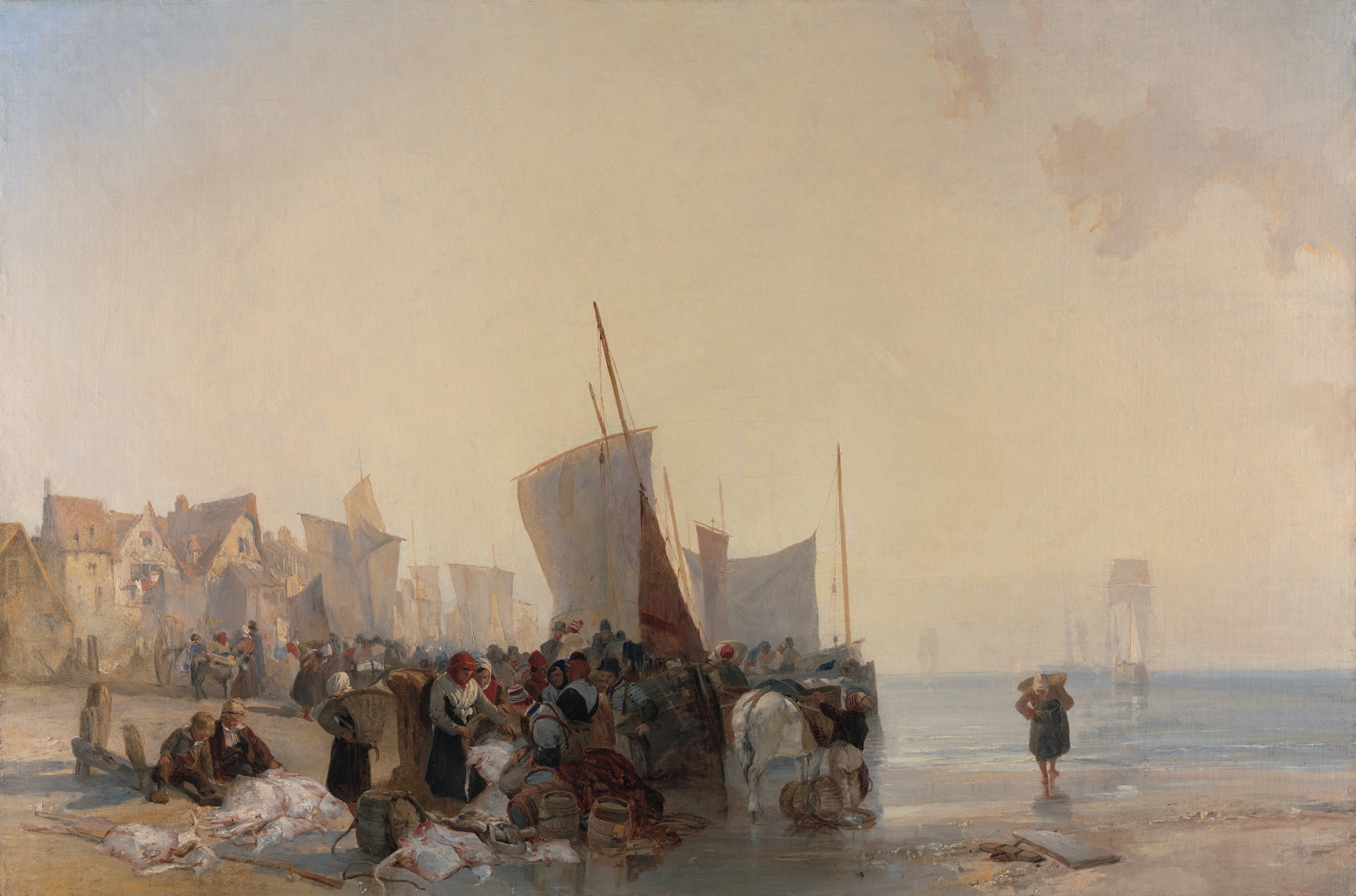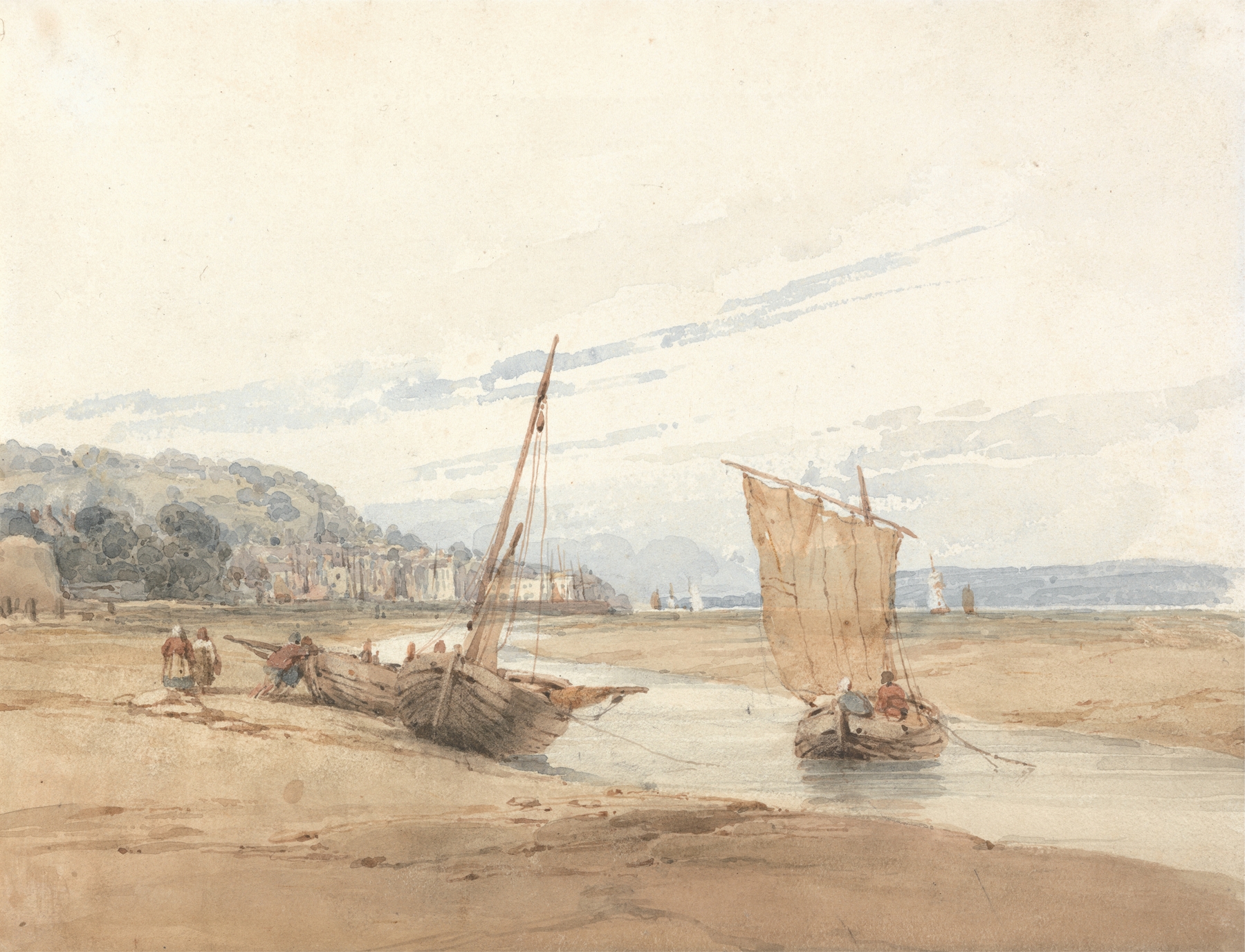
Near Honfleur — History & Analysis
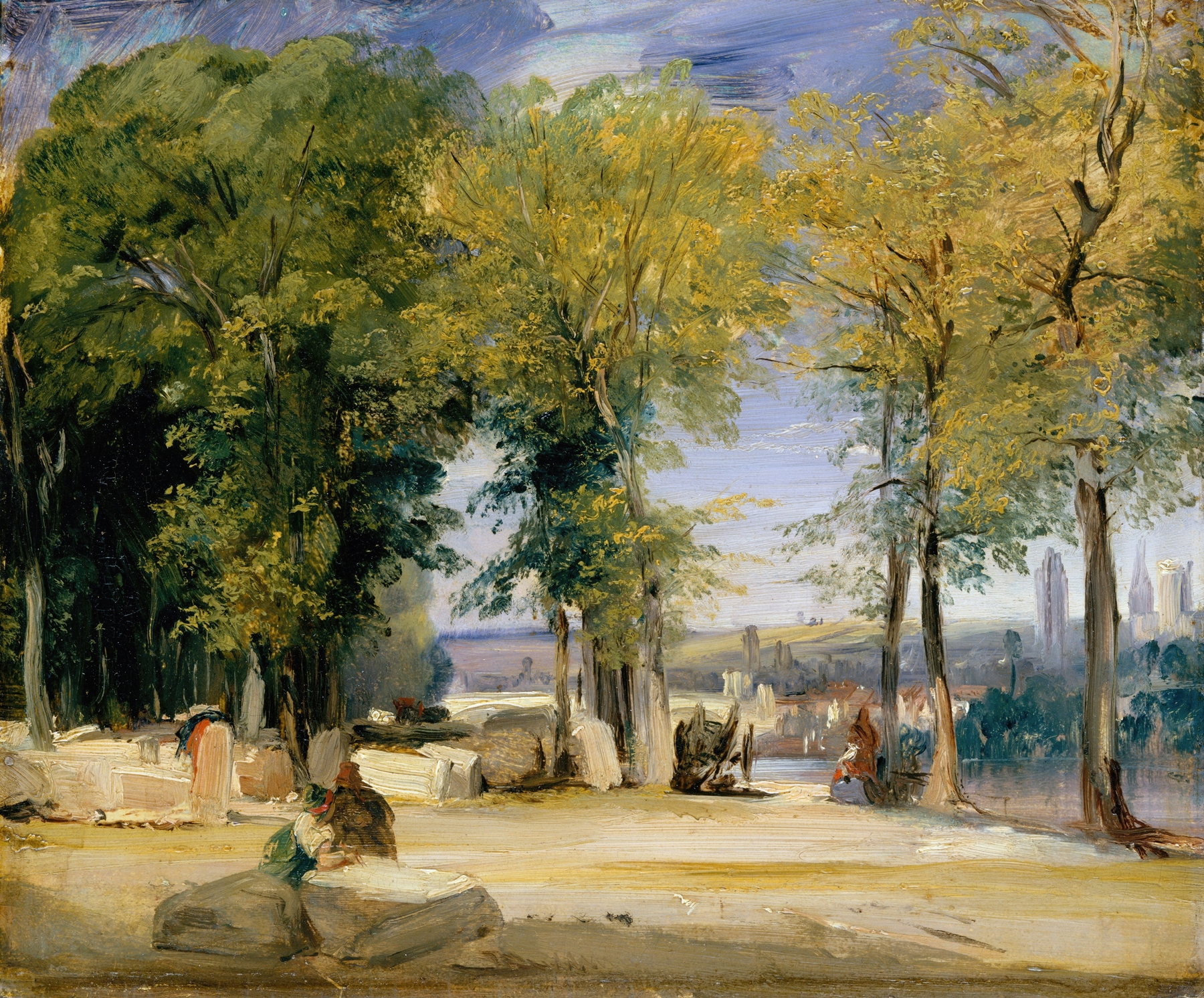
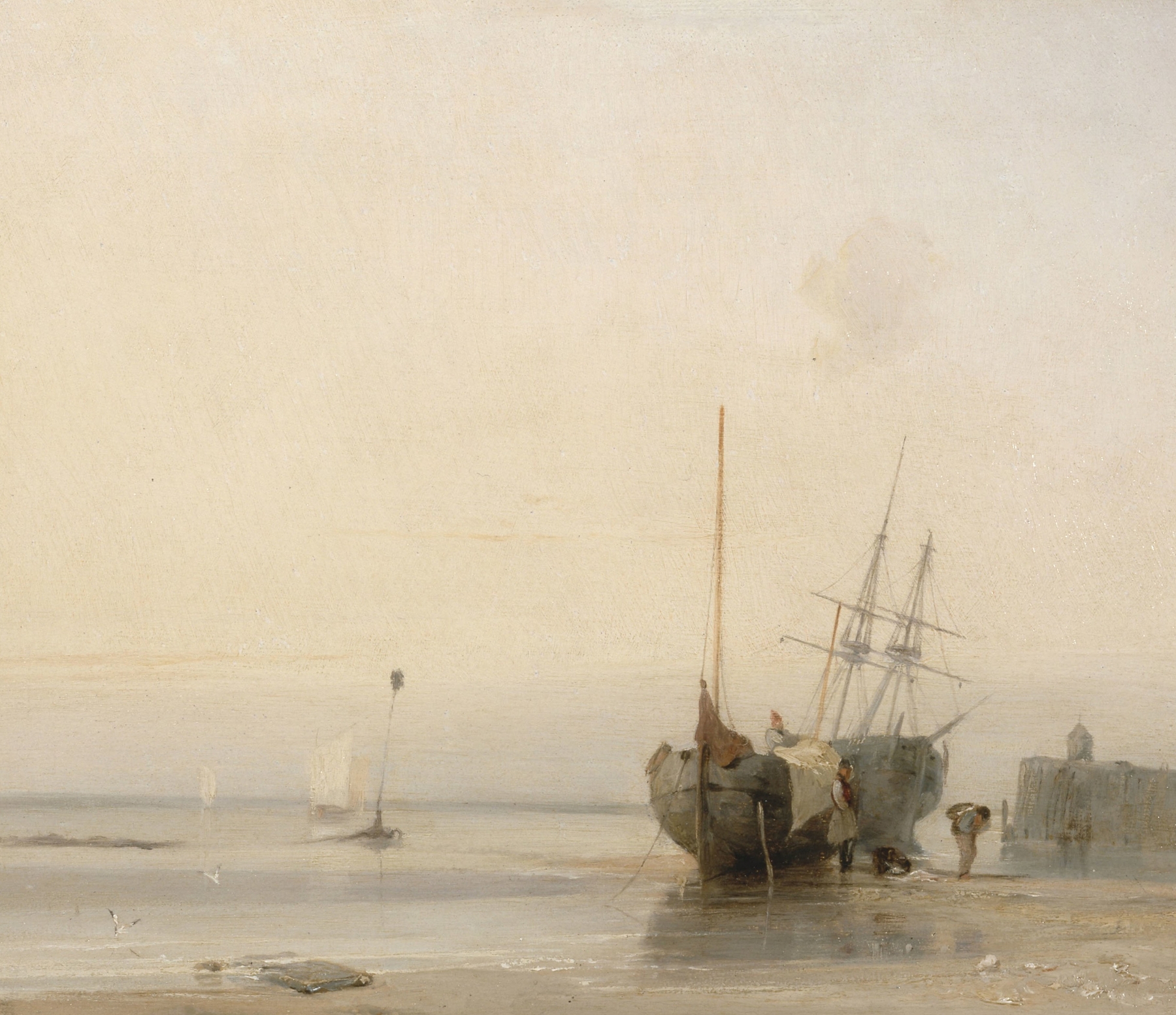
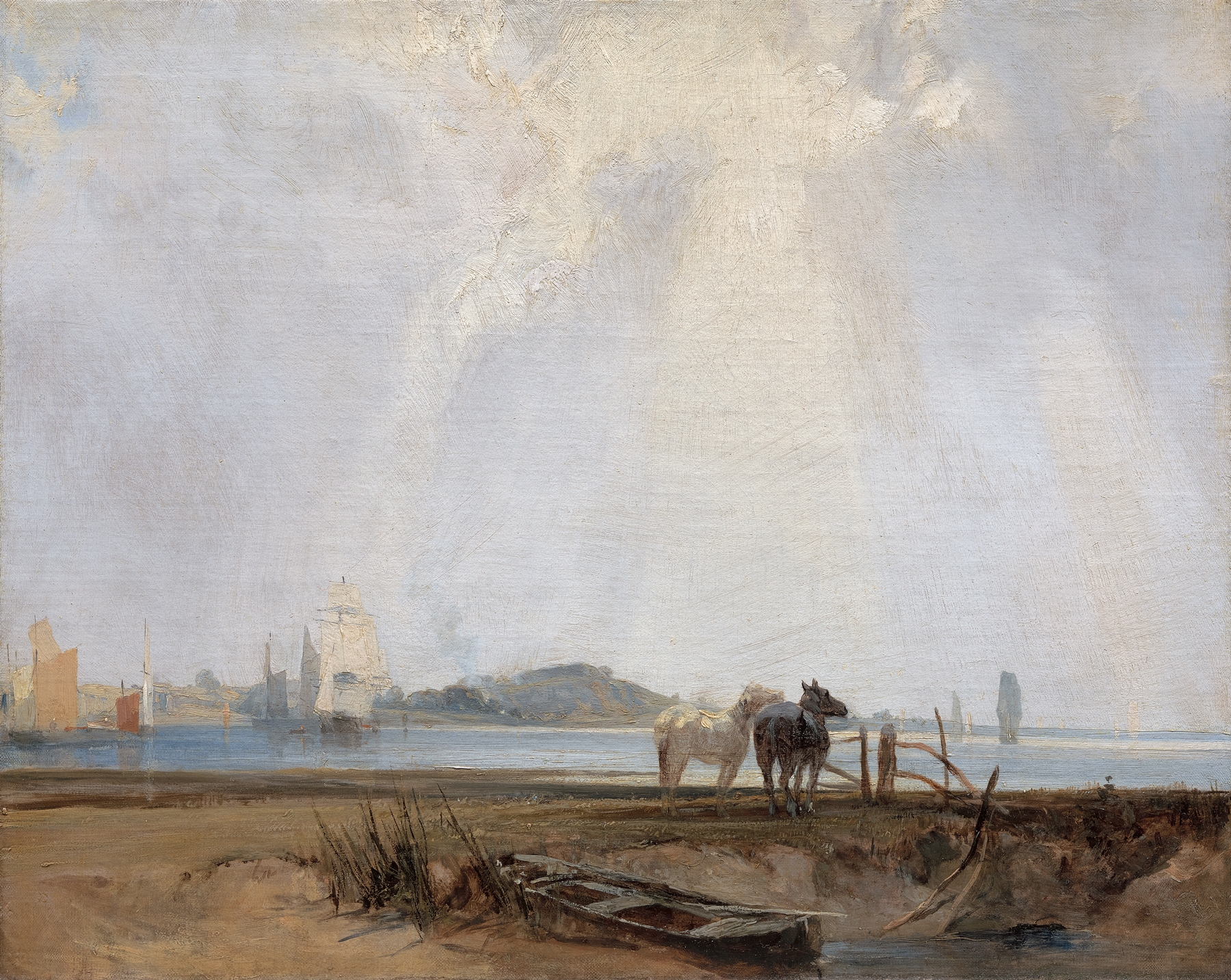
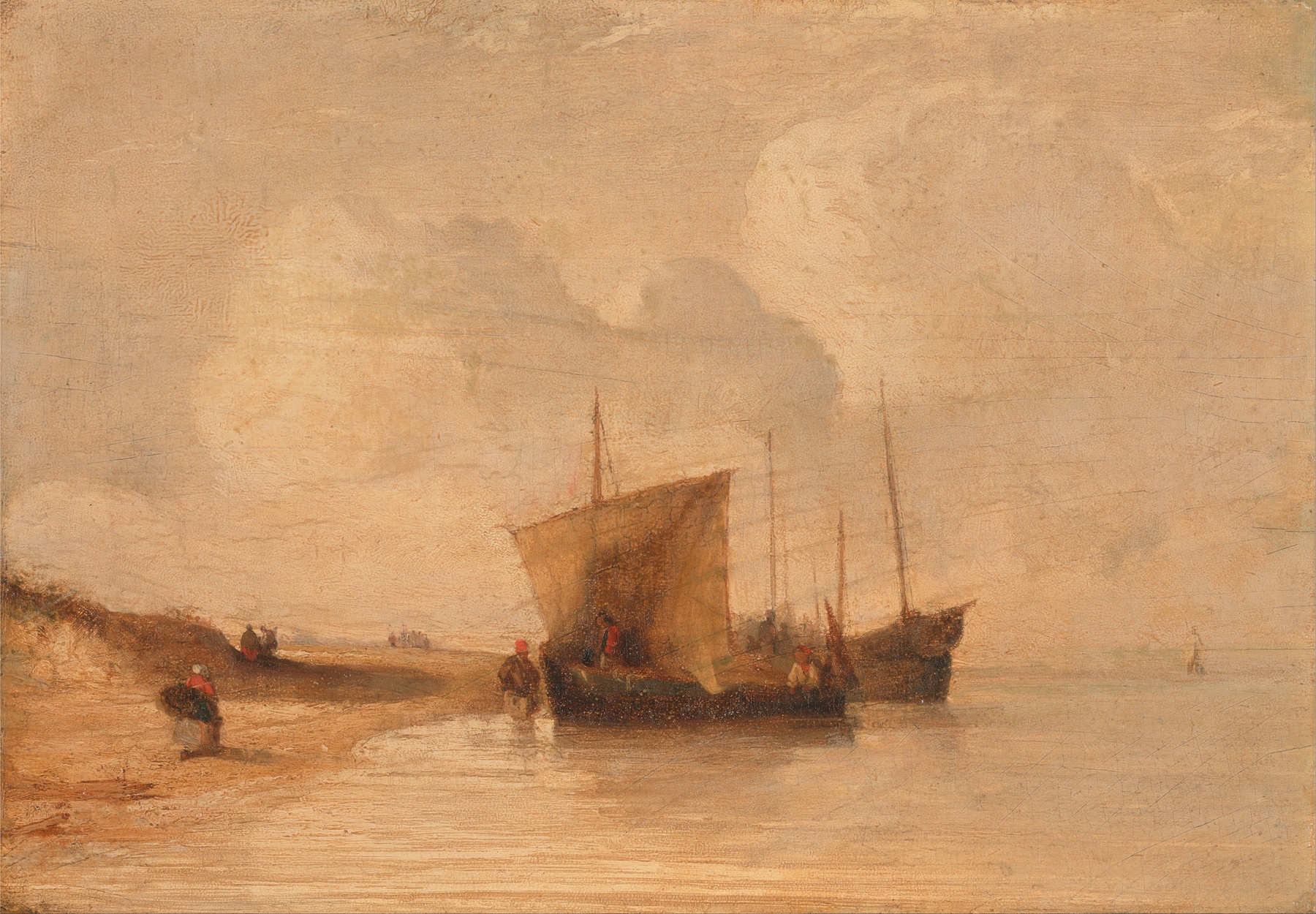
“The canvas doesn’t lie — it simply waits.” In the stillness of a moment captured, the beauty of the natural world collides with the essence of reflection, inviting viewers into a realm where the mundane becomes extraordinary. Start by examining the tranquil waters at the painting's center. Look closely to see how the gentle strokes create a mirrored surface that perfectly captures the sky's soft hues. You will notice the subtle interplay of color, where the blues and grays of the water echo the delicate pastels above, pulling you into a dialogue between land and sky.
The composition leads your gaze to the horizon, where figures stand at the water’s edge, their silhouettes softened by the ambient light. What is most striking about this piece is the emotional resonance found in the contrast between the stillness of the water and the fleeting nature of the figures. There is a palpable tension between permanence and impermanence, as the surroundings seem to cradle the ephemeral moments of human existence. The reflections beckon contemplation, suggesting that life, like the water, is often a transient phenomenon layered with complexity and quiet beauty.
In 1823, during a pivotal period in his career, the artist created this work while in France, immersed in an artistic community that embraced Romanticism. At this time, Bonington was exploring the interplay of light and atmosphere, striving to capture nature's evanescent qualities. His experiences in Honfleur and the surrounding regions would profoundly influence his style, marking a significant chapter in his artistic development and the broader evolution of landscape painting.