Near Newport — History & Analysis
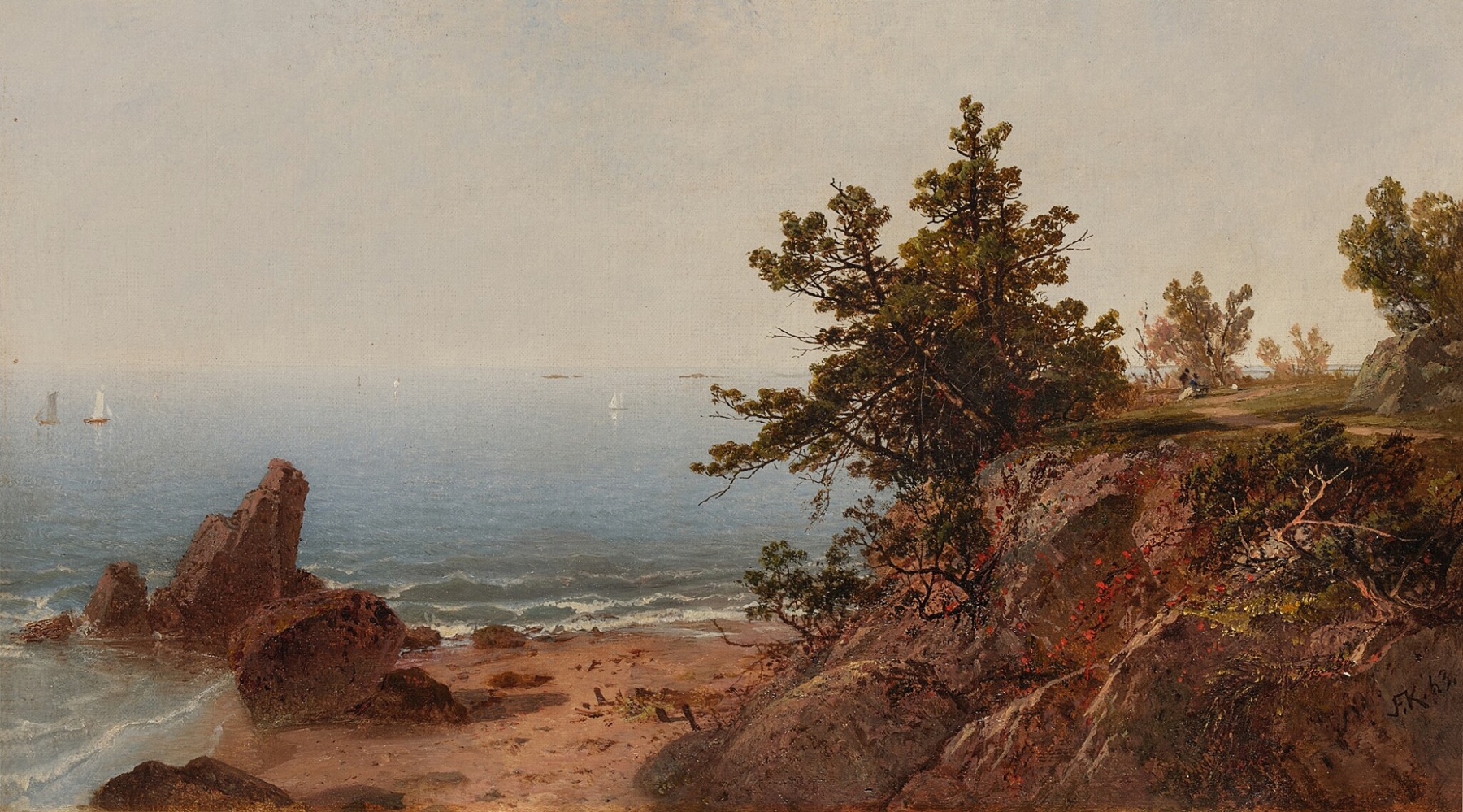
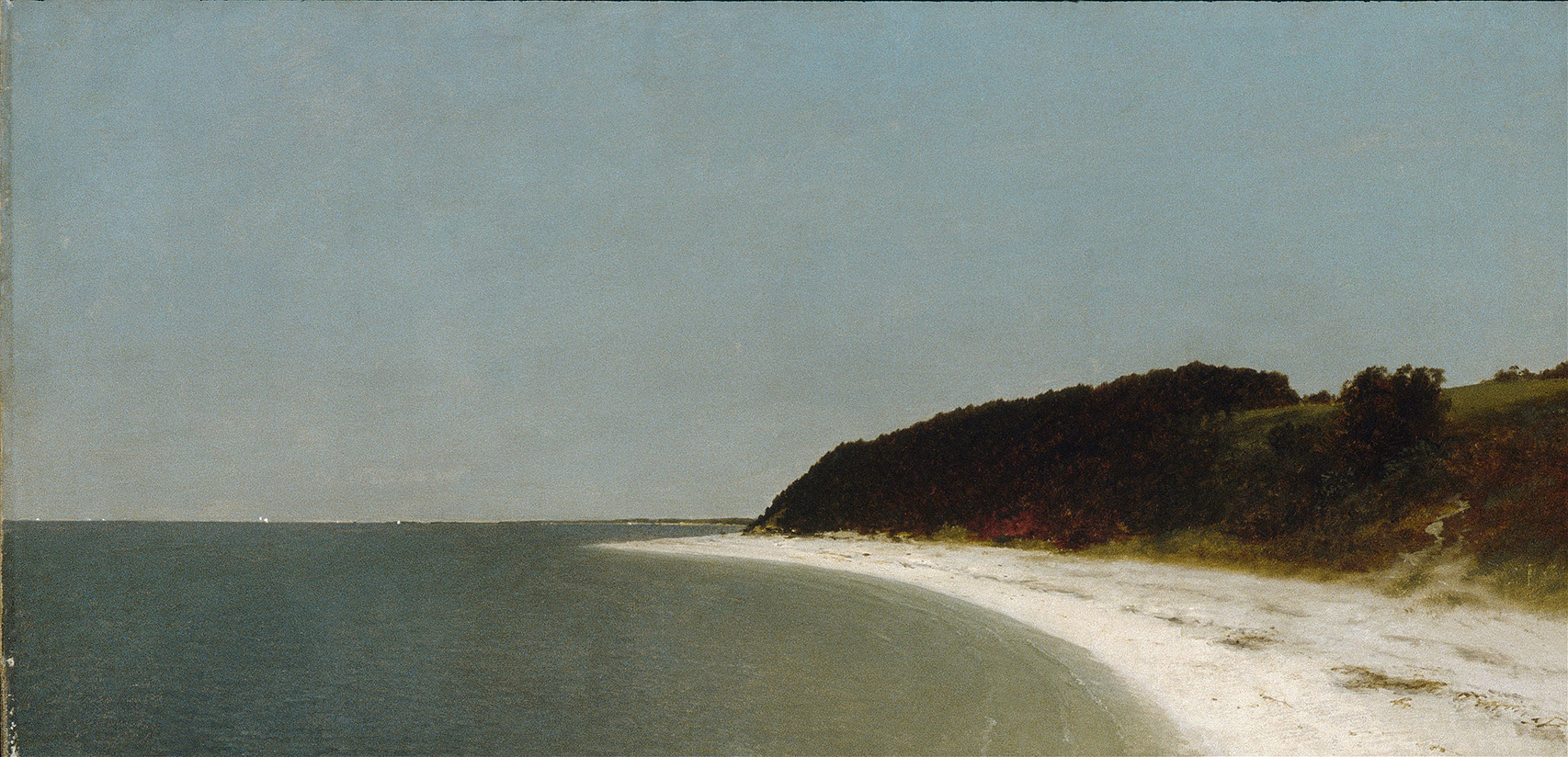
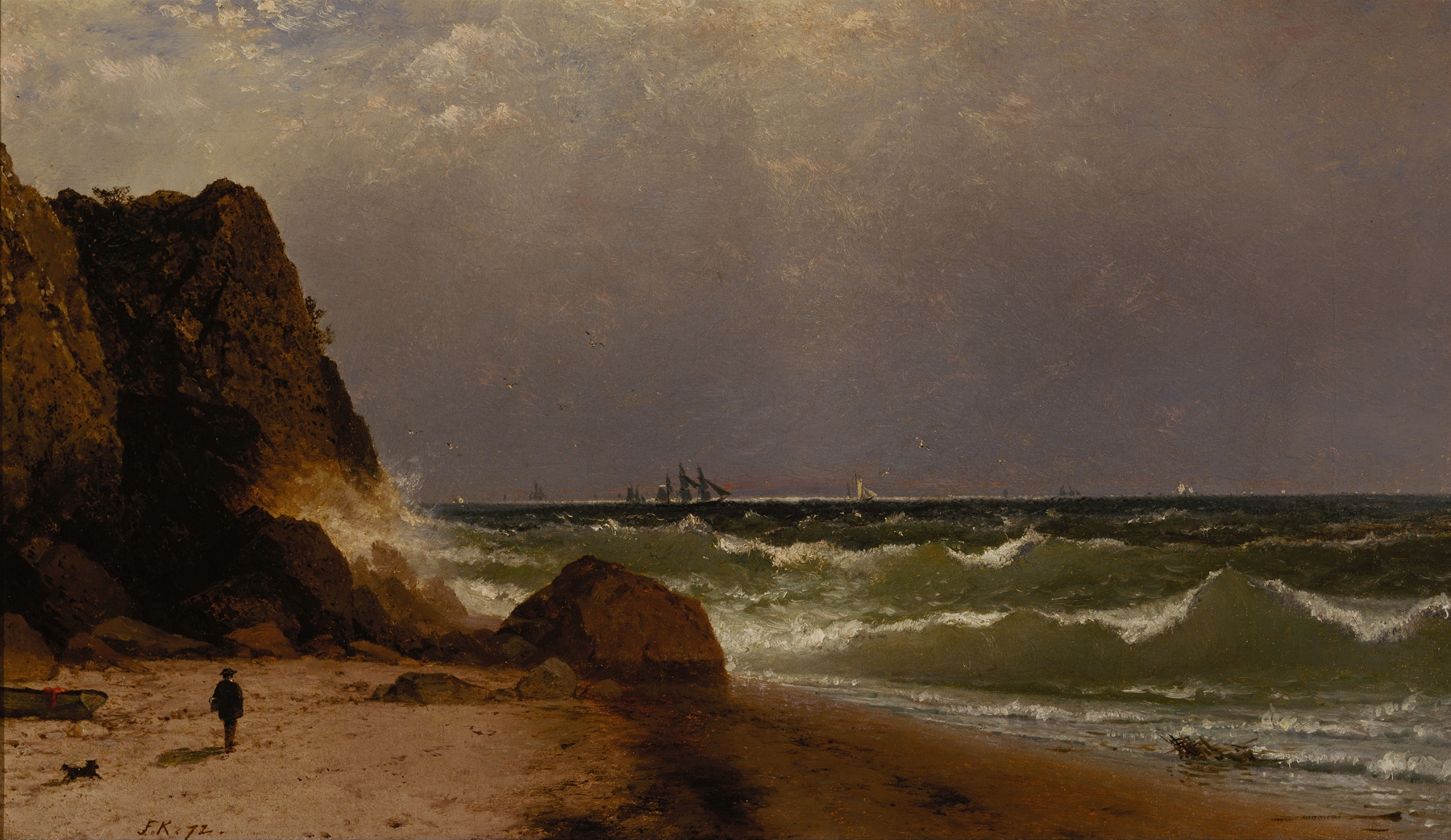
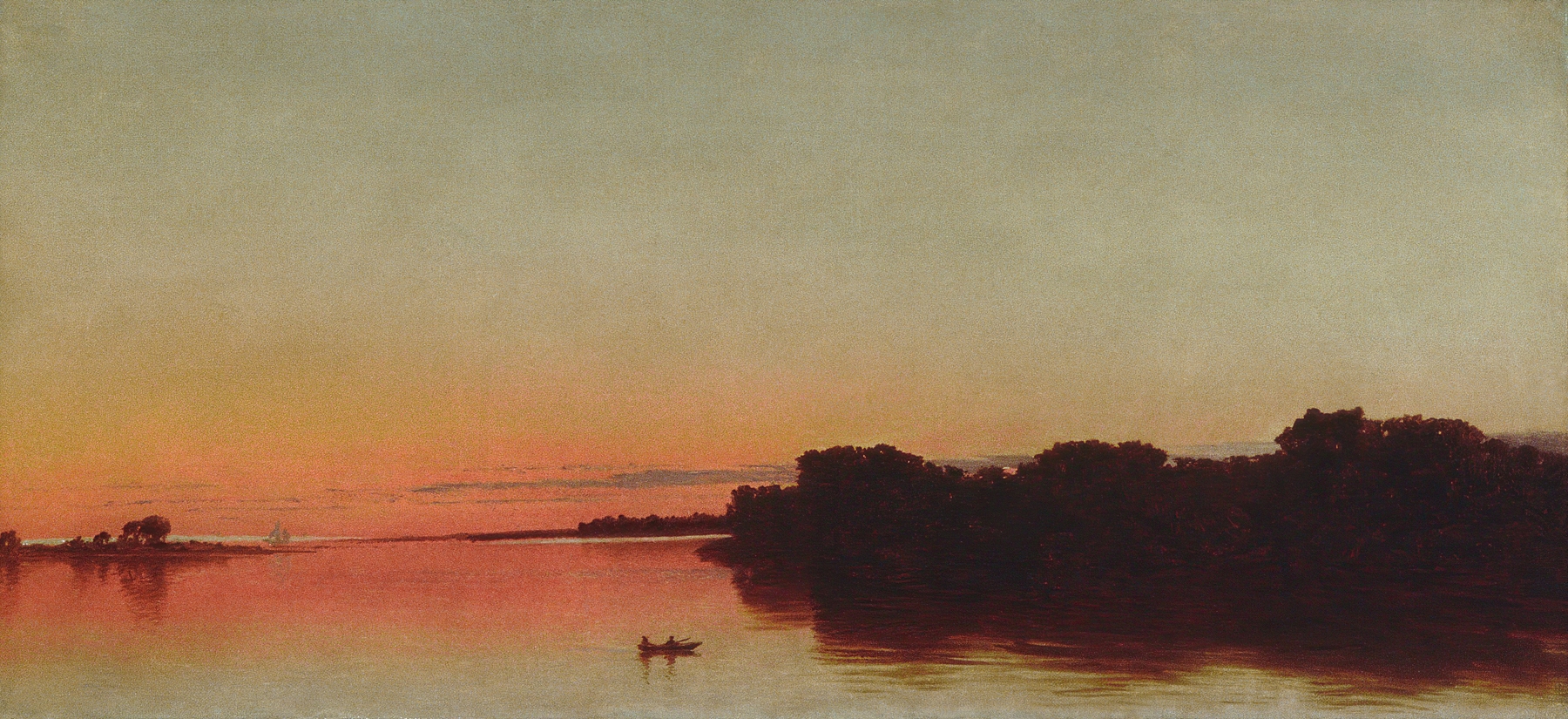
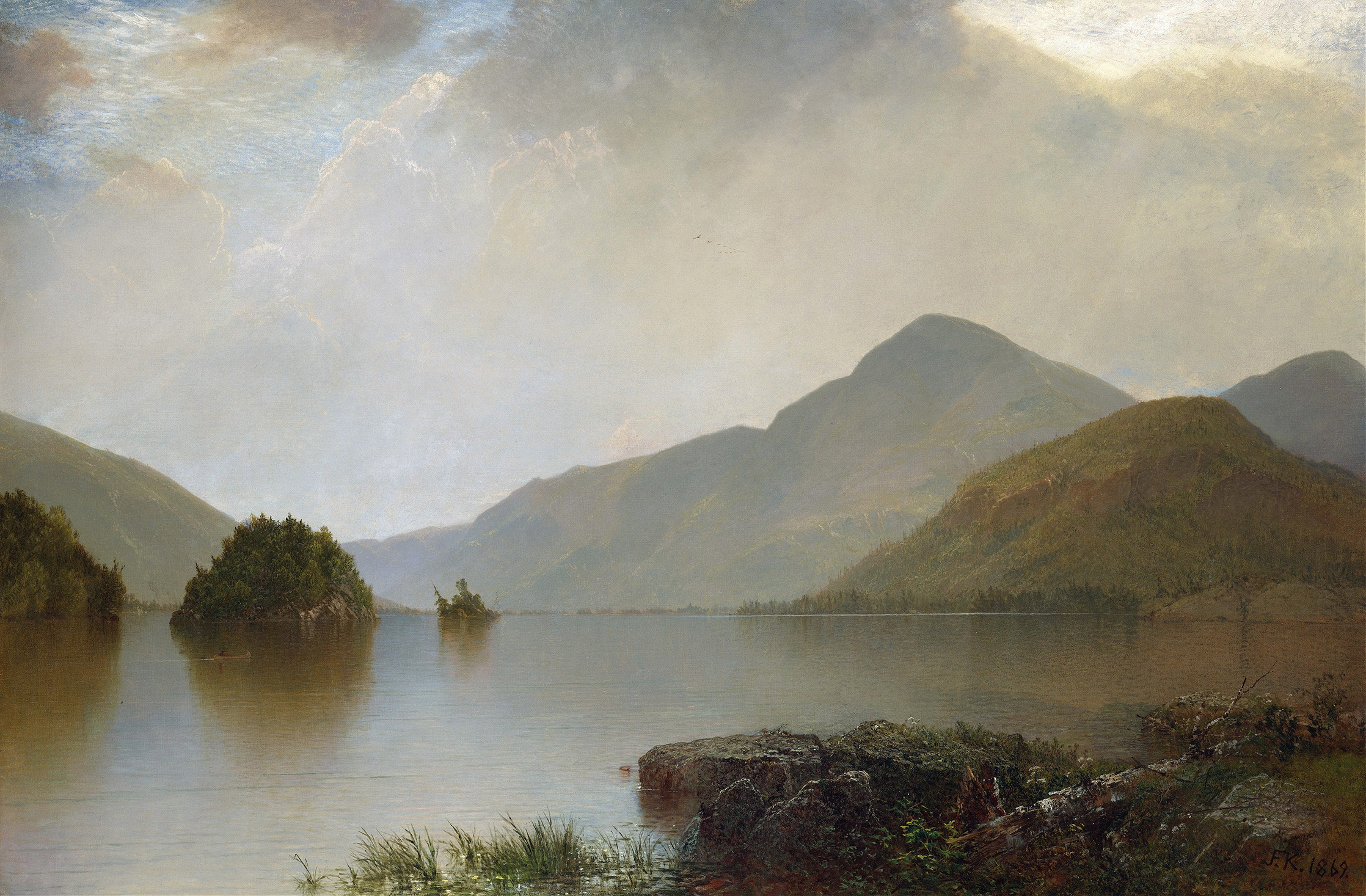
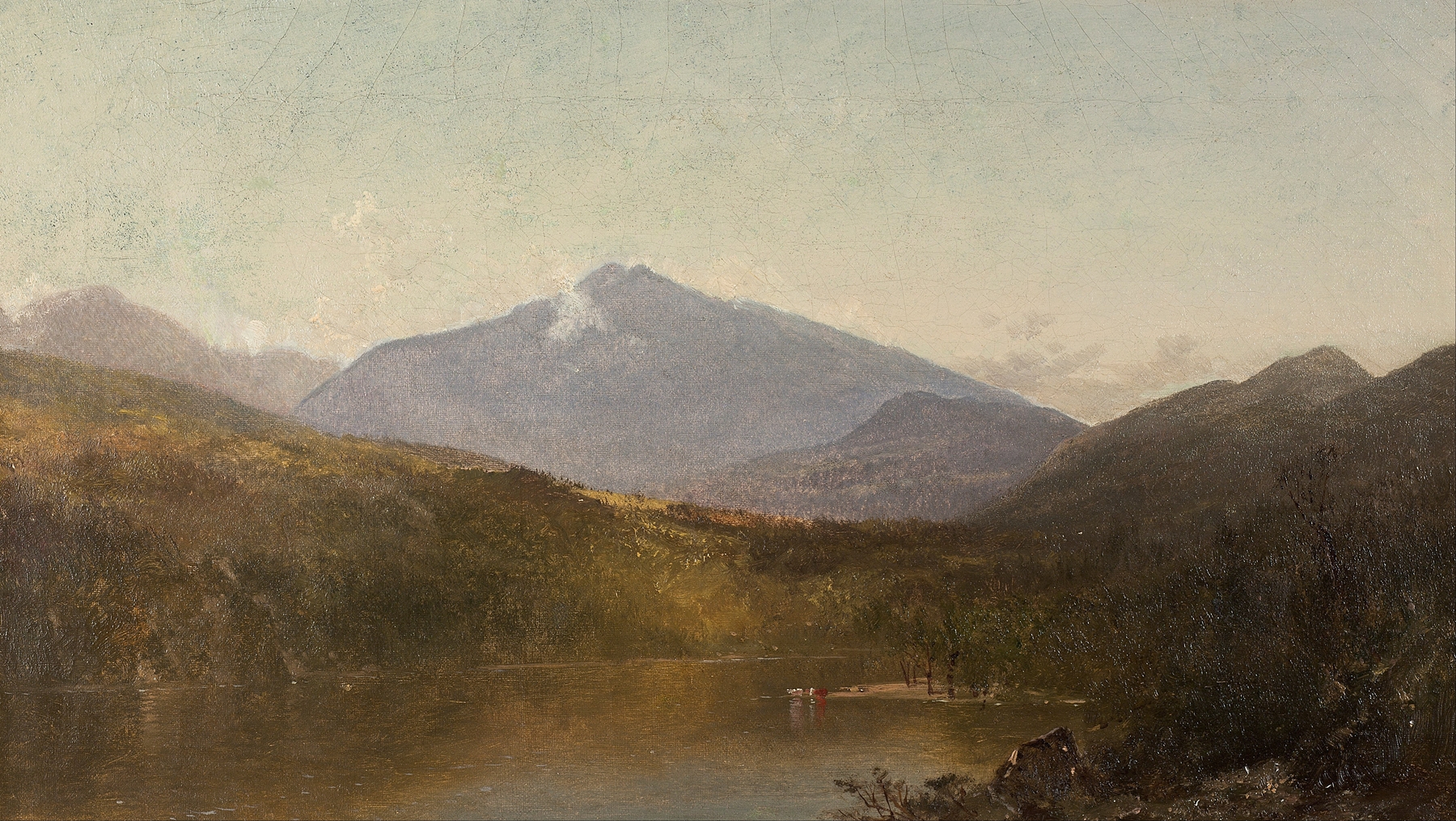
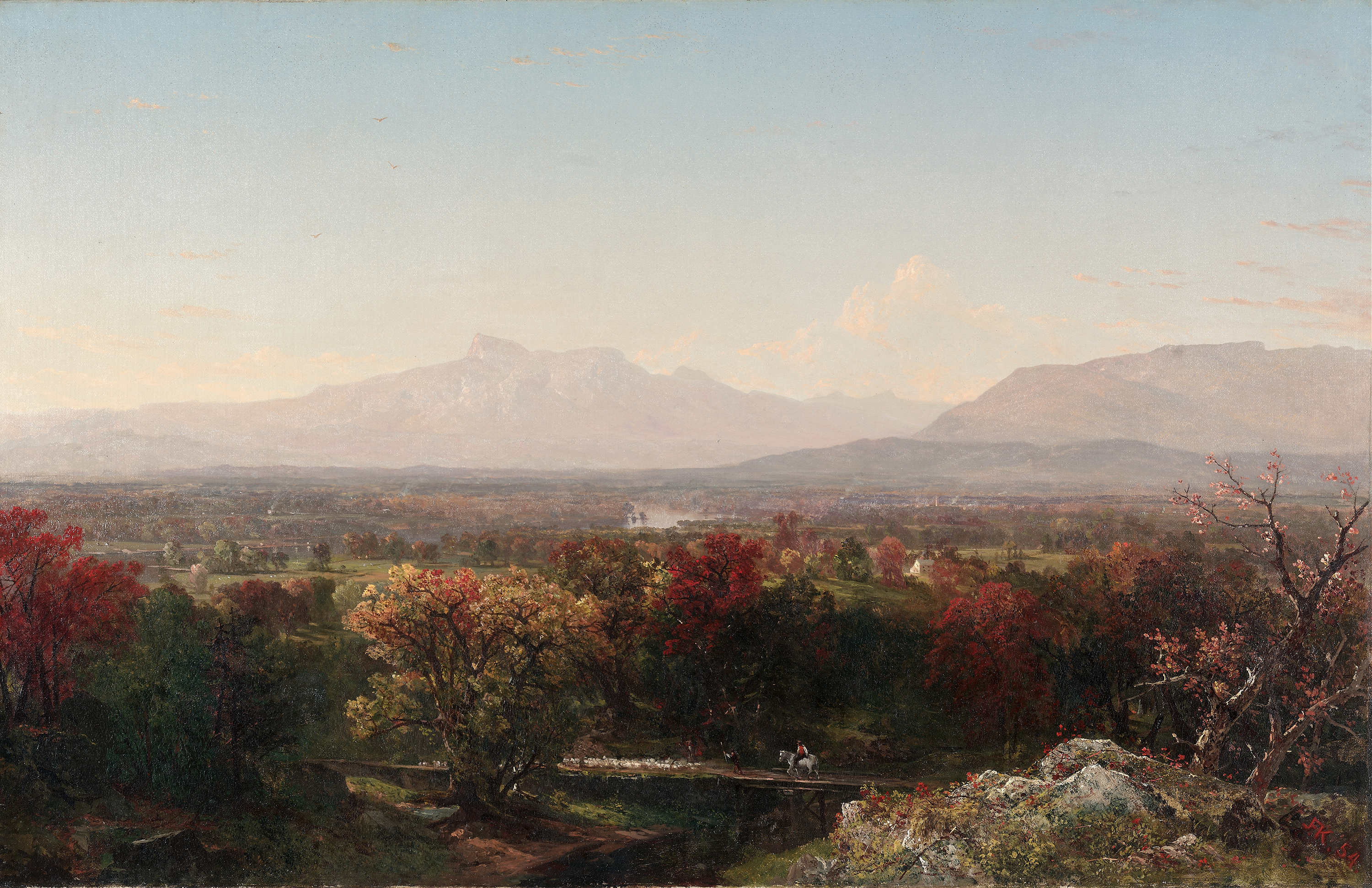
“Between color and silence, truth hides.” Such a delicate balance invites exploration, as the awakening of a new day unfolds within a frame. Focus on the horizon, where the soft pastels of dawn blend with tranquil blues and gentle whites. The water, reflecting the ethereal light, dances in calm ripples as if whispering secrets of the day ahead. To the left, the rugged cliffs stand in contrast, their earthy tones grounding the composition, while a cluster of trees hints at life’s quiet resilience.
This interplay of stillness and movement creates a serene, contemplative atmosphere that beckons the viewer to pause. Within this scene lies a powerful tension between the vitality of nature and the solitude of human existence. The lush greenery, vibrant yet restrained, symbolizes awakening not just in nature but in our own lives. Each brushstroke captures the fleeting moment of dawn, a reminder that every day presents new beginnings, yet the landscape's stillness evokes a sense of introspection and peace.
This duality invites us to reflect on our own journeys amidst the backdrop of life’s persistent cycles. John Frederick Kensett created Near Newport in 1869, during a period marked by the rise of the Hudson River School, where artists began to embrace the American landscape as an expression of national identity. At this time, Kensett was refining his style, focusing on capturing the atmospheric effects of light and color, a testament to his deep appreciation for nature and its emotional resonance. As America transitioned through the Civil War and into a phase of reconstruction, Kensett’s works offered a serene escape, emphasizing nature’s enduring beauty amidst societal upheaval.