Negen mannen — History & Analysis
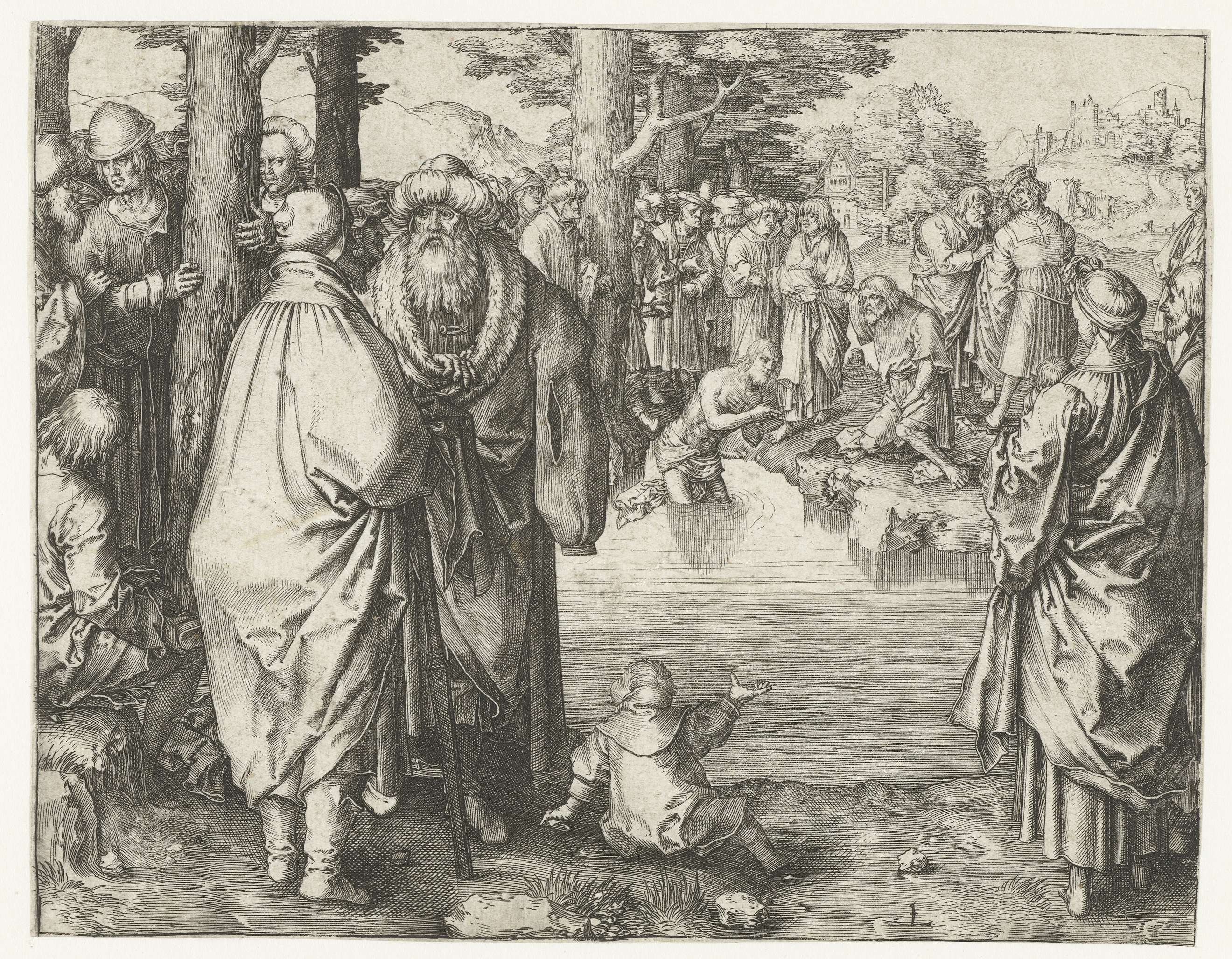
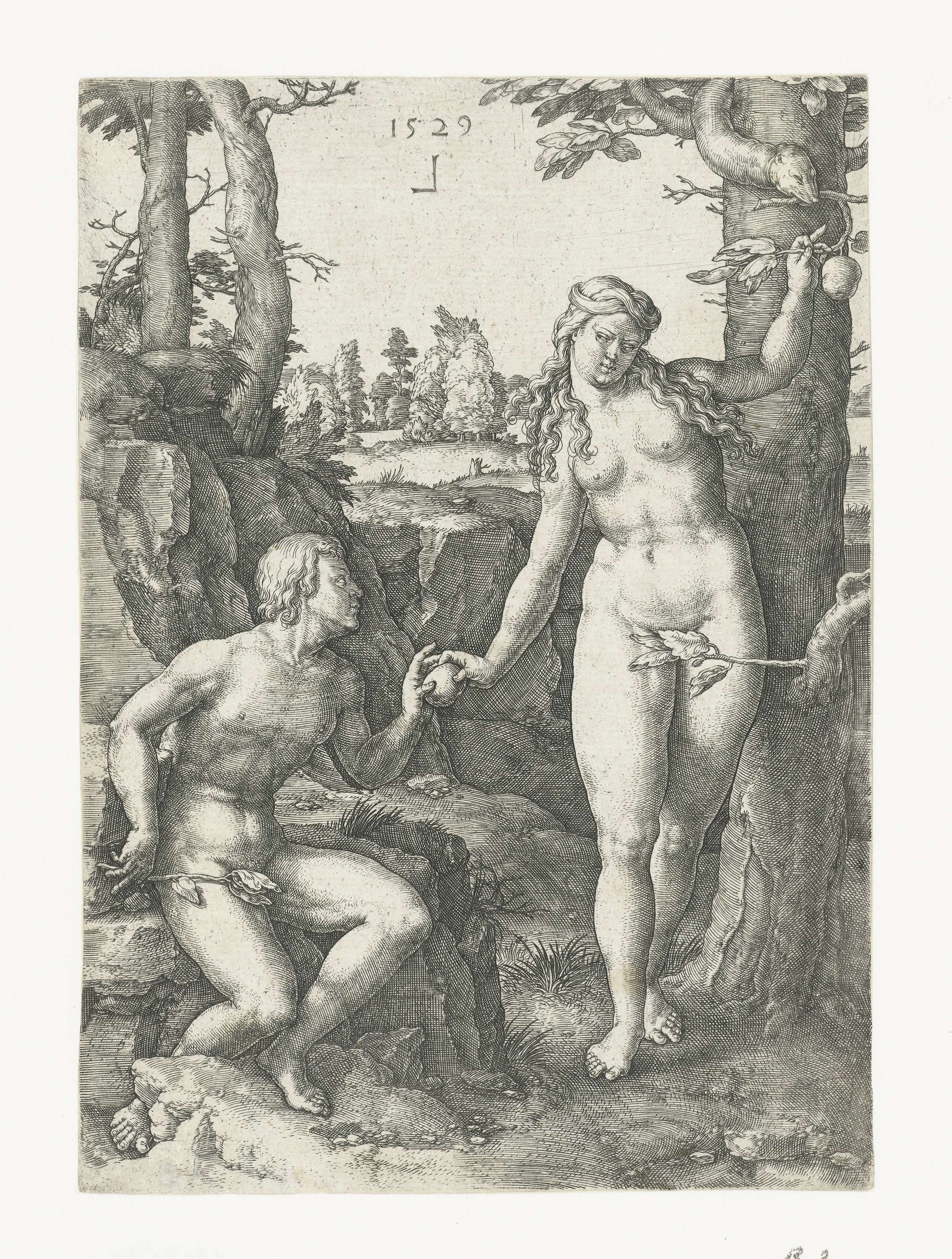
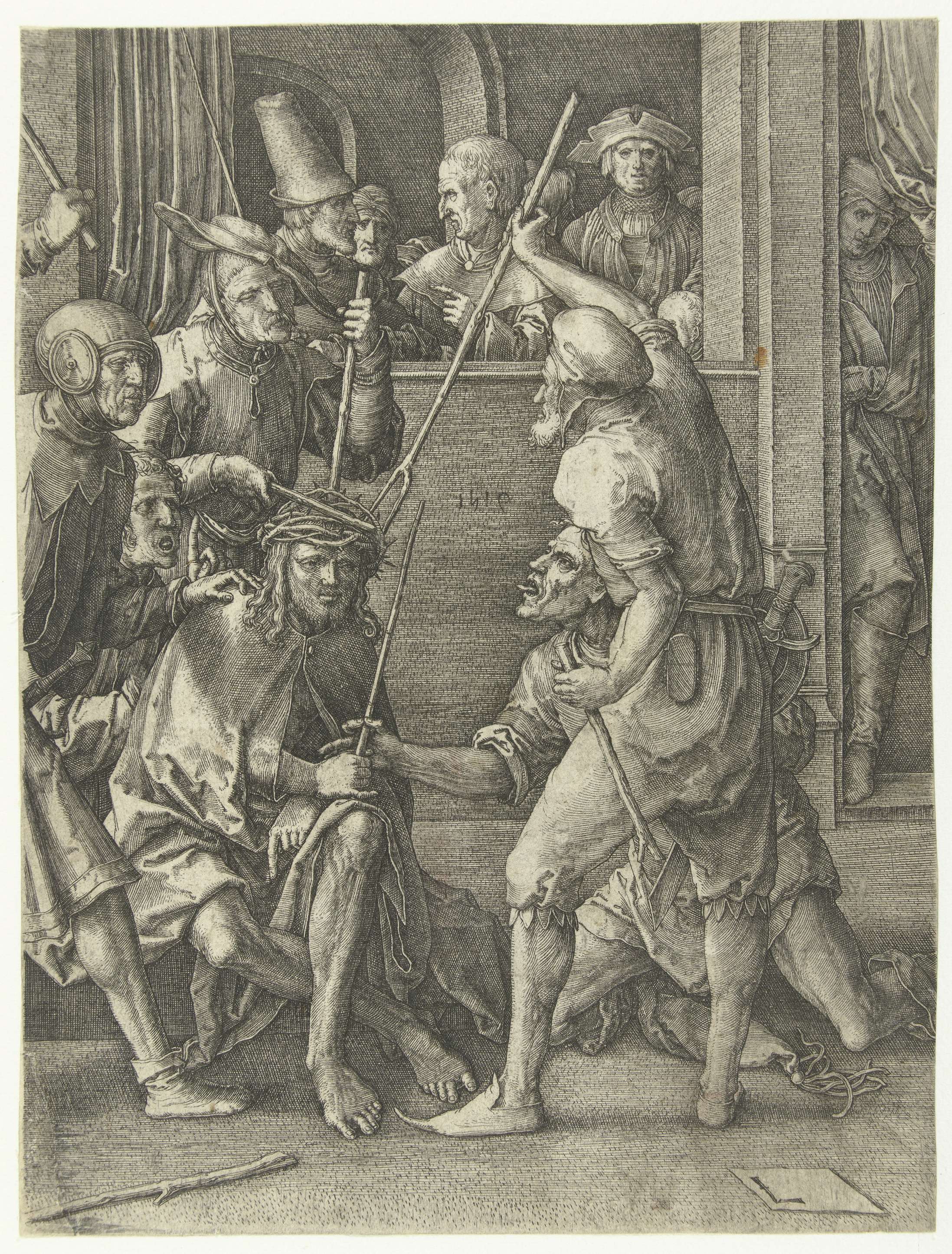
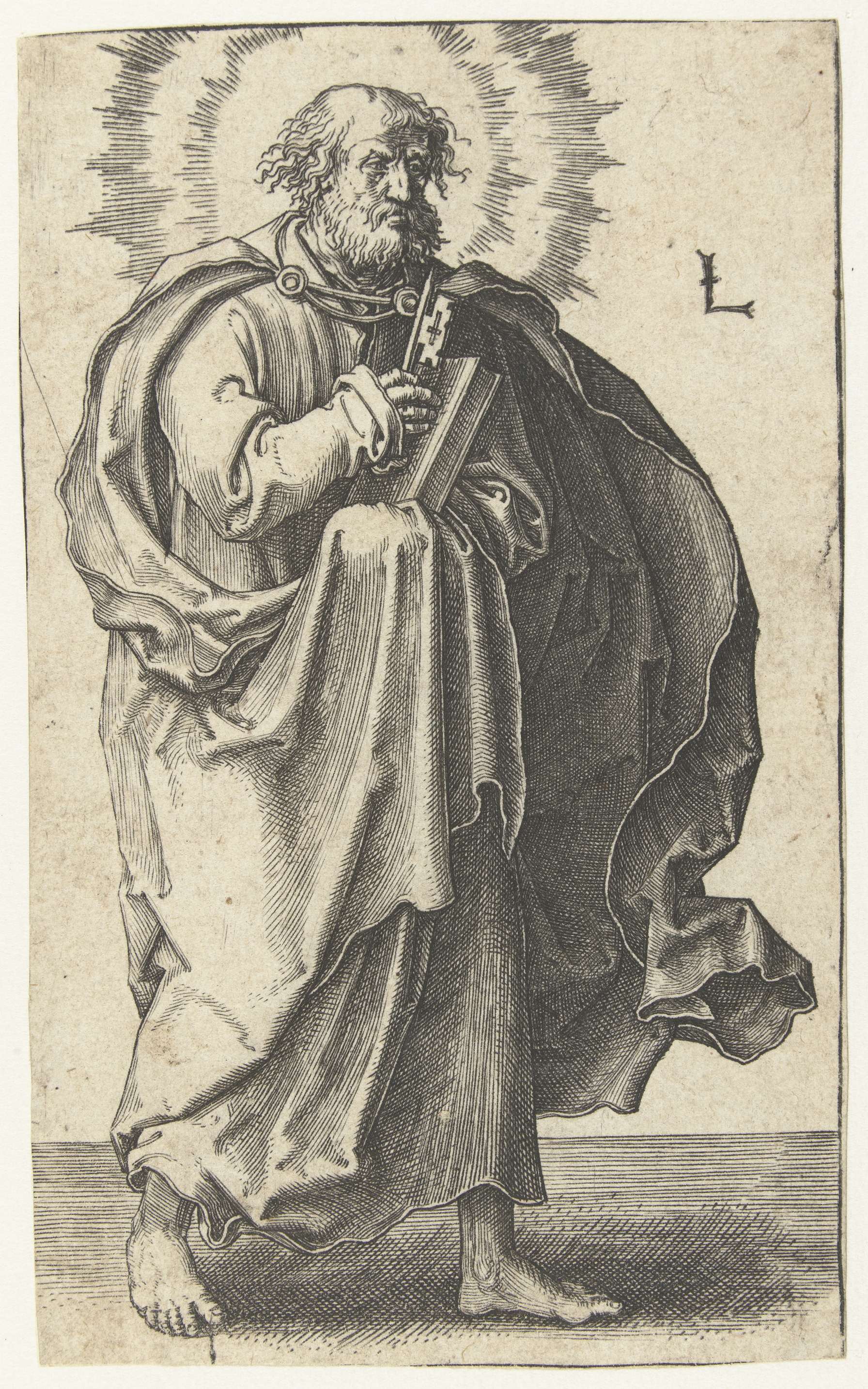
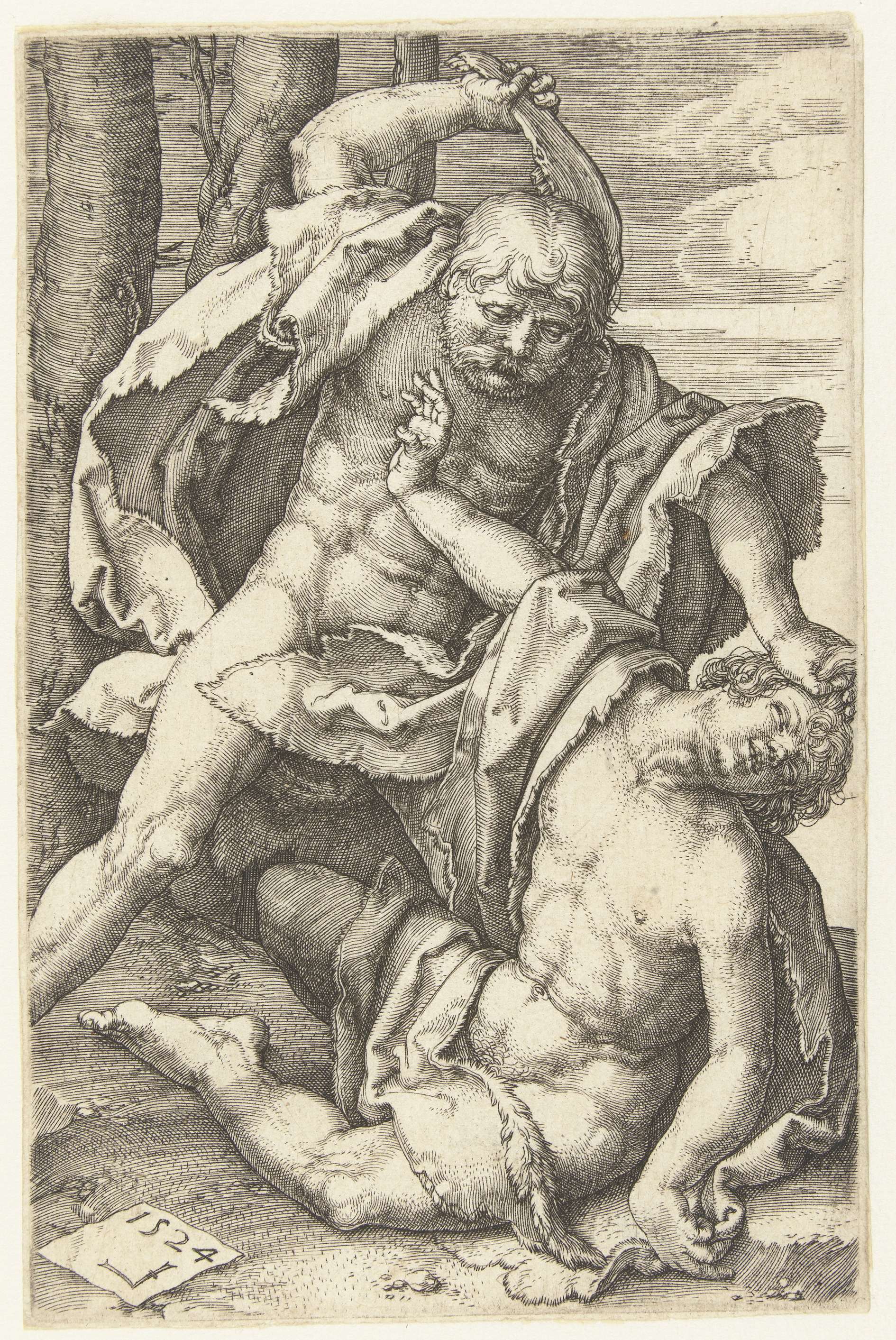
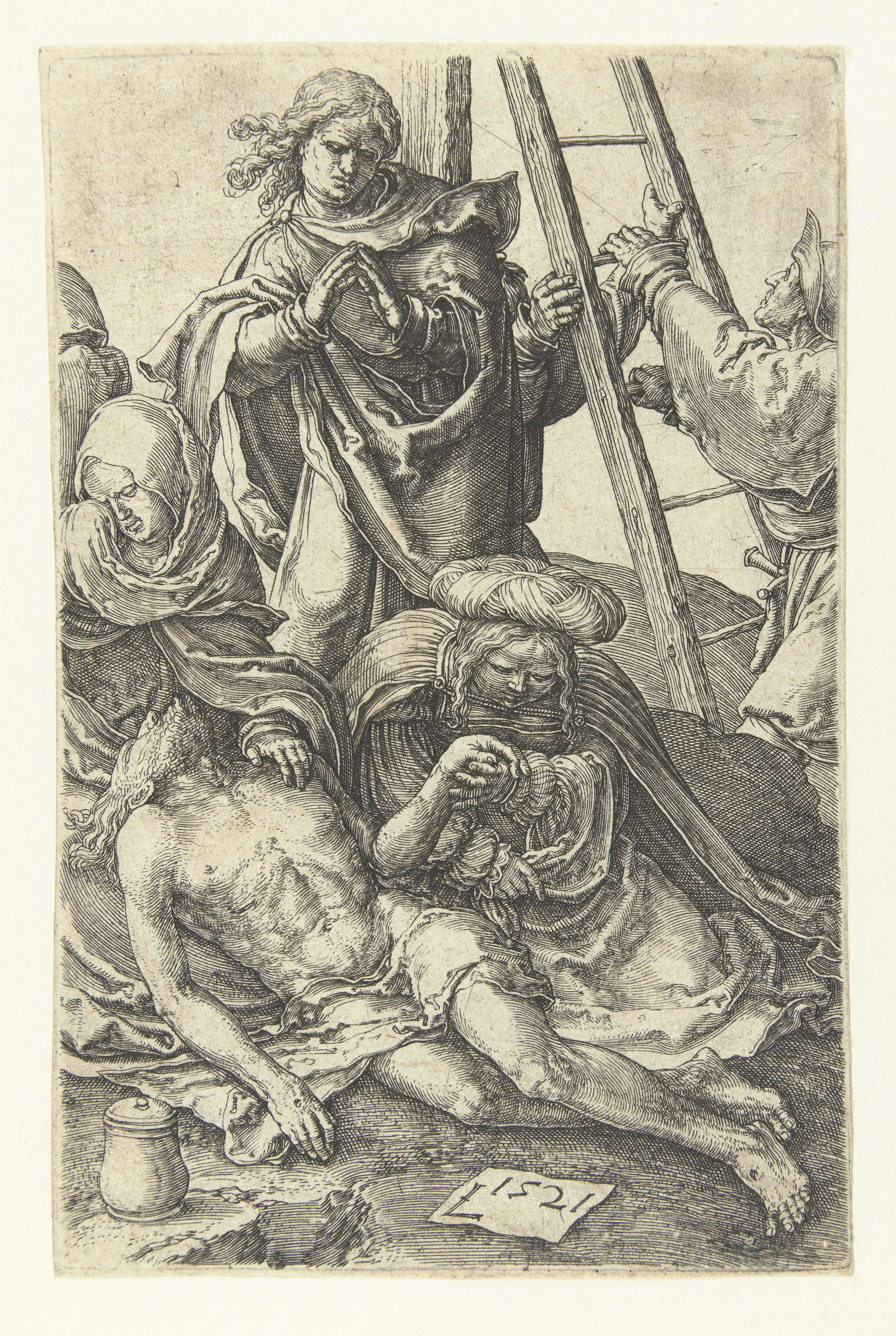
“Between color and silence, truth hides.” This poignant reflection captures the essence of faith, as it often flourishes in the quiet spaces of our lives. The interplay between shadow and light in Negen mannen invites us to explore a deeper understanding of belief and its complexities. Look to the center where a group of nine figures stands in solemn assembly, each rendered with meticulous detail that showcases the artist's mastery. Notice how the bright, golden hues illuminate their faces, drawing your gaze to their varied expressions of contemplation and resolve.
The contrasting deep blues and earthy tones create a rich backdrop, both grounding and uplifting, allowing the figures to emerge from the canvas with a palpable presence. Within this gathering lies a profound tension—the juxtaposition of individuality and unity. Each man stands distinct, yet they are bound by a shared purpose, hinting at the strength found in community and collective faith.
The subtle gestures, from furrowed brows to clasped hands, convey a range of emotions, from doubt to hope, prompting viewers to reflect on their own beliefs and the sometimes contradictory nature of faith. Lucas van Leyden created Negen mannen between 1508 and 1512, during a time of dynamic artistic innovation in the Northern Renaissance. As he navigated a world rich with religious upheaval and emerging humanistic ideals, the painting serves as a testament to his exploration of faith and morality, capturing the zeitgeist of an era that sought answers in both the divine and the human experience.