Nemi. Le Pêcheur d’écrevisses — History & Analysis
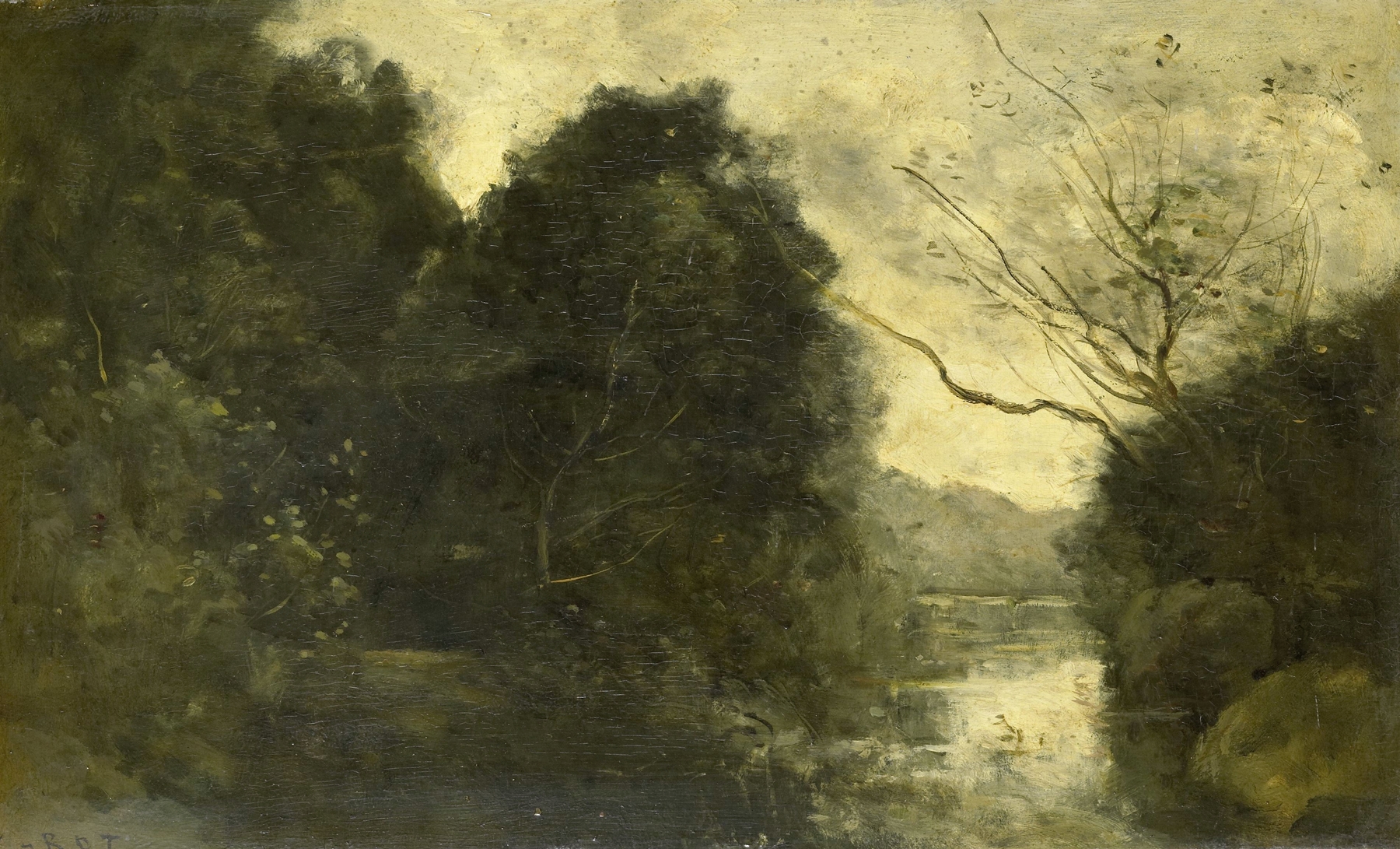
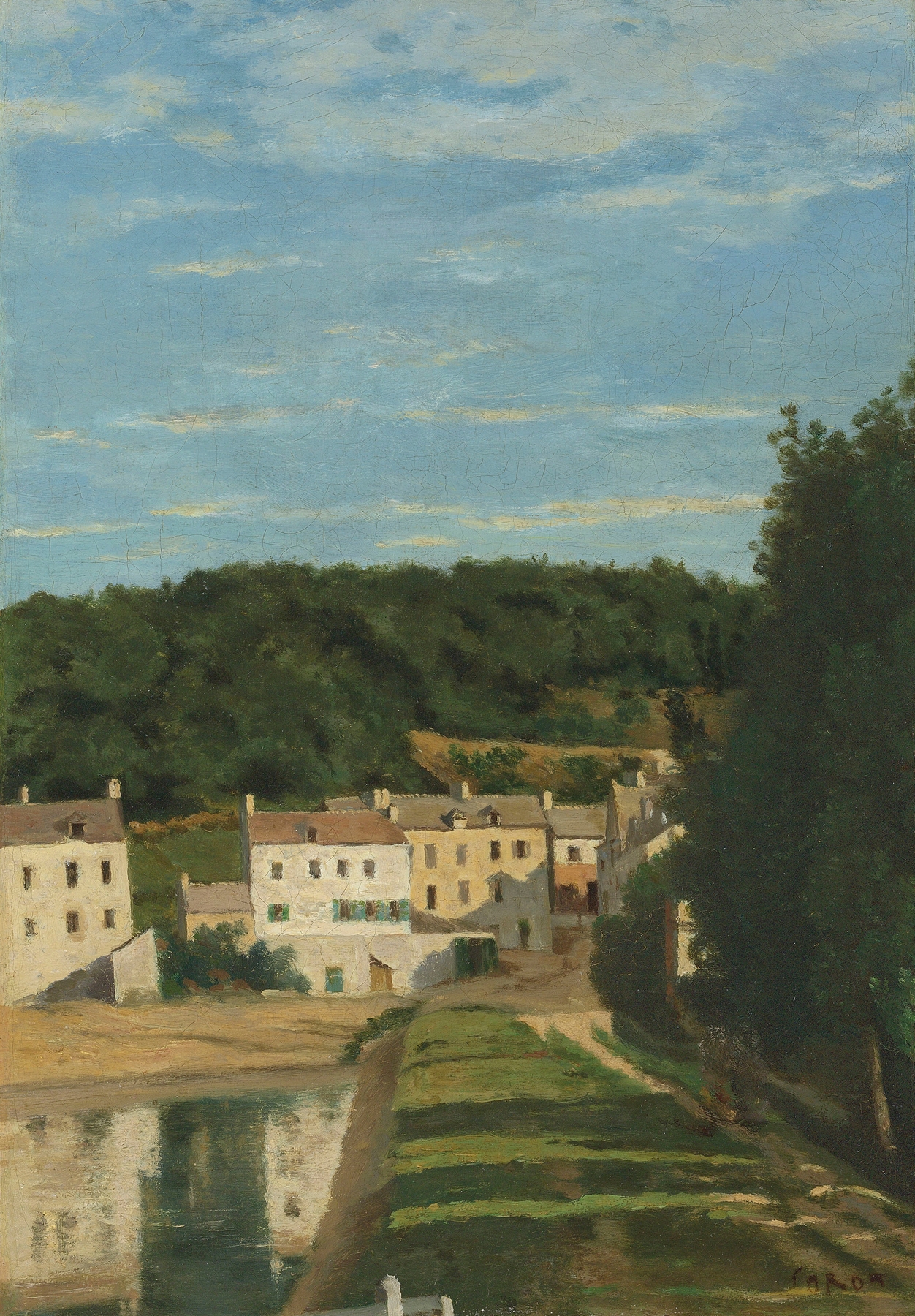
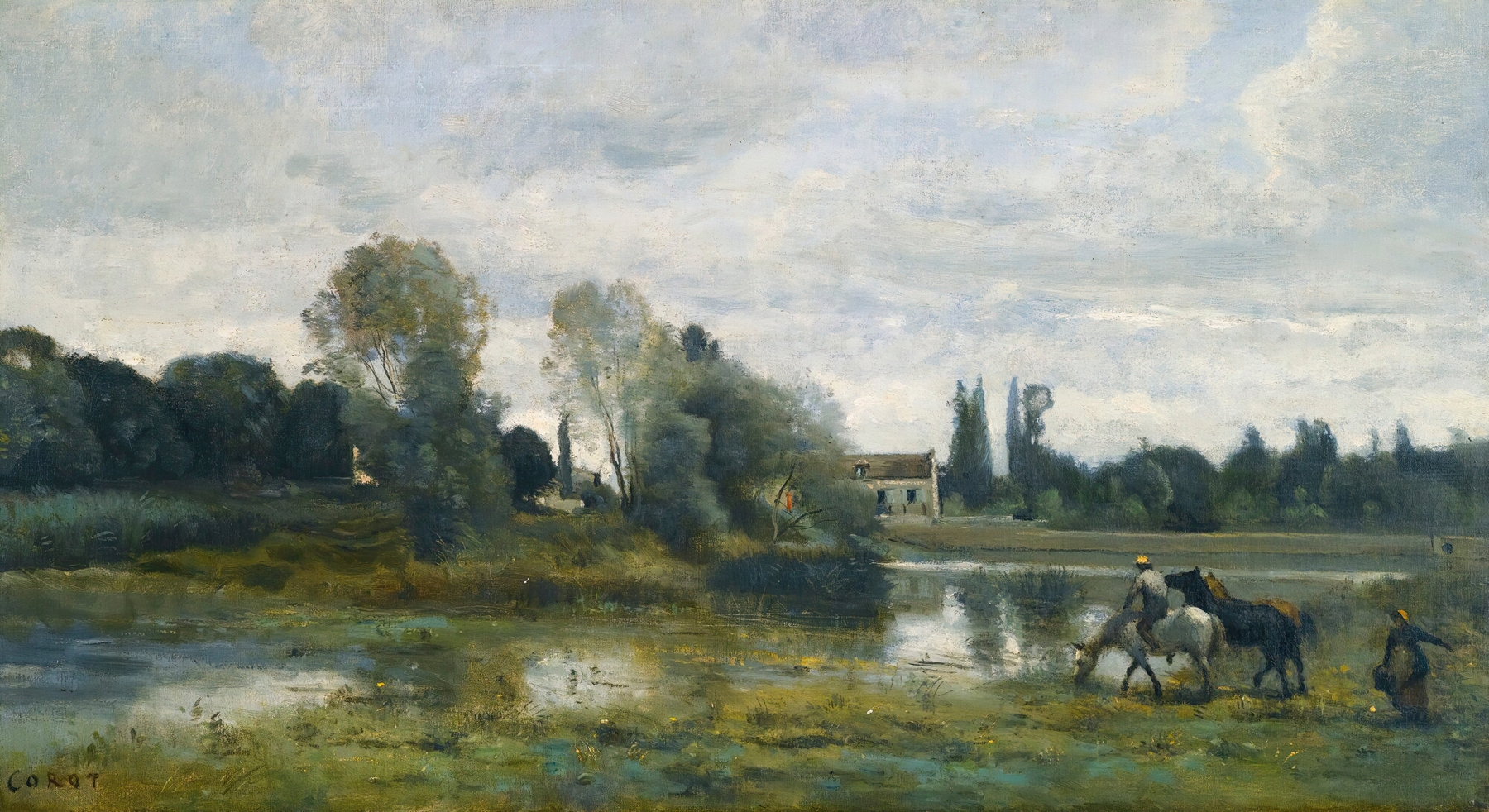
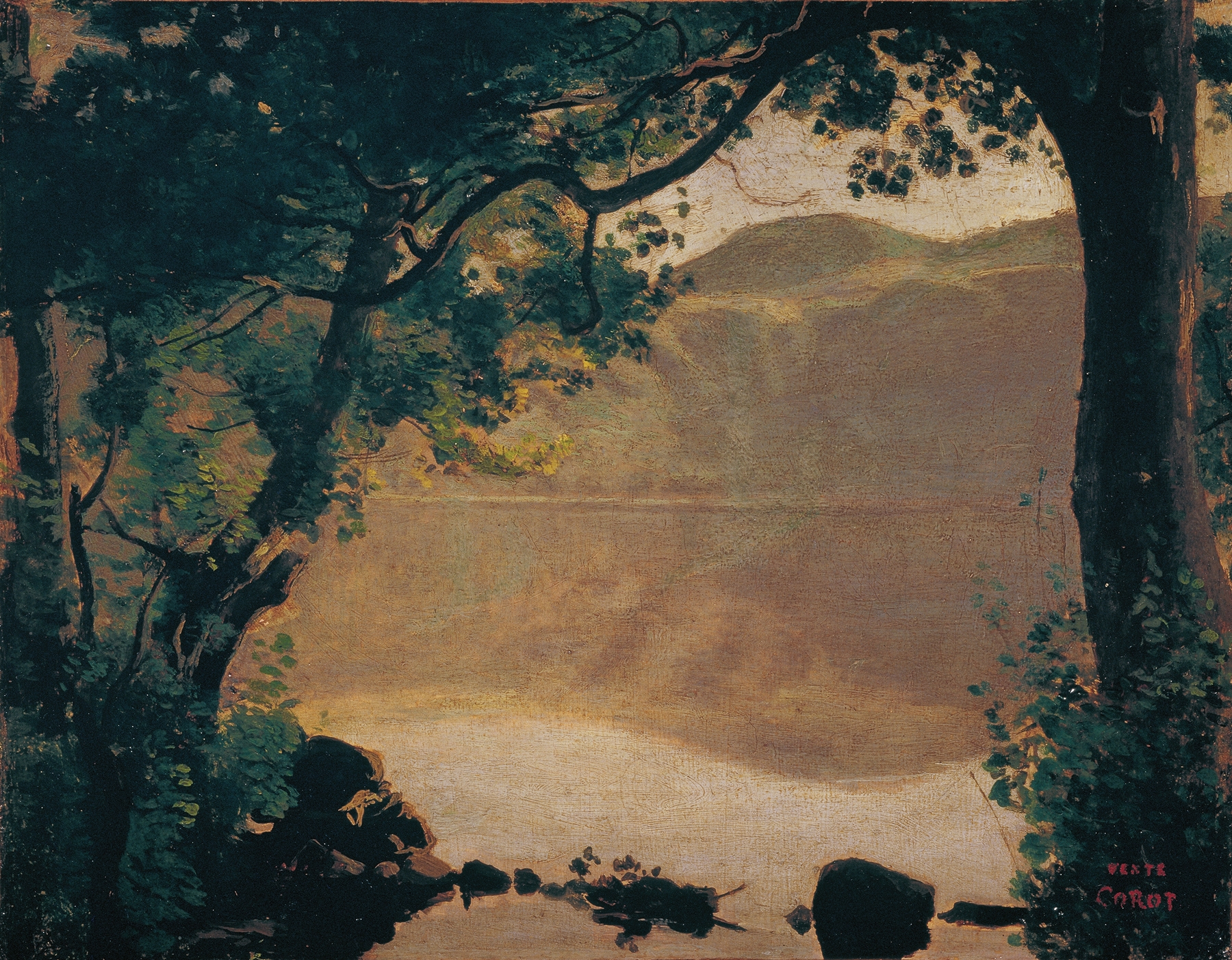
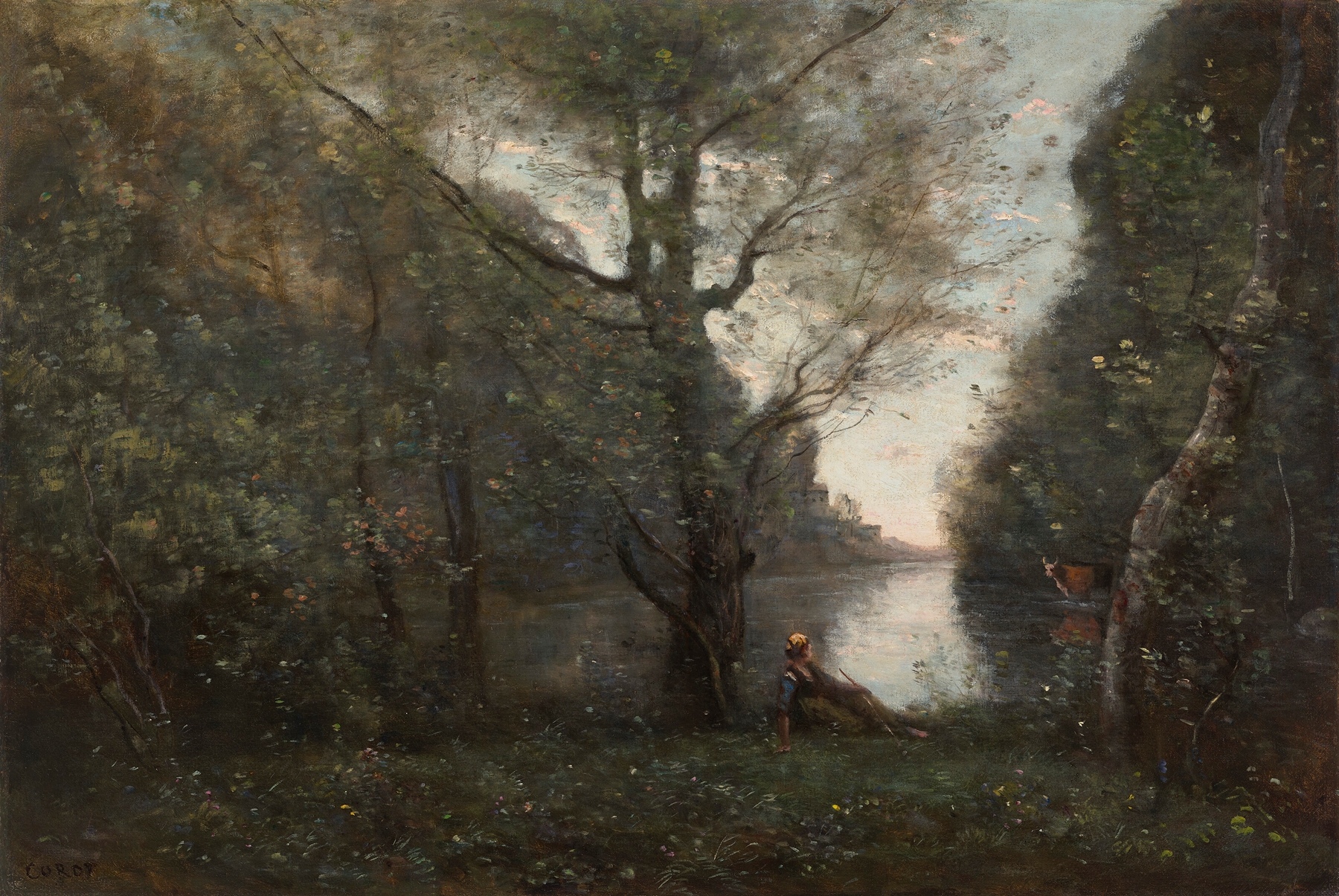
“To paint is to remember what time wants us to forget.” In the hushed stillness of a forgotten world, there lies a moment suspended in time, where silence envelops the scene like a soft fog. Look to the left, where the languid waters of the lake reflect the muted blues and greens of a fading day. Notice how the painter captures the delicate ripples, each brushstroke conjuring a whisper of movement amidst the calm. The figure of the fisherman, cloaked in shadows, seems intertwined with nature, merging man and environment in a dreamy embrace.
The muted palette evokes an ethereal quality, encouraging contemplation rather than distraction. Yet, it is within the subtleties that the emotional weight lies. The fisherman’s solitude speaks to the deep silence that accompanies introspection, while the surrounding trees stand as silent witnesses to his quiet labor. The tension between the tranquil water and the looming, dark foliage hints at nature's duality—its beauty and its enigma.
The stillness is both comforting and unsettling, suggesting the weight of memories that linger on the surface. In 1826-27, Jean-Baptiste-Camille Corot painted this work during a time of personal exploration and transformation. He was immersed in the burgeoning Romantic movement, which sought to evoke emotional depth and connection to nature. This period marked a shift in his artistic focus, as he began to move away from pure realism toward more poetic interpretations of the landscape, reflecting the quiet power of memory and silence.