New England Scenery — History & Analysis
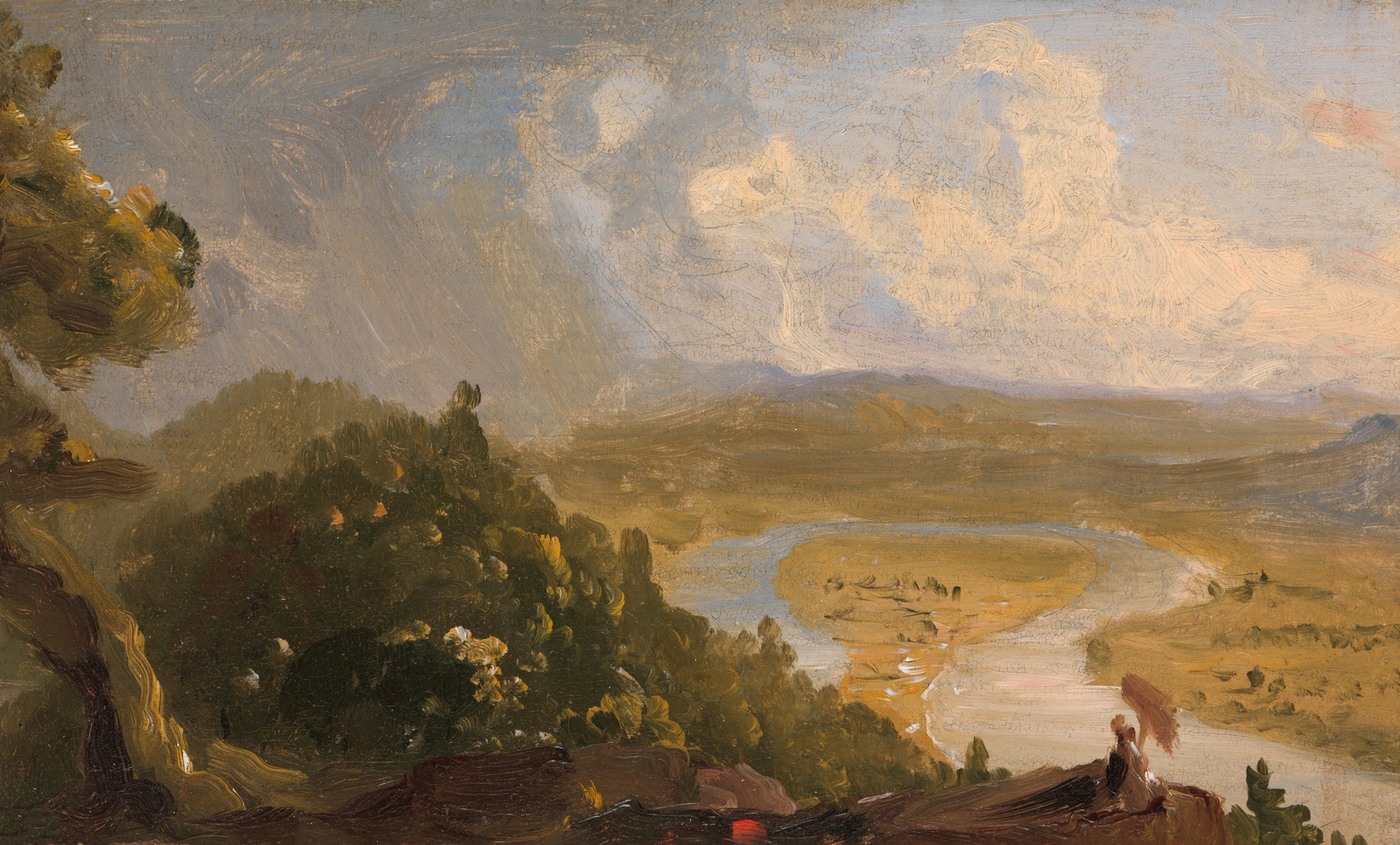
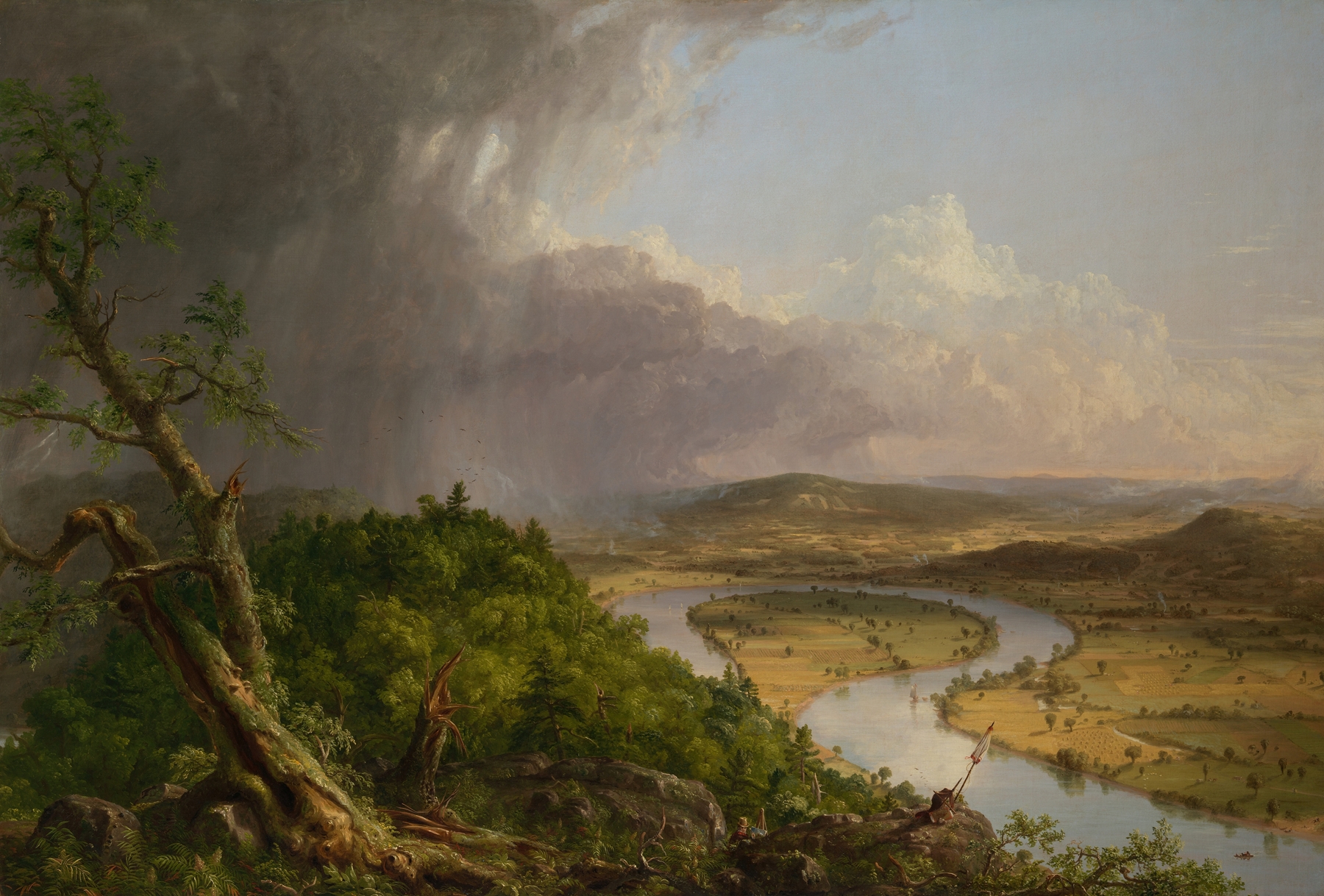
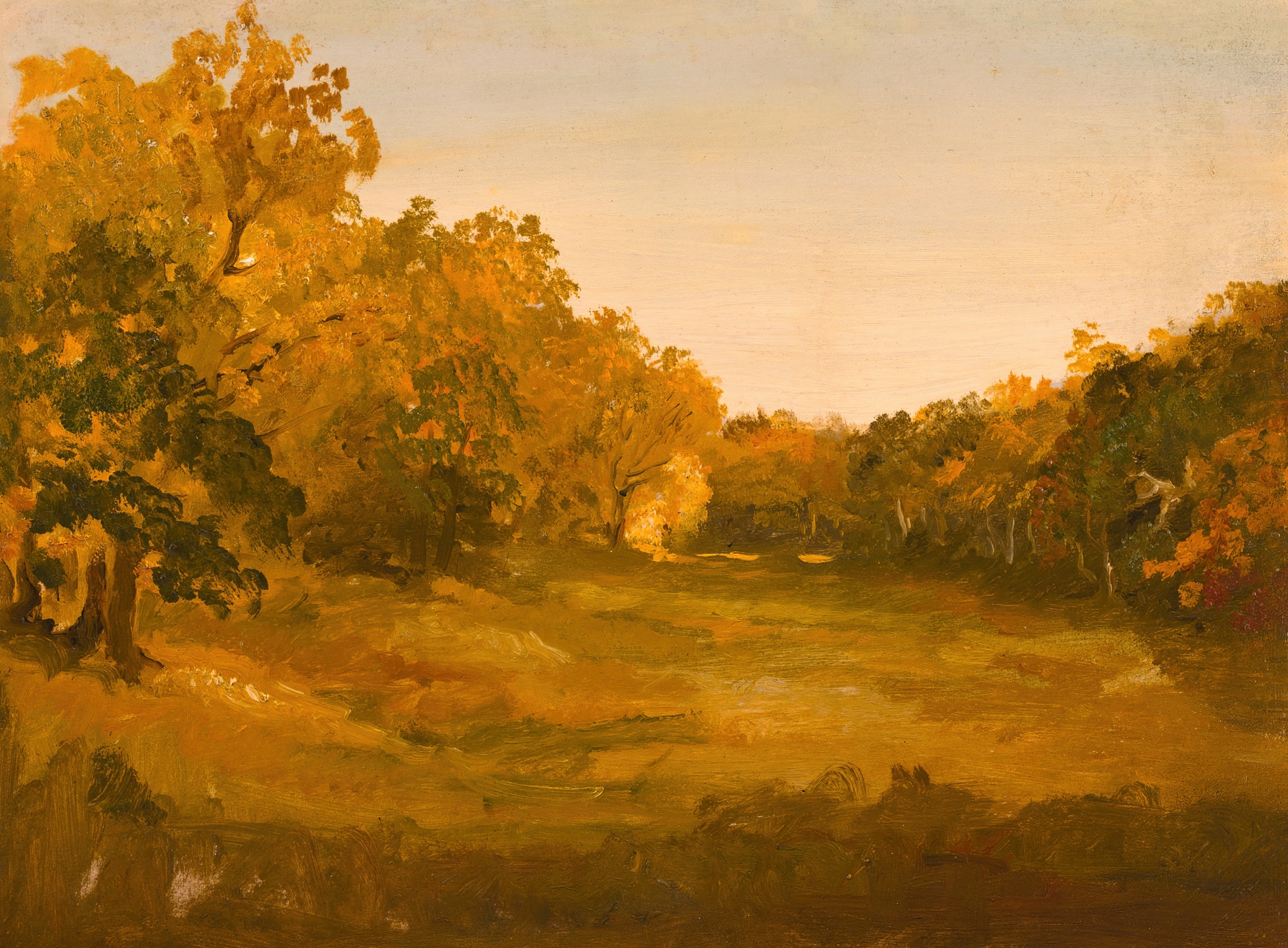
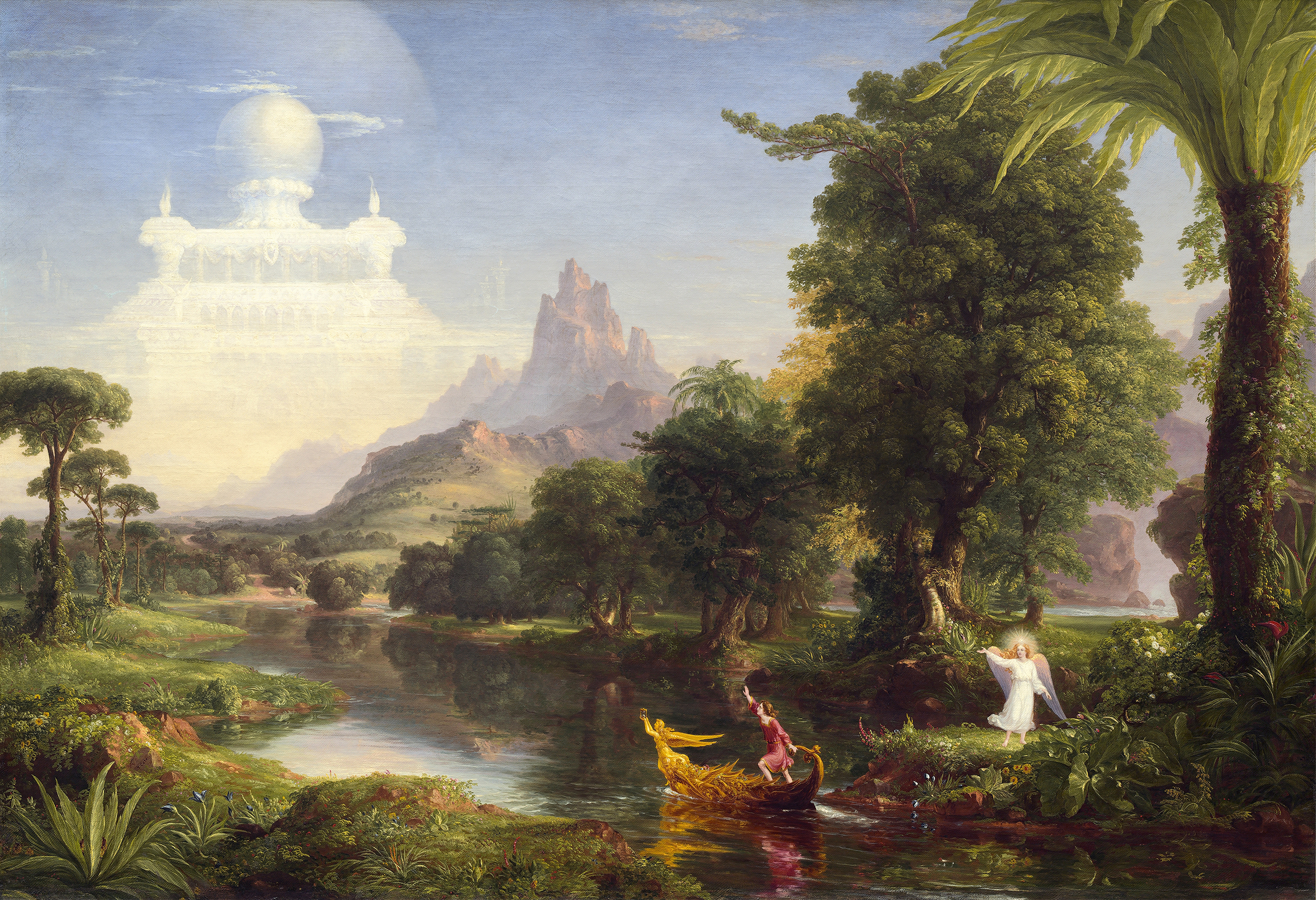
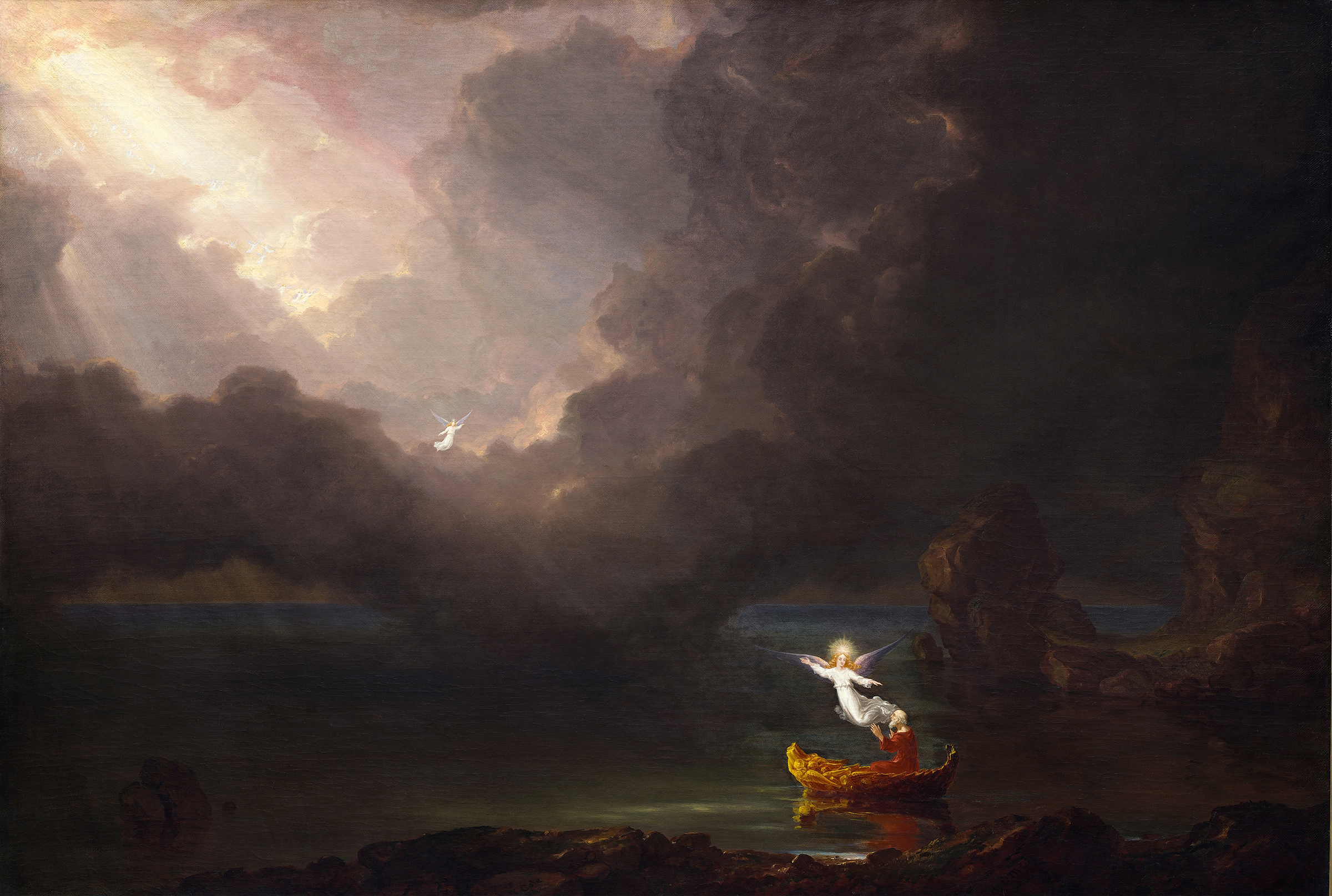
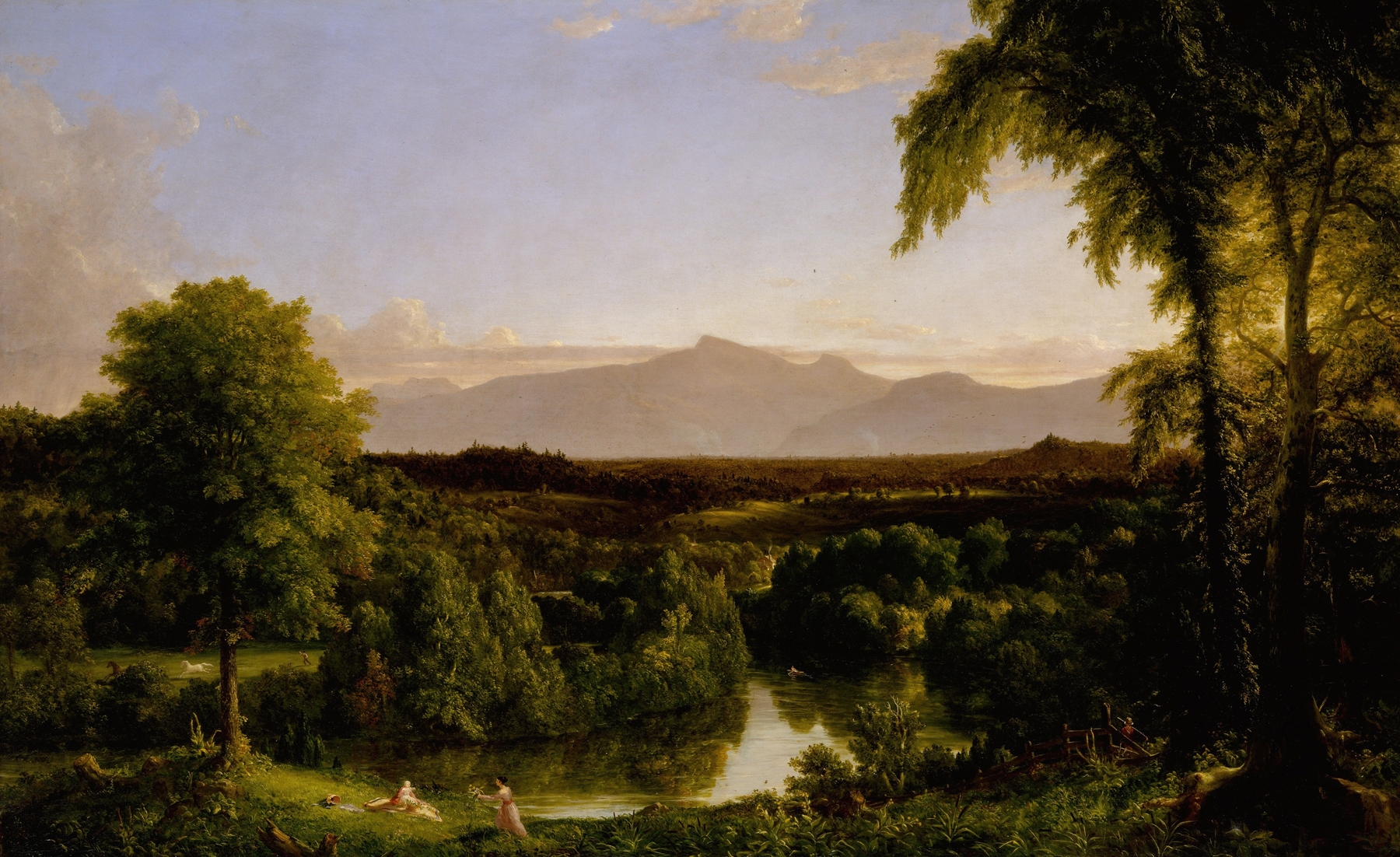
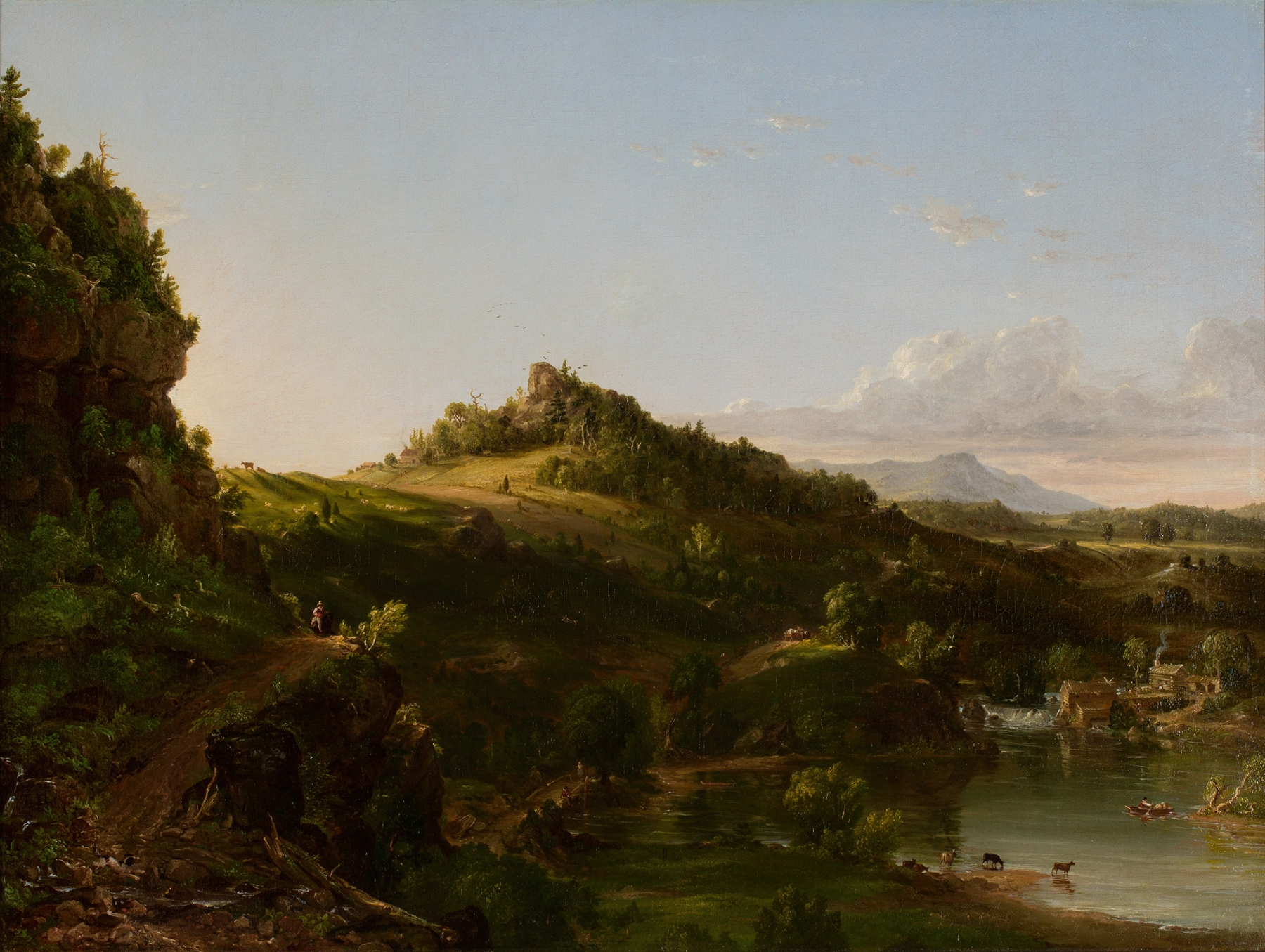
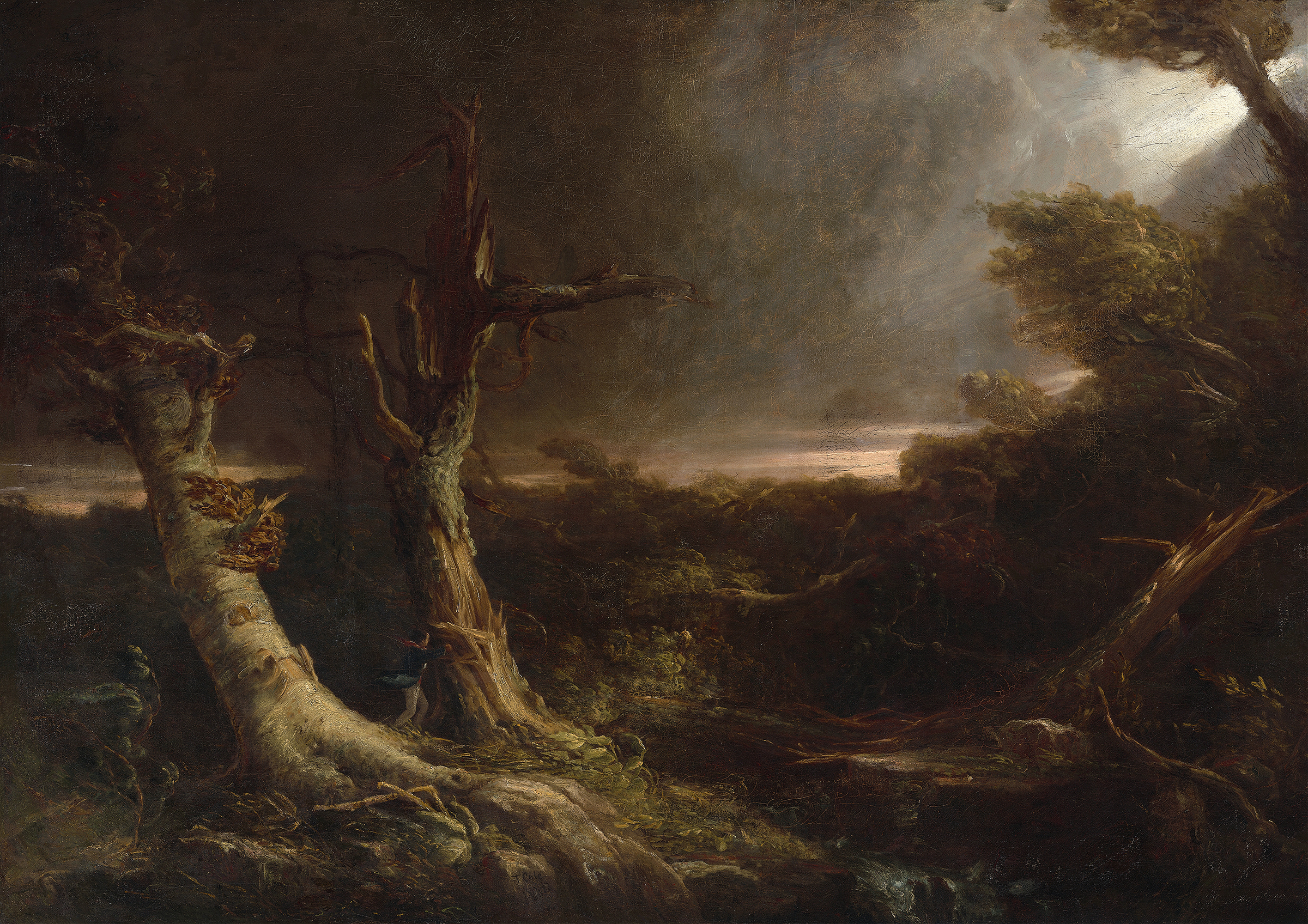
What if beauty was never meant to be finished? In the delicate folds of nature, we often find echoes of grief, whispering through the vibrant hues and serene landscapes. Focus on the horizon where the warm golden light embraces the soft blue of the sky, hinting at a fleeting moment of twilight. The lush greenery of New England’s terrain draws your gaze, leading you through the masterful interplay of light and shadow.
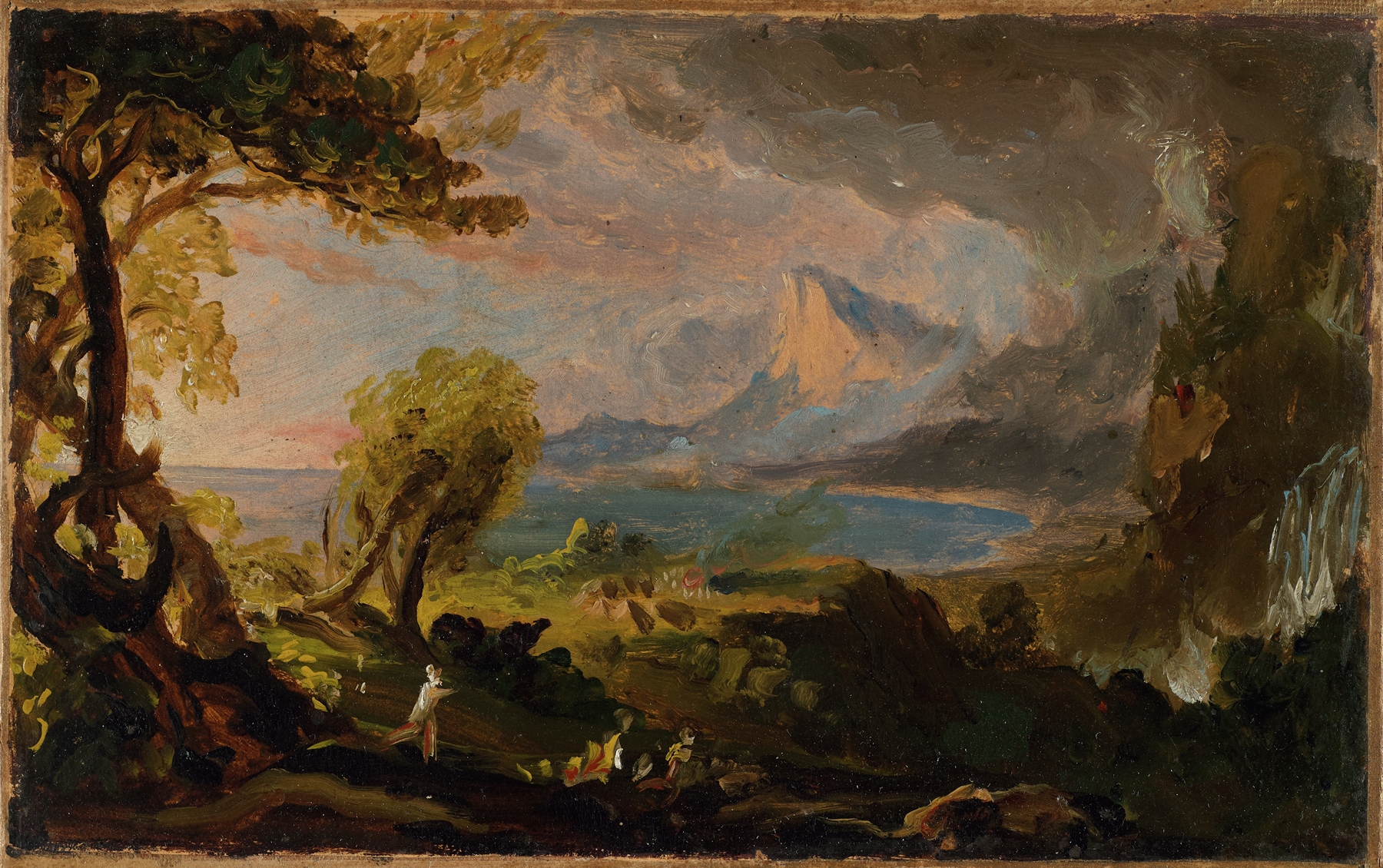
Notice how the artist deftly balances tranquility with a hint of melancholy, using soft brush strokes to create depth and invite the viewer into an expansive vista that feels both familiar and hauntingly evasive. Embedded within this scenery, contrasts emerge—between the vibrancy of nature and the quiet stillness that often accompanies loss. The foreground, rich with life, faces the backdrop of distant mountains, which loom like silent sentinels over the fading day. There’s a subtle tension in the way the sun begins to set, capturing the transition between light and darkness, perhaps mirroring the inevitable passage of time and the sorrow that accompanies it.
In 1839, Thomas Cole painted this piece during a period of profound change in America, where Romanticism in art was gaining momentum. He was deeply influenced by the burgeoning appreciation for the American landscape, yet personally, he grappled with themes of nostalgia and longing. This work reflects not only his artistic evolution but also the collective sentiment of a nation witnessing its own beauty, forever caught between the light of the present and the shadows of what has been lost.