Newburyport Meadows — History & Analysis
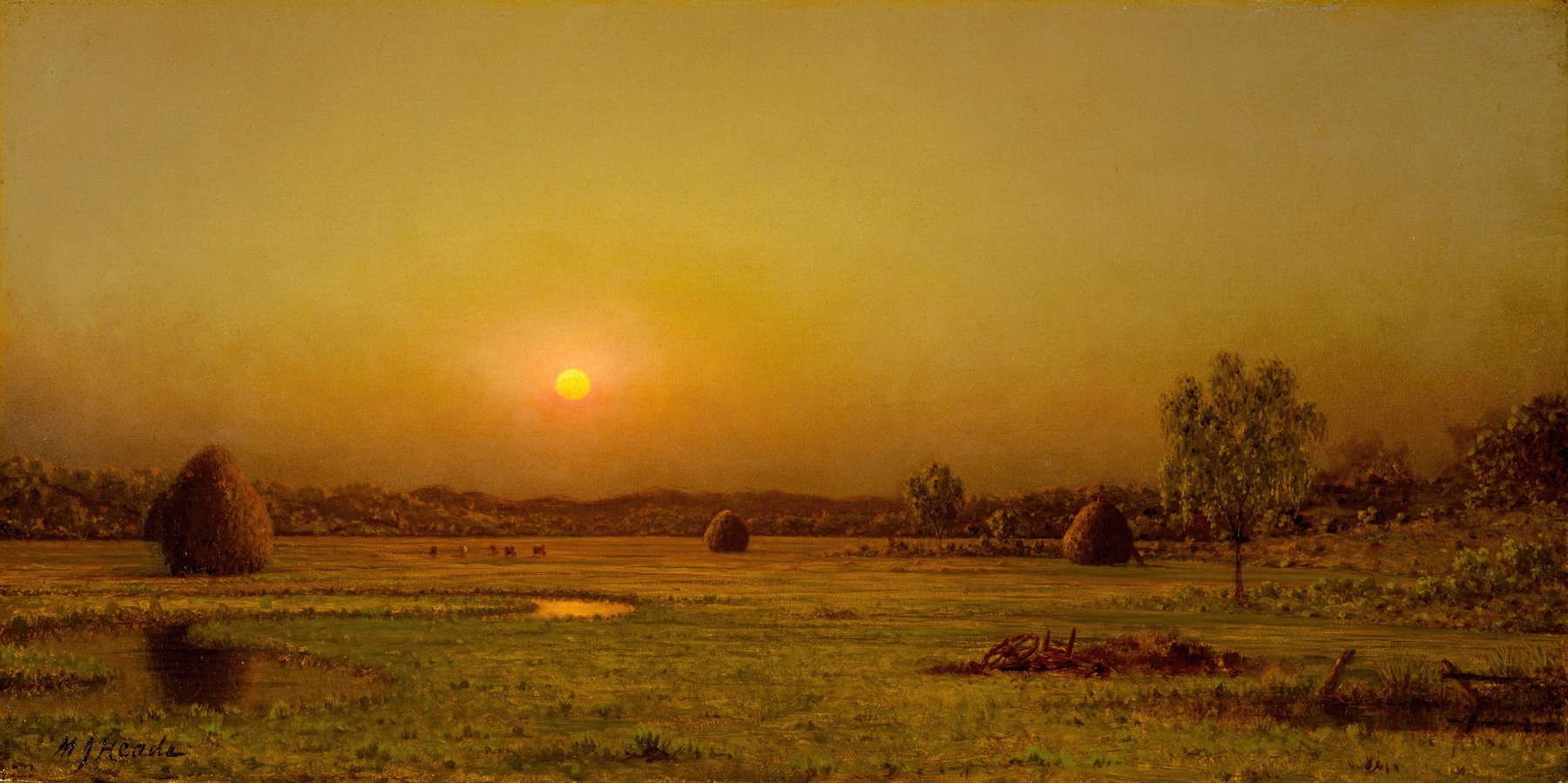
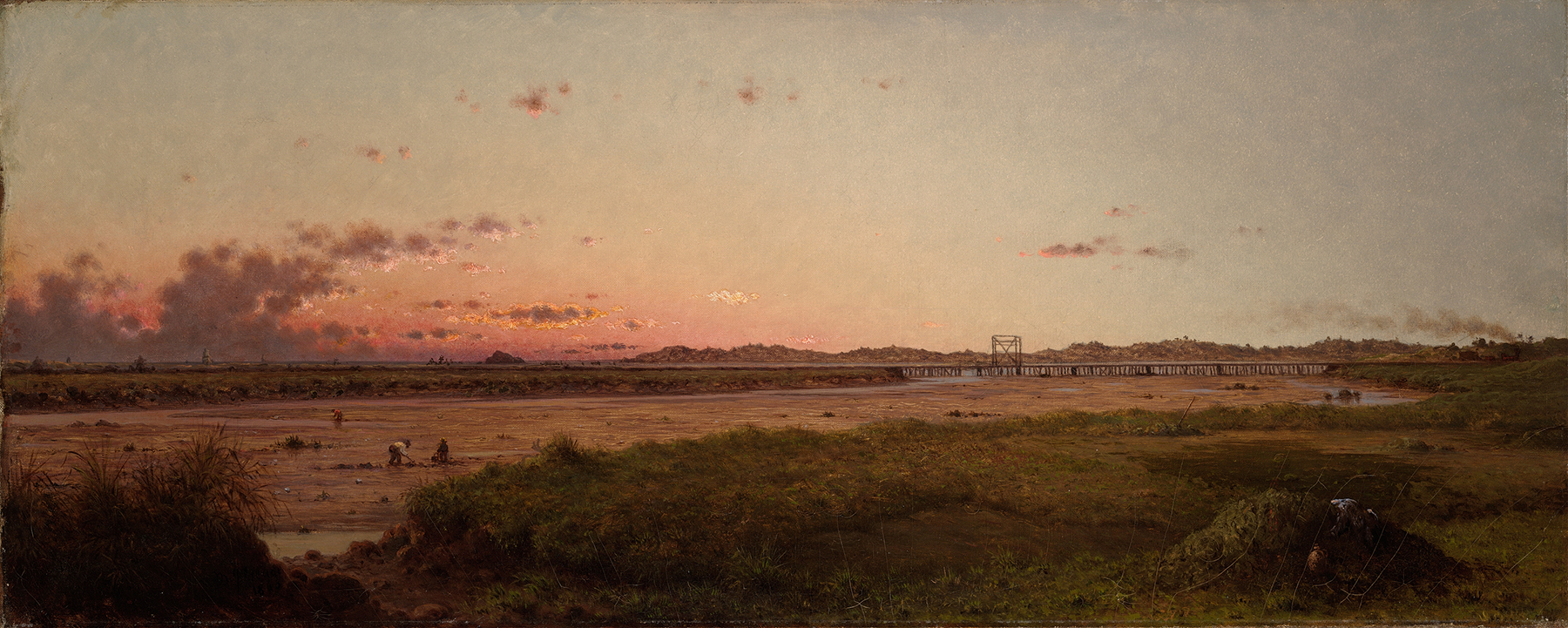
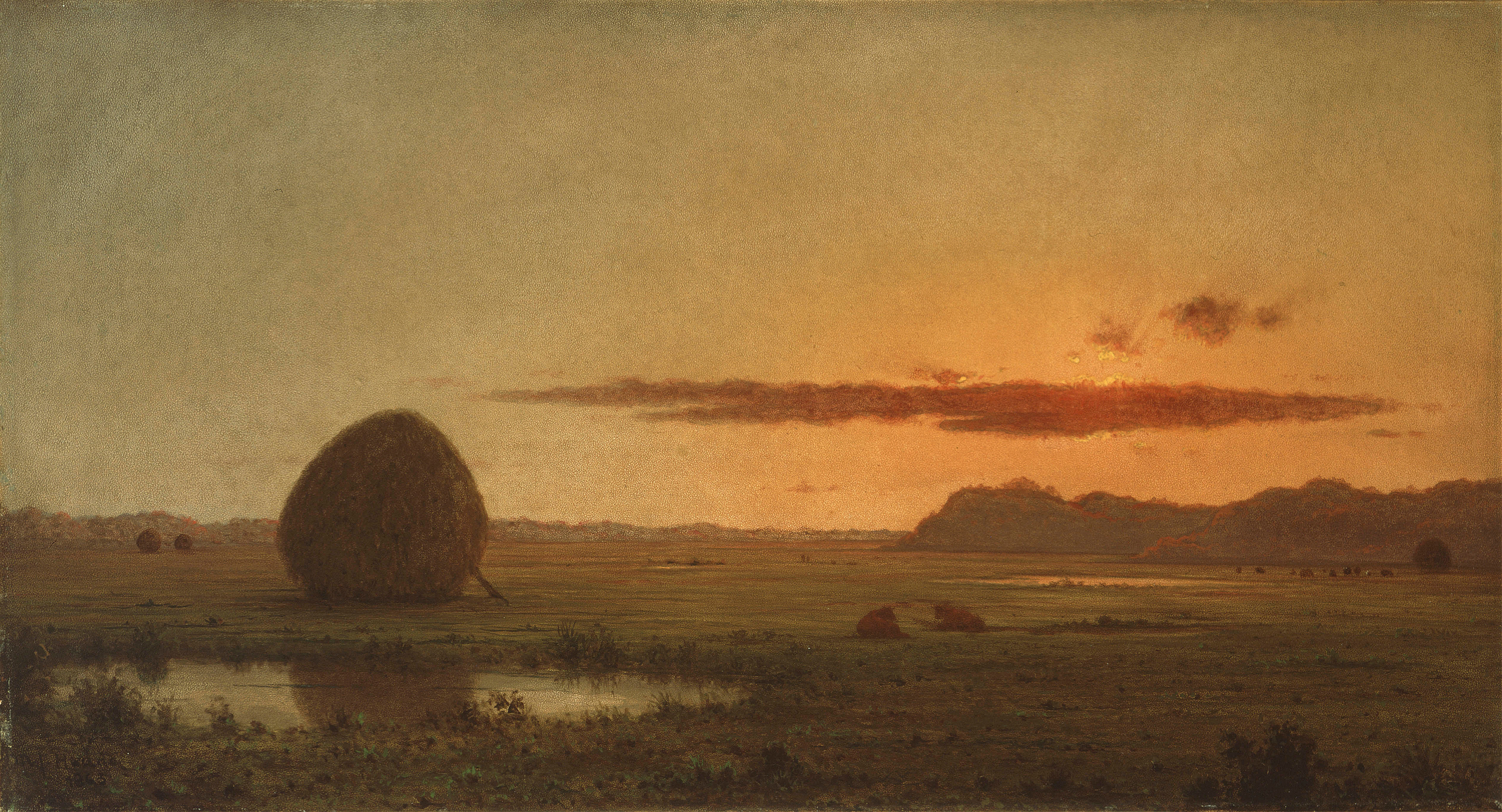
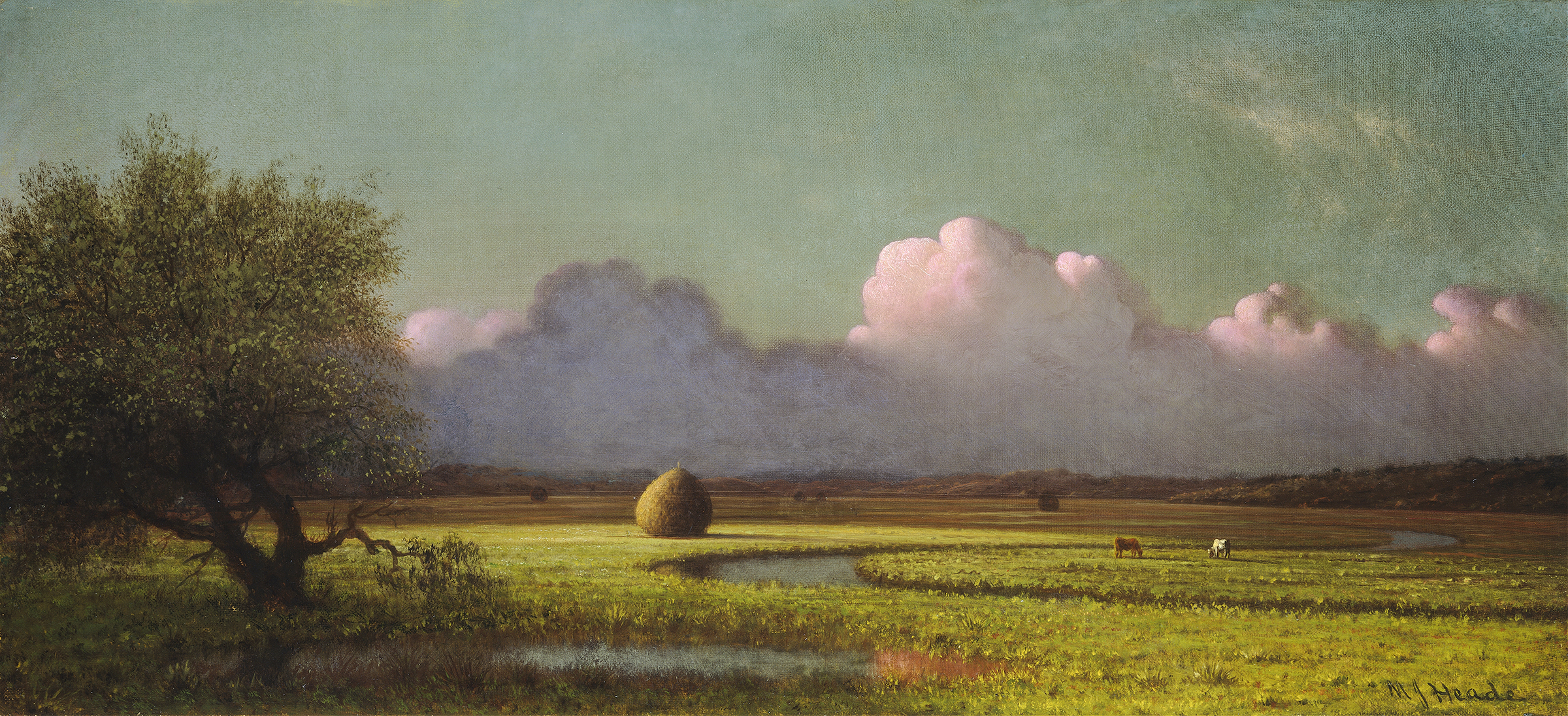
When did color learn to lie? In Newburyport Meadows, saturated hues whisper secrets of longing, weaving a narrative beneath the serene façade of nature’s beauty. Look to the right at the vibrant grasses, their delicate strokes inviting us deeper into the scene. Notice how the interplay of light and shadow dances across the landscape, illuminating patches of wildflowers that emerge like bursts of laughter amid the stillness.
The soft blend of greens and yellows invites the eye to drift, while the sky, painted in gentle blues and wispy whites, envelops the viewer in an atmosphere of tranquility and yearning. Yet, beneath the surface of this idyllic setting, there lies a tension between the lightness of the scene and the heaviness of longing that permeates the air. The horizon, slightly blurred, hints at an unreachable destination, evoking a sense of desire for what lies beyond the visible. The gentle swell of the meadow seems to echo the heart's unfulfilled dreams, where every brushstroke reflects a moment suspended in time, filled with both beauty and melancholy.
In the years 1876 to 1881, the artist created this work while deeply engaged in exploring the American landscape tradition. Heade was influenced by the burgeoning movement of luminism, which emphasized the effects of light on nature. During this period, he experienced personal challenges, yet consistently sought solace in the natural world, capturing its essence with a sense of reverence and a touch of introspection.