Approaching Storm- Beach near Newport — History & Analysis
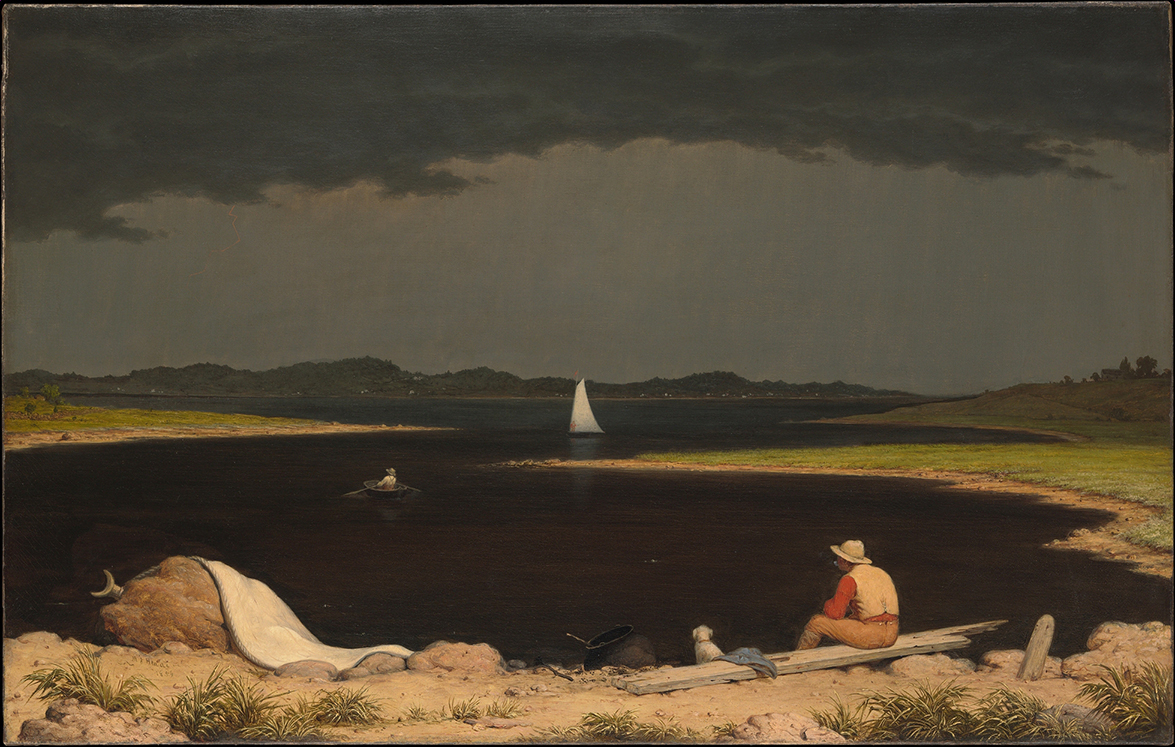
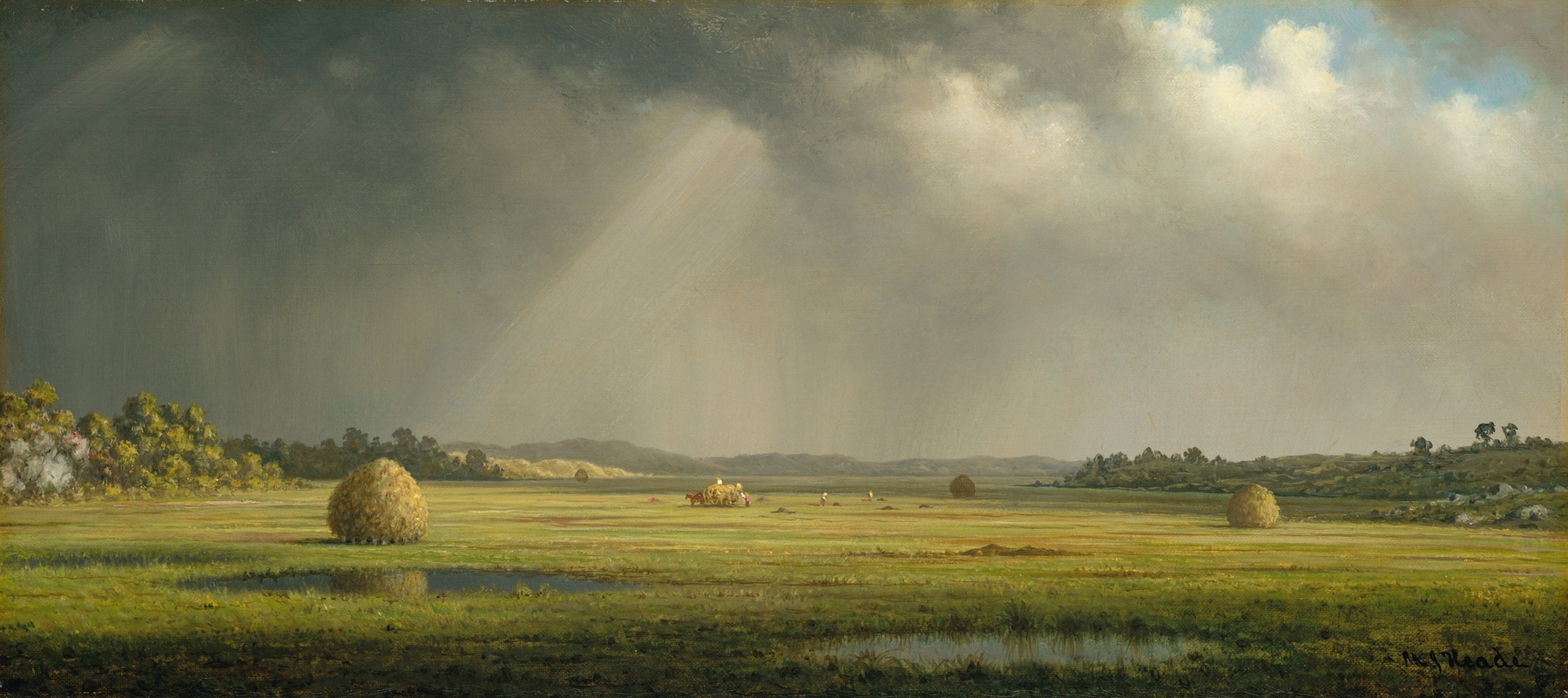
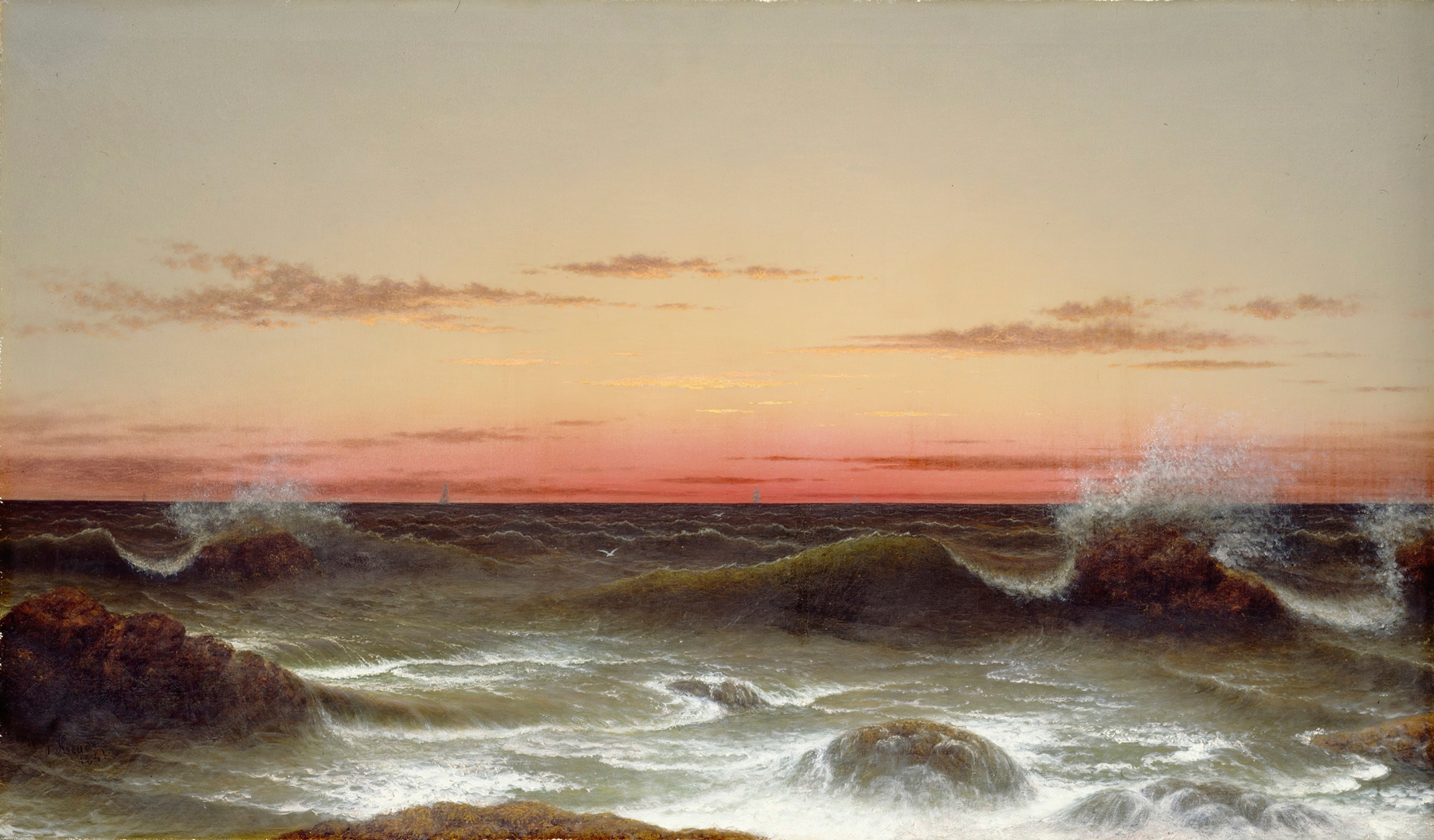
“Art reveals the soul when the world turns away.” In the hushed moments just before a storm, yearning fills the air, beckoning us to pause and reflect. It is this emotional landscape that captures the heart of existence while we navigate the chaos of life. Look to the horizon where dark, brooding clouds gather, a stark contrast against the soft, golden sands of the beach. The brushwork is delicate yet powerful, a blend of muted blues and deep grays that swirl ominously, giving weight to the impending storm. Notice how the light flickers in the distance, illuminating the crest of the waves, while the shoreline remains shrouded in a fleeting calm.
This masterful use of color and light draws the viewer's eye toward the tension brewing just beyond the tranquil foreground. In the interplay of light and shadow, there lies a profound dialectic between beauty and foreboding. The shoreline, a symbol of stability, teeters on the brink of disruption, encapsulating the fragility of nature and human emotion. The approaching storm becomes a metaphor for transformation, a silent yet palpable reminder of the tumult that can disrupt our lives without warning.
Each brushstroke reveals not only the environment but also the inner turmoil that accompanies moments of profound change. During the years 1861-1862, Heade painted this piece amid a shifting American art scene, as Romanticism began to give way to Impressionism. At this time, he was exploring themes of nature, light, and atmosphere, using his coastal surroundings to delve into the emotional depths of landscape painting. His work reflects not only his personal quest for meaning but also the larger cultural shifts of a nation grappling with its identity.