Sunlight and Shadow – The Newbury Marshes — History & Analysis
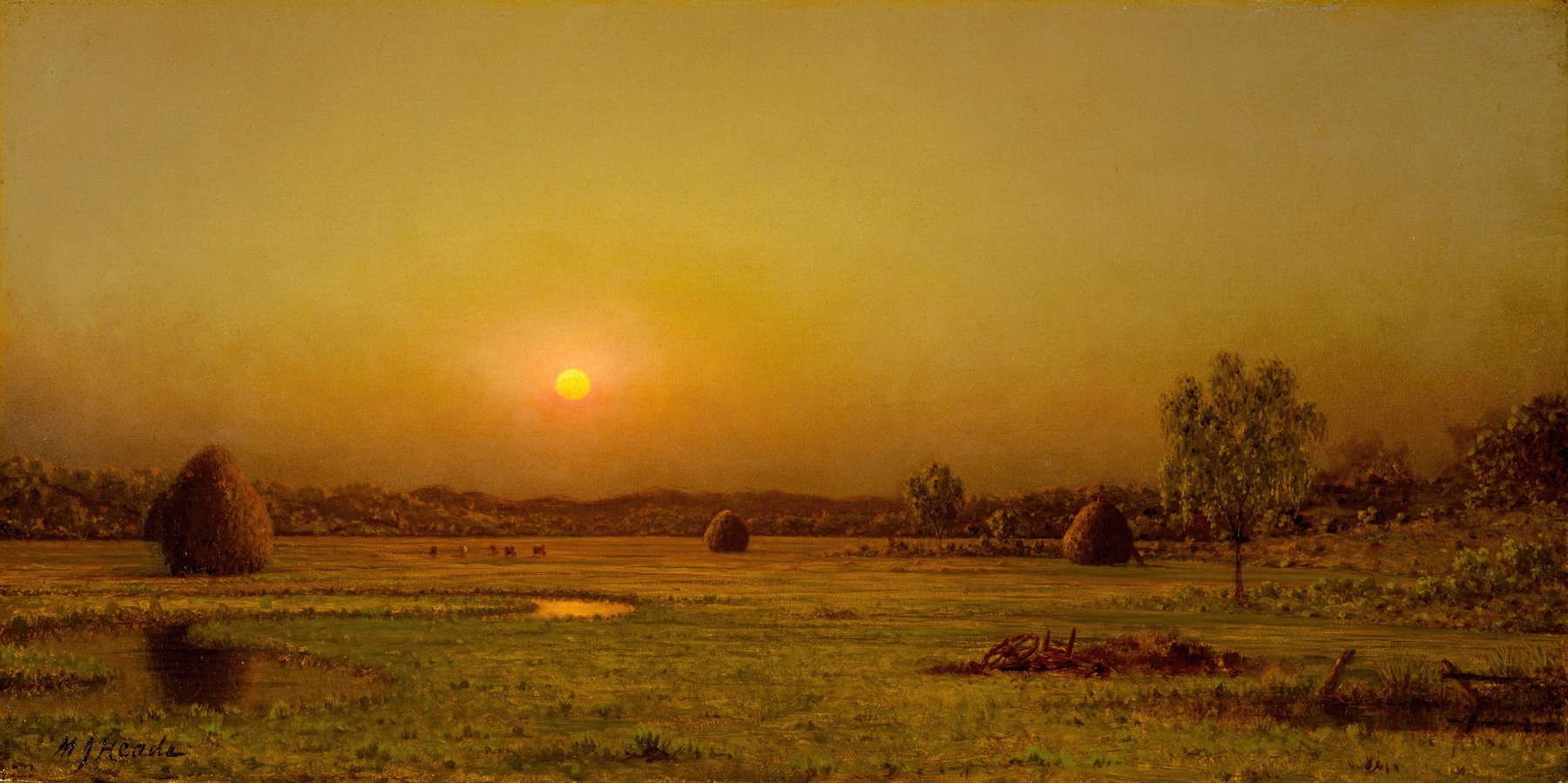
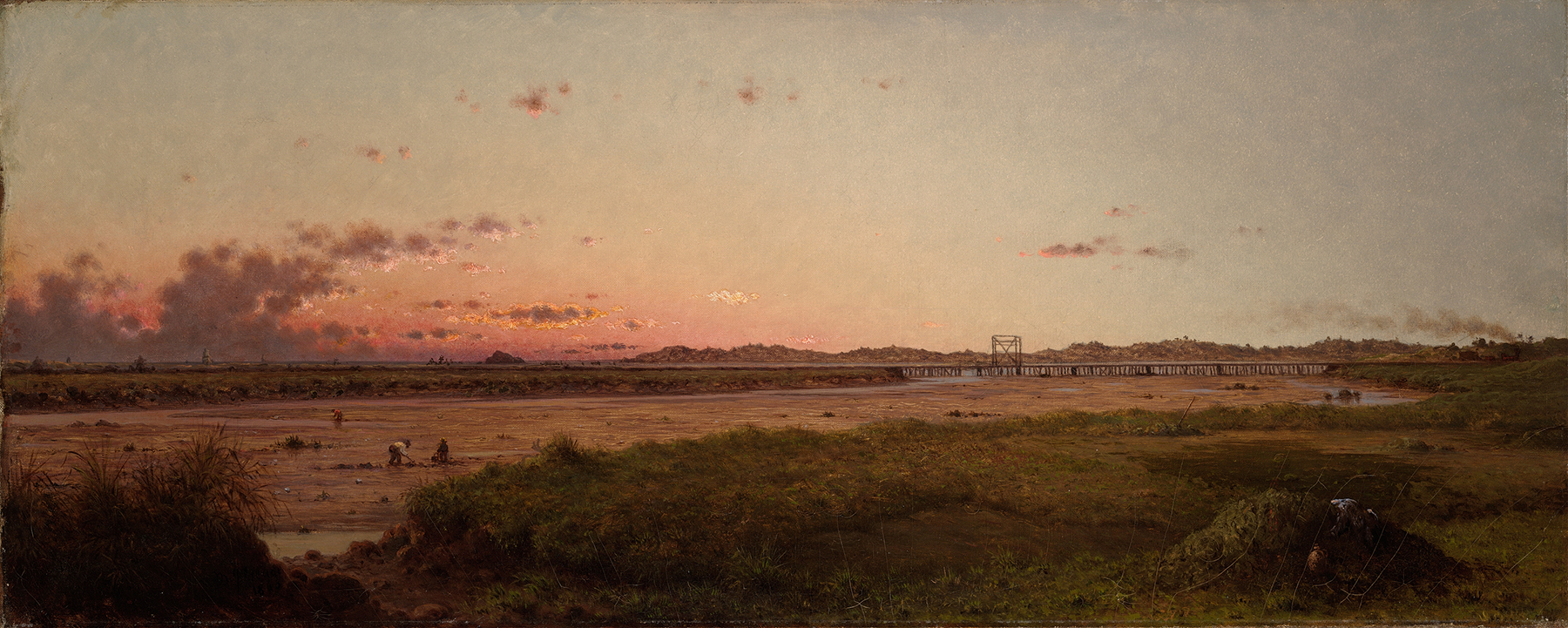
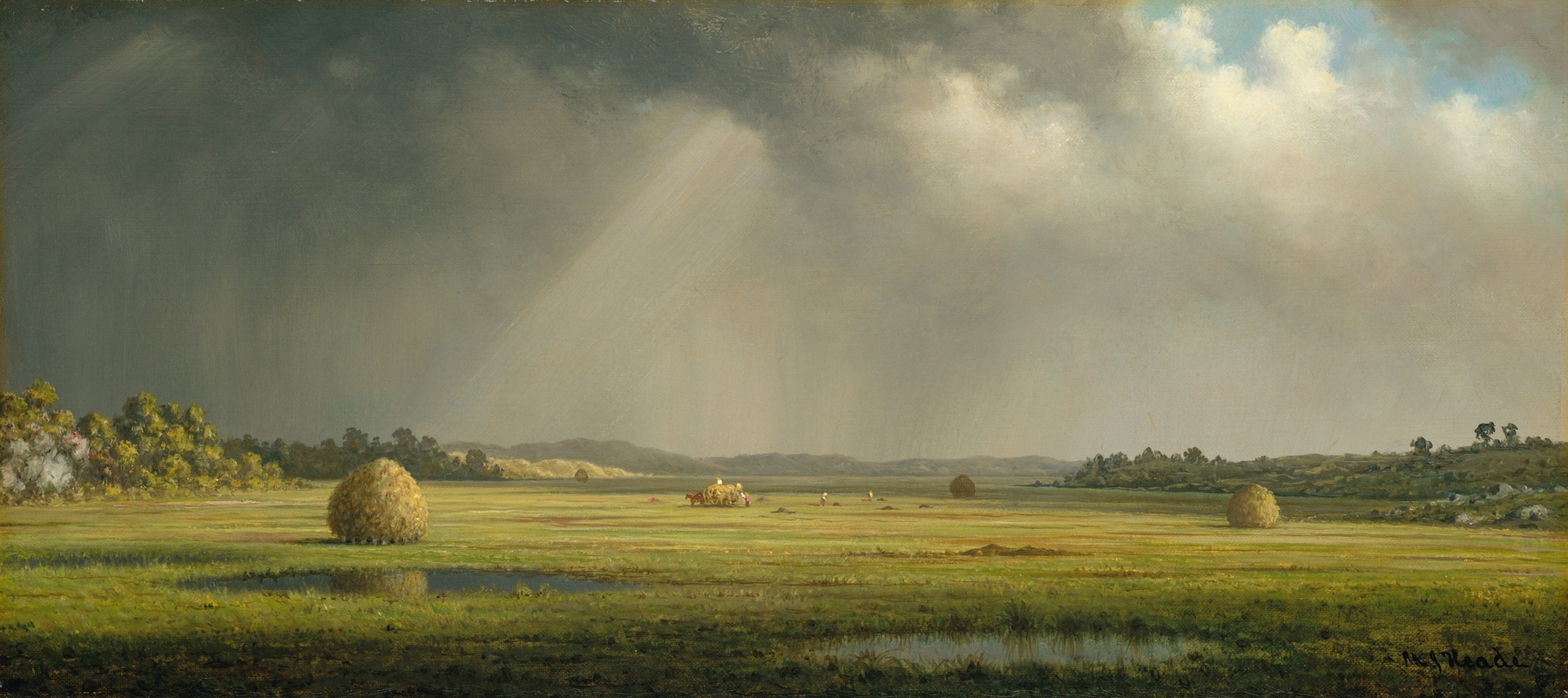
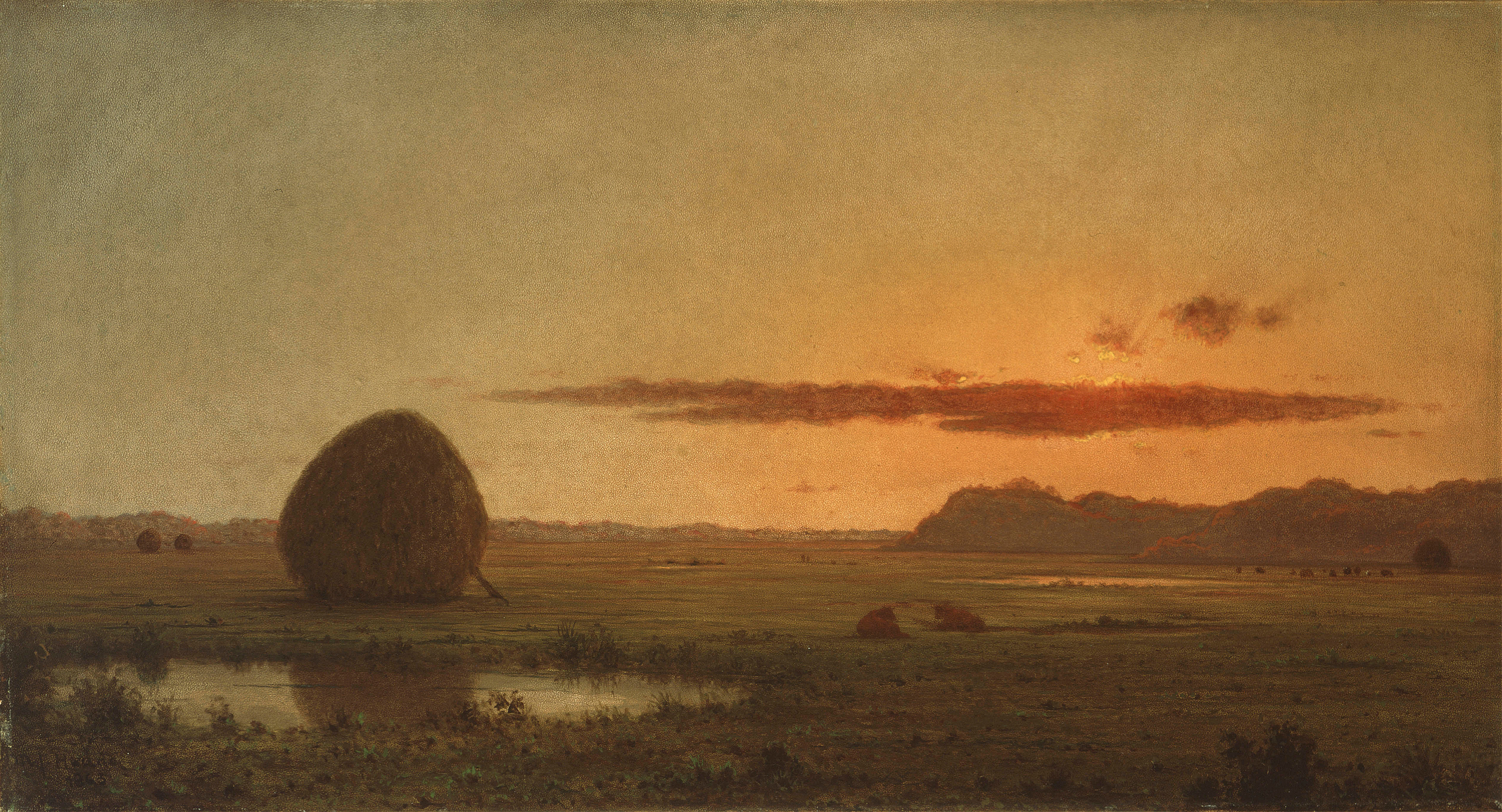
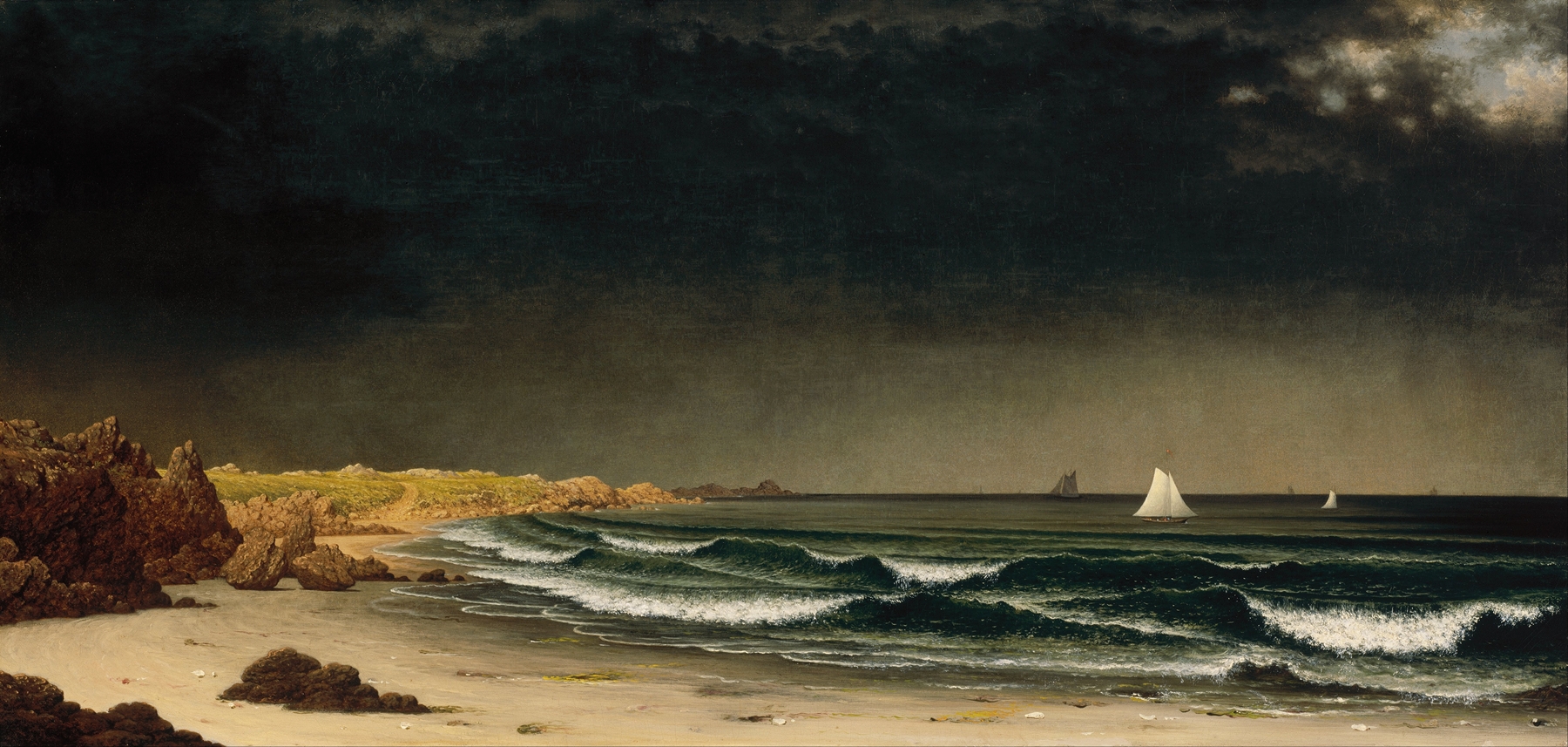
“To paint is to remember what time wants us to forget.” In the quiet embrace of nature, longing weaves itself through the gentle interplay of light and shadow, revealing the artist's deep connection to memory and emotion. Focus on the luminous quality of the sunlight as it spills across the marshes, illuminating rich greens and soft earth tones that breathe life into the landscape. The careful brushstrokes create a shimmering surface on the water, inviting you to trace the contours of the reeds swaying gently in the breeze. Notice how the horizon glows with a warm embrace, drawing your eye towards the distant trees standing sentinel, their shapes softened by the haze of twilight.
Within this tranquil scene lies a profound contrast: the tension between the eternal beauty of nature and the fleeting moments of human experience. The stillness of the marsh invites reflection on the passage of time, while the vibrant colors echo a sense of nostalgia. Each element, from the glimmers on the water to the shadowy recesses of the marsh, speaks of a yearning for connection, evoking a bittersweet feeling of both peace and loss.
Created amidst the transformative era of the American landscape movement, this work emerged between 1871 and 1875, during a period when Heade was deeply influenced by the Romantic ideals of nature. Living in Newburyport, Massachusetts, he found inspiration in the local environment, responding to a world increasingly filled with rapid industrialization. His paintings embodied a longing for the untouched landscapes, capturing a moment that bridges the gap between nature and memory.