Seascape; Sunset — History & Analysis
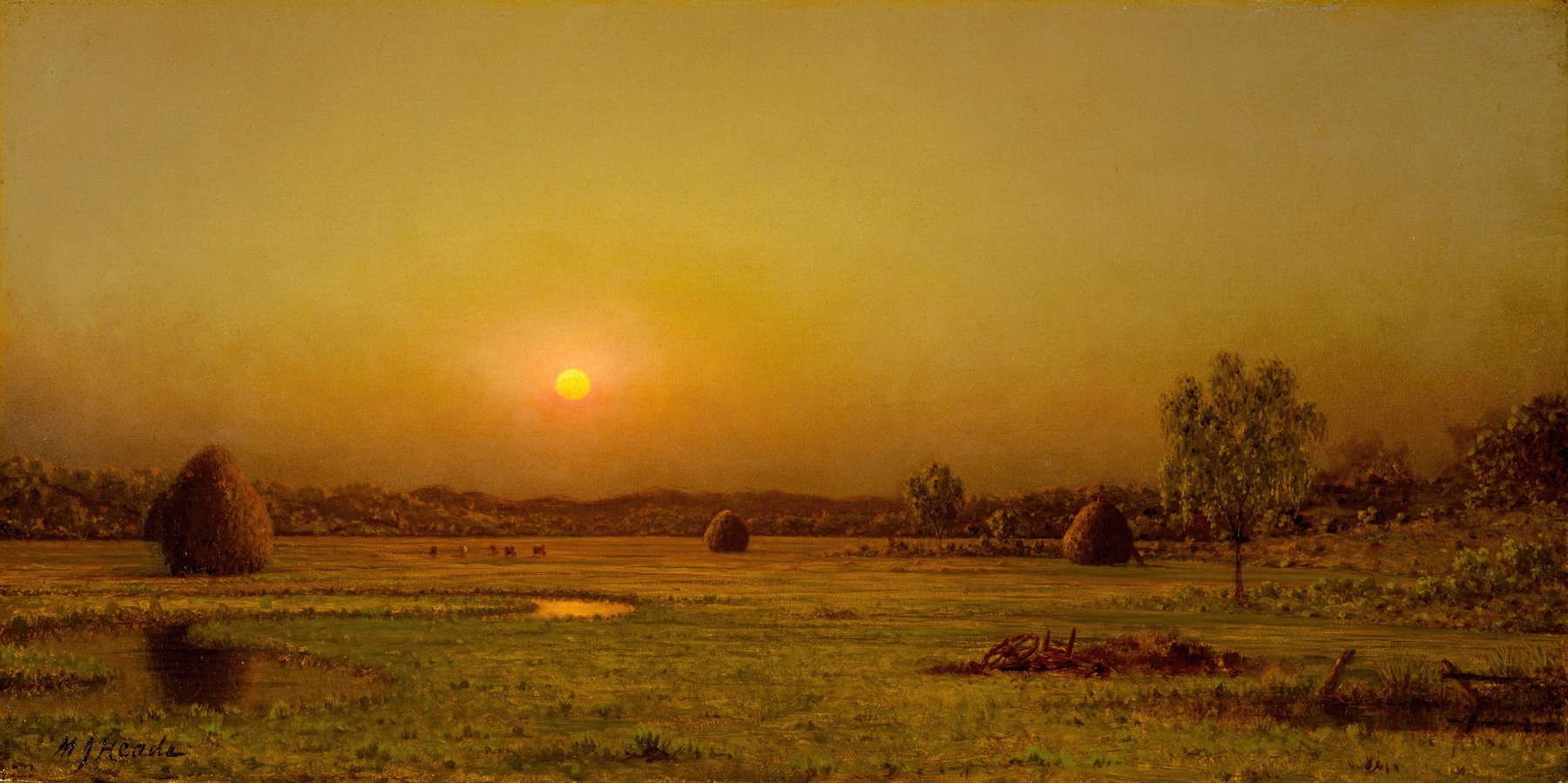
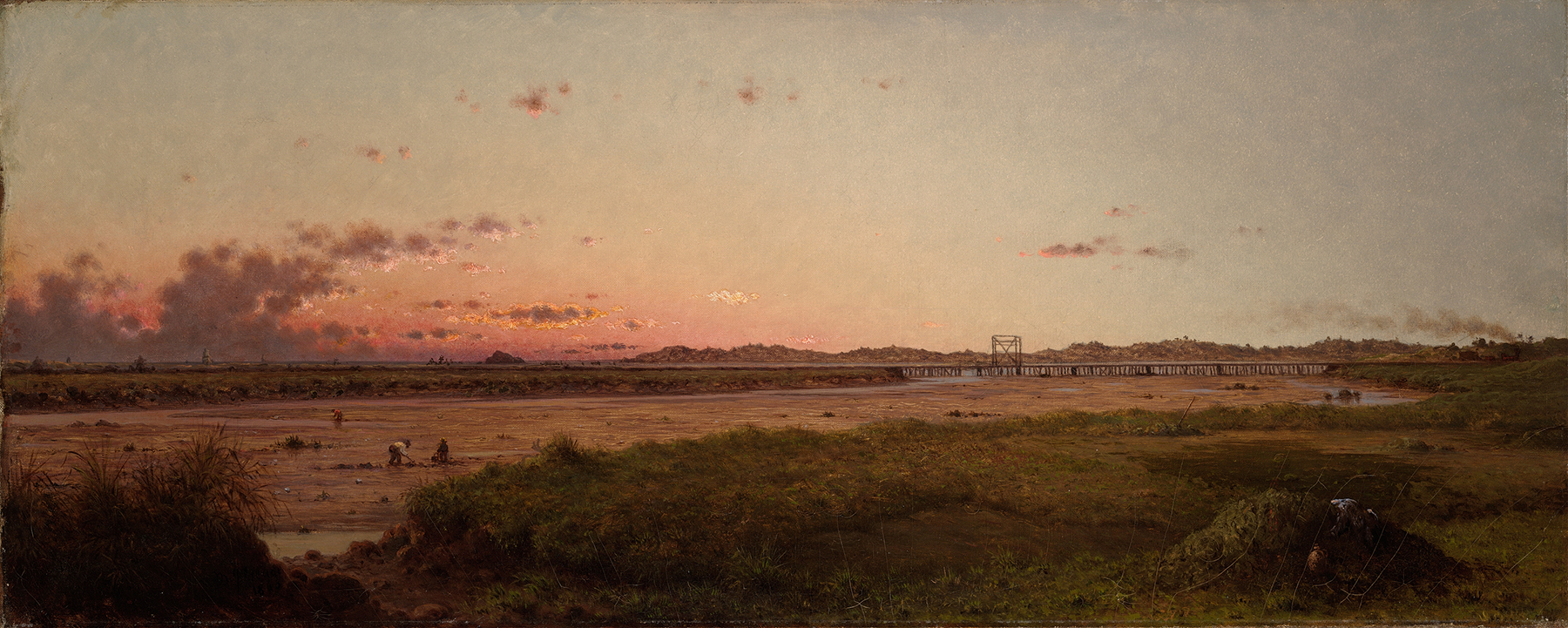
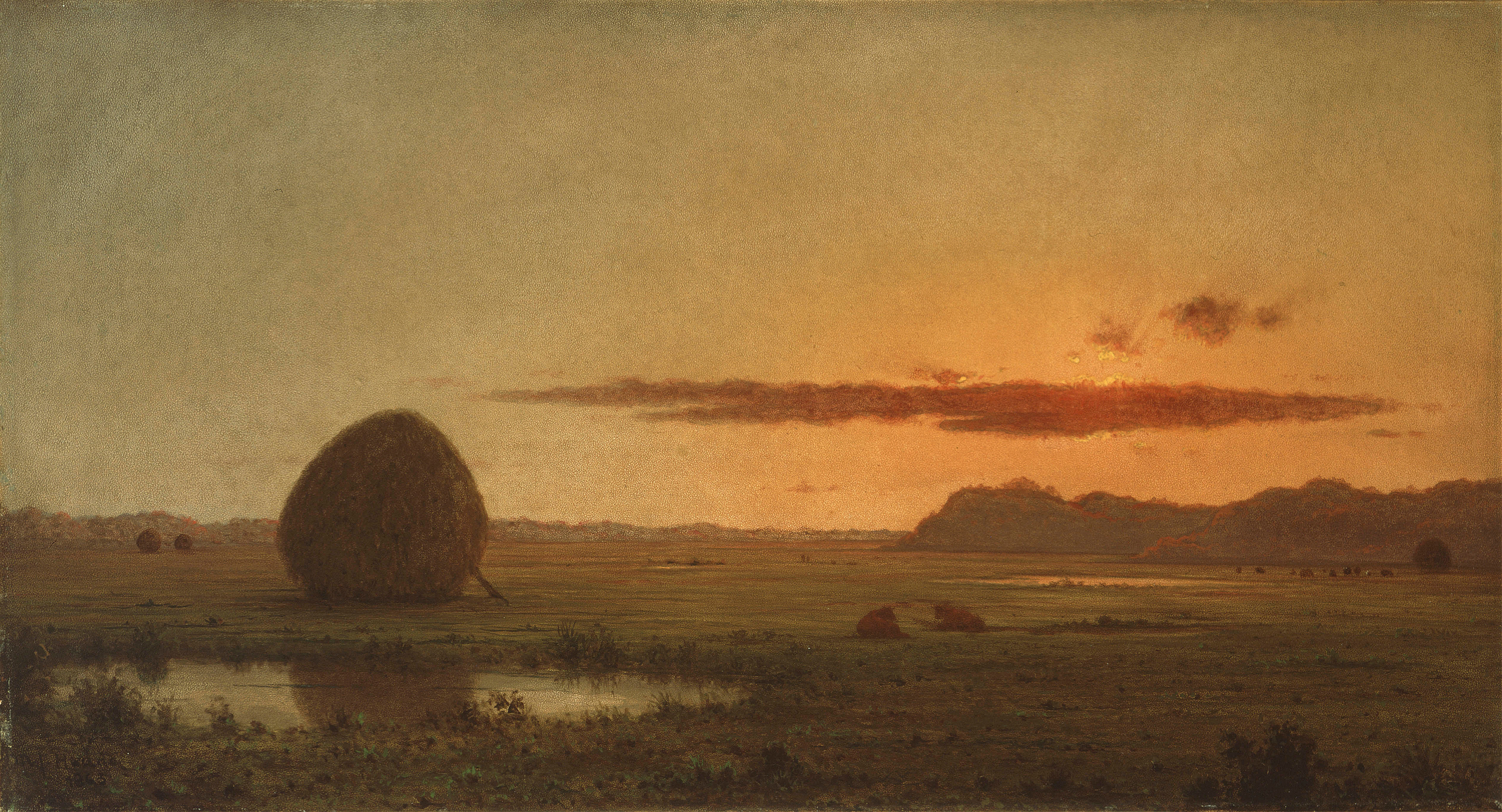
“The canvas doesn’t lie — it simply waits.” In this stillness, loss hangs like a fog over the ocean, whispering secrets beneath the vibrant hues of sunset. Focus on the horizon, where the sun bleeds into the water, painting the scene in deep oranges and purples. Notice how the light dances across the gentle waves, each ripple a fleeting moment, each brushstroke a whisper of what once was. The clouds, heavy and layered, seem to cradle the setting sun, while the distant shoreline looms as a mute witness to the beauty and sorrow intertwined in this farewell.
There’s an emotional tension between the vibrancy of the colors and the encroaching shadows of twilight. The luminous sky reflects hope and beauty, yet it also signifies an ending, a poignant reminder of the transitory nature of life. The calmness of the sea contrasts starkly with the tumultuous emotions evoked by the fading light, urging the viewer to contemplate the layers of loss hidden within this serene landscape.
In 1861, Martin Johnson Heade painted this work amid a burgeoning interest in American landscape painting, while grappling with personal and national upheaval. The Civil War was casting a shadow over the country, and Heade sought solace in the natural world. His artistic exploration during this time reflected both a desire for peace and an acknowledgment of loss, elements that resonate deeply in Seascape; Sunset.