Sunset, Newburyport Meadows — History & Analysis
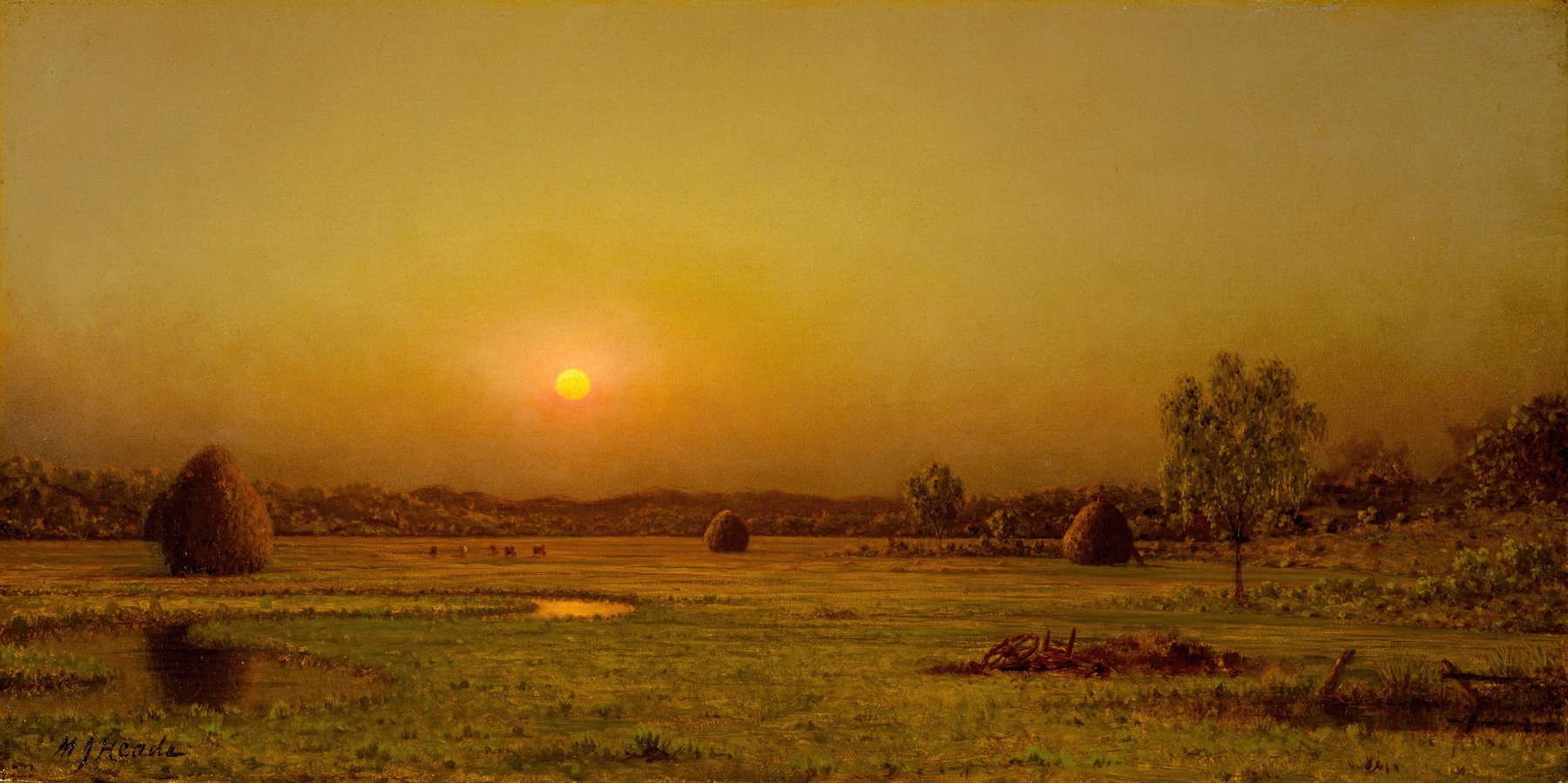
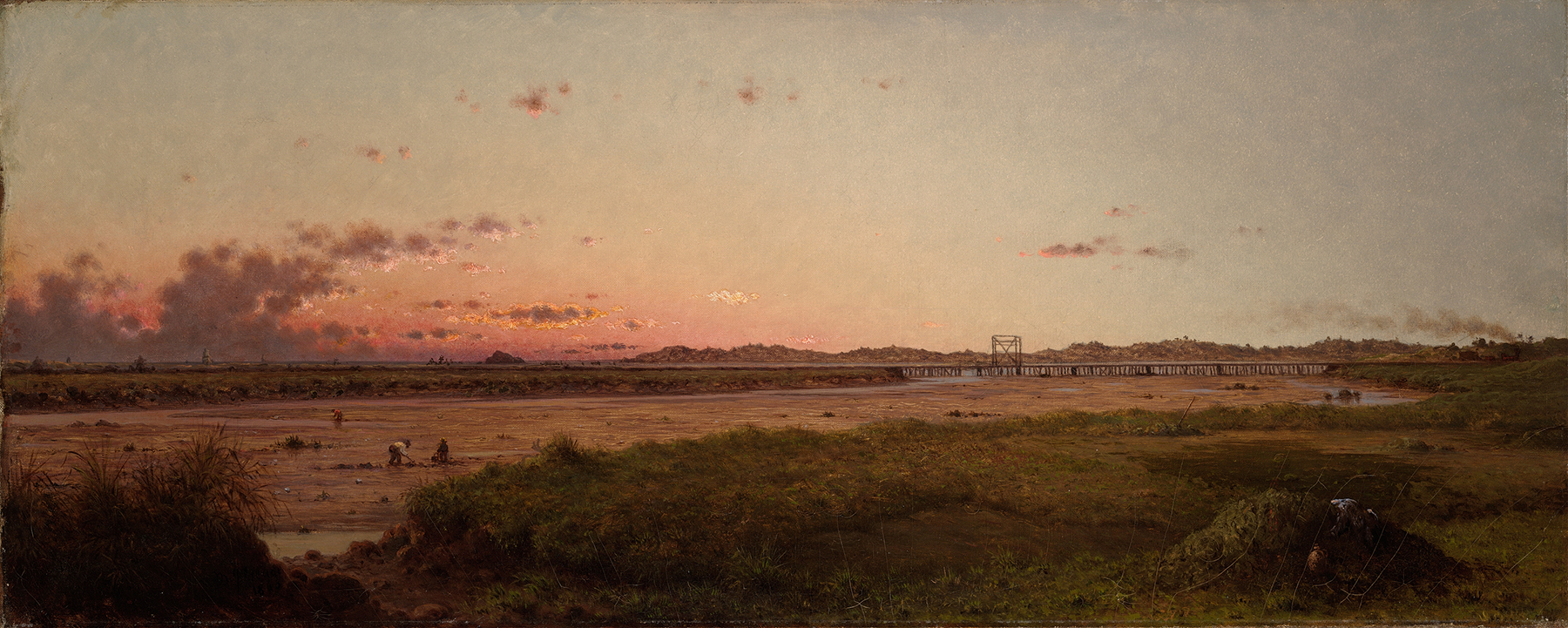
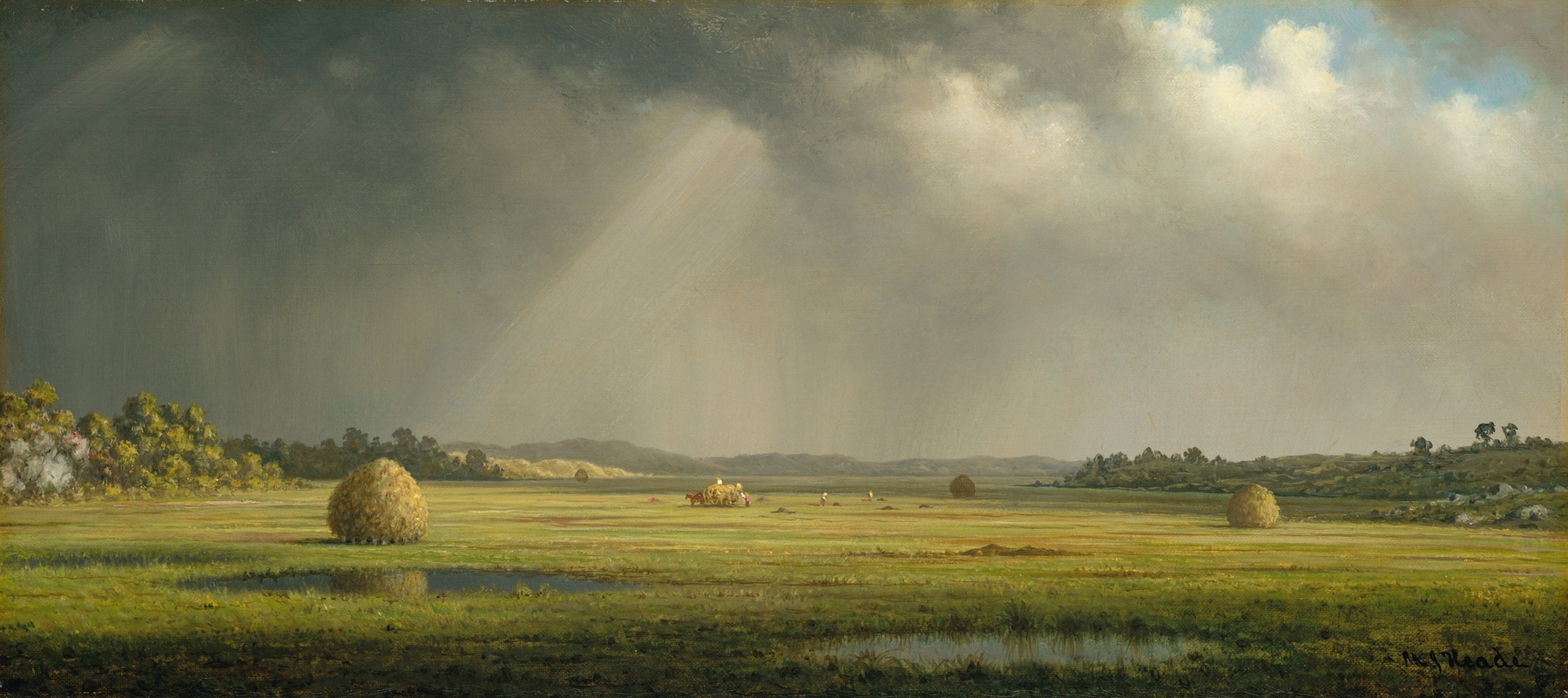
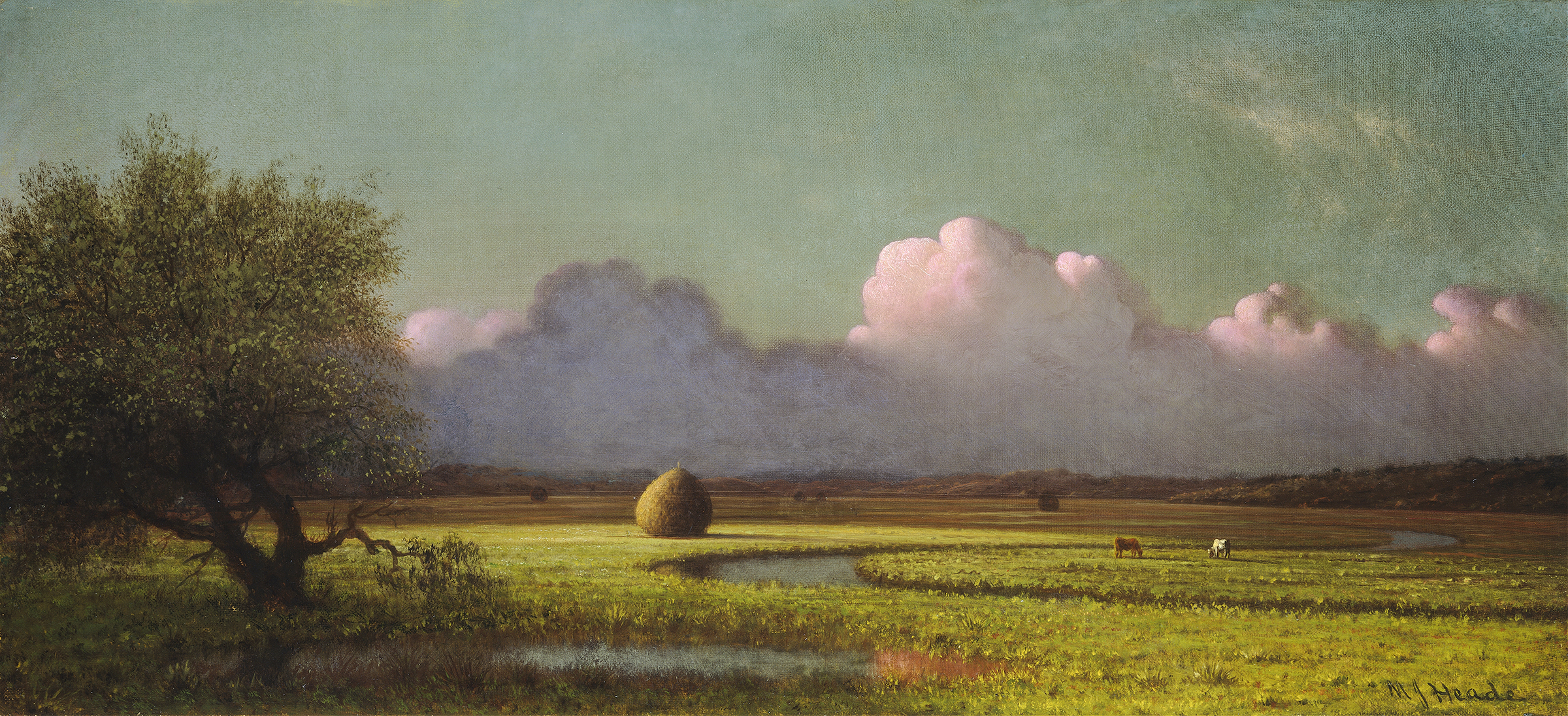
Can paint confess what words never could? In Sunset, Newburyport Meadows, the vibrant hues and ethereal glow unveil a revelation that beckons the viewer to linger in its embrace. Look to the foreground where a delicate interplay of warm amber and soft lavender dances across the meadows, guiding your gaze toward the silhouetted trees at the horizon. Notice how the brushstrokes convey a sense of movement in the grasses, each strand swaying gently under the weight of the evening light.
Heade’s meticulous attention to color and texture envelops the scene, accentuating the transition from day to night, a fleeting moment captured in time. The emotional tension within the painting lies in its duality: the tranquility of nature juxtaposed against the inevitable march of time. As day surrenders to twilight, the atmosphere tinged with nostalgia hints at both beauty and loss. The radiant sky recalls a sense of hope, while the encroaching darkness offers a reminder of life’s impermanence, urging us to reflect on our own moments of transition and revelation.
Created in 1863, this work emerged during a transformative period in American art. Heade was in Newburyport, Massachusetts, exploring the burgeoning genre of landscape painting, which sought to reveal the spiritual essence of the natural world. This era marked a growing appreciation for plein air techniques, allowing artists to depict the play of light and color with unprecedented immediacy, as seen so vividly in this masterpiece.