The Great Florida Sunset — History & Analysis
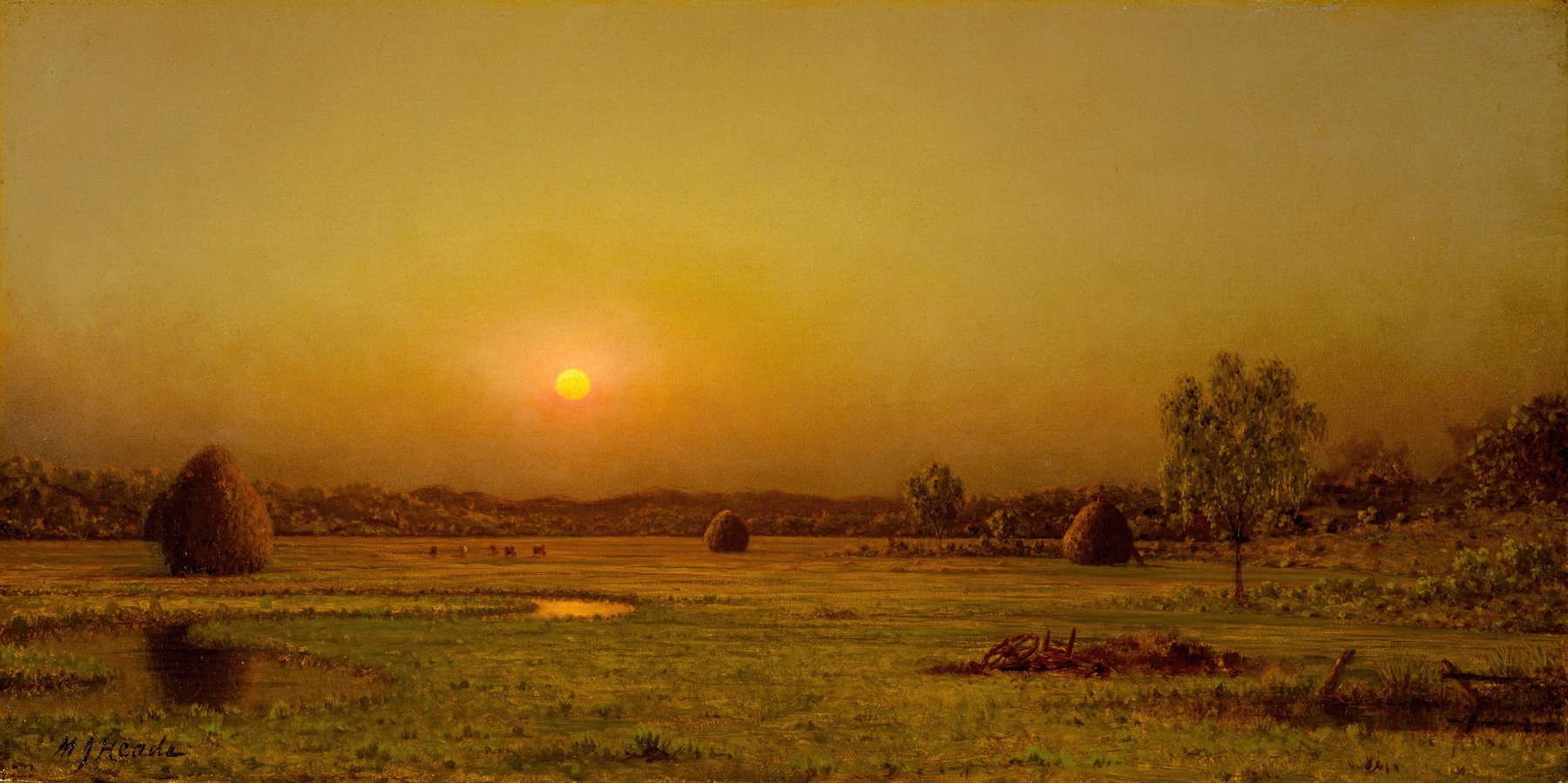
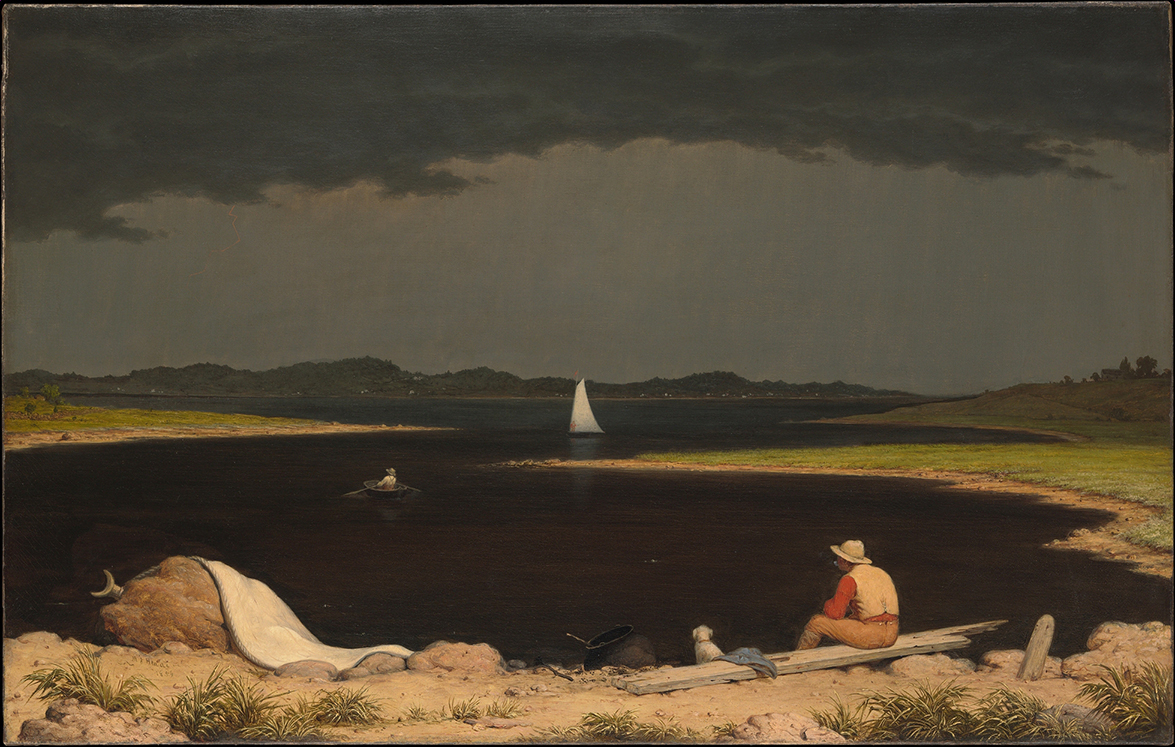
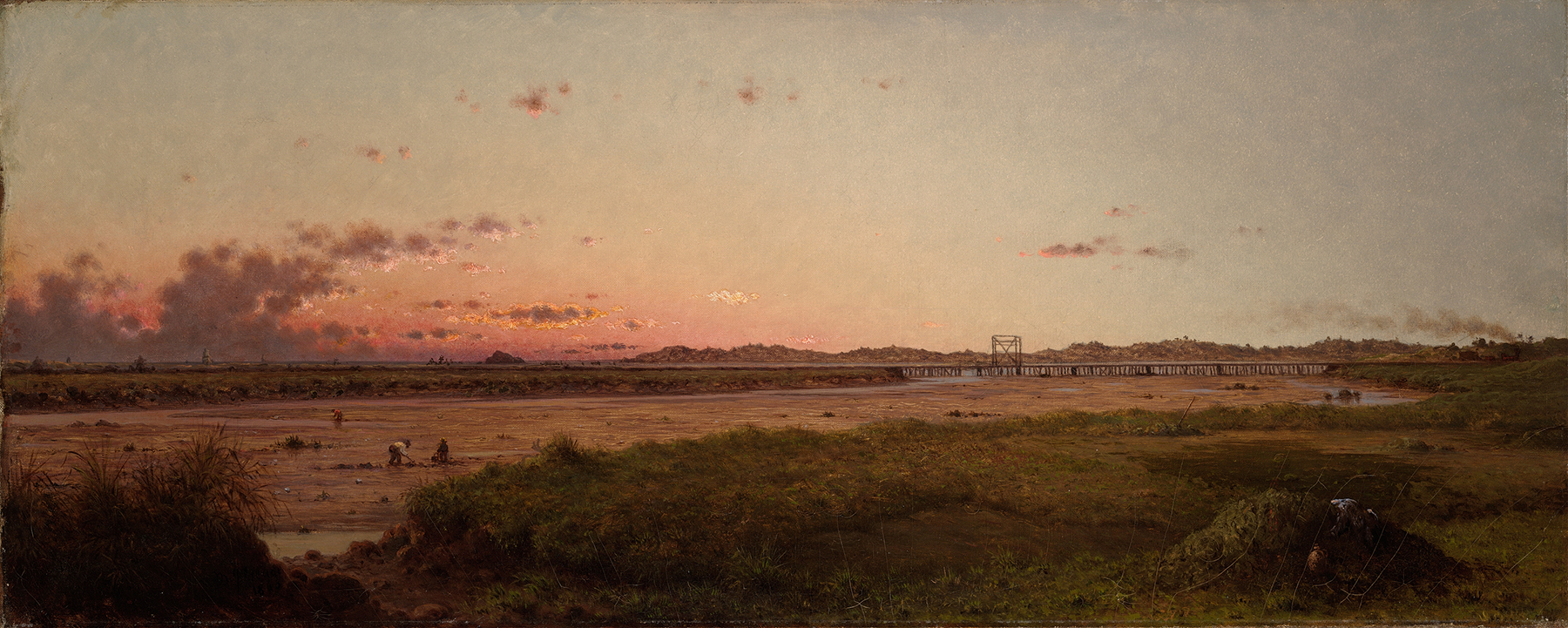
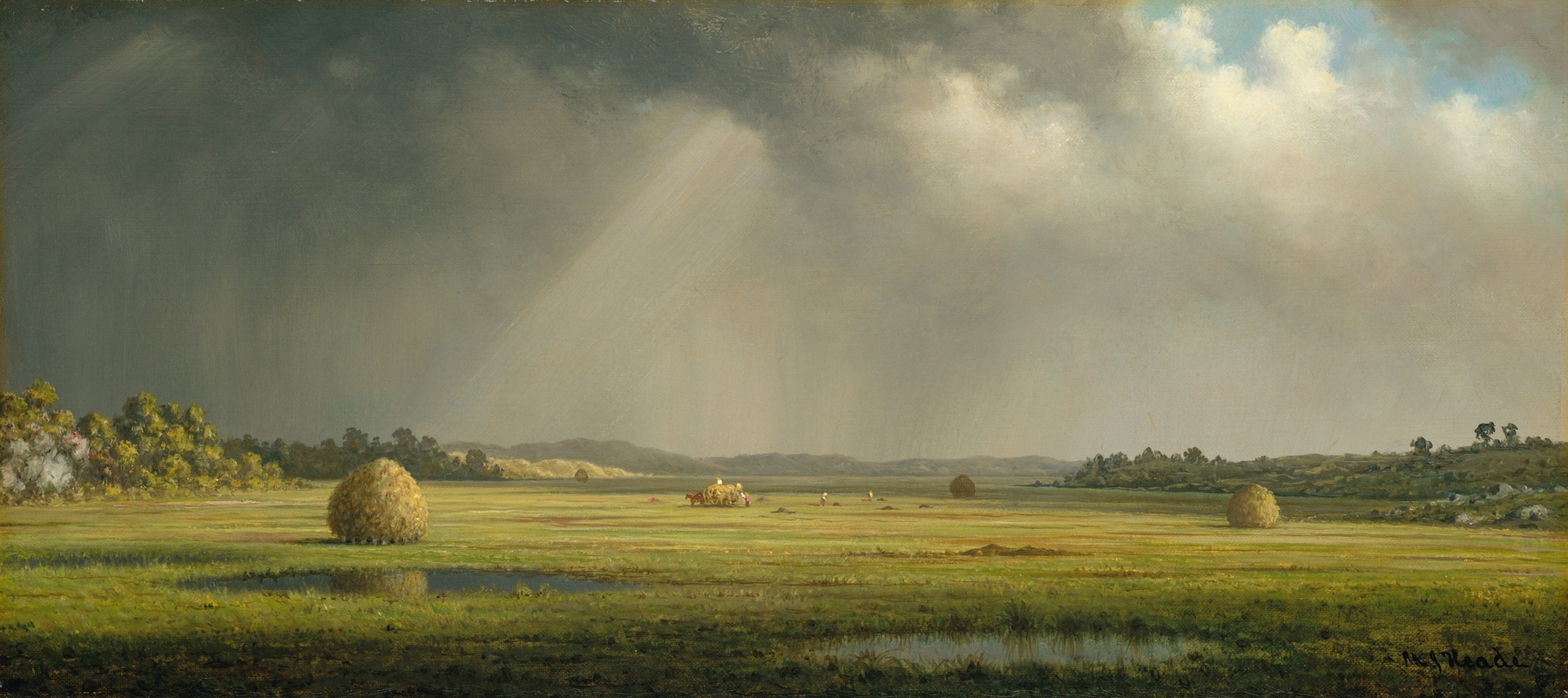
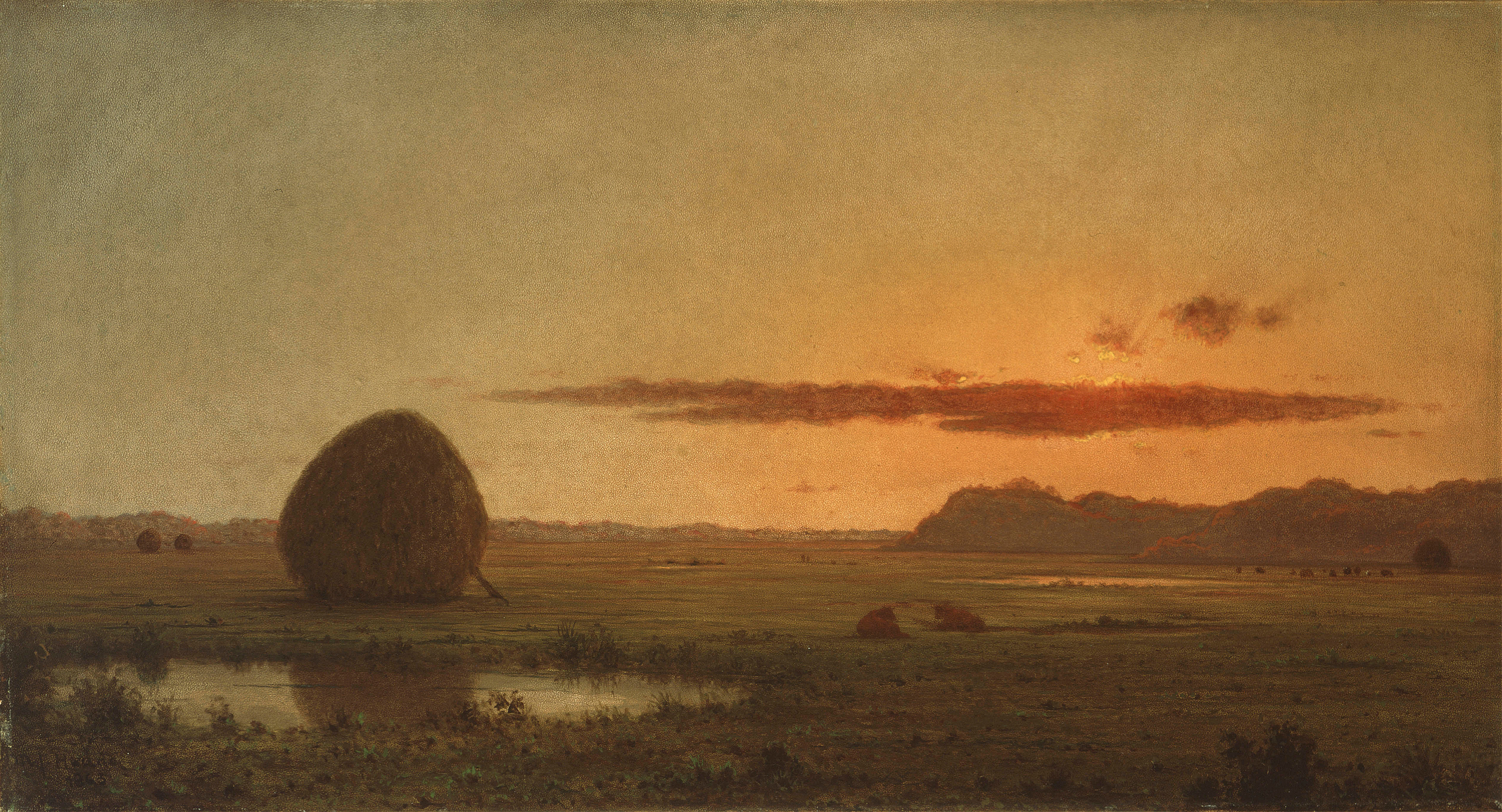
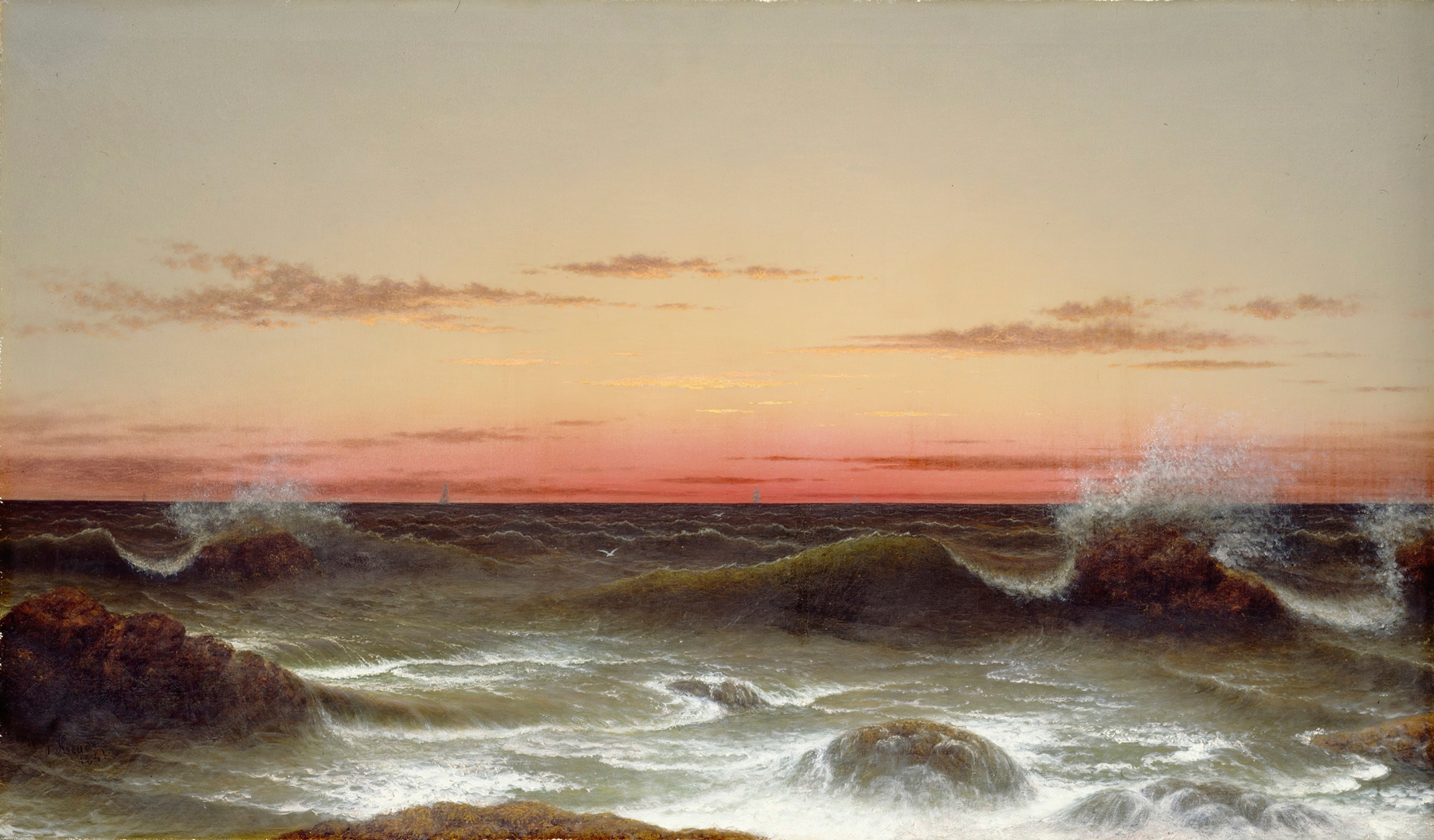
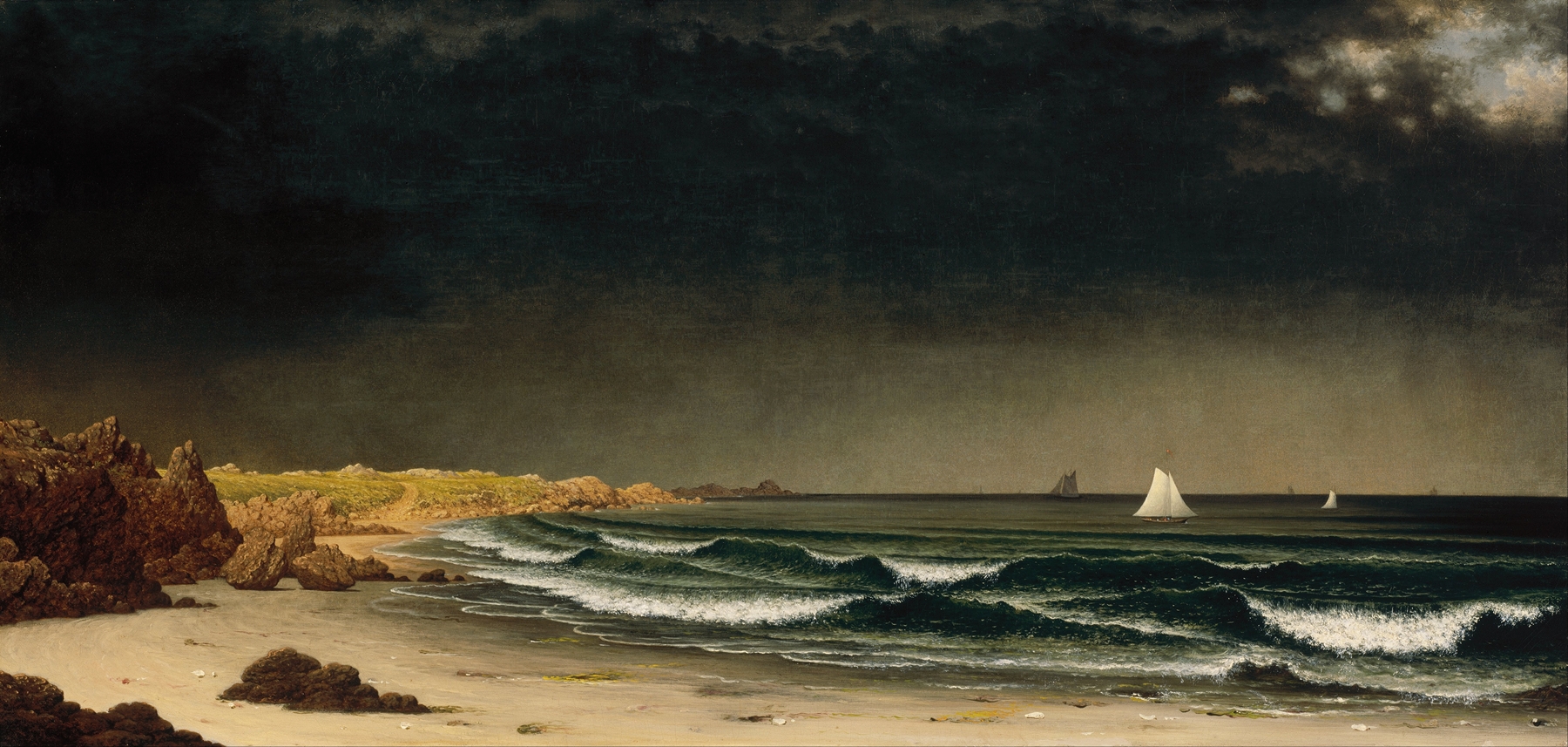
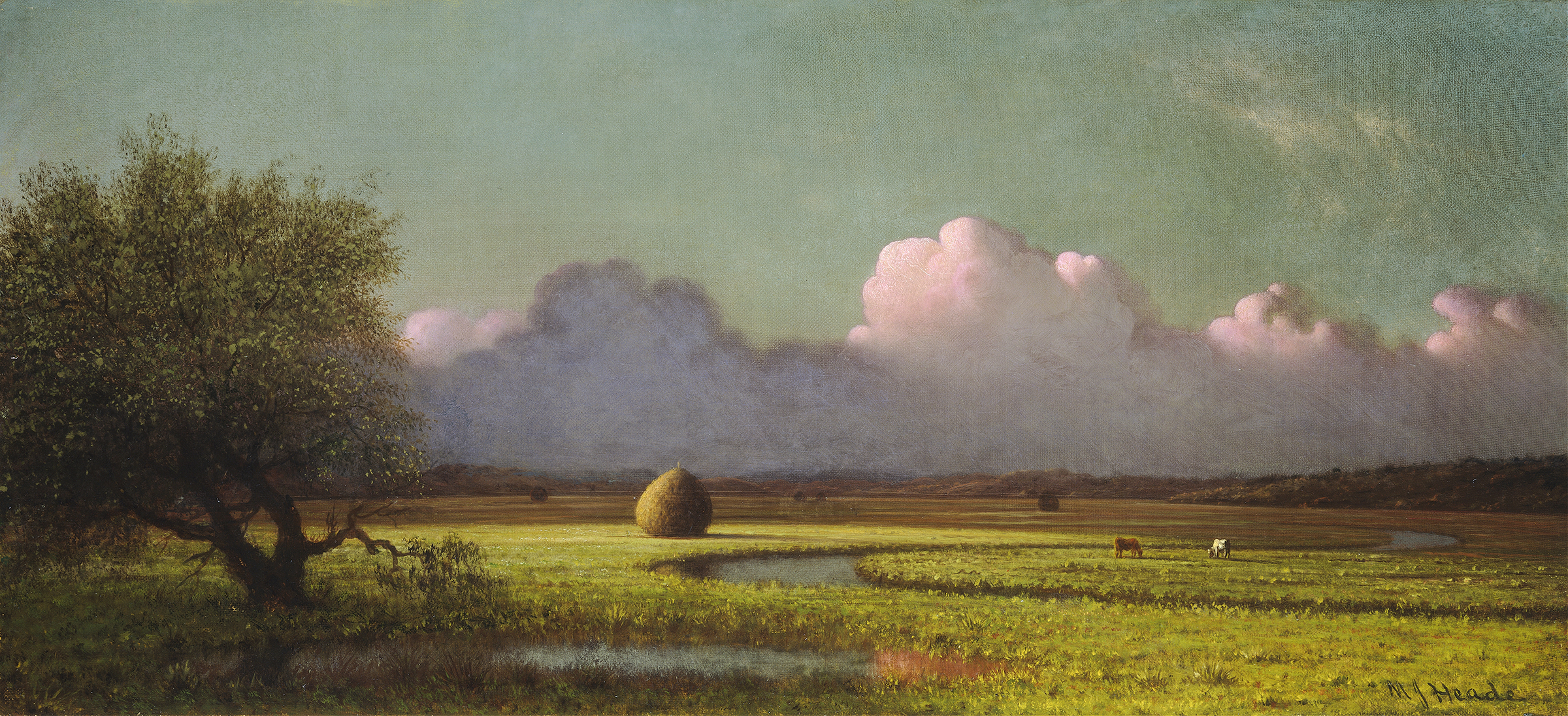
“Under the brush, chaos becomes grace.” In the realm of art, light transcends mere illumination; it becomes a narrator of emotions and stories. Focus first on the radiant horizon, where fiery oranges and soft pinks blend seamlessly into deep indigo, inviting the viewer into a tranquil embrace. Notice how the clouds, rendered with delicate brushstrokes, catch the dying light, their edges aglow. The overall composition draws the eye toward the serene water, which mirrors the sky's colors, creating a harmonious dialogue between earth and atmosphere. The subtle reflection captures a fleeting moment, revealing both the beauty and transience of nature.
Delve deeper into the interplay of light and shadow within the painting. The luminous cloud formations not only suggest the end of day but also evoke a sense of longing and introspection. Here, the contrast between the vibrant colors of sunset and the impending darkness hints at the duality of hope and melancholy. Each stroke seems to hold a secret, whispering of the day's end and the promise of tomorrow, encapsulating the essence of fleeting beauty.
In 1887, Martin Johnson Heade created this masterpiece during a period marked by both personal exploration and the burgeoning American landscape painting movement. Having focused on capturing the essence of nature, Heade was influenced by Romantic ideals and the desire to depict the sublime. At this time, he was establishing his reputation, experimenting with color and light, and engaging with the vibrant American artistic community. This painting reflects not only his mastery but also a moment in history where nature and art were deeply intertwined.