Lynn Meadows — History & Analysis
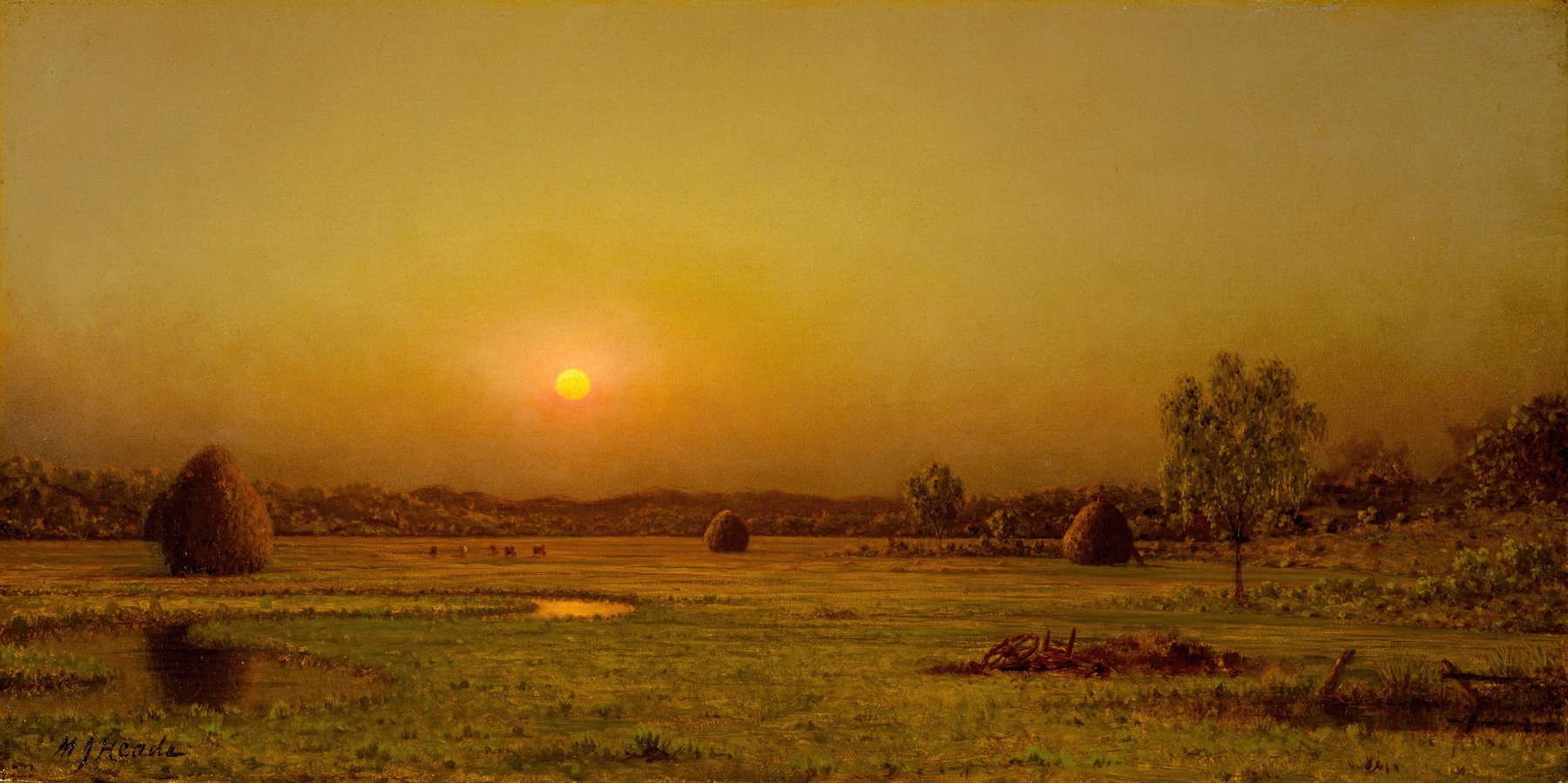
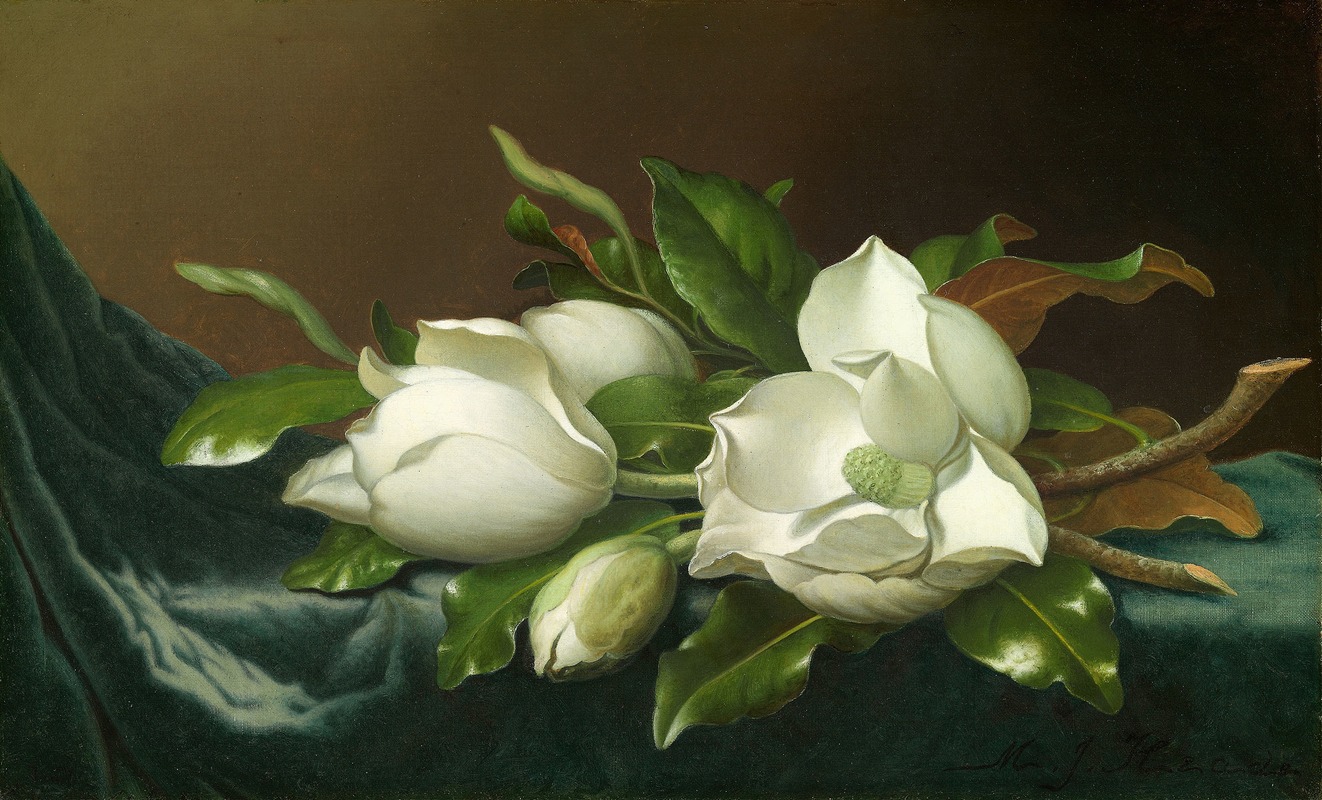
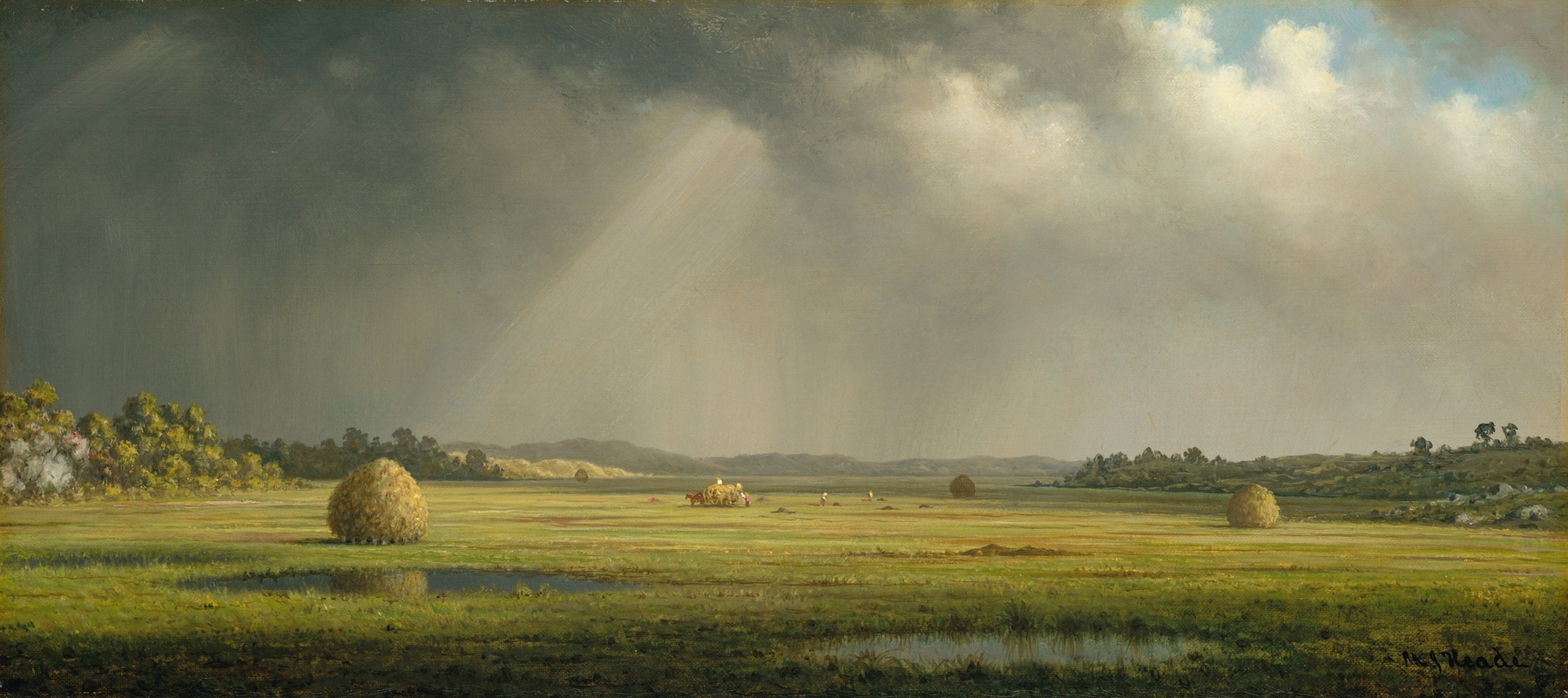
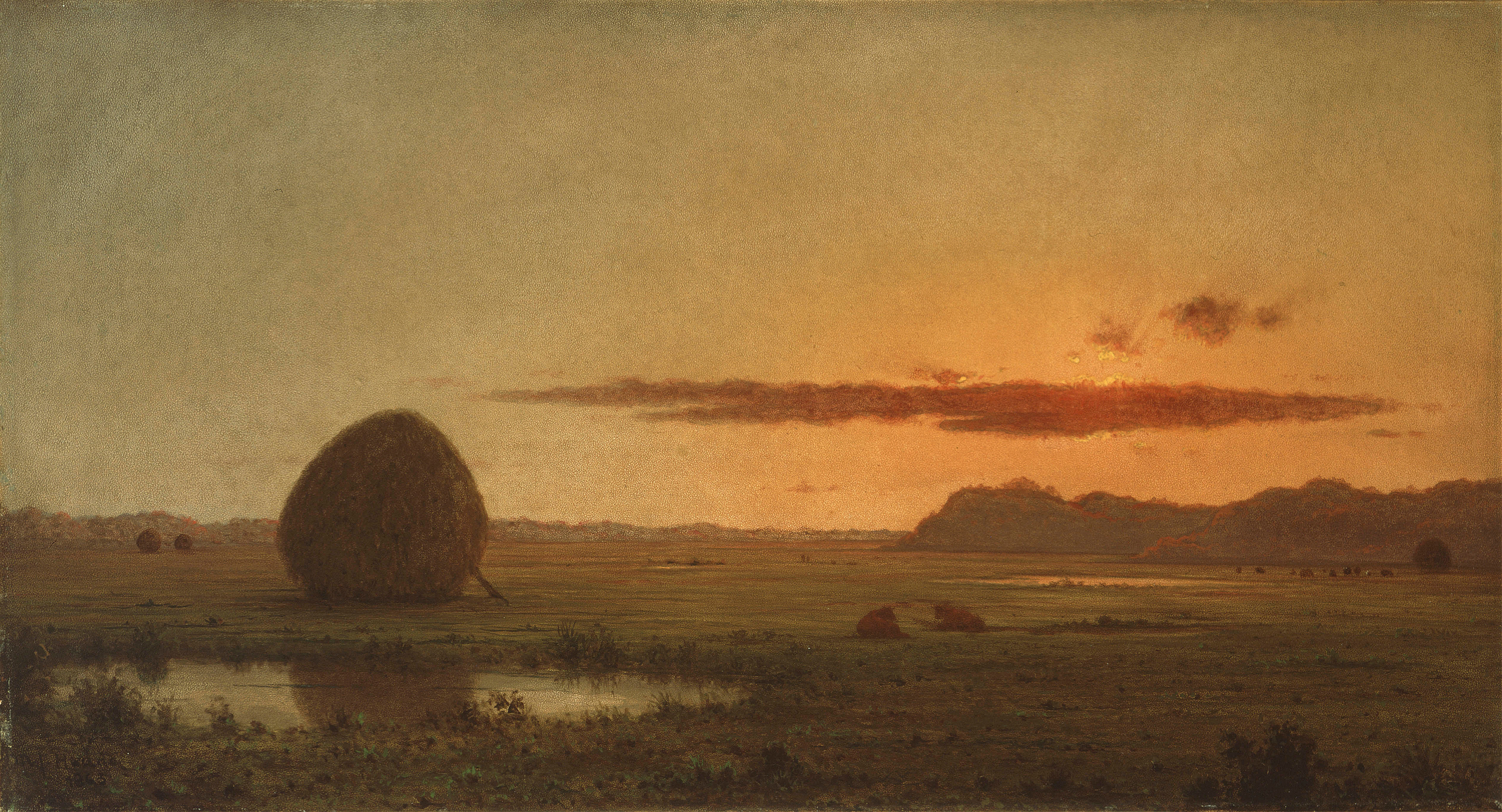
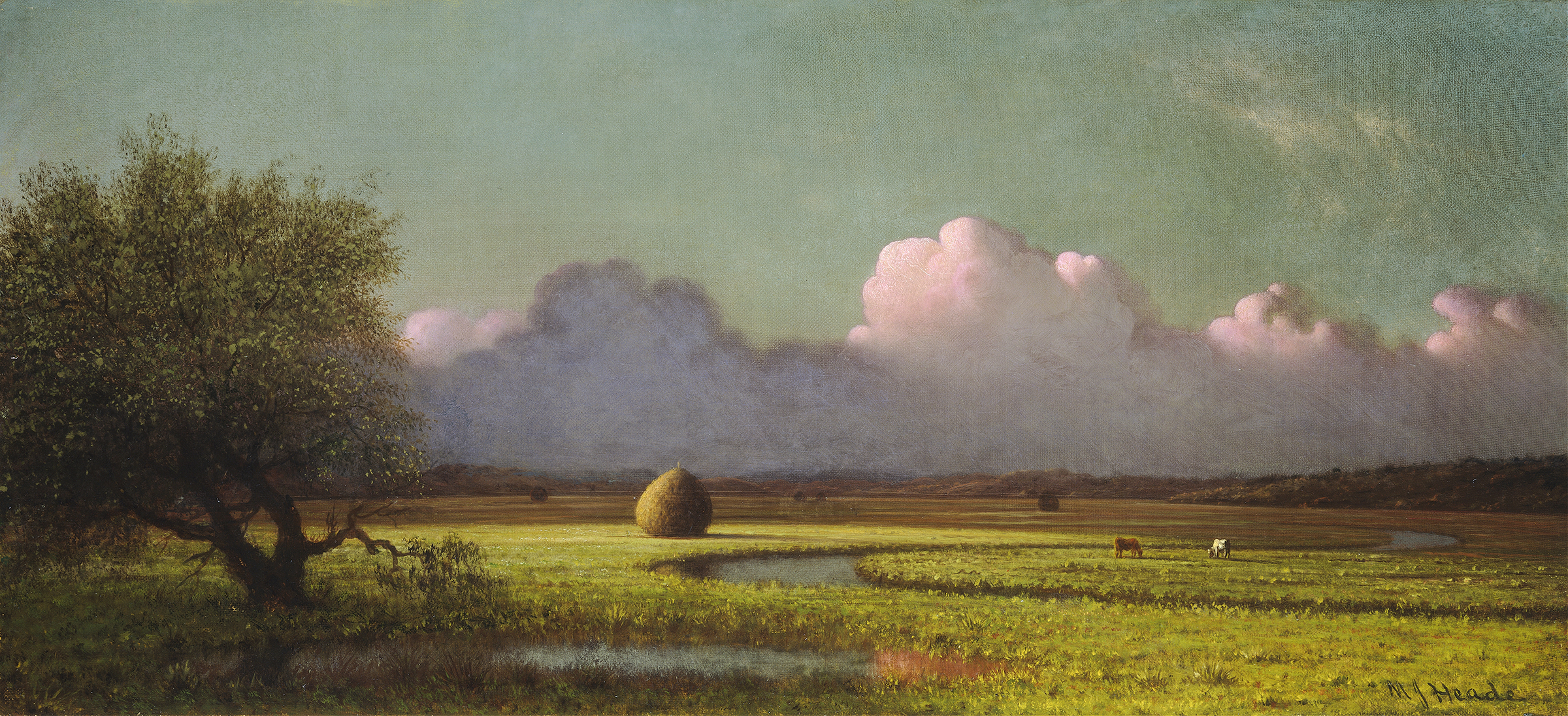
Where does light end, and longing begin? In the delicate interplay of nature’s colors, Martin Johnson Heade captures a moment where the heart aches for the light that gently caresses it. Look to the right at the delicate blooms of the meadow, each petal painted with meticulous attention, as if inviting you to step closer. Notice how the warm golden light spills across the canvas, illuminating the lush greens and deepening the shadows beneath. The subtle gradient enhances the richness of the scene, creating a sense of depth that draws the viewer into a tranquil yet profound space.
The composition invites contemplation, a visual echo of nature's quiet beauty that speaks to something far beyond its surface. Yet, beneath this serene exterior lies an undercurrent of yearning. The blossoms, vibrant yet fleeting, symbolize the ephemeral nature of beauty and life itself. The play of light reveals both clarity and obscurity, suggesting a longing for moments that are inevitably lost to time.
Each brushstroke seems to whisper a secret—a reminder of the delicate balance between the joy of existence and the sorrow of its transience. In 1863, Heade painted this work during a time of personal introspection while living in Newburyport, Massachusetts. The Civil War loomed in the background, casting a shadow over the nation, while Heade sought solace in the beauty of the natural world. This painting emerged as a testament to his ability to find hope and meaning amidst turmoil, capturing a moment of quiet reflection that resonates deeply with viewers even today.