Nicolas Rubens, the Artist's Son — History & Analysis
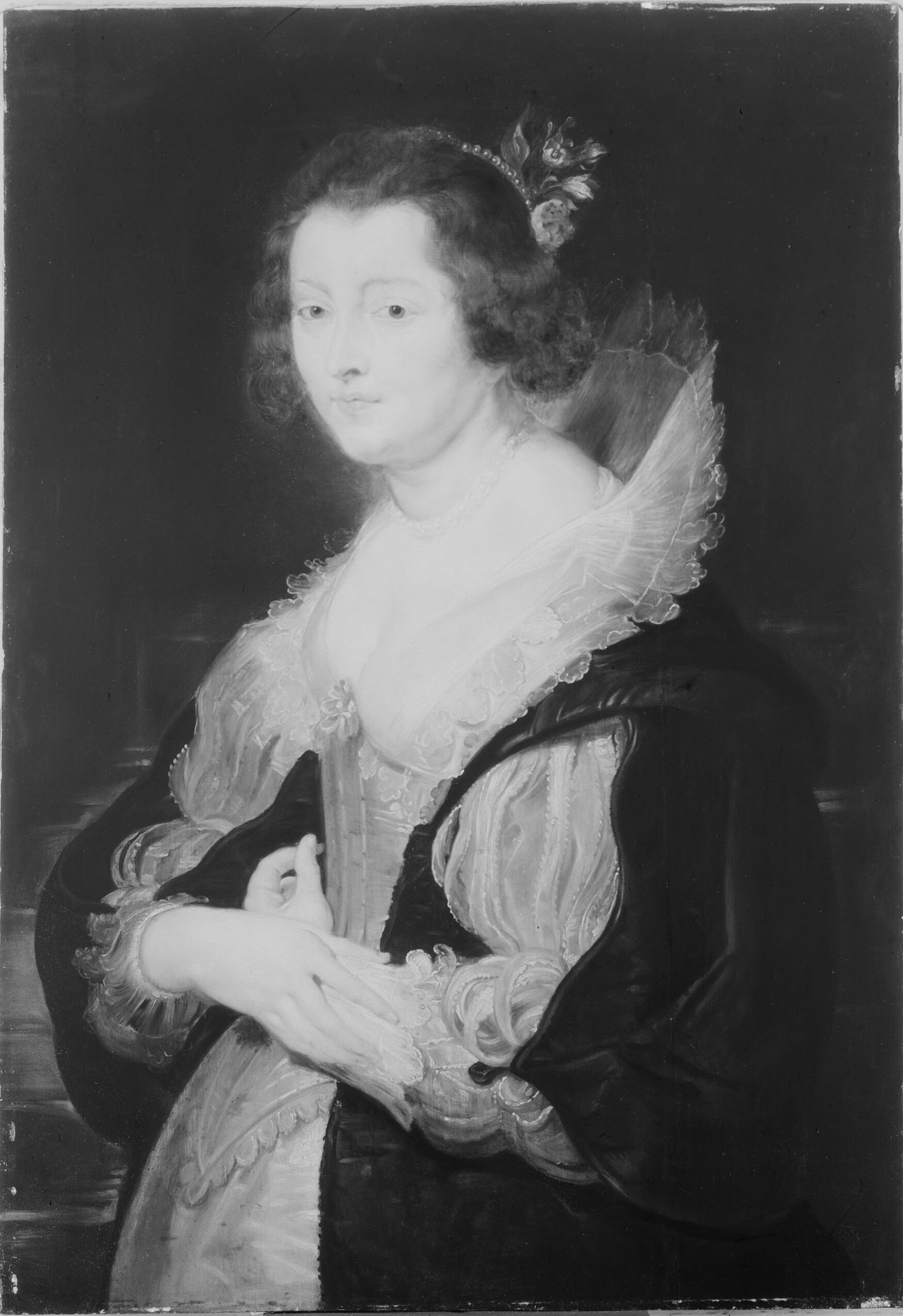
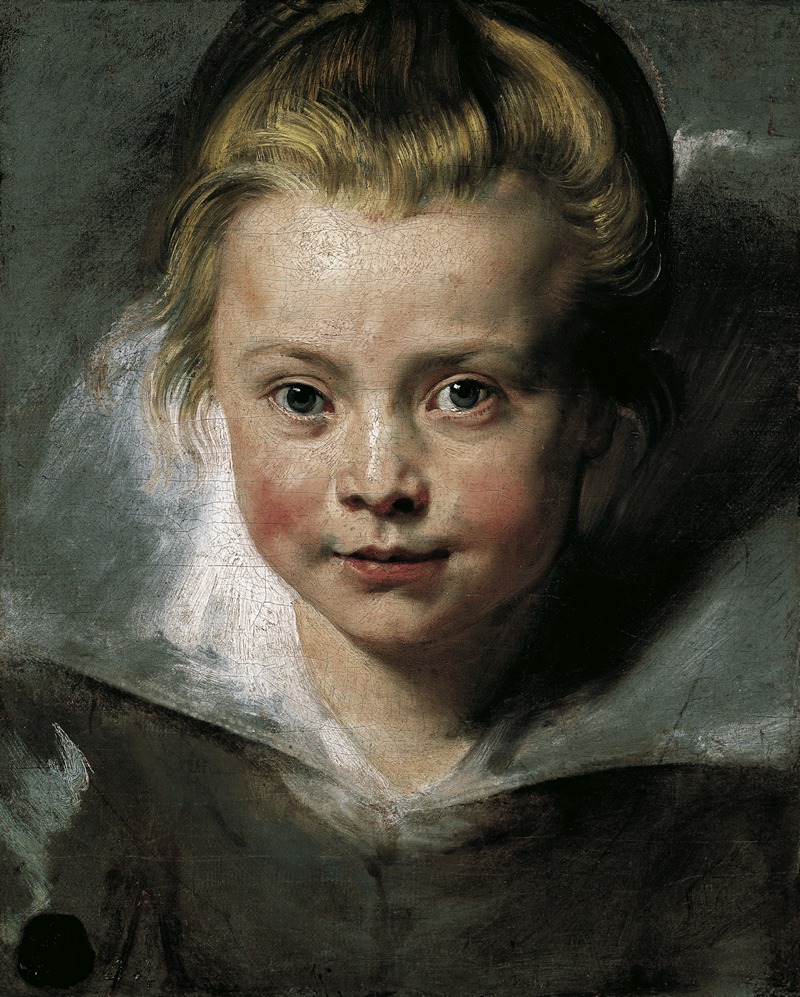
Is this a mirror — or a memory? In Nicolas Rubens, the Artist's Son, the tender gaze of a boy evokes both the warmth of familial love and the cold shadow of loss, unveiling the complex layers of human connection. Begin in the center, where the boy's striking eyes draw you in, a portal to his soul. Notice the soft contours of his face, illuminated by warm, golden light that bathes his features.
The artist's deft brushwork captures the texture of his hair and the delicate fabric of his clothing, inviting you to appreciate the rich colors and intricate folds. Surrounding him, a dark, muted background contrasts sharply with his brightness, emphasizing his presence as both a beloved child and a fleeting moment in time. The interplay of light and shadow speaks of duality — innocence juxtaposed with the inevitable passage of time. Each brushstroke reverberates with emotional weight, suggesting a poignant narrative of a father’s pride mingled with an undercurrent of grief.
In the boy's expression lies a whisper of melancholy, an awareness of the transient nature of life, evoking a sense of nostalgia for what once was and what is yet to come. Rubens painted this portrait around 1635, during a turbulent period in his life, marked by personal losses, including the death of his first wife. As a leading figure of the Baroque movement, he was deeply invested in representing the human experience with emotional depth. This work not only reflects his artistic mastery but also serves as a personal testament to the love and sorrow intertwined in his own journey as a father and artist.