Portrait of a Lady (probably Helene Fourment) — History & Analysis
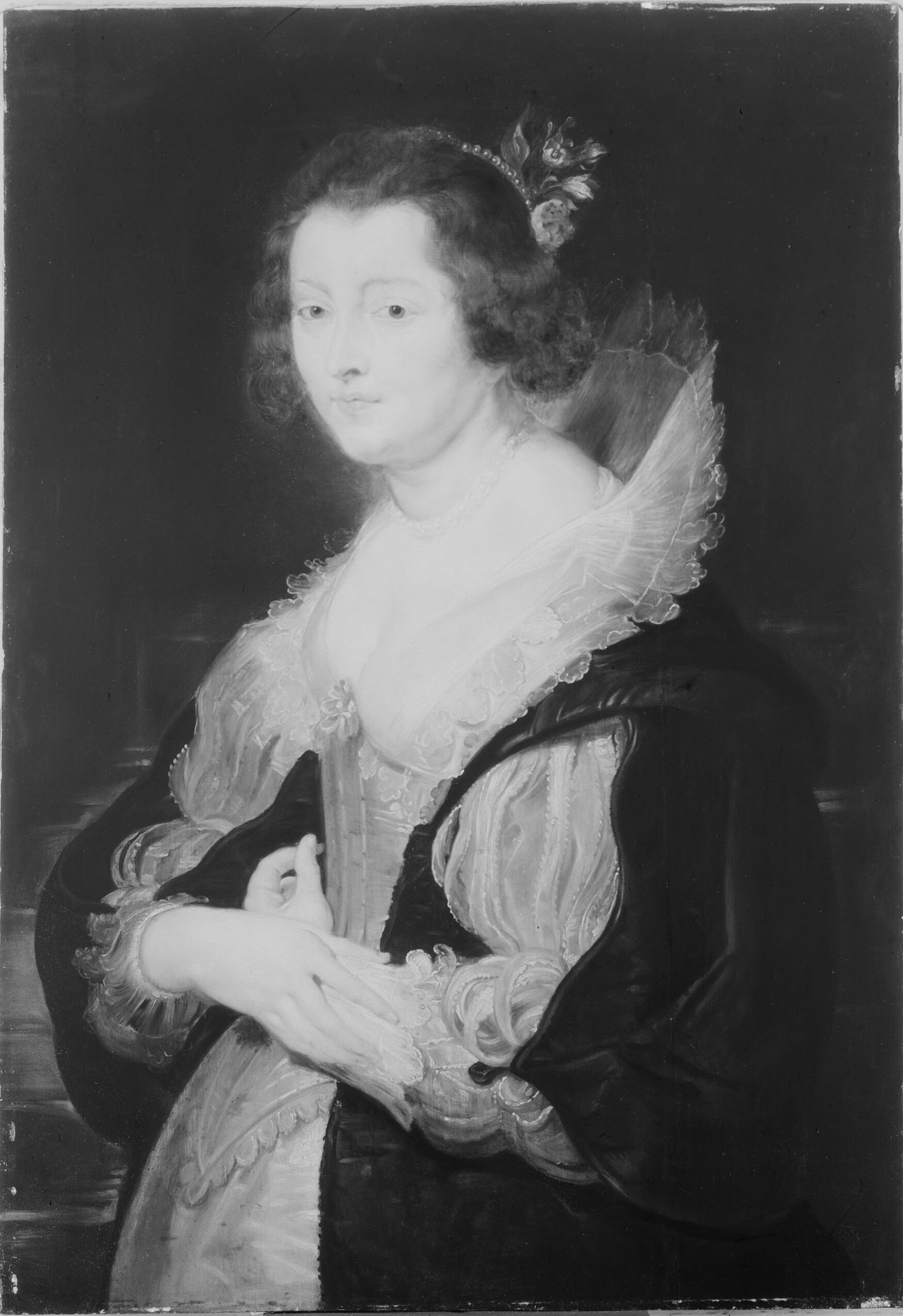
“Every brushstroke is a heartbeat remembered.” In a world where fleeting moments often escape our grasp, capturing the essence of human movement can feel like a dance suspended in time. The masterful interplay of paint and emotion invites us to reflect on the vitality of life, as if the canvas itself breathes with every glance. Look to the lady’s flowing garments, where rich hues of red and gold intertwine, cascading with an almost palpable fluidity. Notice how the fabric seems to ripple, embodying motion as it wraps elegantly around her figure. The soft light that bathes her face enhances the softness of her expression, while her gaze, both inviting and enigmatic, draws the viewer into an intimate dialogue. In the background, a subtle landscape appears, echoing the same vibrancy and movement, offering a glimpse of the world beyond her poised presence. Beneath her serene exterior lies a complex interplay of contrasts: the stillness of her posture versus the dynamic drapery, the warmth of her skin against the cooler tones of the background. This tension suggests a moment that is both transient and eternal, reinforcing the idea that beauty is found not just in stillness, but in the possibility of movement that exists within every brushstroke. Each detail, from the delicate lace on her collar to the hint of a smile, speaks of unrecorded stories and unexpressed emotions, inviting the viewer to wonder what lies behind her poised demeanor. Created in the early 17th century, this portrait reflects Rubens’ mastery during a time when the Baroque movement was flourishing in Europe. Living in Antwerp, he was deeply engaged in both the art world and broader societal changes, including the shift towards more personal and emotional expressions in portraiture. The artist's exploration of vibrant color and dynamic composition captured the essence of his subjects, making each painting a testament to life’s rich tapestry.