Nine Barrow Down — History & Analysis
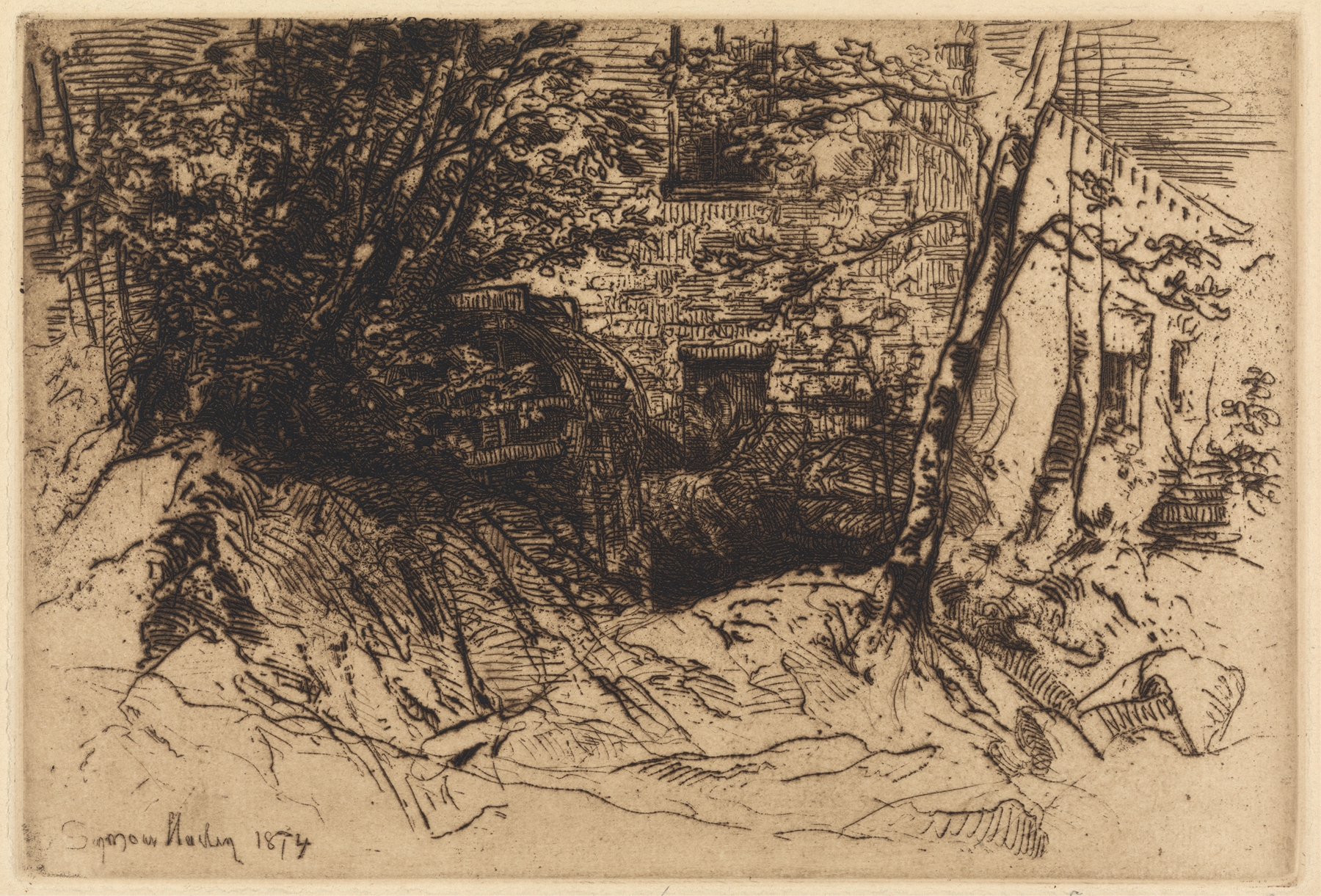
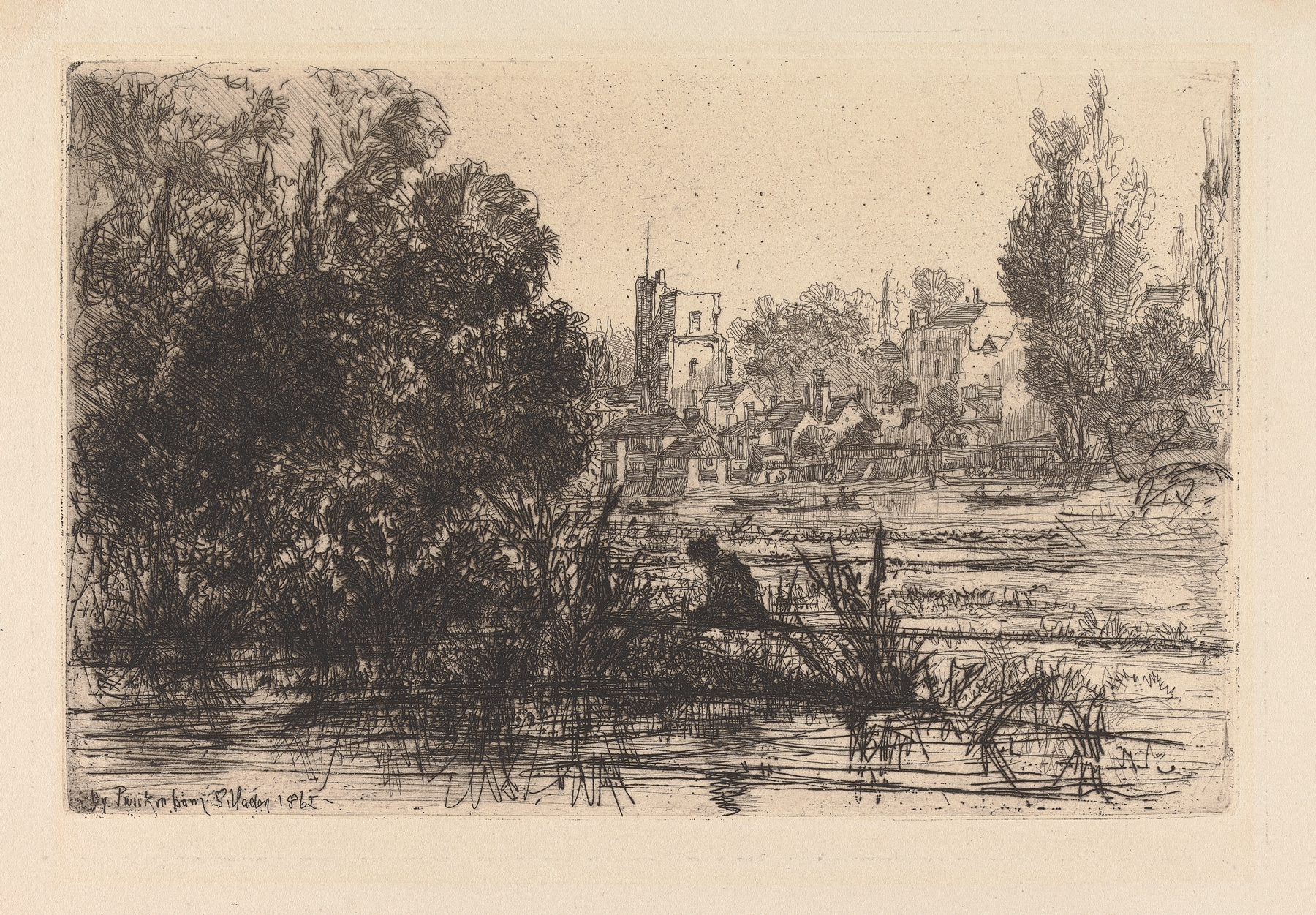
Can beauty exist without sorrow? In Nine Barrow Down, the haunting contours of the landscape suggest the paradox of awakening, a moment where the sublime meets the melancholic. Look to the foreground, where the rolling hills unfurl like waves against the horizon, painted with a delicate touch that breathes life into the earth. The muted greens and browns blend seamlessly, inviting the viewer to traverse through the undulating terrain.
Notice how the light bathes the scene, casting gentle shadows that enhance the intricate textures of the grass and soil, guiding your gaze deeper into this ethereal expanse. As your eyes wander, subtle details emerge—the lone figure atop the barrow, seemingly lost in thought, embodies the tension of solitude amidst the vastness of nature. Every stroke reveals an interplay between presence and absence, suggesting that in the very act of awakening to beauty, one must also confront the weight of isolation. The soft, diffuse light cloaks the landscape, hinting at an ephemeral moment where joy and sorrow coexist harmoniously, evoking a bittersweet reflection on existence.
In 1877, while creating this work, Haden was immersed in the burgeoning movement of etching within the British art scene, drawing inspiration from the serene English countryside. This period marked a transition in his artistic career, as he moved towards capturing the nuances of light and atmosphere, influenced by both Impressionism and the aestheticism of the era. The social and cultural currents of his time shaped his vision, resulting in this evocative portrayal of nature's beauty intertwined with the human experience.