Whistler’s House at Old Chelsea — History & Analysis
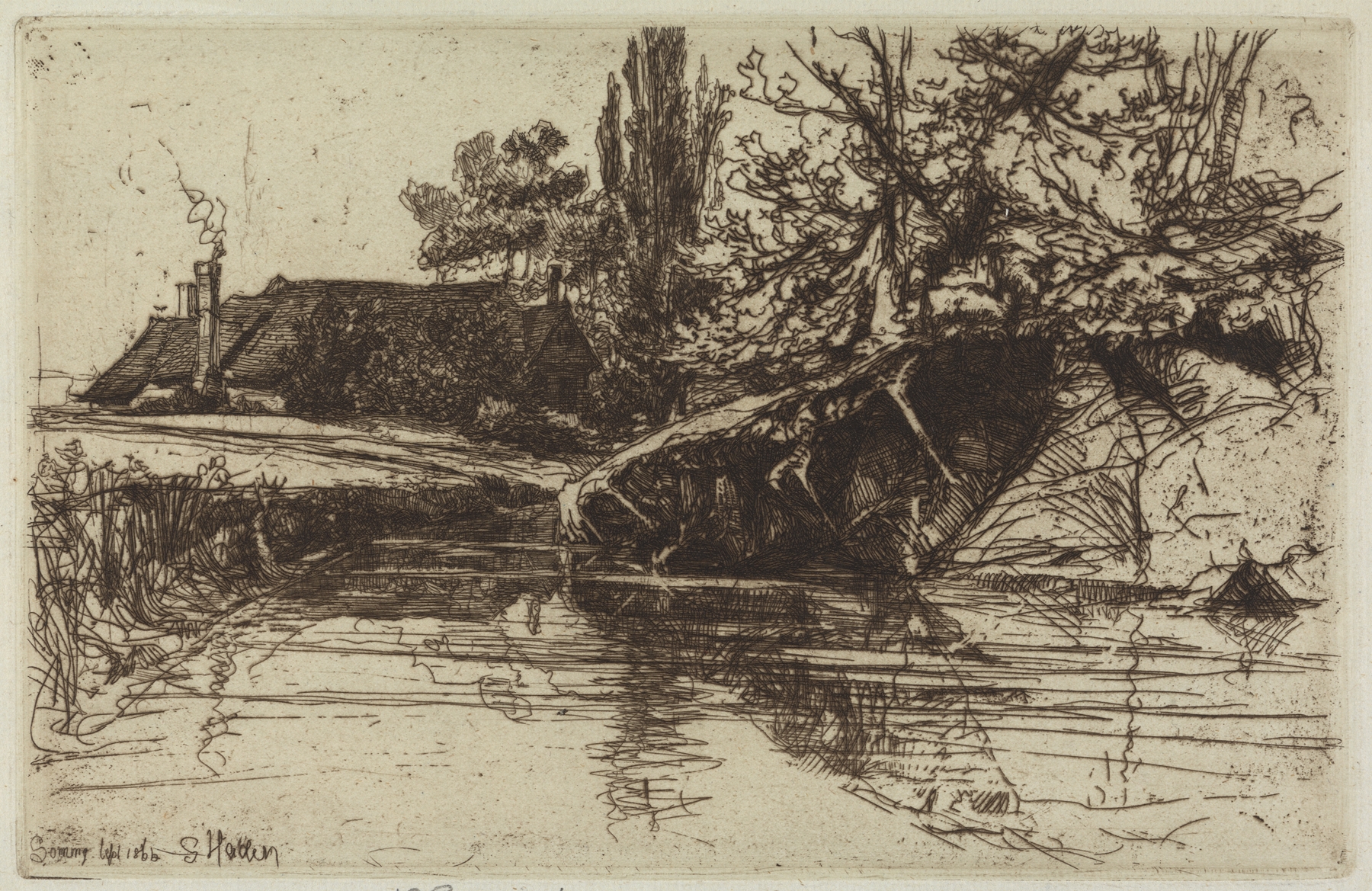
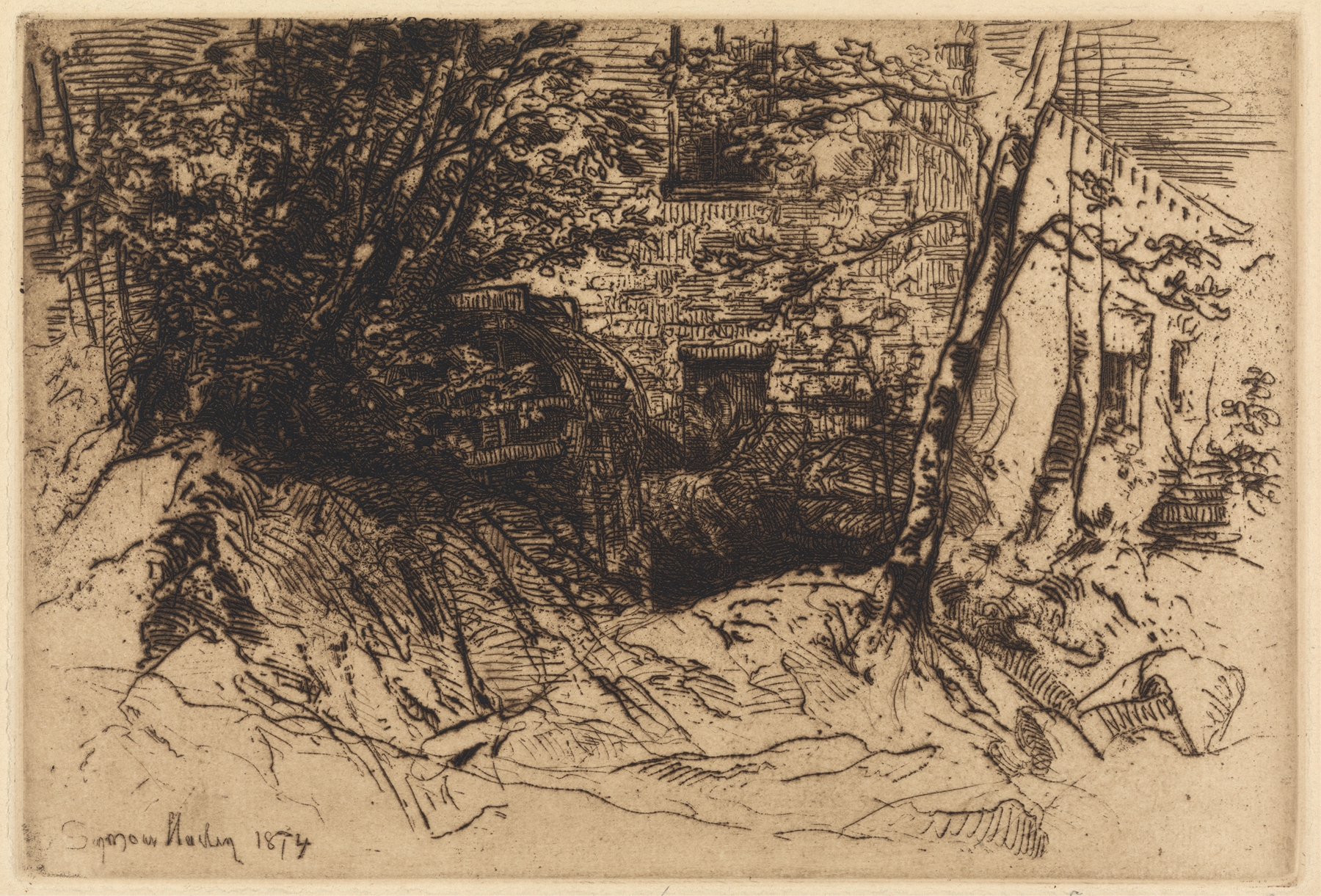
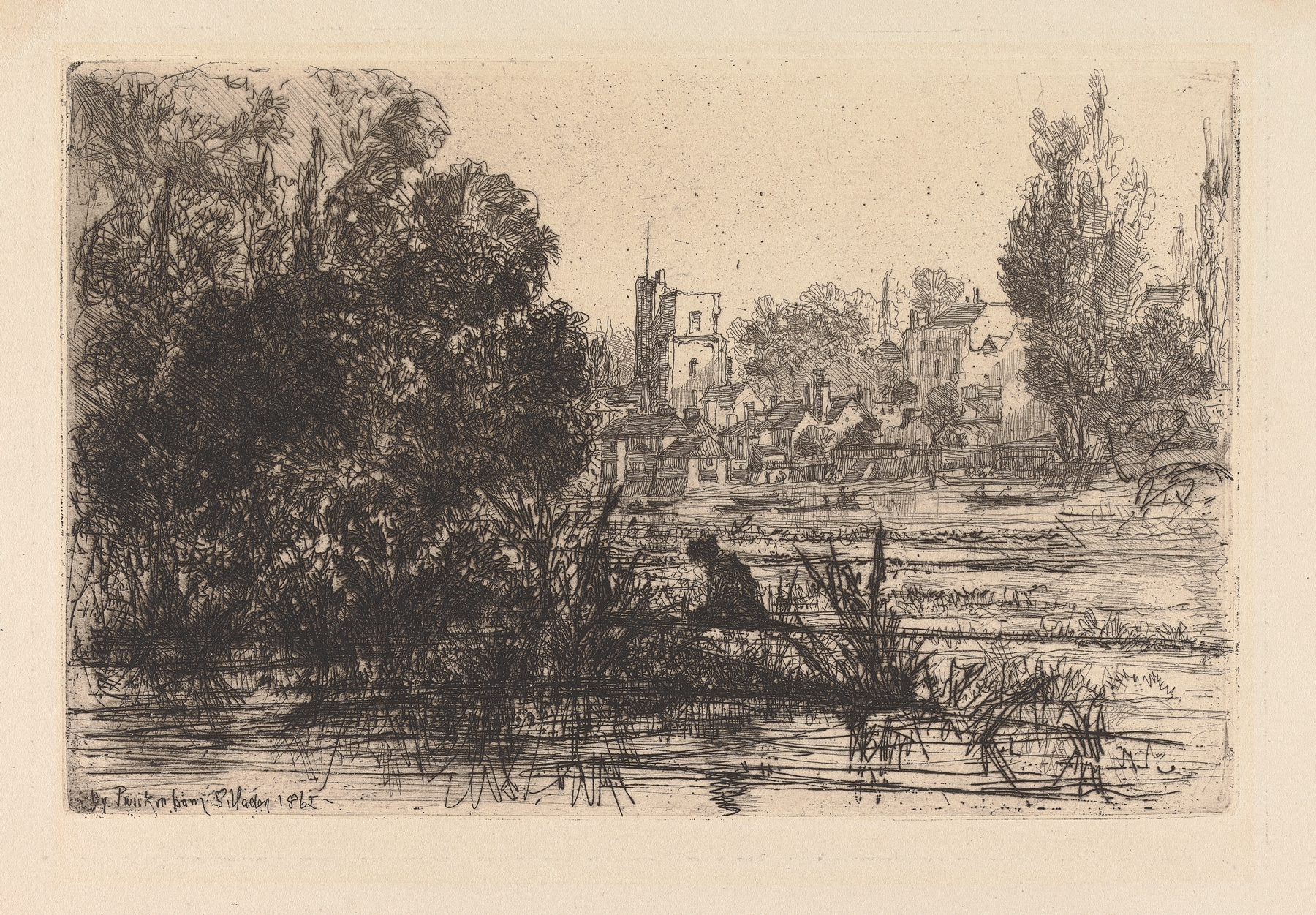
“Between color and silence, truth hides.” In this stillness, the essence of a moment lingers, inviting contemplation and connection. Look to the left at the delicate interplay of light and shadow, where soft tones of gray and subtle earth hues merge against the architectural lines of the house. Notice how the brushstrokes blend seamlessly, creating a tranquil atmosphere that mirrors the quietude of the scene. The composition draws the eye inward, inviting you to explore the harmonious relationship between the structure and its surrounding environment.
As you pause, consider the contrasting emotions embodied within the work: the stability of the home juxtaposed with the ephemeral quality of nature. The almost whisper-like quality of the colors evokes a sense of nostalgia, hinting at the stories woven into its walls. Each detail, from the gentle lapping of water to the hints of foliage, encapsulates a moment frozen in time, suggesting both comfort and a yearning for understanding.
In 1863, Haden was immersed in the world of printmaking and etching in London, seeking new ways to express his artistic vision. This piece reflects his deep connection to Whistler, who was a close friend and collaborator. The art scene of the time was buzzing with innovation, and Haden's exploration of light and form contributed profoundly to the evolving narrative of impressionism.