The Island Opposite Boyle’s Farm — History & Analysis
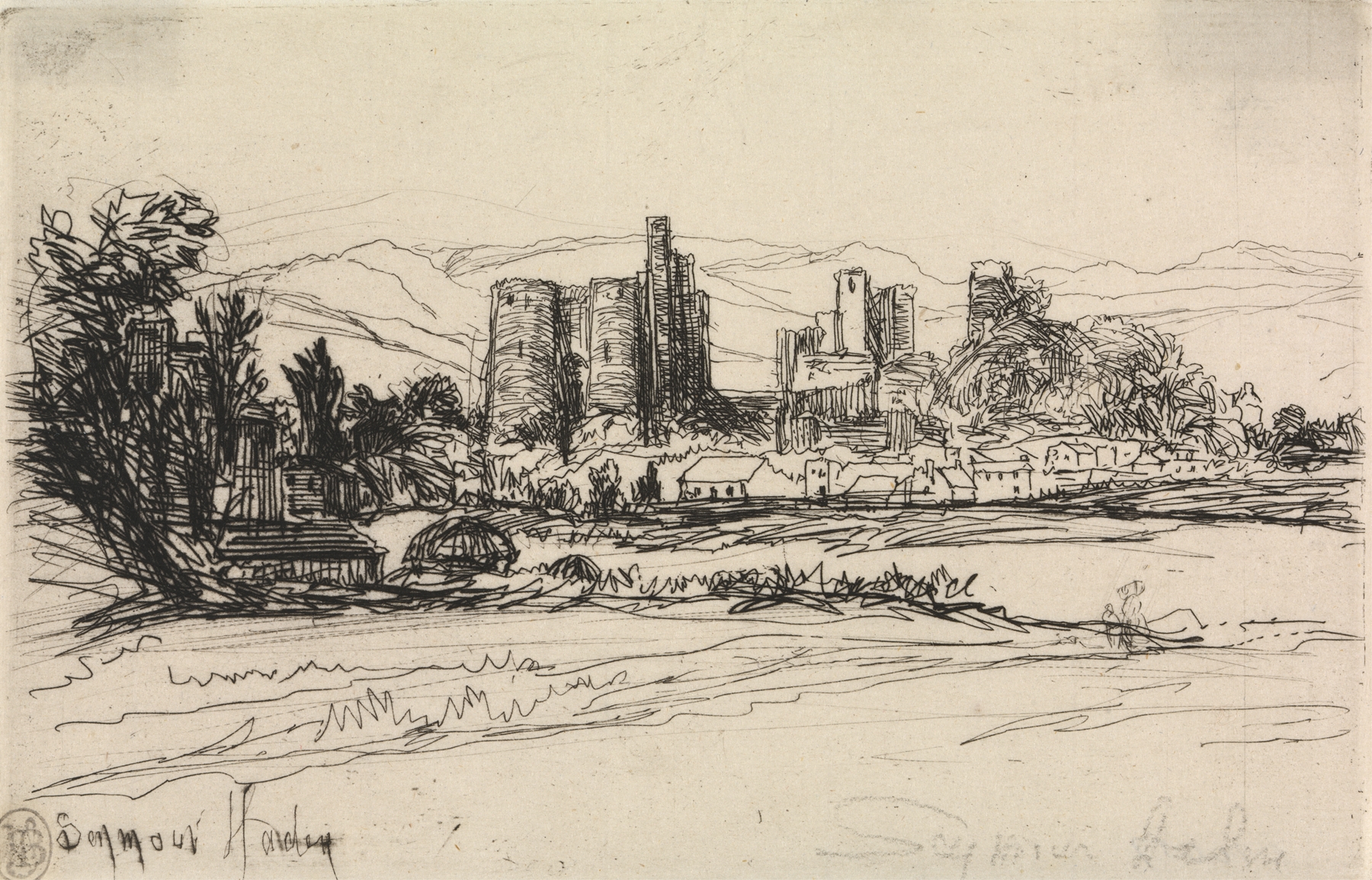
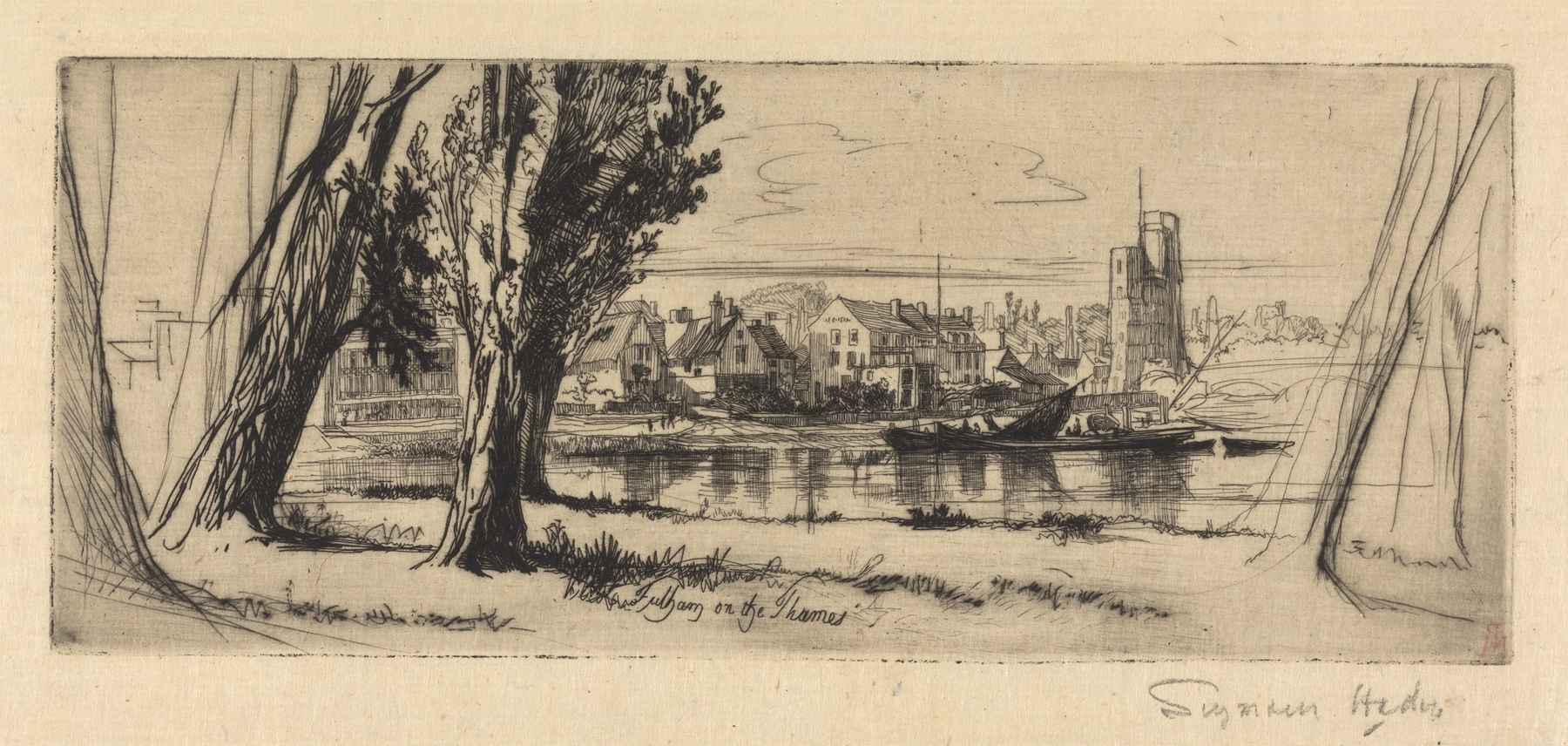
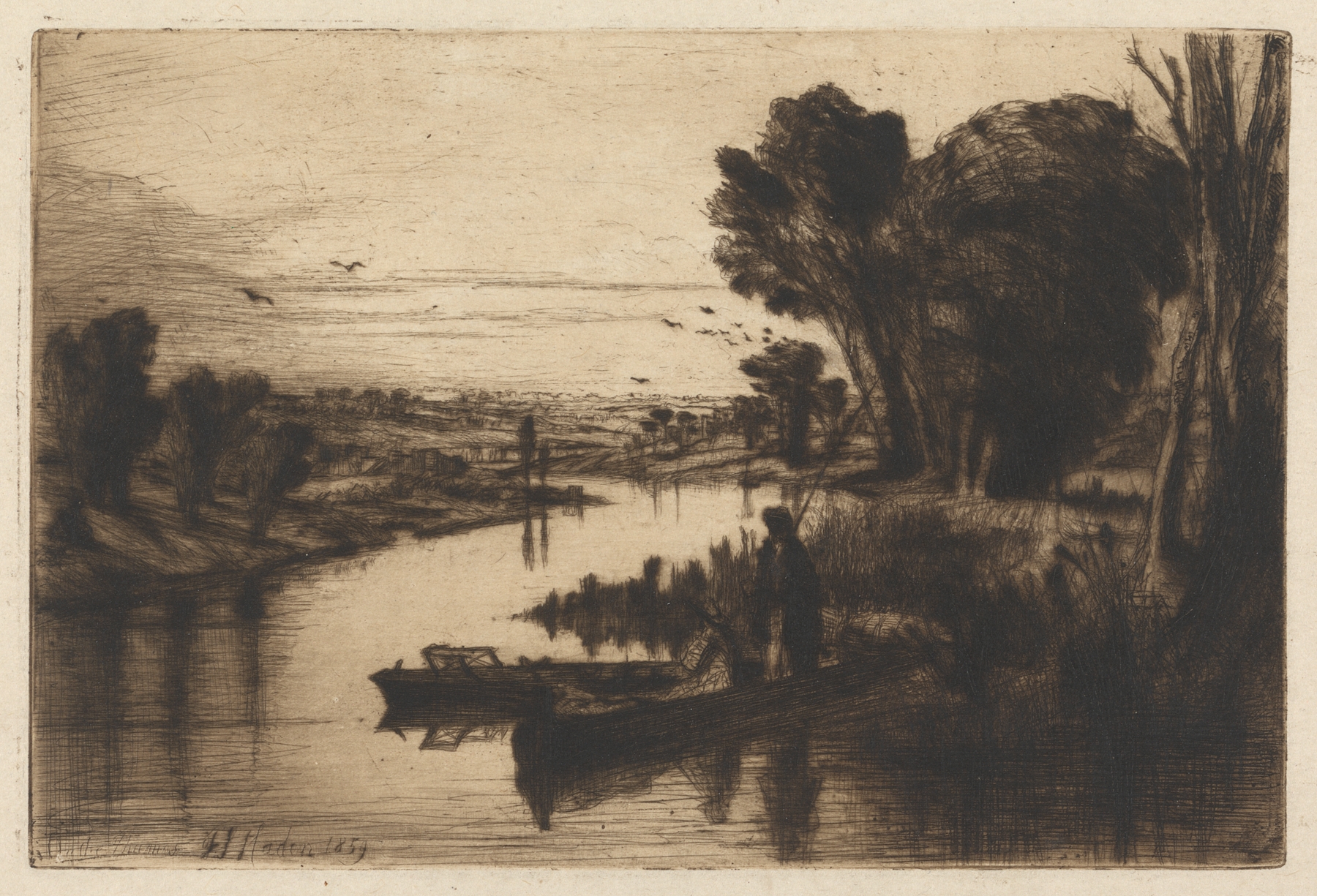
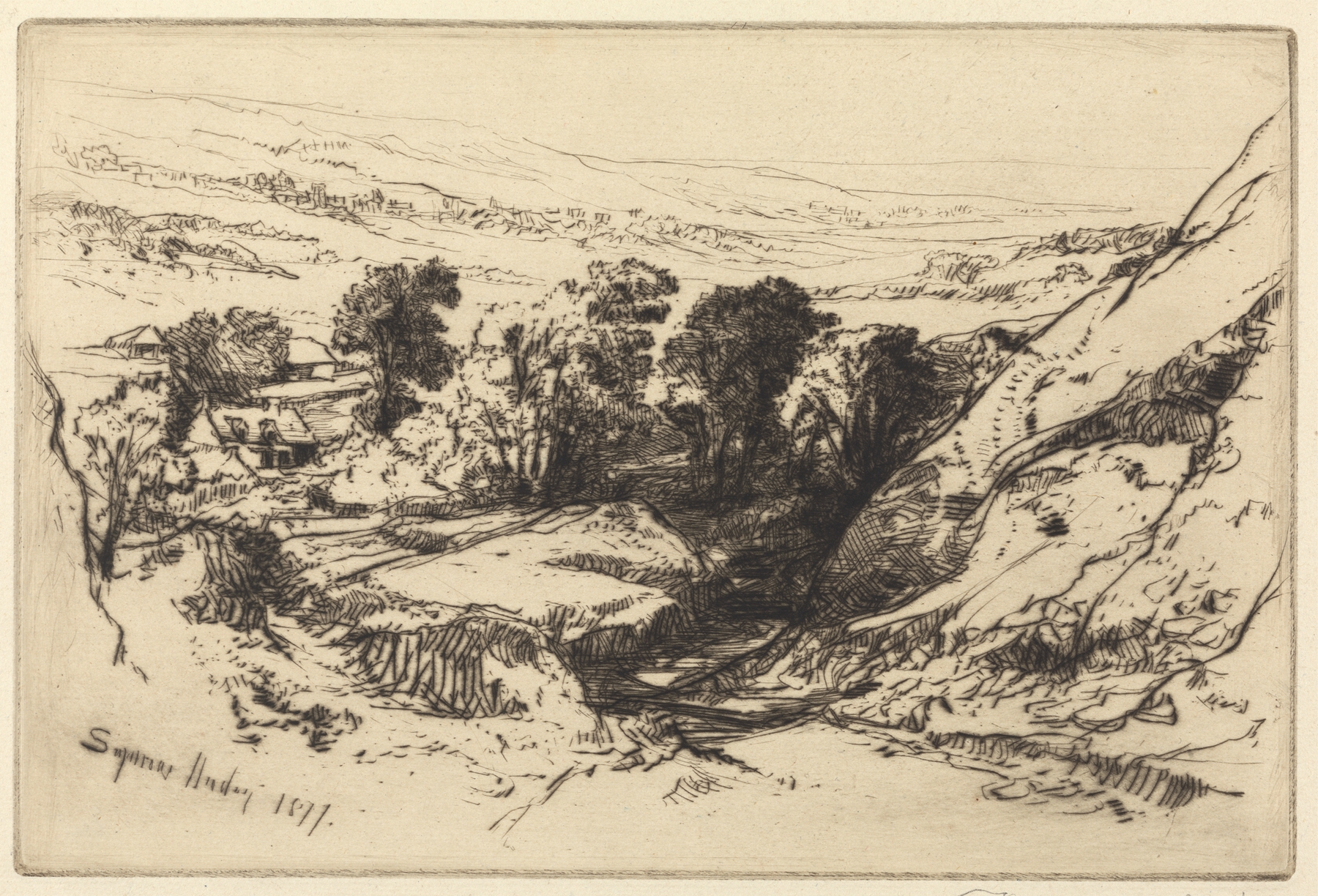
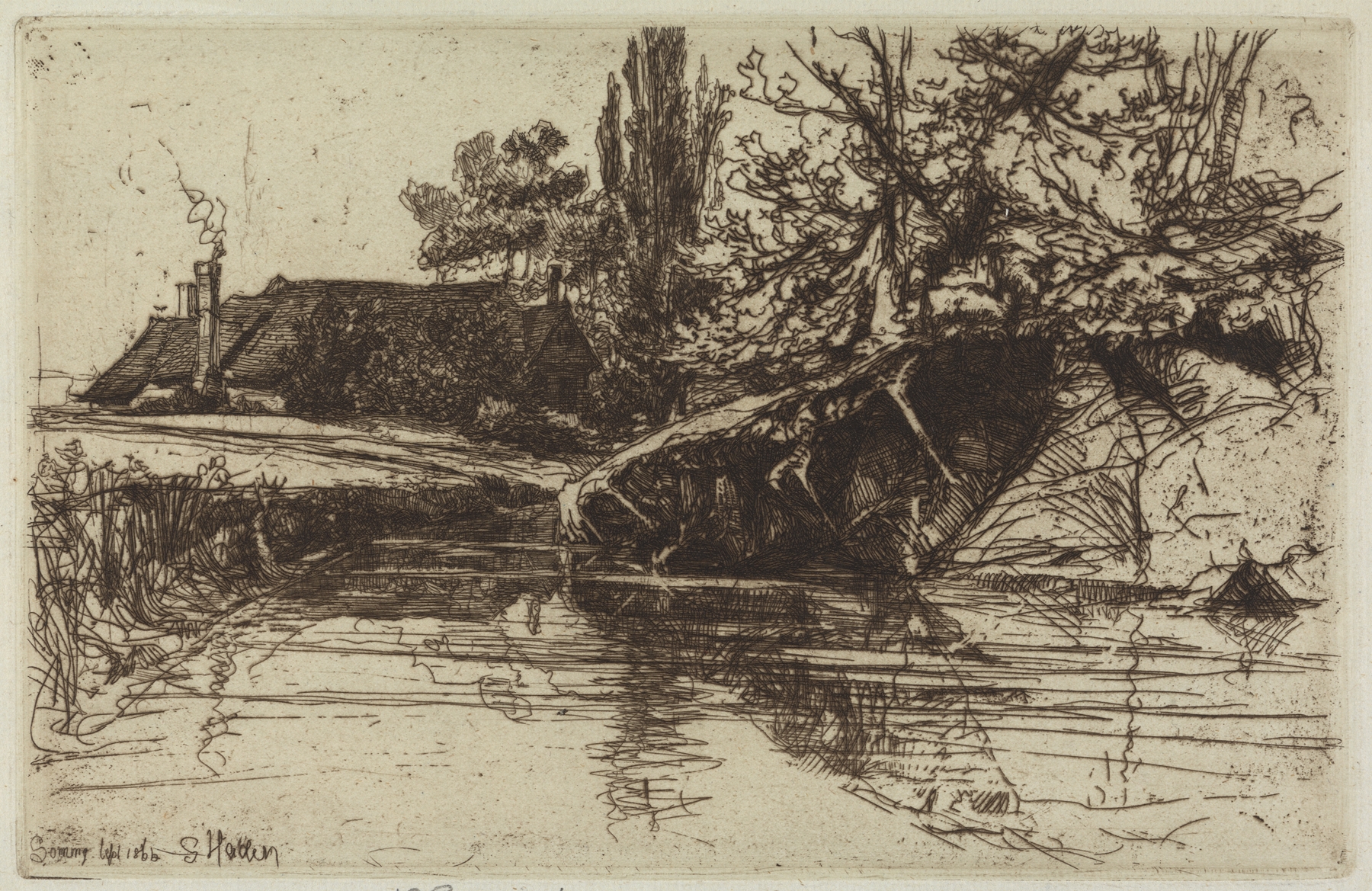
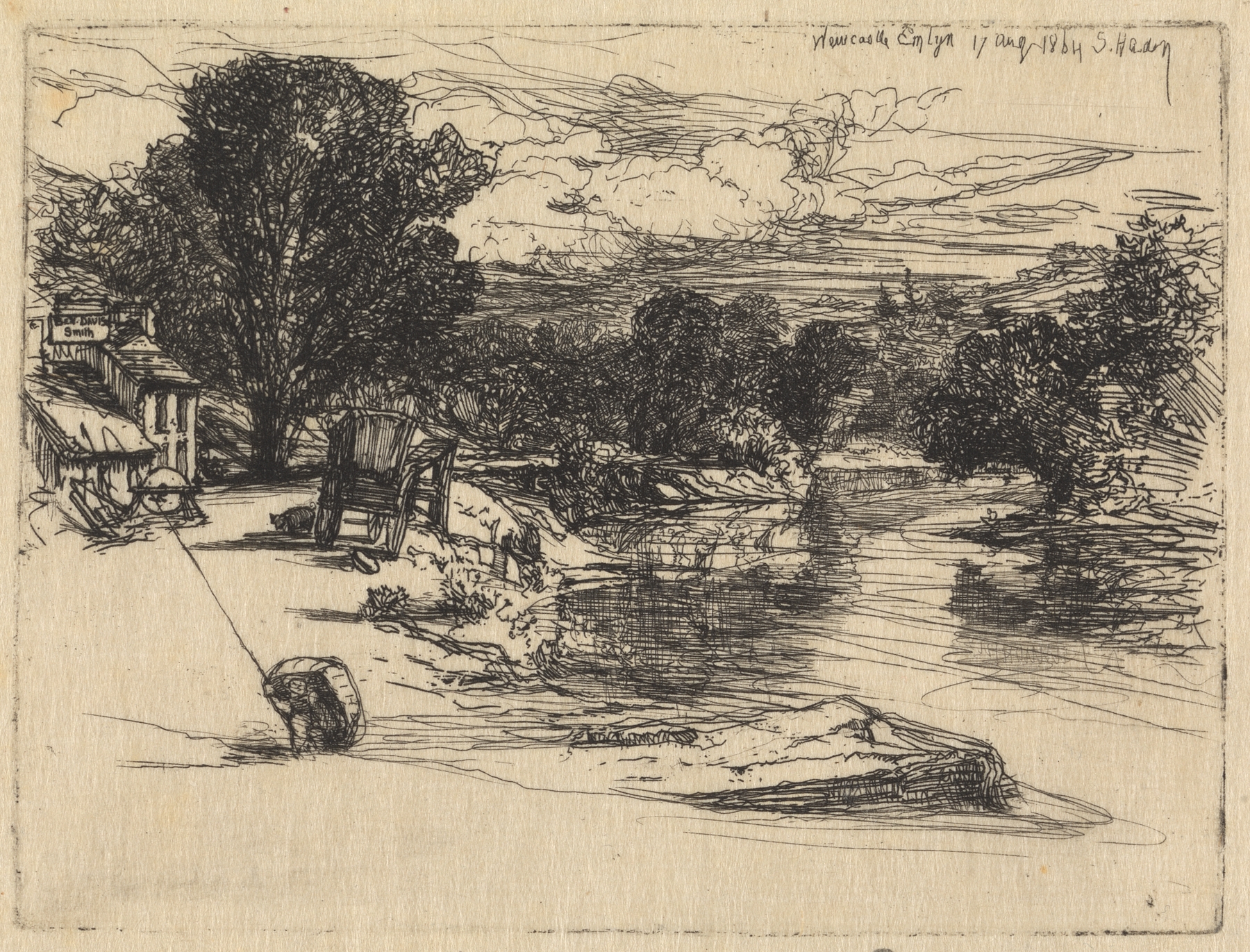
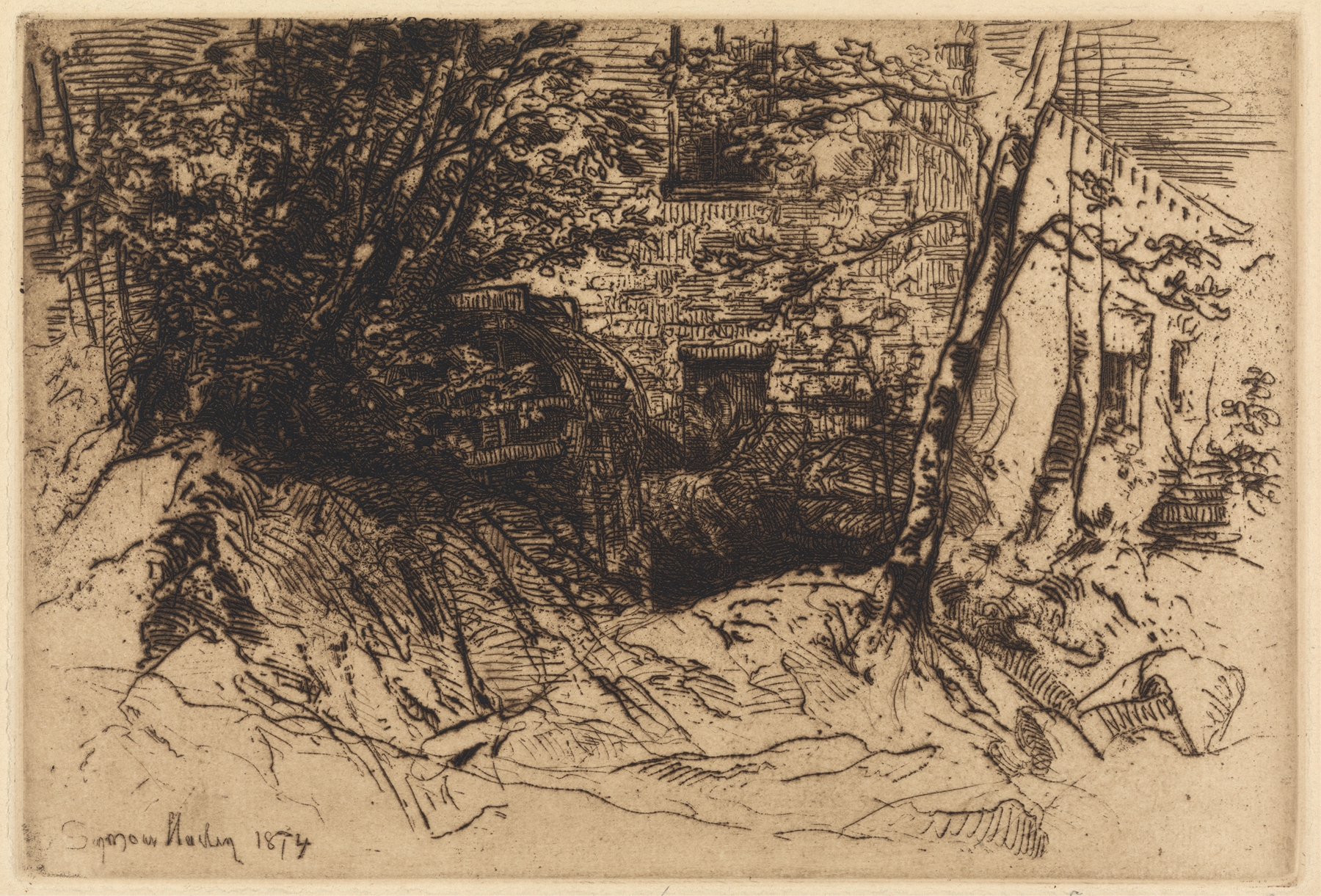
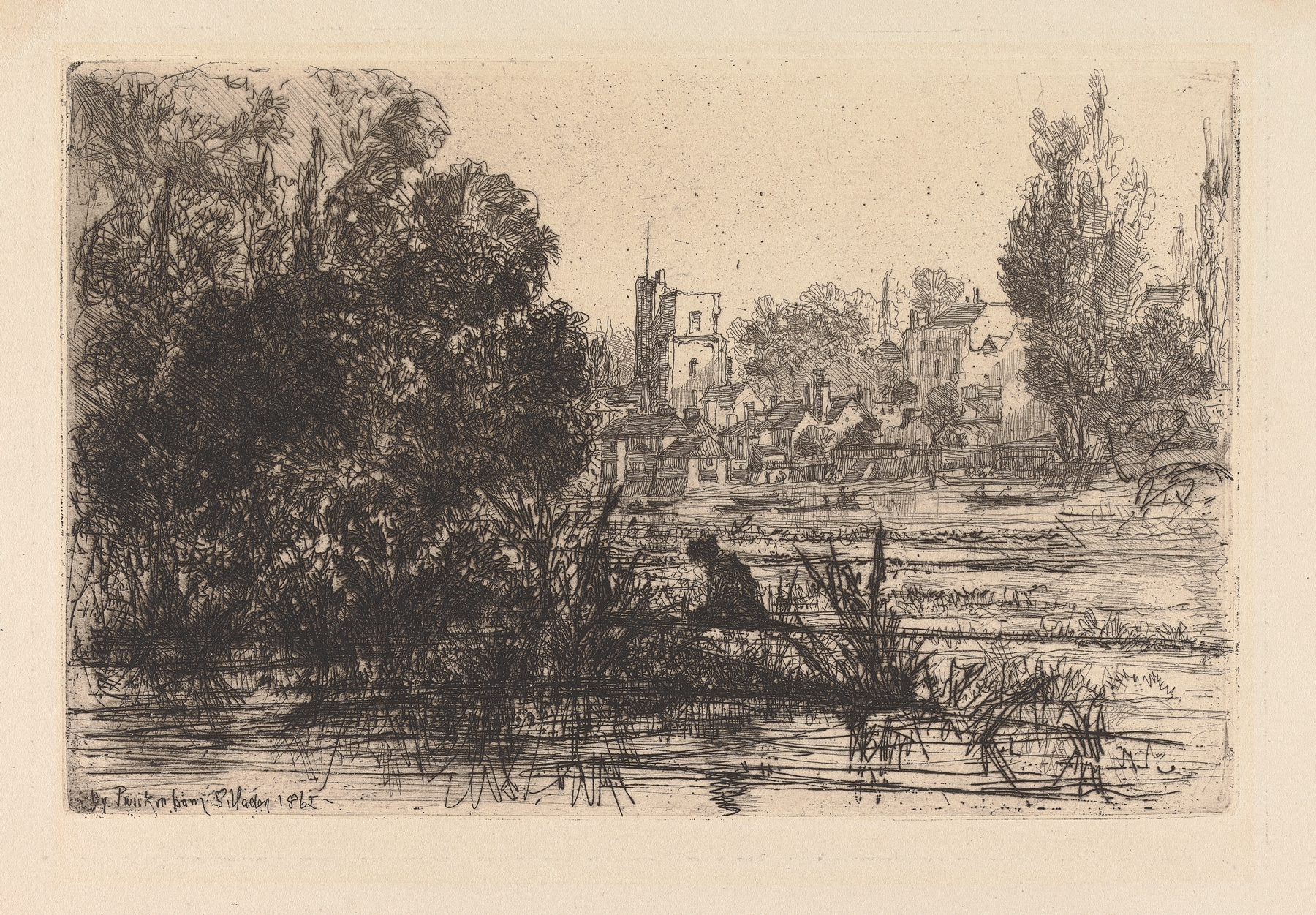
“Every brushstroke is a heartbeat remembered.” In the quiet embrace of art, we find moments that seem to transcend time, casting a spell that pulls us into their depths. Focus on the tranquil waters of the river, where shades of blue and green blend seamlessly, inviting the viewer to linger. The gentle strokes create ripples that shimmer under a hazy sun, a testament to the artist’s delicate handling of light and texture. Notice how the lush foliage frames the composition, drawing your eyes toward the island at the center, as if it holds secrets waiting to be revealed.
The use of soft, muted colors imbues the scene with a sense of serenity, where every detail seems to breathe life into the landscape. Beneath its serene surface, the painting resonates with deeper meanings of isolation and connection. The island, seemingly cut off from the world, evokes a sense of longing, while the vibrant vegetation symbolizes the life that persists even in seclusion. Haden masterfully contrasts the stillness of the water with the dynamic brushwork of the trees, implying a dance of nature that whispers of unity in diversity.
It’s a reminder that life thrives in even the most remote corners, suggesting that transcendence can be found amidst solitude. In 1869, Francis Seymour Haden painted this piece while immersed in the English landscape tradition. At this time, he was gaining recognition as both an etcher and painter, contributing to the burgeoning Impressionist movement. The world of art was evolving, and Haden’s focus on capturing the nuances of light and atmosphere reflected a growing desire among artists to break free from rigid conventions and embrace the beauty of the natural world.