Battersea Reach — History & Analysis
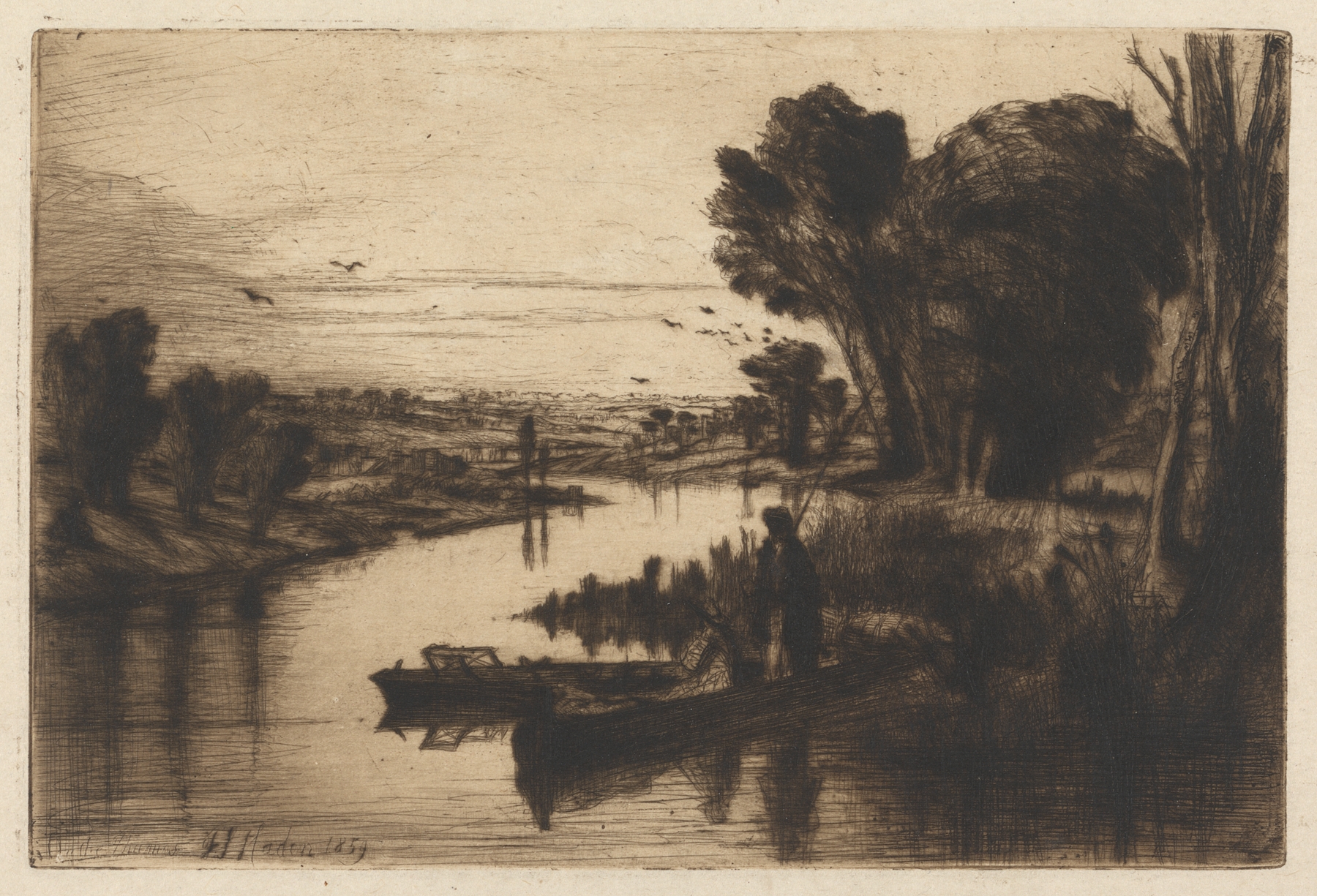
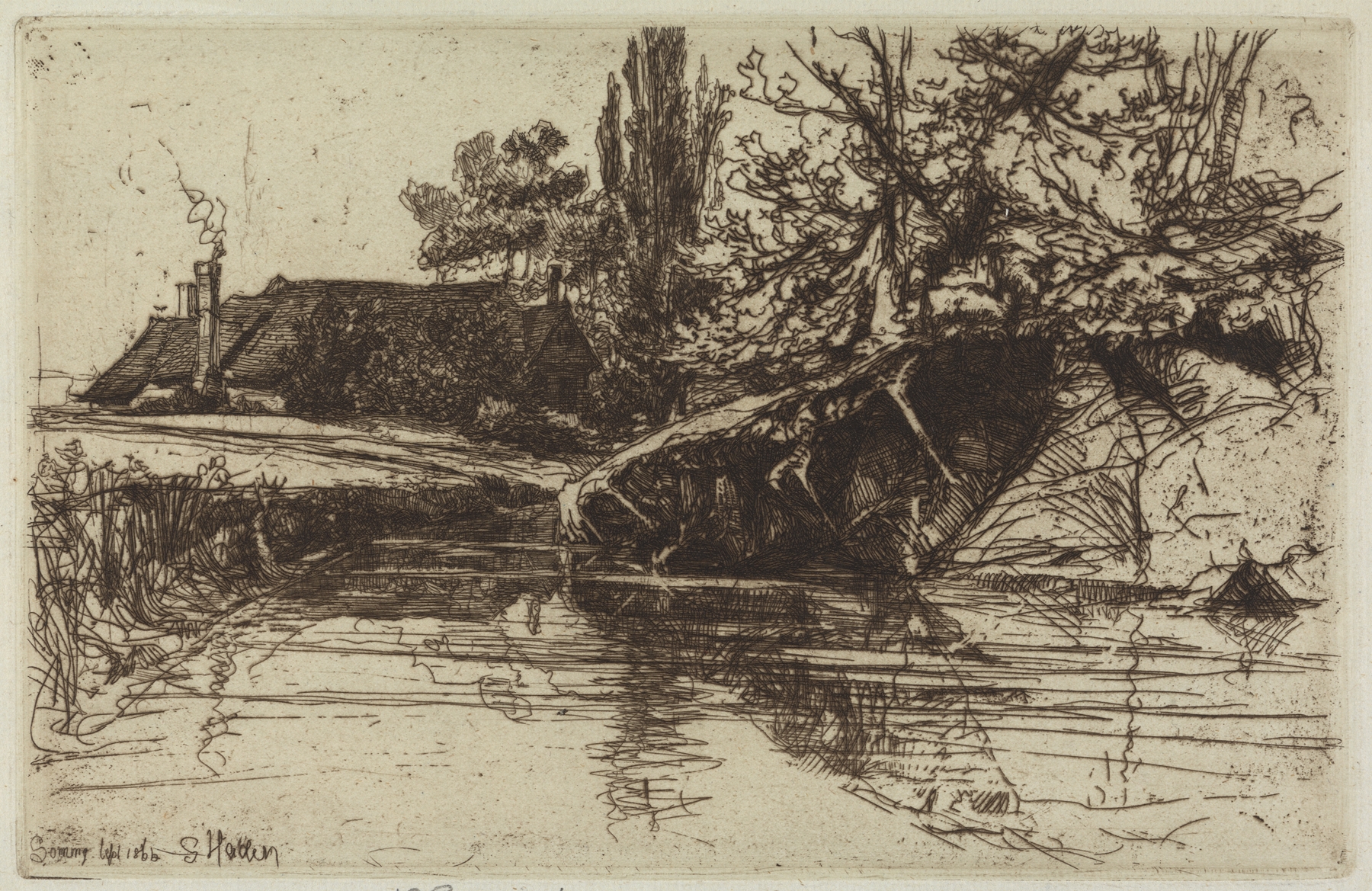
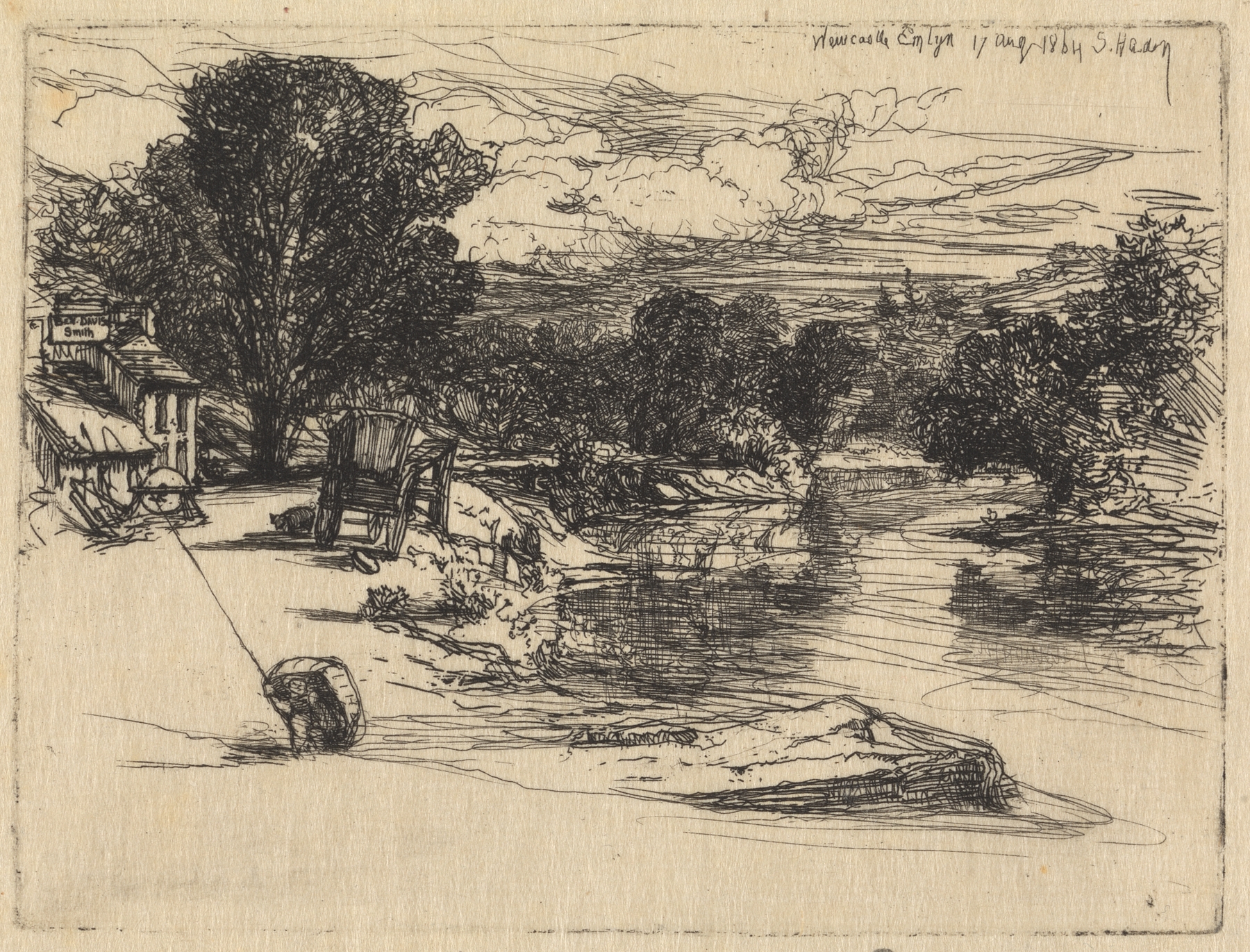
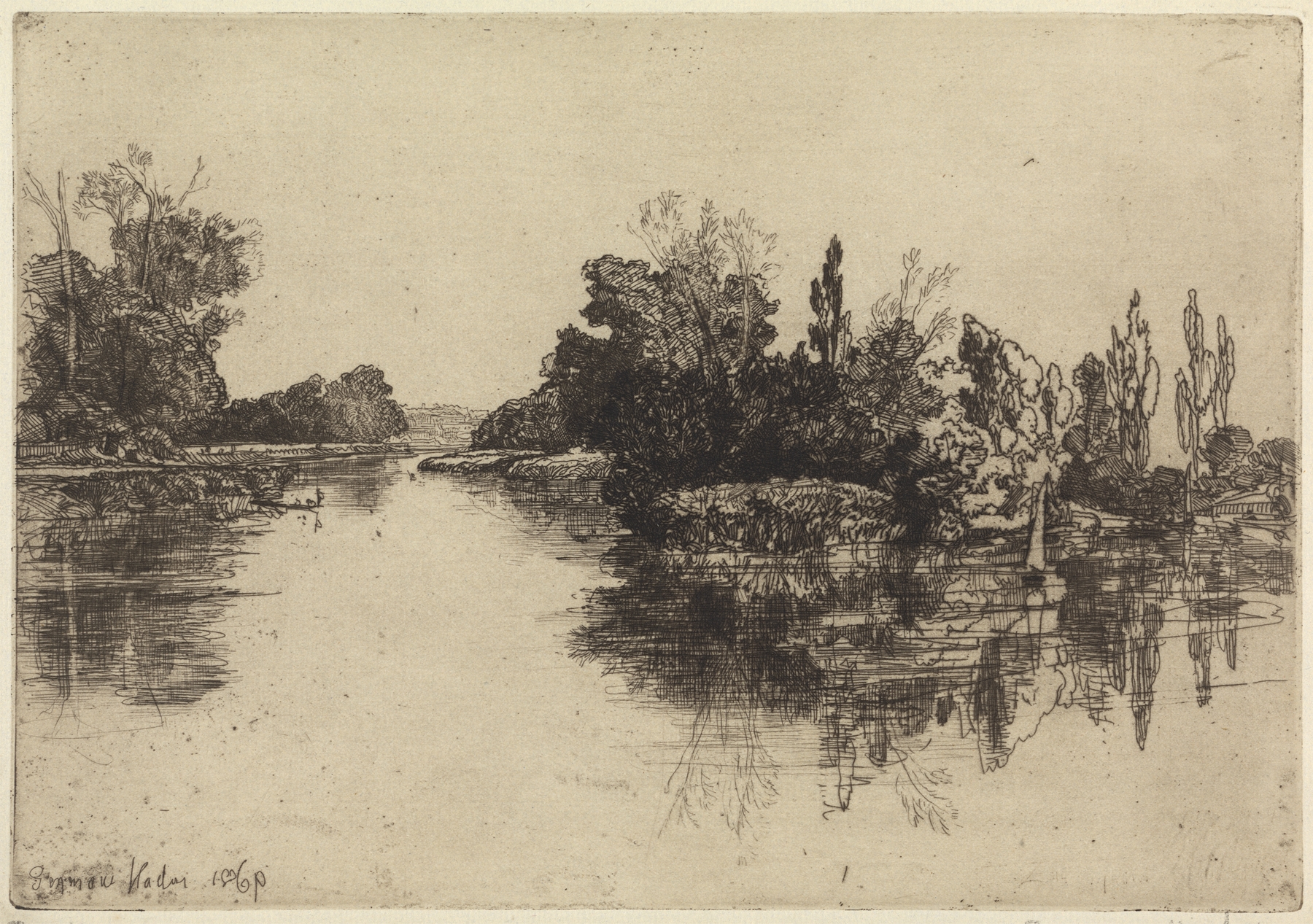
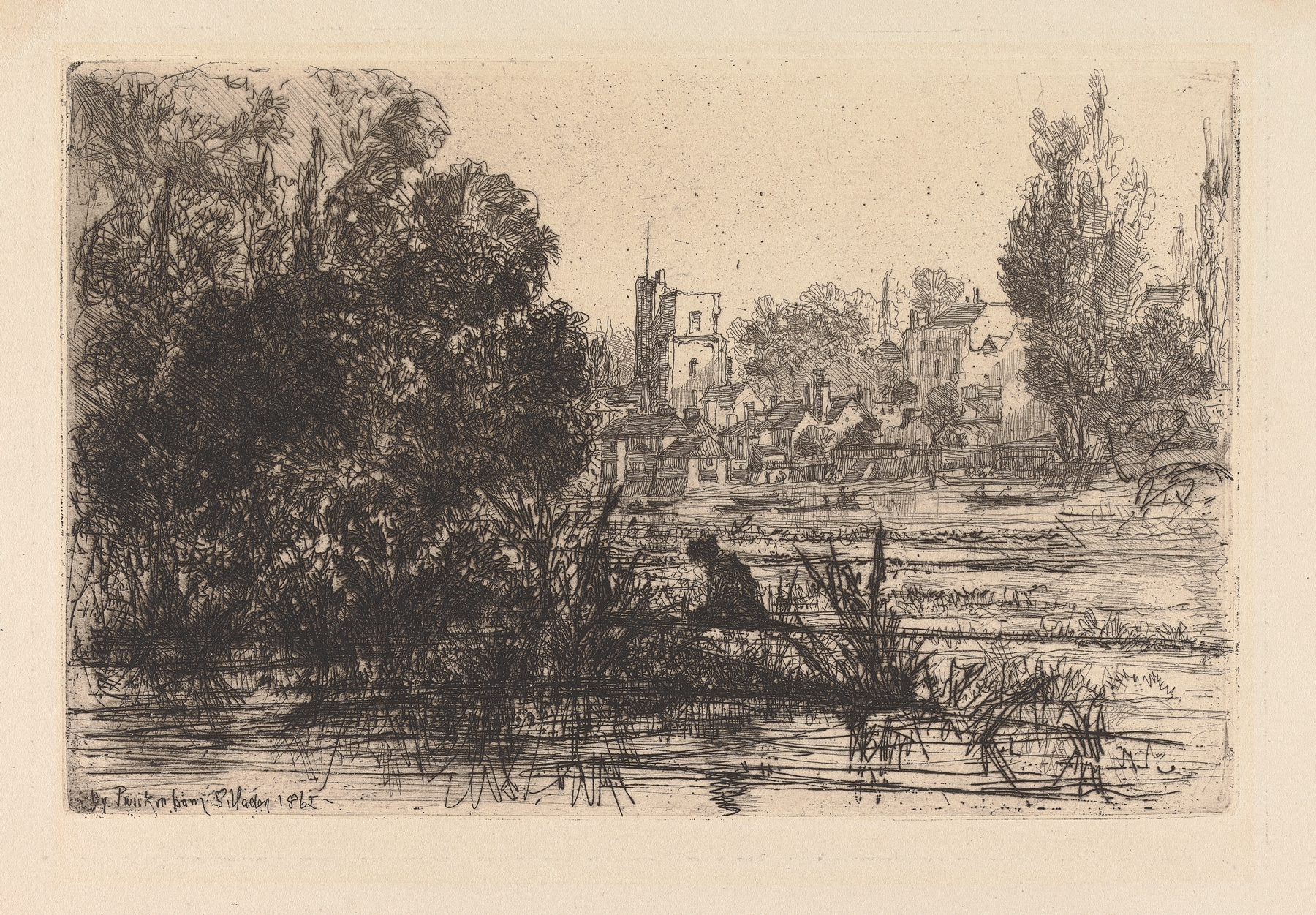
“Art reveals the soul when the world turns away.” In a single moment captured on canvas, the essence of awe emerges from the natural world, whispering secrets of beauty and tranquility. Focus on the serene expanse of the river that flows through the center of the composition, where the gentle ripples reflect the soft hues of twilight. To the left, a cluster of trees stands tall, their branches bending slightly in the evening breeze. Notice how the delicate application of color gives life to the landscape—warm oranges and deep blues intermingle, creating a vibrant yet calming atmosphere.
Each stroke invites the viewer to lose themselves in the quiet narrative of nature. Hidden within this tranquil scene lies a contrast between the stillness of the water and the dynamic play of light across its surface. The soft, fading sunlight hints at the passage of time, instilling a sense of nostalgia. The viewer might also sense the fleeting nature of beauty as day gives way to night—each reflection in the water, a reminder of moments that are both ephemeral and everlasting.
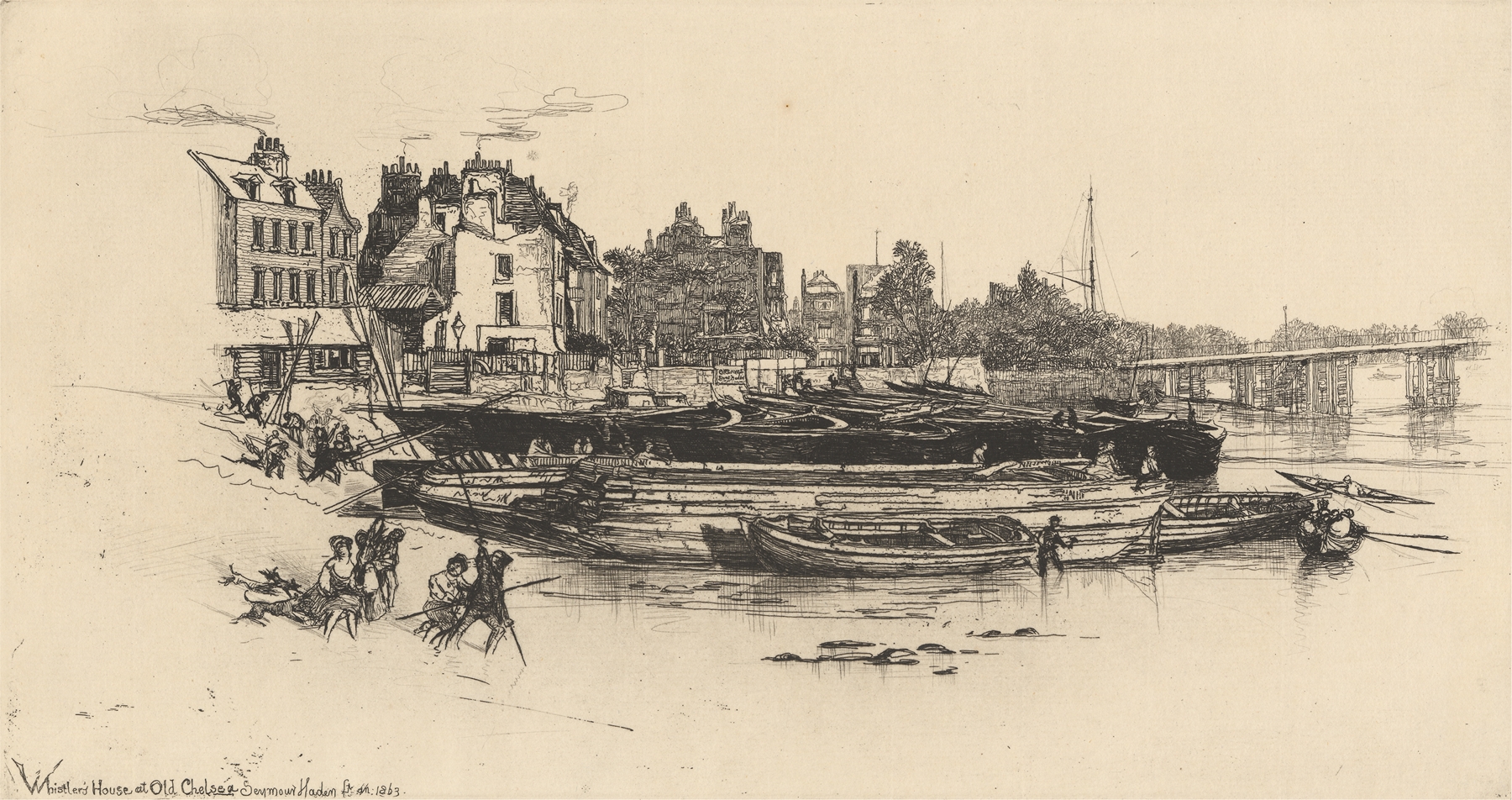
The work resonates with an emotional depth, speaking of both solitude and connection to the earth. In 1863, Haden painted this piece in the midst of his evolving career as a printmaker and painter, capturing the essence of the Thames River near Battersea. At this time, the art world was shifting, with new movements beginning to emerge. The desire to encapsulate the beauty of natural landscapes was burgeoning, and Haden sought to express this, blending technique with heartfelt observation, marking a pivotal moment in his artistic journey.