The Moat House — History & Analysis
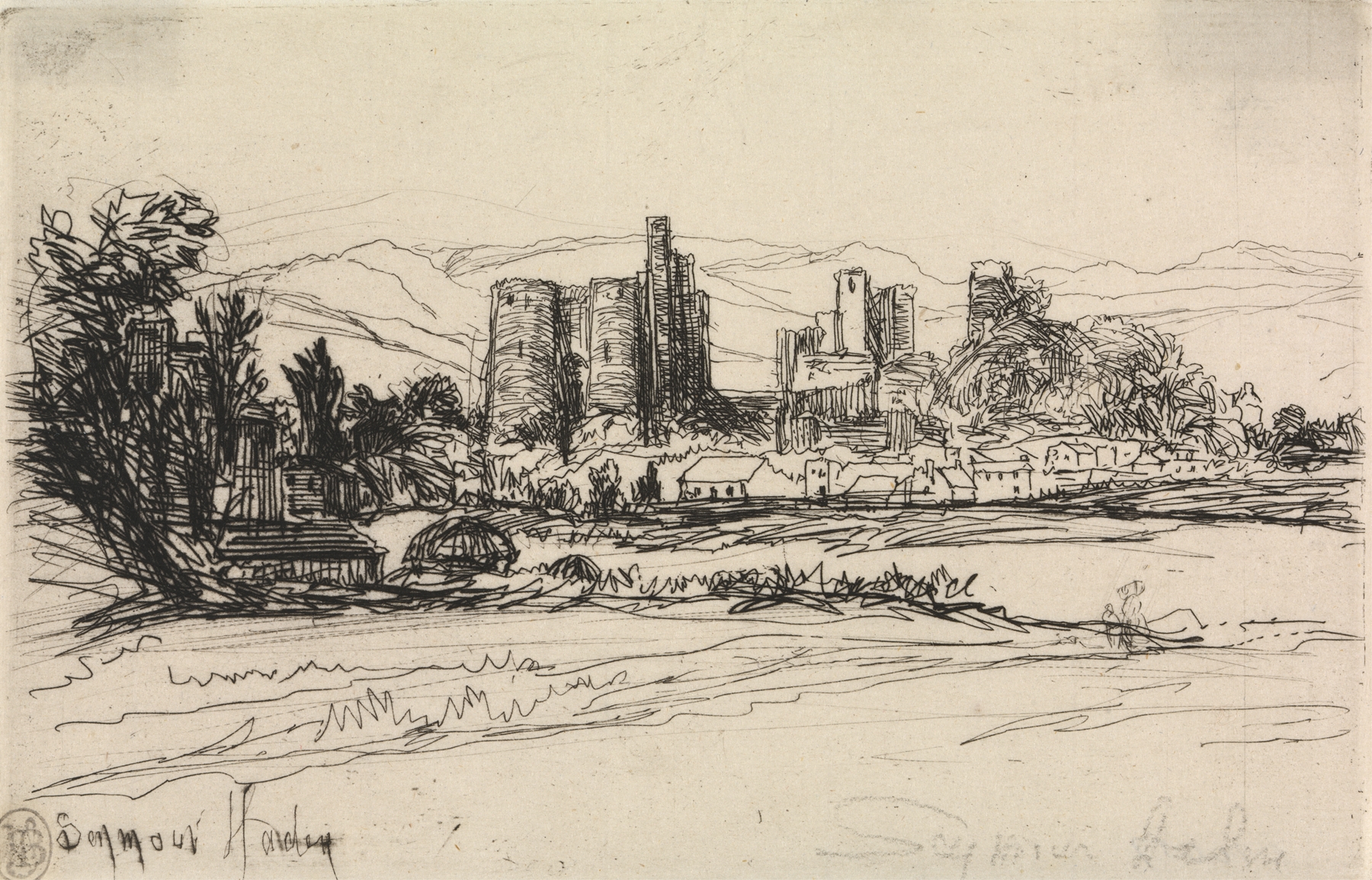
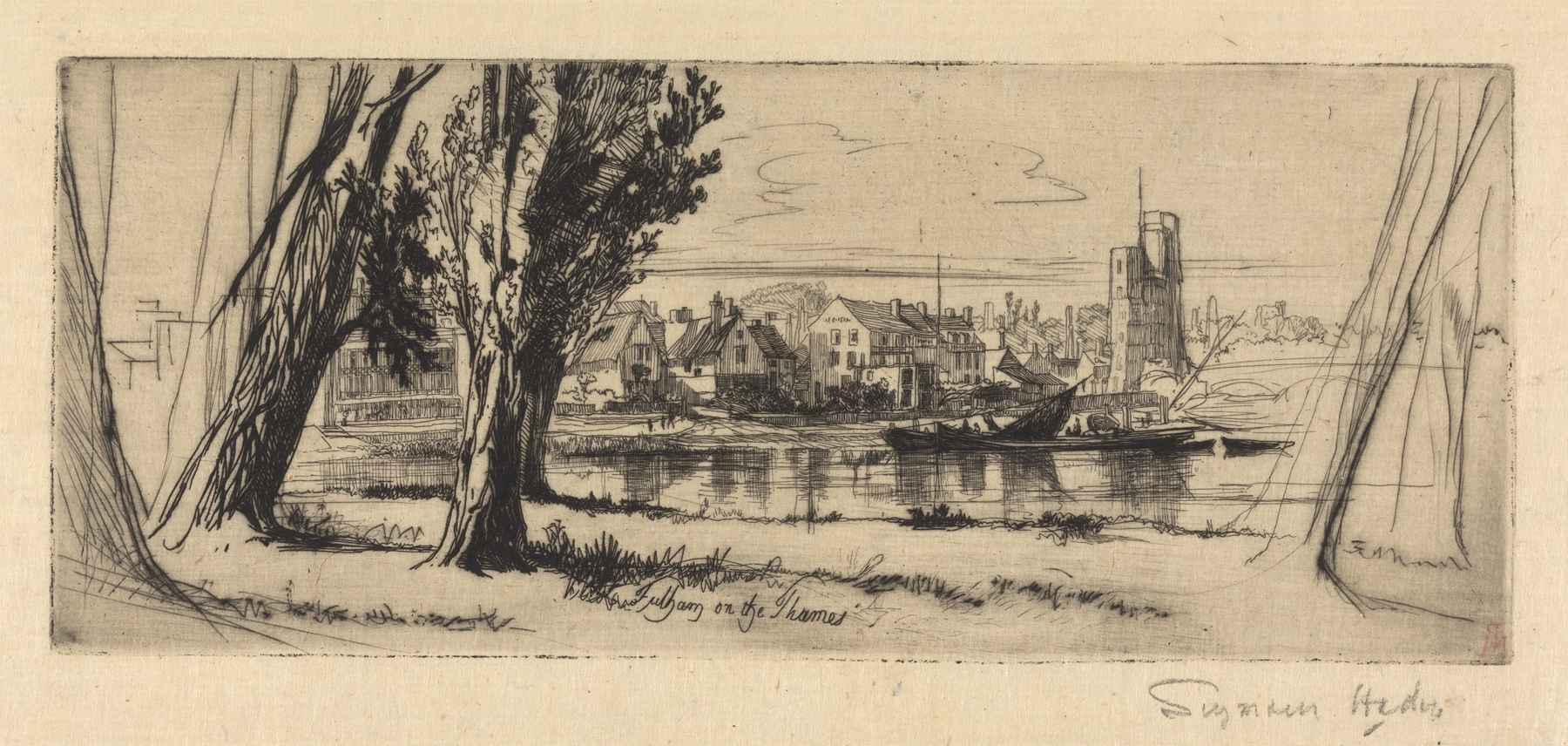
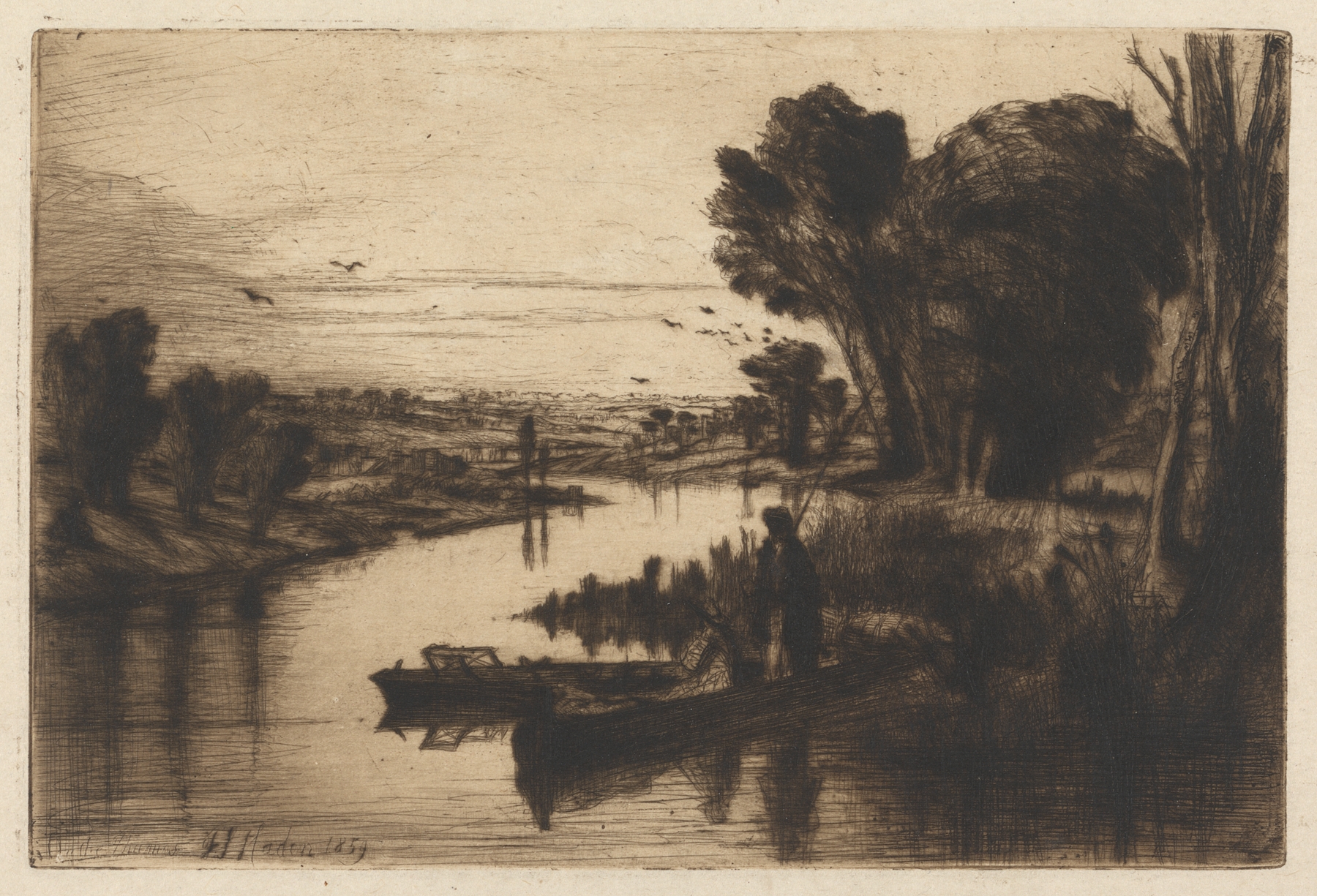
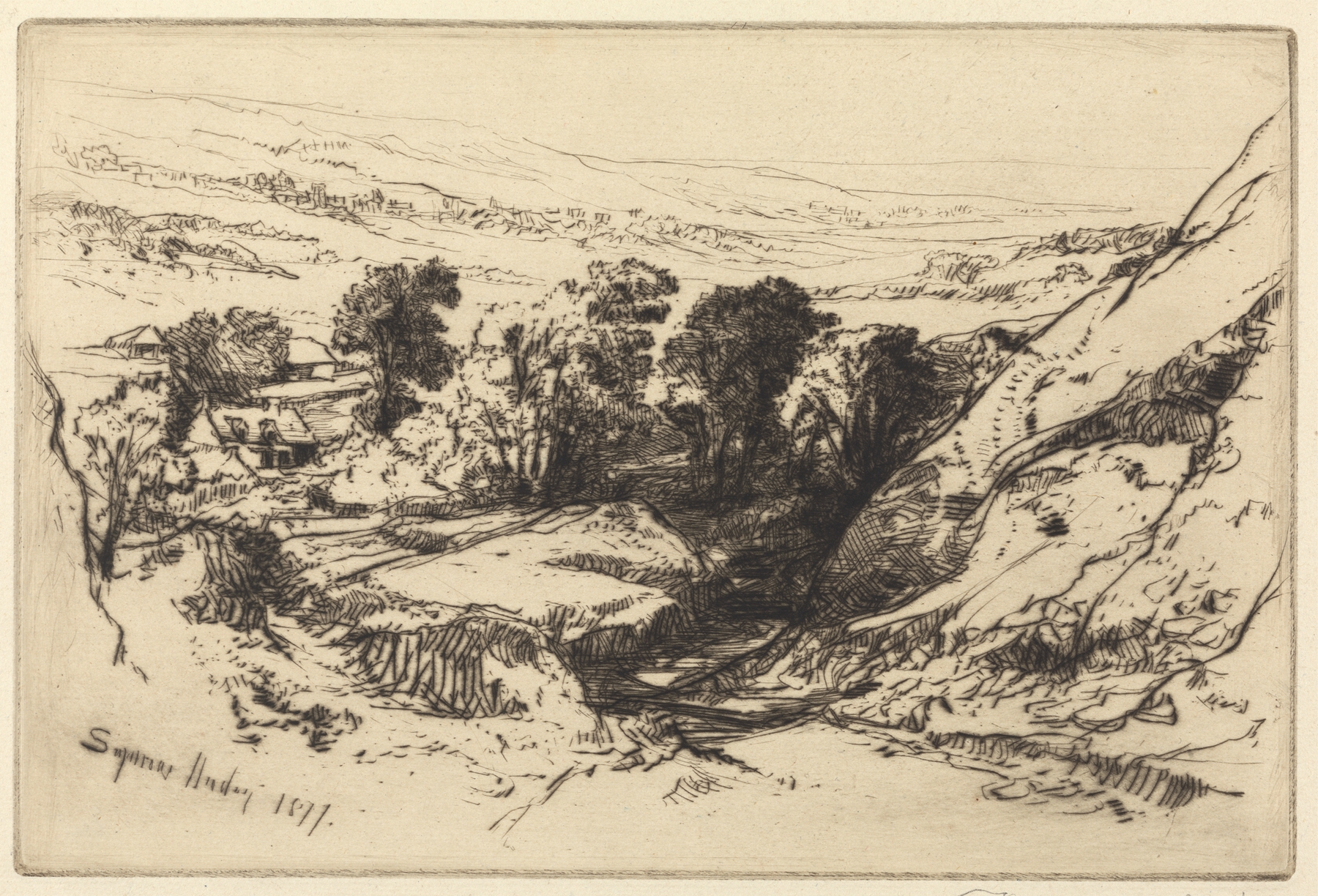
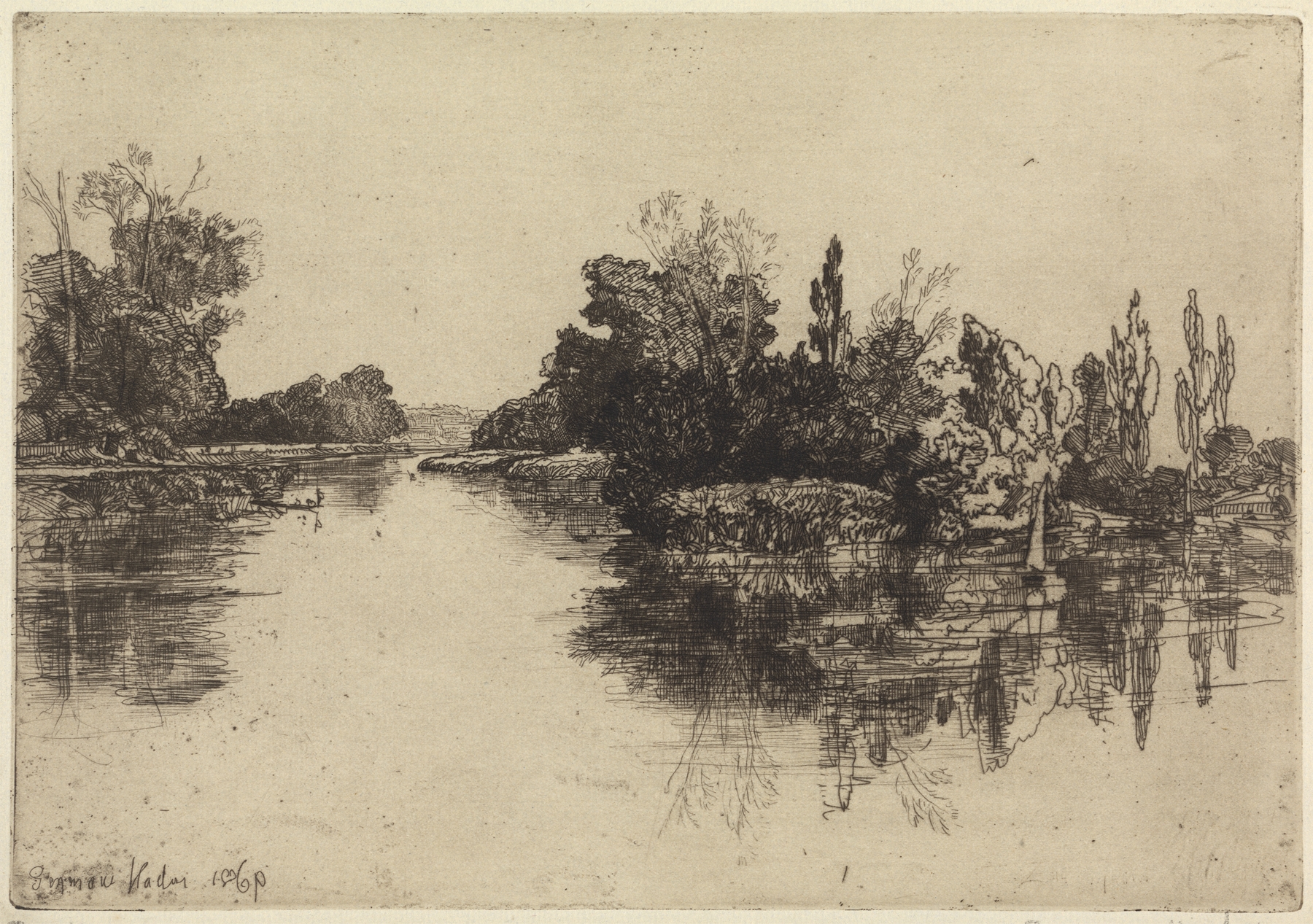
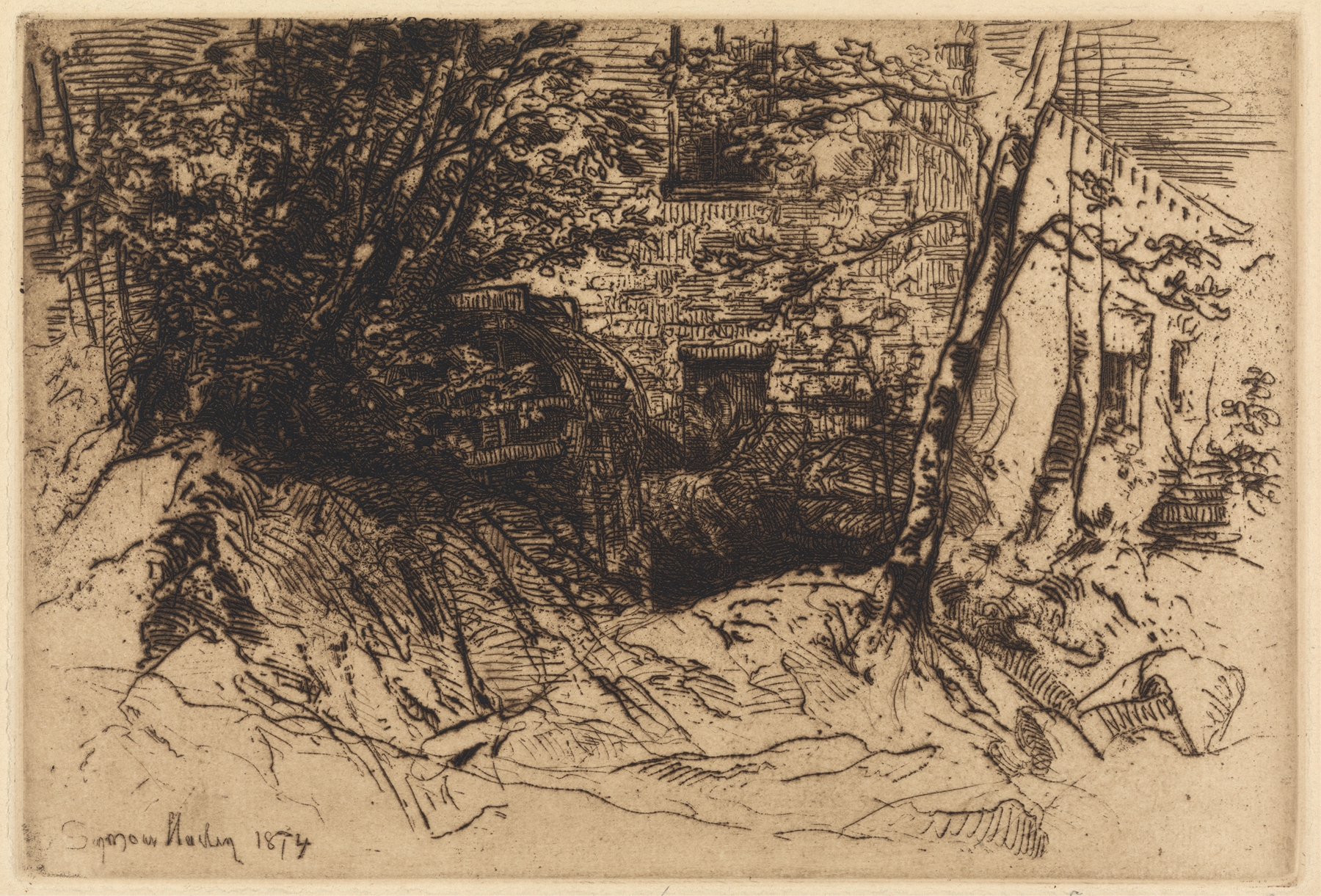
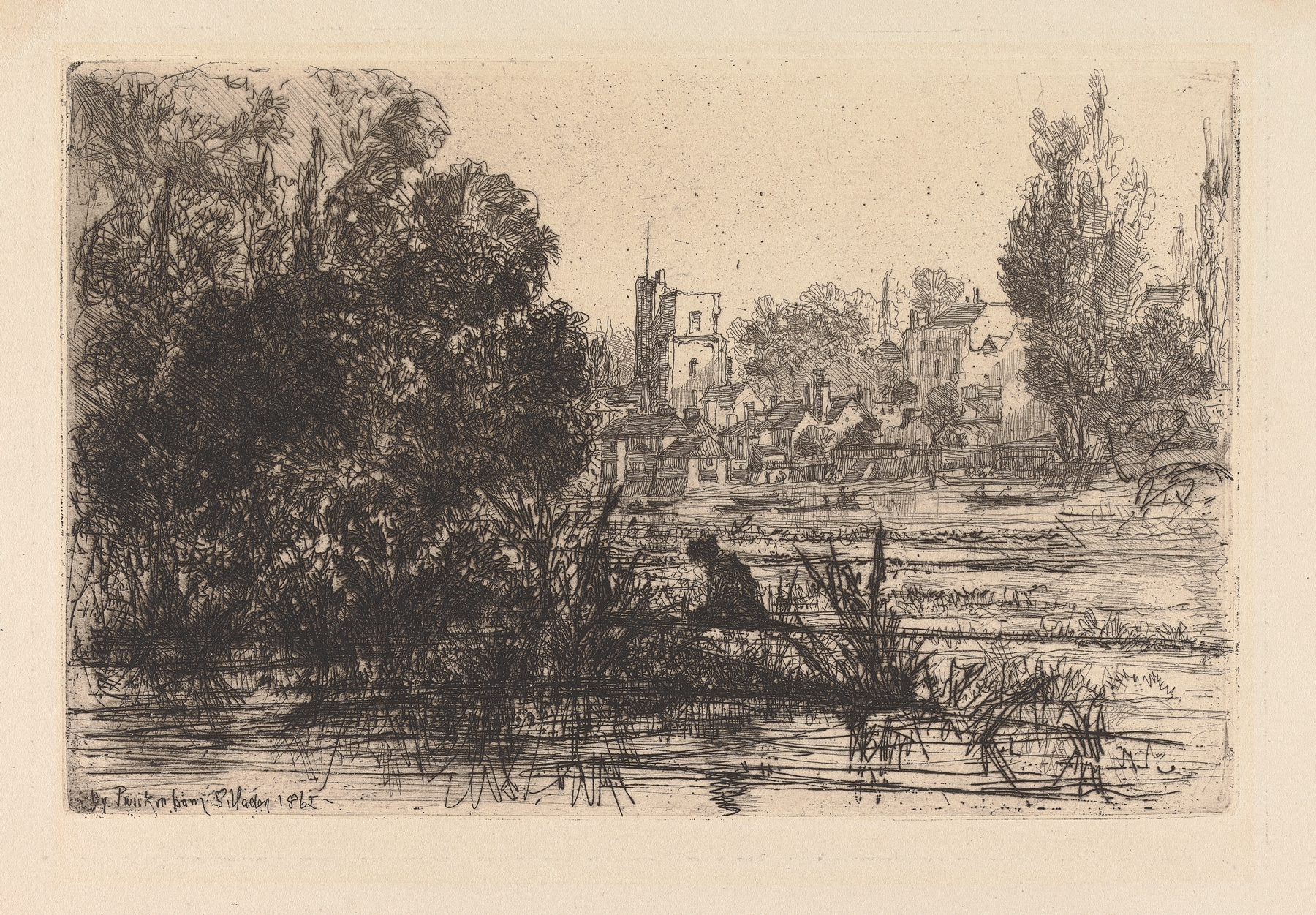
“Every brushstroke is a heartbeat remembered.” In The Moat House, a tender yearning for the past permeates the tranquil scene, inviting contemplation on time and memory. Look to the left at the serene reflection shimmering on the water’s surface, where vibrant greens and soft blues dance together. The meticulous detail in the foliage contrasts with the gentle ripples, capturing the fleeting moments of nature’s beauty. Notice how the artist employs light to create a dappled effect, illuminating the tranquil setting while casting shadows that hint at the passing of time, evoking a sense of nostalgia.
The juxtaposition of the sturdy, weathered structure against the delicate, flowing water symbolizes the tension between permanence and transience. The moody sky looms overhead, suggesting the inevitability of change, yet the flourishing landscape embodies resilience. Each element—the house, the moat, the surrounding trees—seems to whisper stories of those who have inhabited this space, amplifying the emotion of longing.
In 1865, Haden created this piece while immersed in the burgeoning printmaking and etching movements in England. The mid-19th century was a time of significant artistic exploration, and Haden was influenced by the Romantic ideals of capturing nature’s essence. This artwork reflects his personal journey and the broader cultural shifts, as artists sought to express deeper connections with their surroundings and the passage of time.