Nubians At The First Cataract On The Nile At Philae, Egypt — History & Analysis
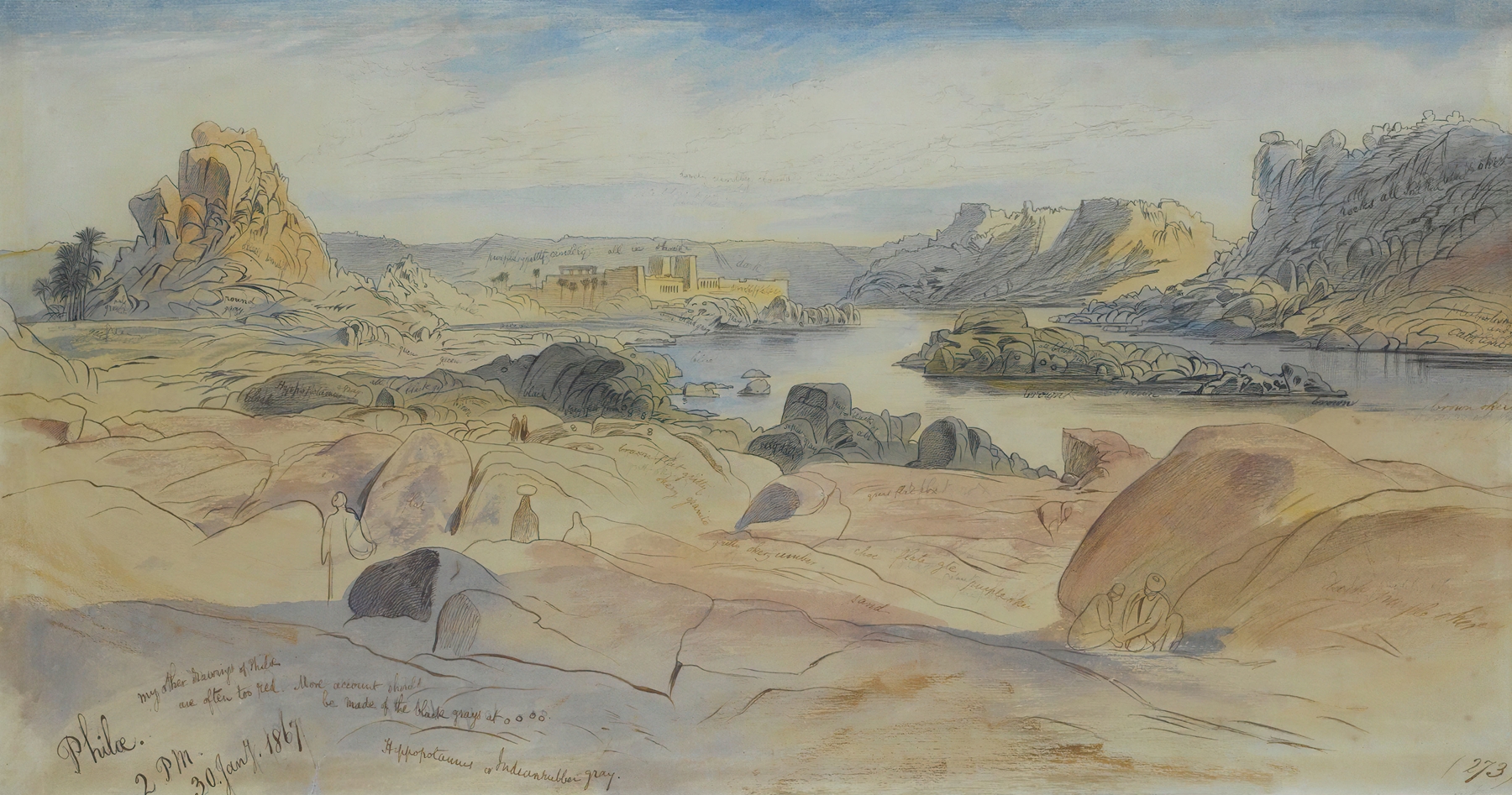
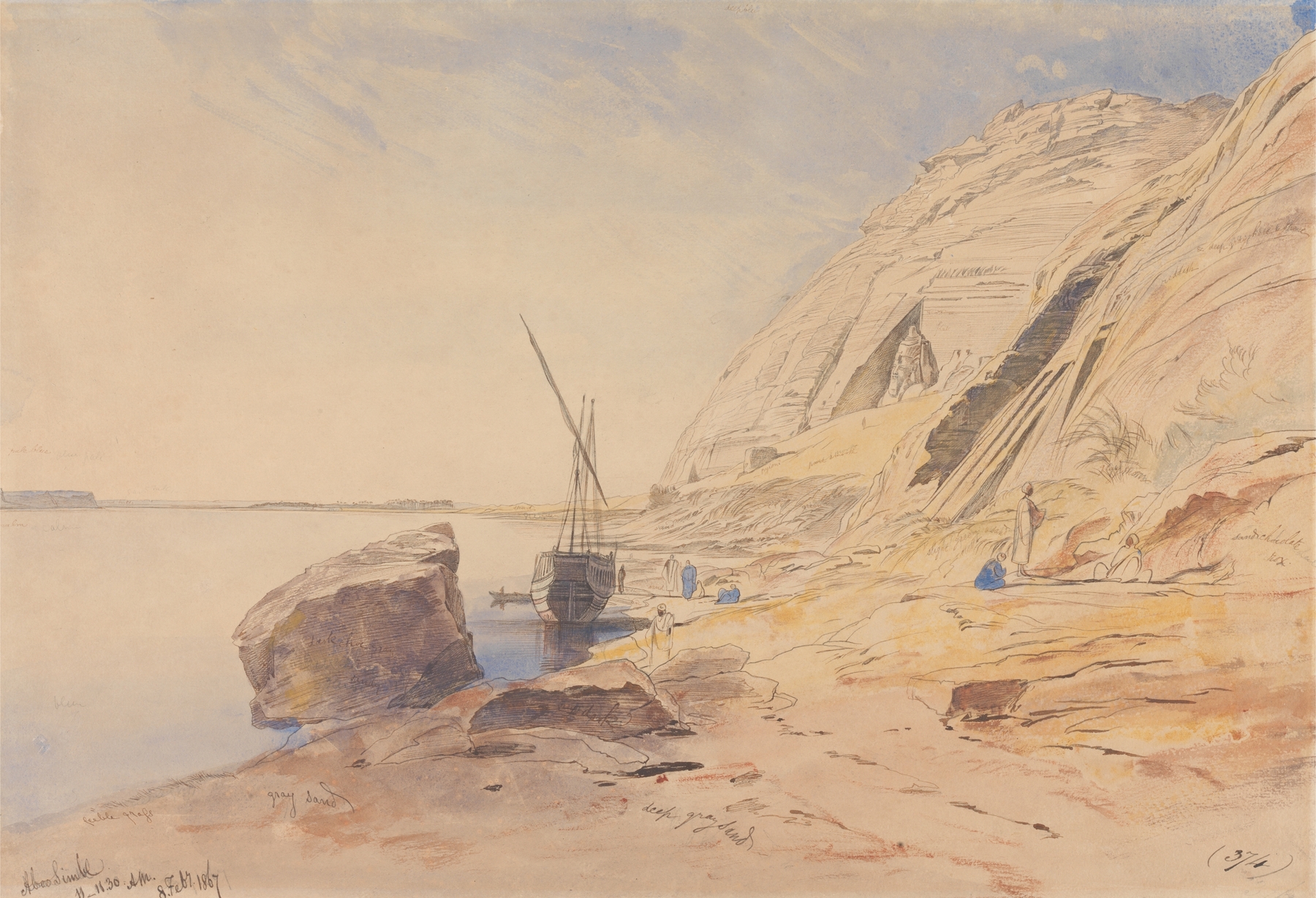
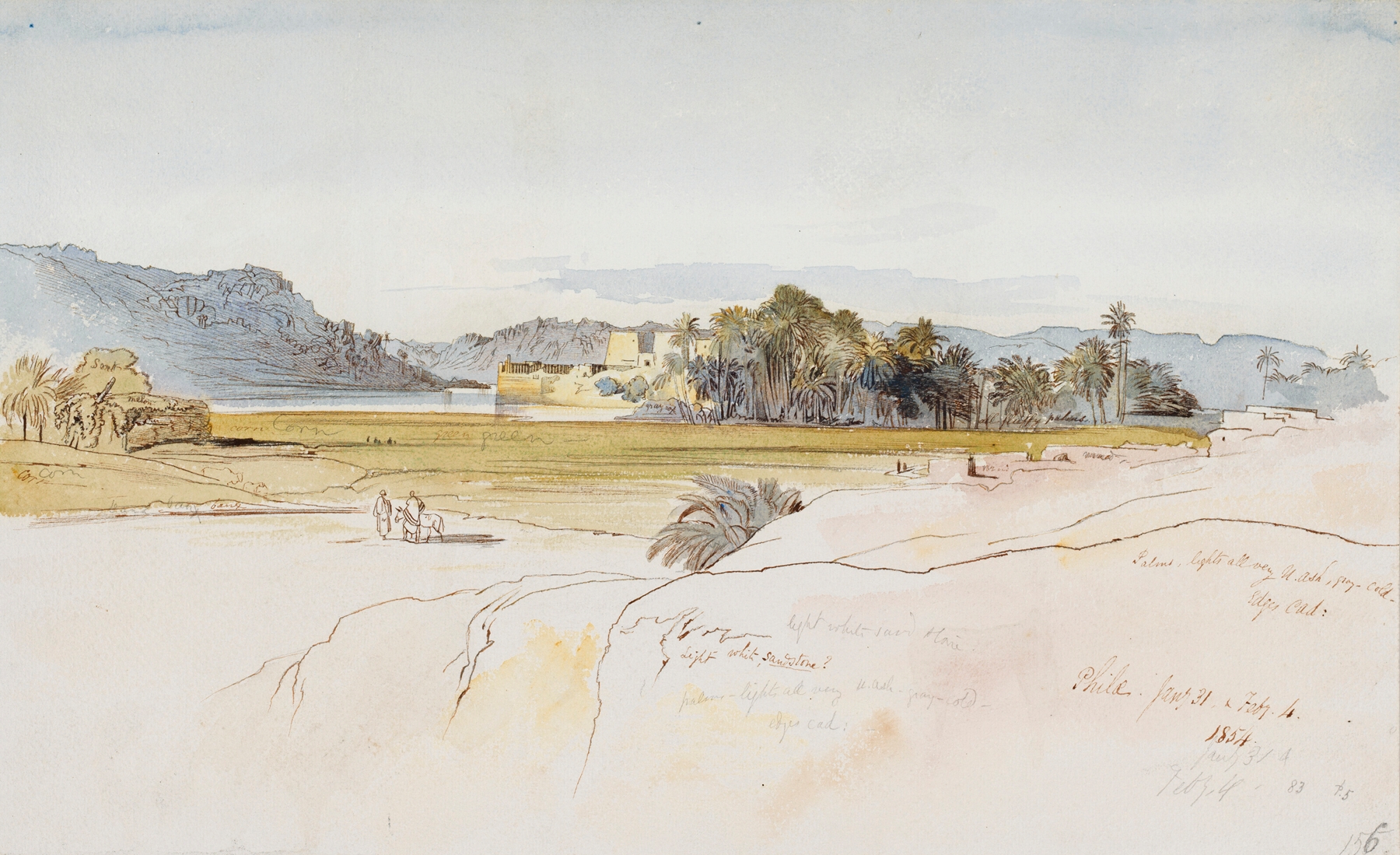
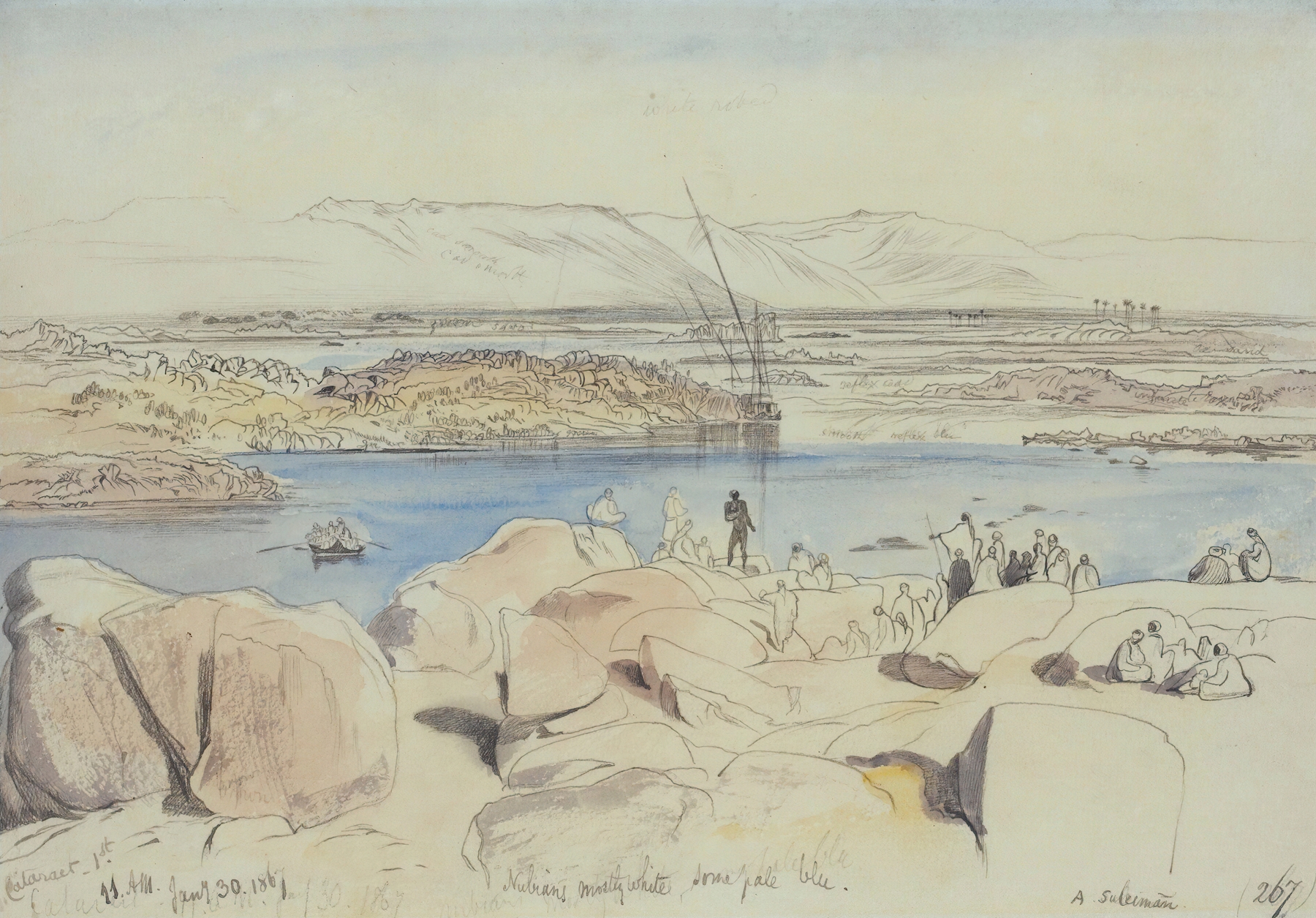
Could beauty survive in a century of chaos? In the face of tumultuous times, the essence of hope emerges vividly, echoing through time and space. Look to the left at the delicate strokes that create the rippling waters of the Nile, a shimmering blue expanse that invites contemplation. From there, your eye is drawn to the Nubians, rendered with both grace and strength, their figures embodying a connection to the earth and the river. Notice how the warm hues of the landscape contrast with the cool tones of the water, creating a harmony that suggests resilience amidst adversity. The composition holds a dialogue between nature and humanity, as the figures seem to both emerge from and merge with the landscape. The subtle play of light across the scene captures the fleeting moment before dusk, evoking a sense of timelessness. The juxtaposition of activity and stillness in the figures—some engaged in labor, others contemplative—reflects the complexity of existence, where hope intertwines with daily life and struggle. In 1867, Edward Lear painted this work during a time of personal transition, as he navigated the challenges of advancing age and declining health. He was traveling through Egypt, a land rich with history and beauty that sparked his imagination. Art was undergoing shifts towards realism and impressionism, yet Lear's romantic approach in this piece captures not just a scene, but a deeper emotional texture, revealing a glimpse of life imbued with hope, even amidst the chaos surrounding him.