A View Of Mount Athos And The Pantokrator Monastery, Greece — History & Analysis
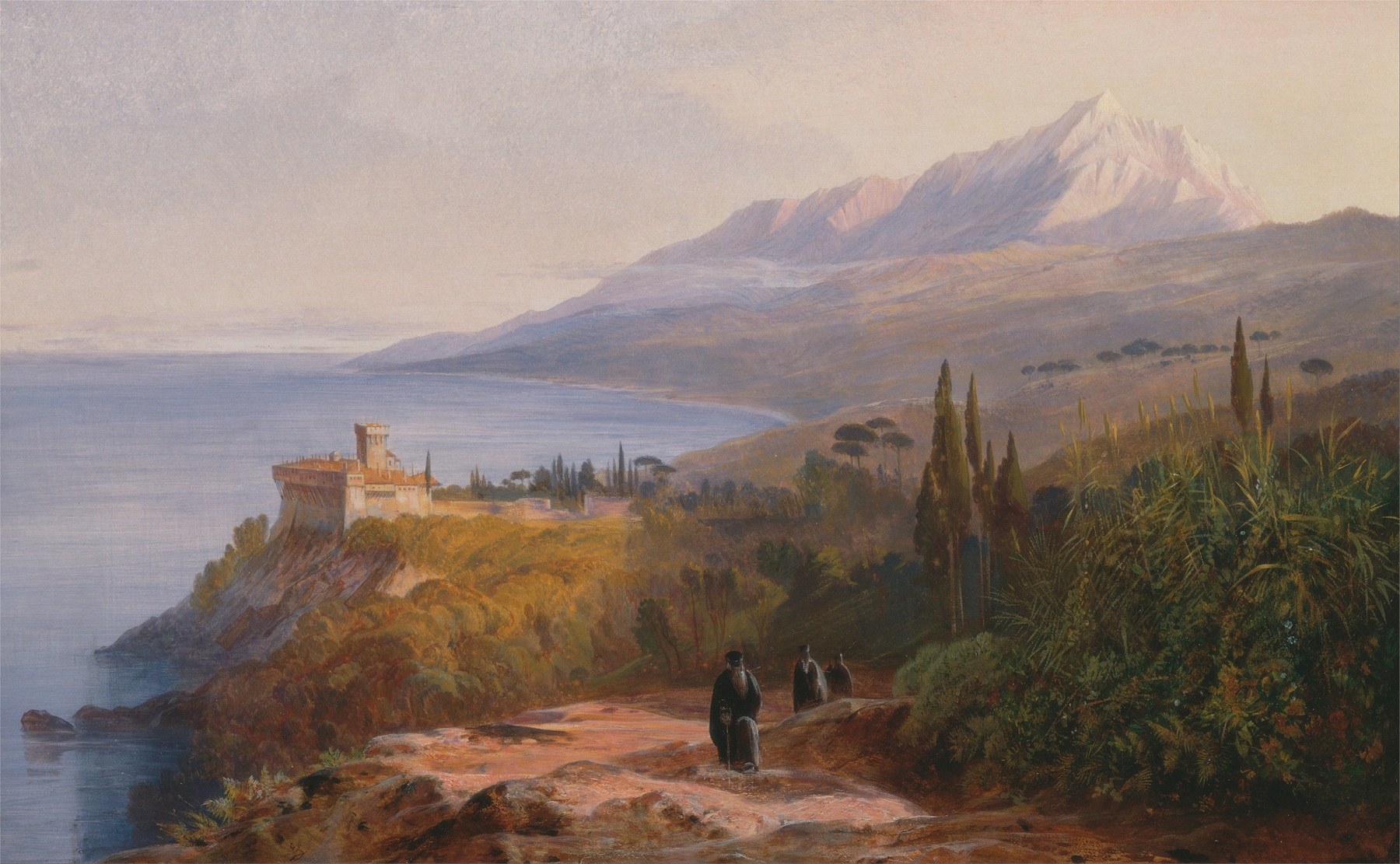
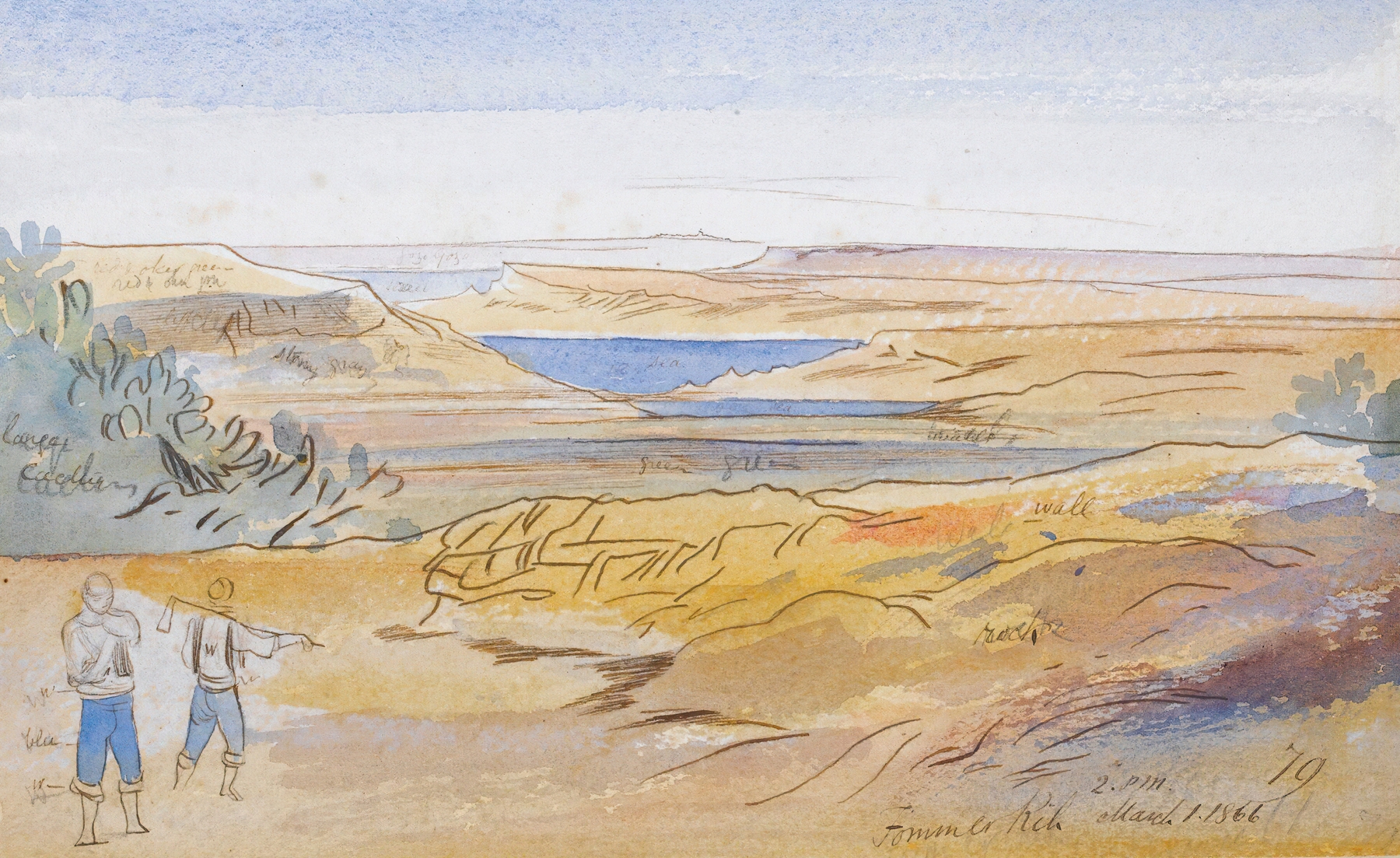
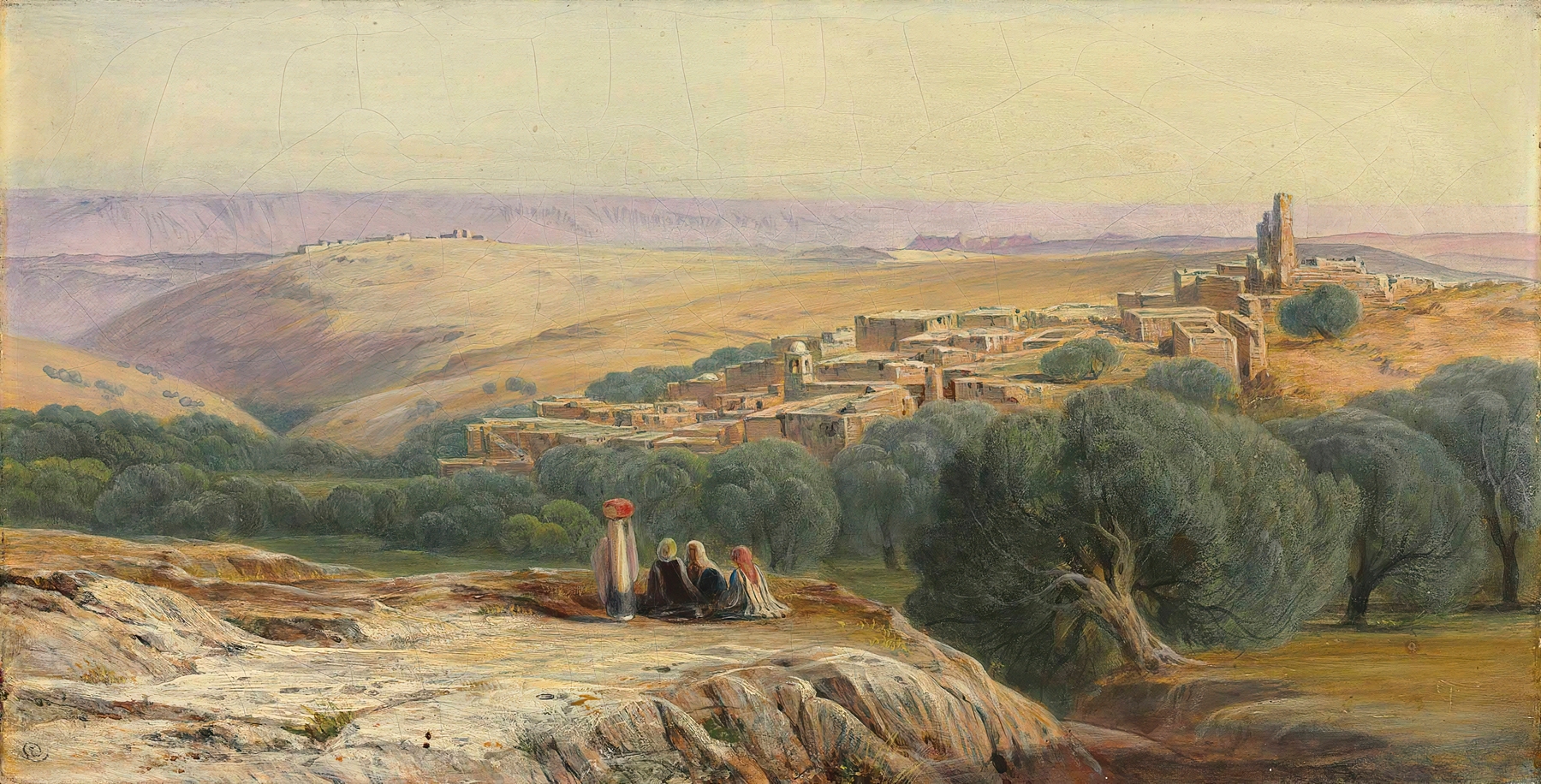
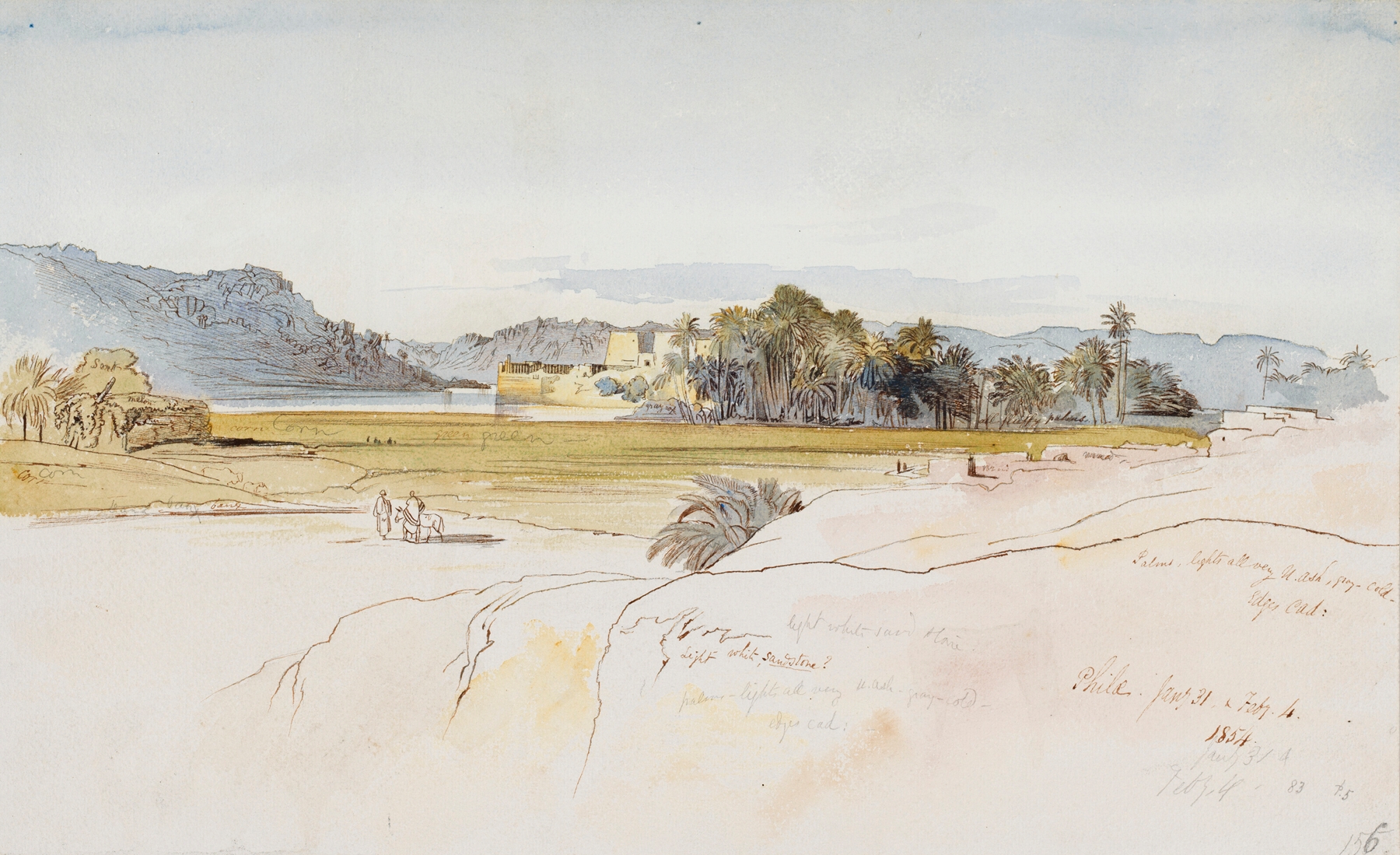
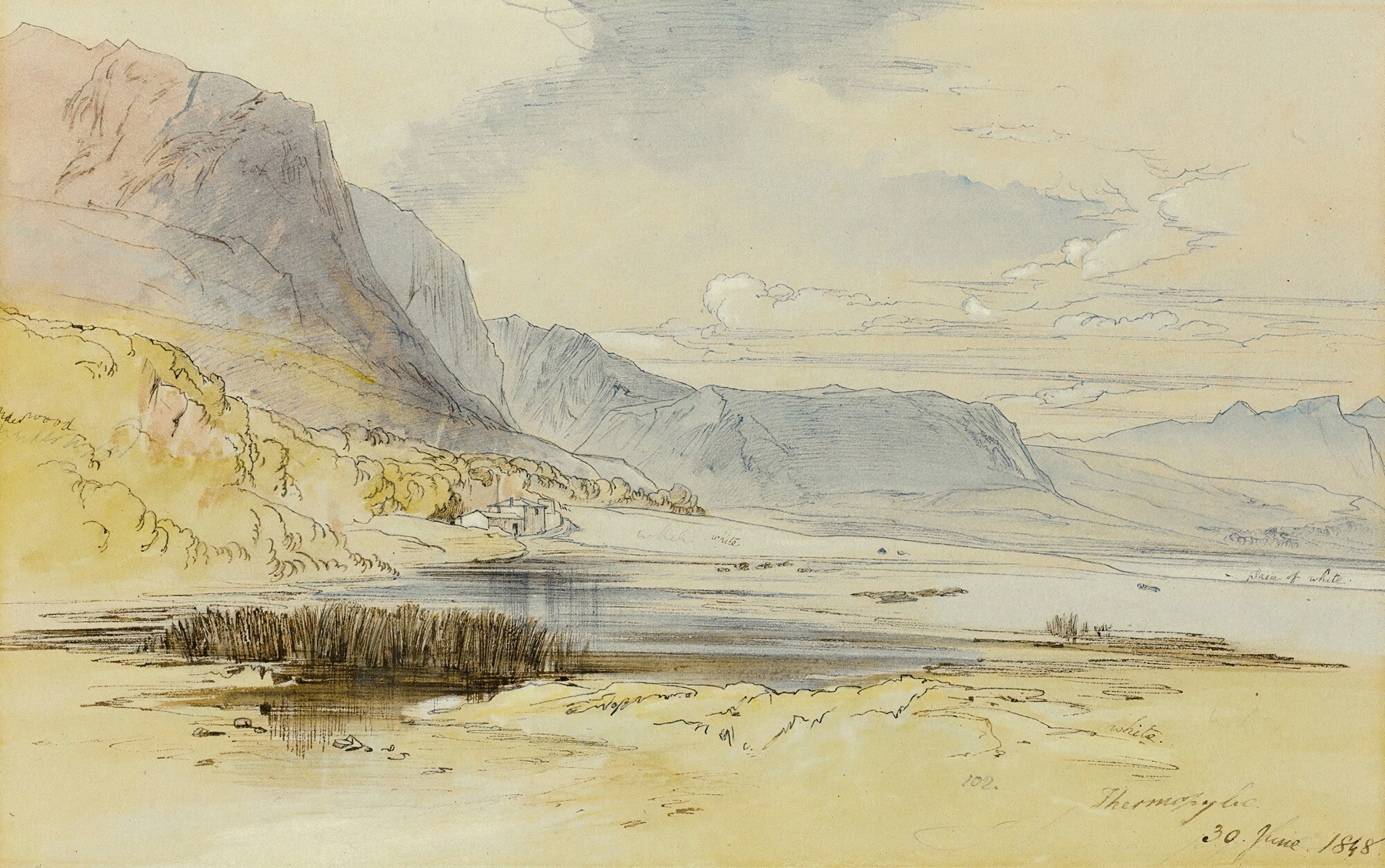
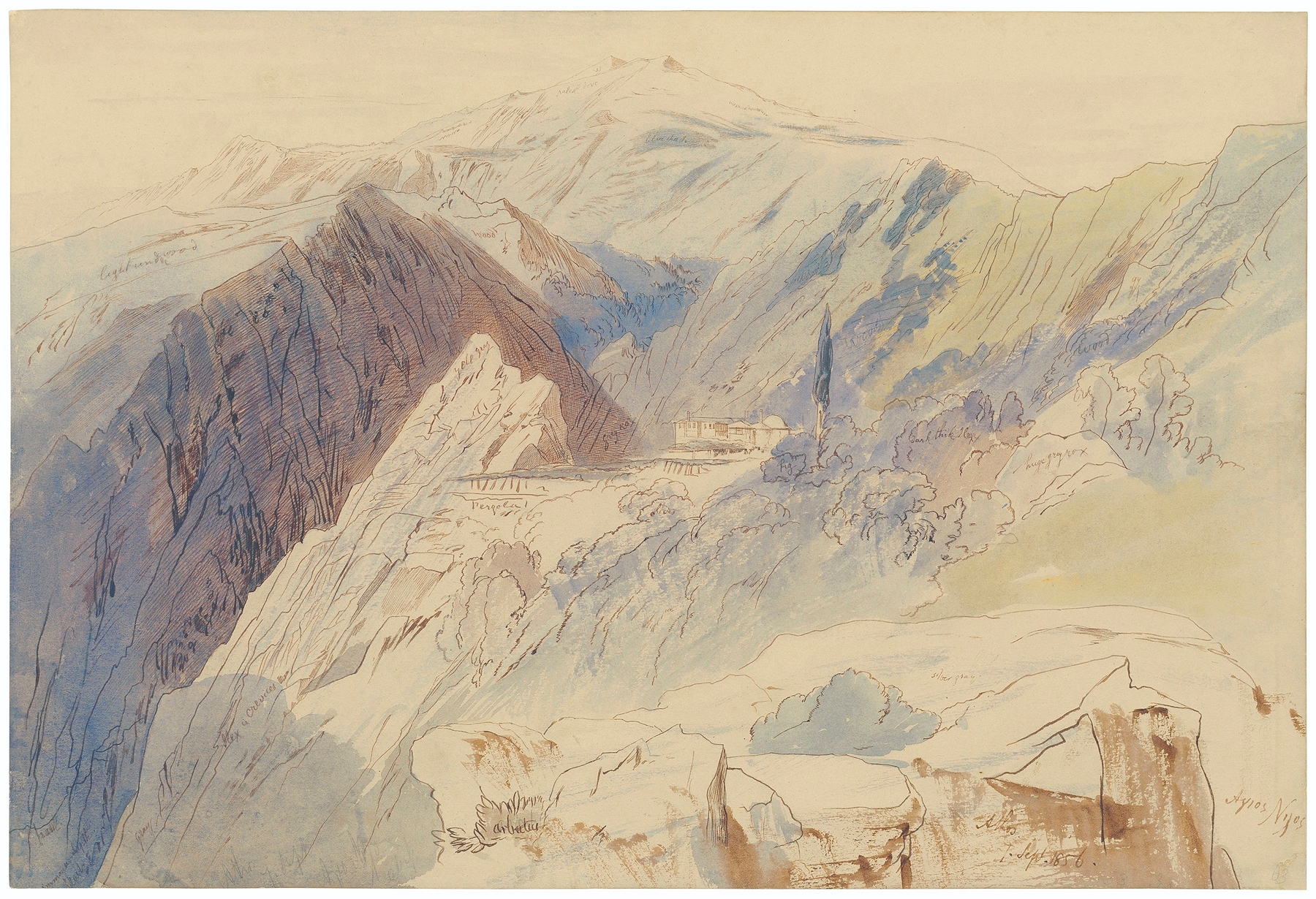
“Between color and silence, truth hides.” In the embrace of dawn, the world stirs, waiting for the first light to illuminate the mountains. The air is crisp, laden with the promise of awakening; a stillness blankets the monastery, a sanctuary poised against the vibrant hues of nature. Look to the left where the sun breaks the horizon, casting a soft golden glow across the rugged peaks of Mount Athos. Notice how the brushstrokes dance; some are gentle and fluid, while others are bold and unyielding, capturing the texture of the rocky terrain.
The monastery stands resolute, its serene facade harmonizing with the landscape, suggesting a profound connection between architecture and earth. The palette oscillates between serene blues and warm ochres, evoking a sense of peace and contemplation. The painting resonates with contrasts—the solid strength of the monastery juxtaposed against the soft contours of the landscape, the tranquility of the scene interlaced with an undercurrent of spiritual longing. Each detail, from the delicate cloud formations to the distant waters, tells a story of devotion and serenity.
This interplay invites the viewer to ponder the duality of existence—between the earthly and the divine, the seen and the unseen. Edward Lear created this work during the mid-19th century, a time when he was deeply engaged in travel and exploration. His journeys across Greece inspired numerous landscape paintings, reflecting a burgeoning Romantic interest in nature and spirituality. The artist sought to capture not just the physical beauty of the landscape, but also the essence of a cultural heritage steeped in history, embodying a moment of stillness amid the vibrant life surrounding it.