Off the Needles, Isle of Wight — History & Analysis
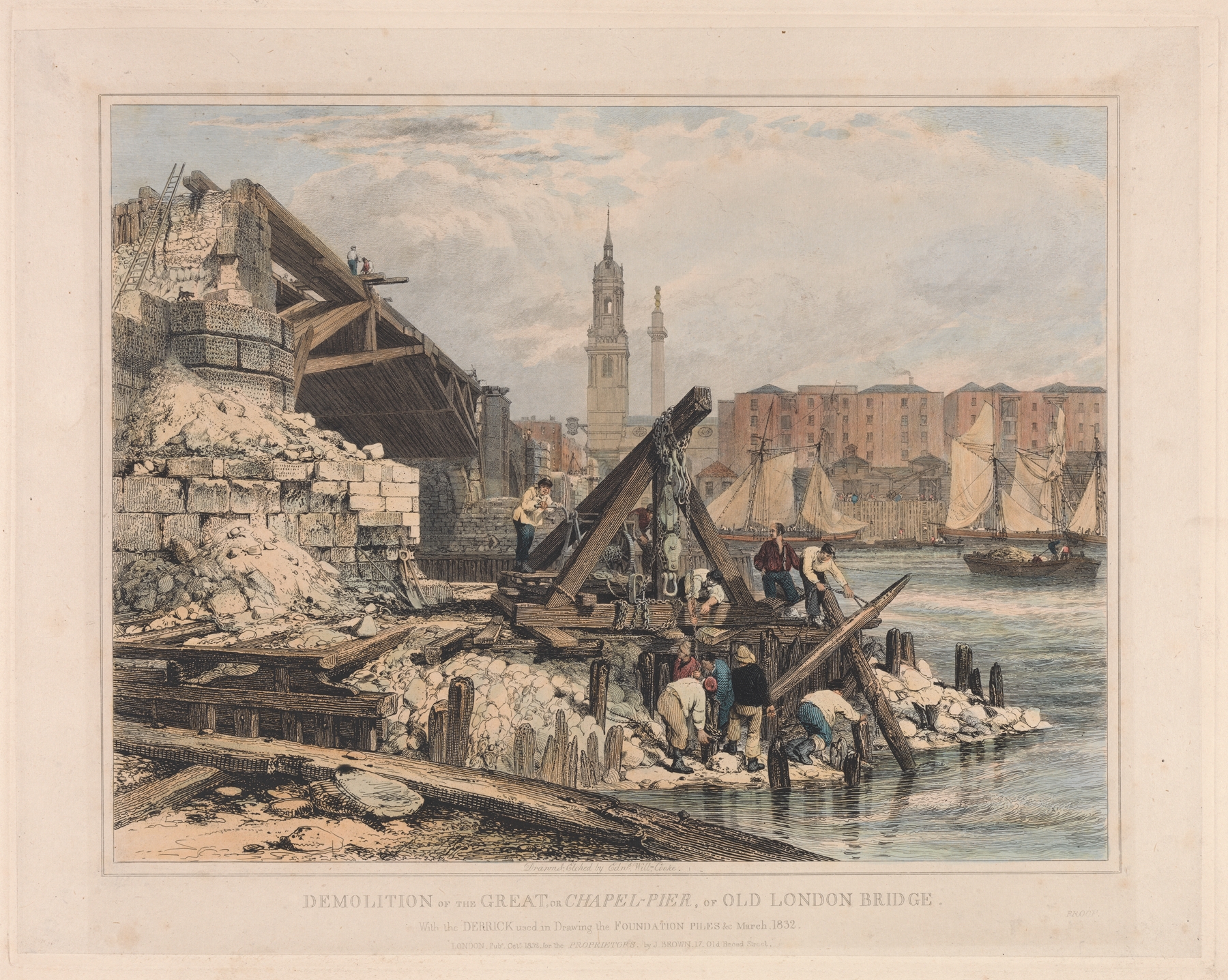
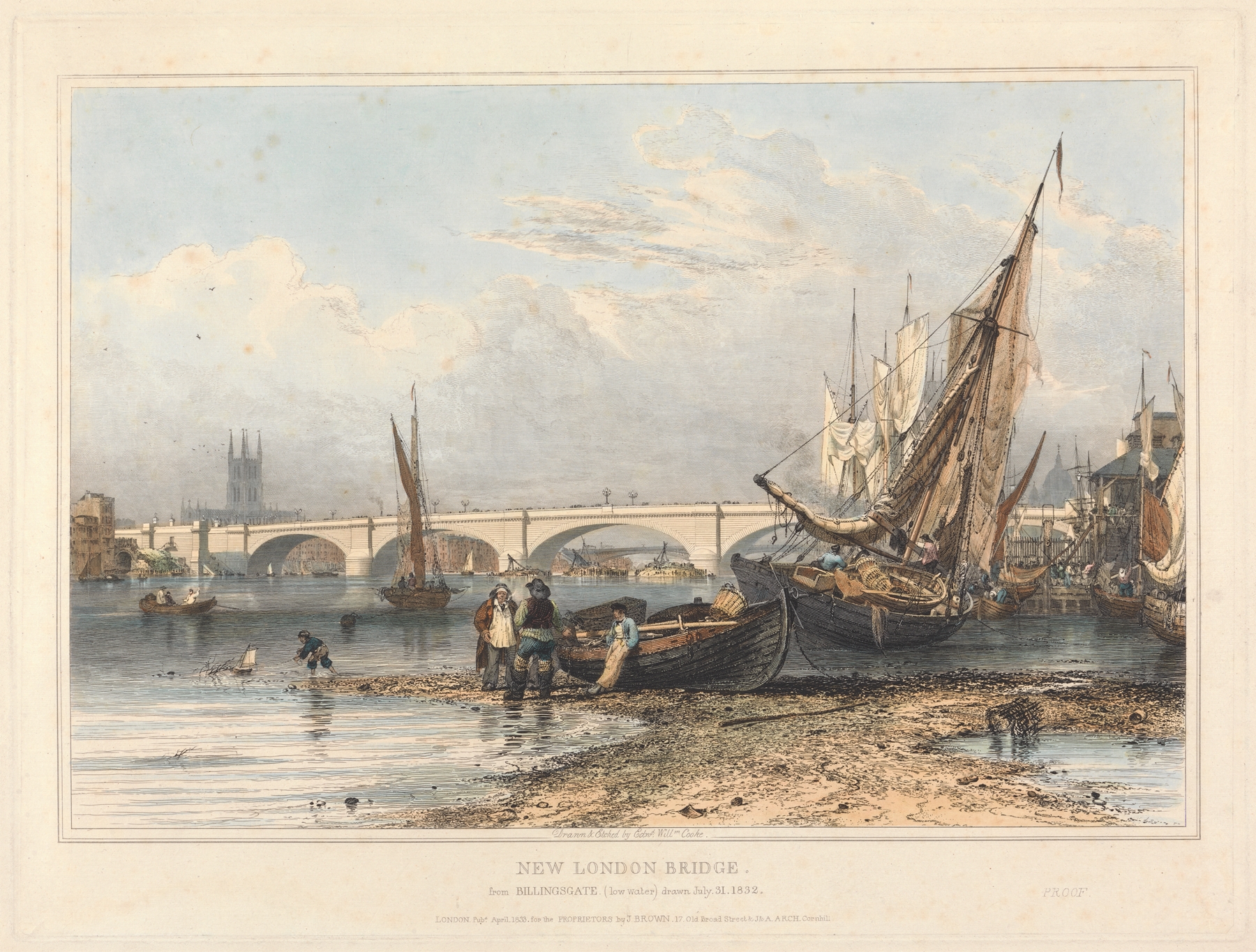
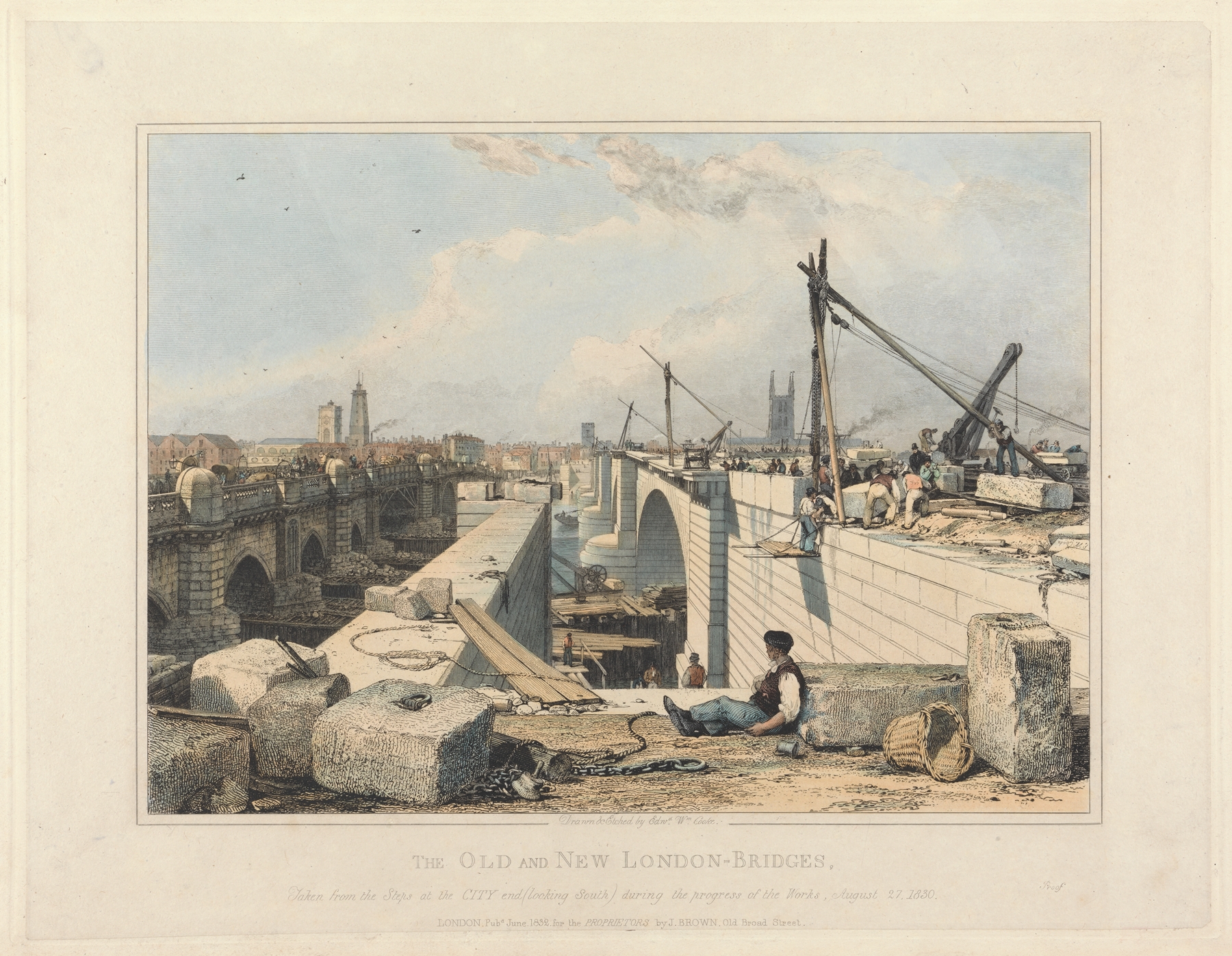
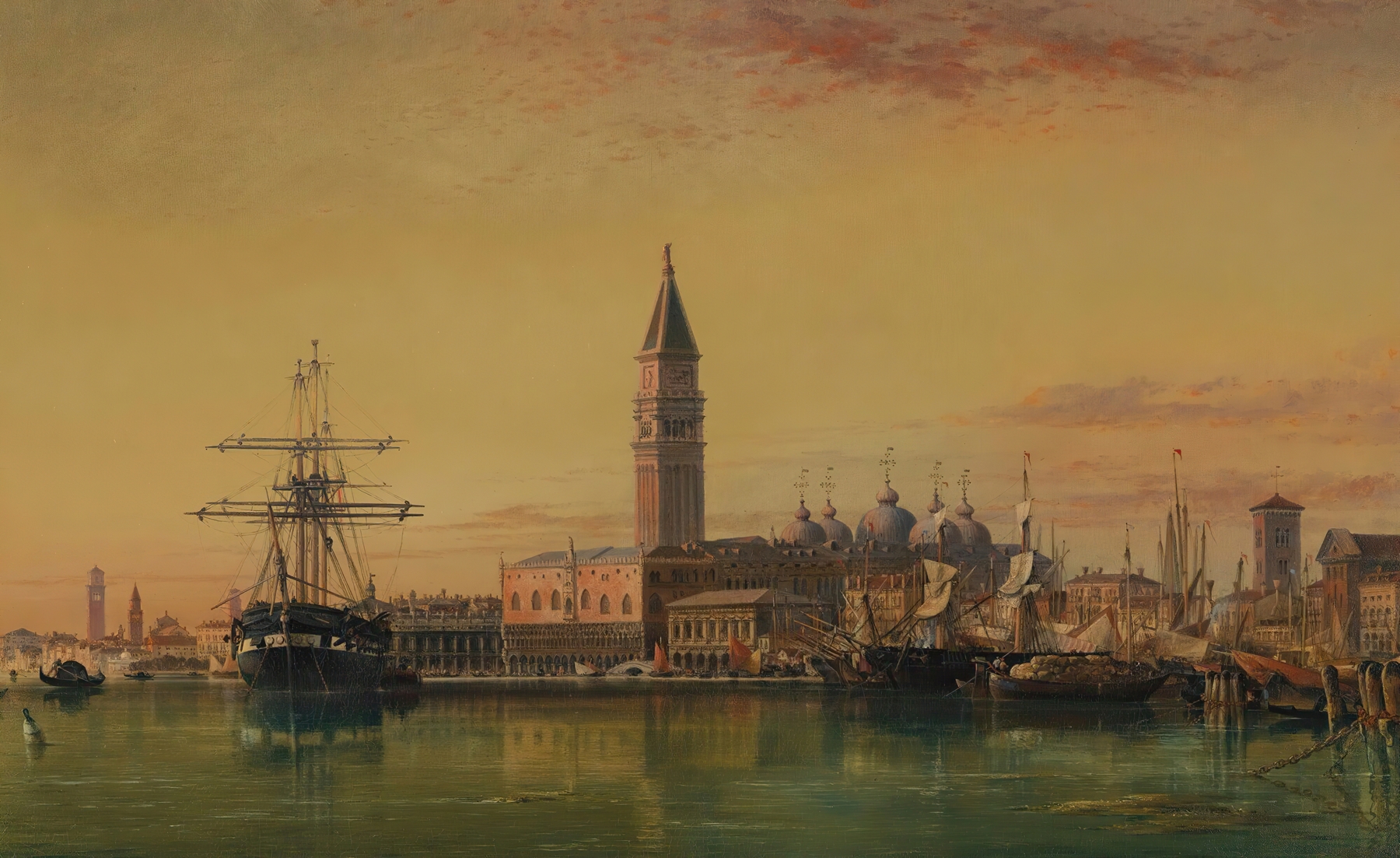
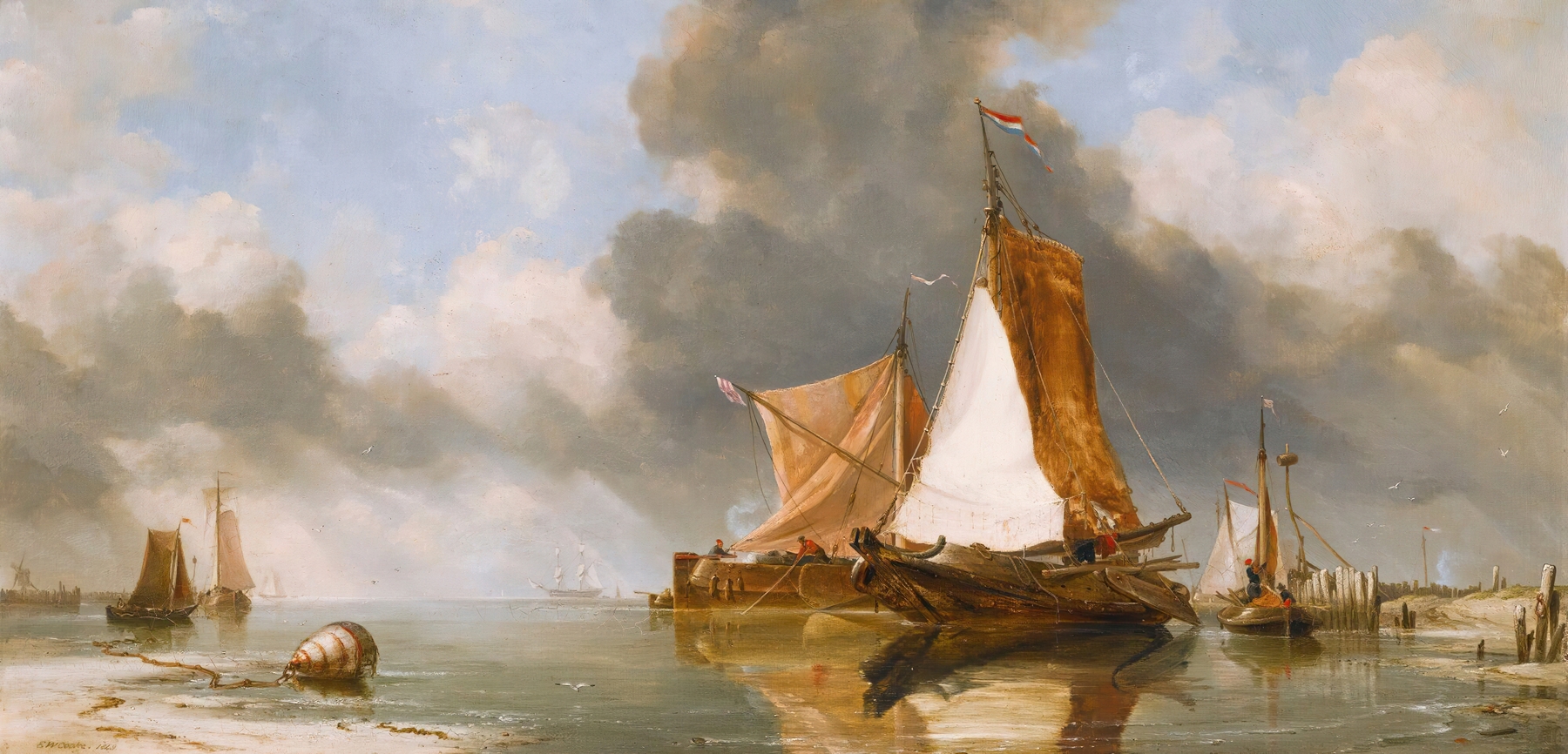
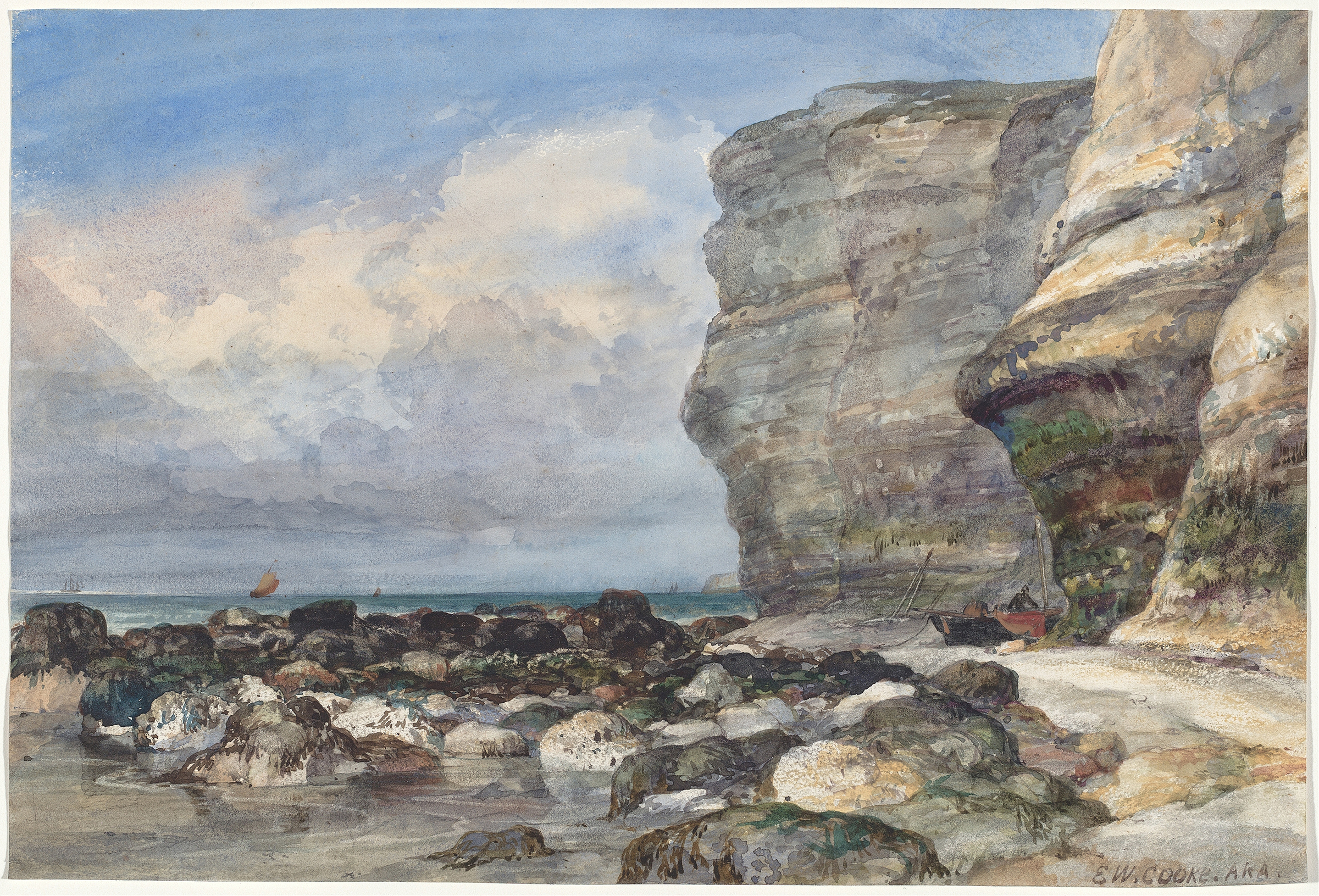
Could a single brushstroke hold eternity? In Off the Needles, Isle of Wight, the canvas stretches into a realm of vastness, where emptiness becomes a haunting presence, and the sea whispers secrets of solitude. Look to the horizon, where the gentle curve of the coastline merges with the soft blue of the sky. The artist captures the moment just before dusk, as diffused light caresses the water’s surface, creating a shimmering interplay of blues and silvers. Notice how the starkness of the cliffs contrasts with the tranquil waves, drawing your eye towards the far-off ship, a solitary figure against the expansive backdrop.
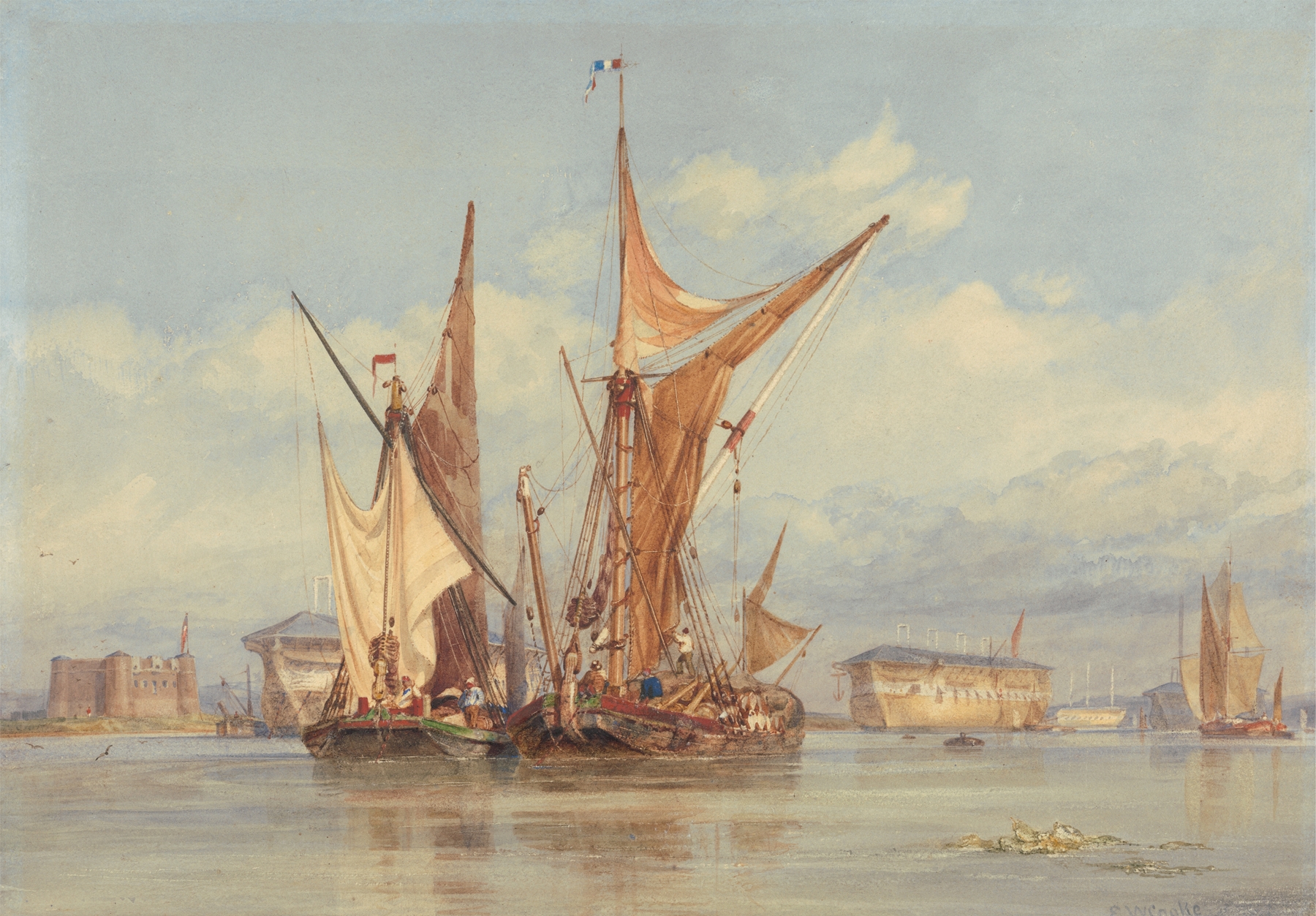
Cooke’s deft brushwork, with its fluid strokes and carefully chosen palette, evokes both the tranquility and the profound isolation of the scene. Delve deeper into the composition, and you'll find an emotional resonance lurking beneath its surface. The ship, seemingly lost in the vastness, embodies human fragility against nature’s grandeur, a metaphor for life’s transient journey. The emptiness surrounding the vessel invites contemplation, suggesting both freedom and loneliness—a delicate balance between adventure and isolation.
Each brushstroke articulates a story of searching and yearning, echoing the quiet tension of existence itself. In 1845, Cooke painted this work during a time when the Romantic movement was reshaping the artistic landscape, focusing on nature and emotion. Residing in England, he was influenced by the coastal scenery, as well as his own artistic explorations of marine subjects. His dedication to capturing atmospheric effects reveals a shift toward realism, where the relationship between humanity and the natural world becomes a central theme in his oeuvre.