Omiya Hikawa koen (Hikawa Park, Omiya) — History & Analysis
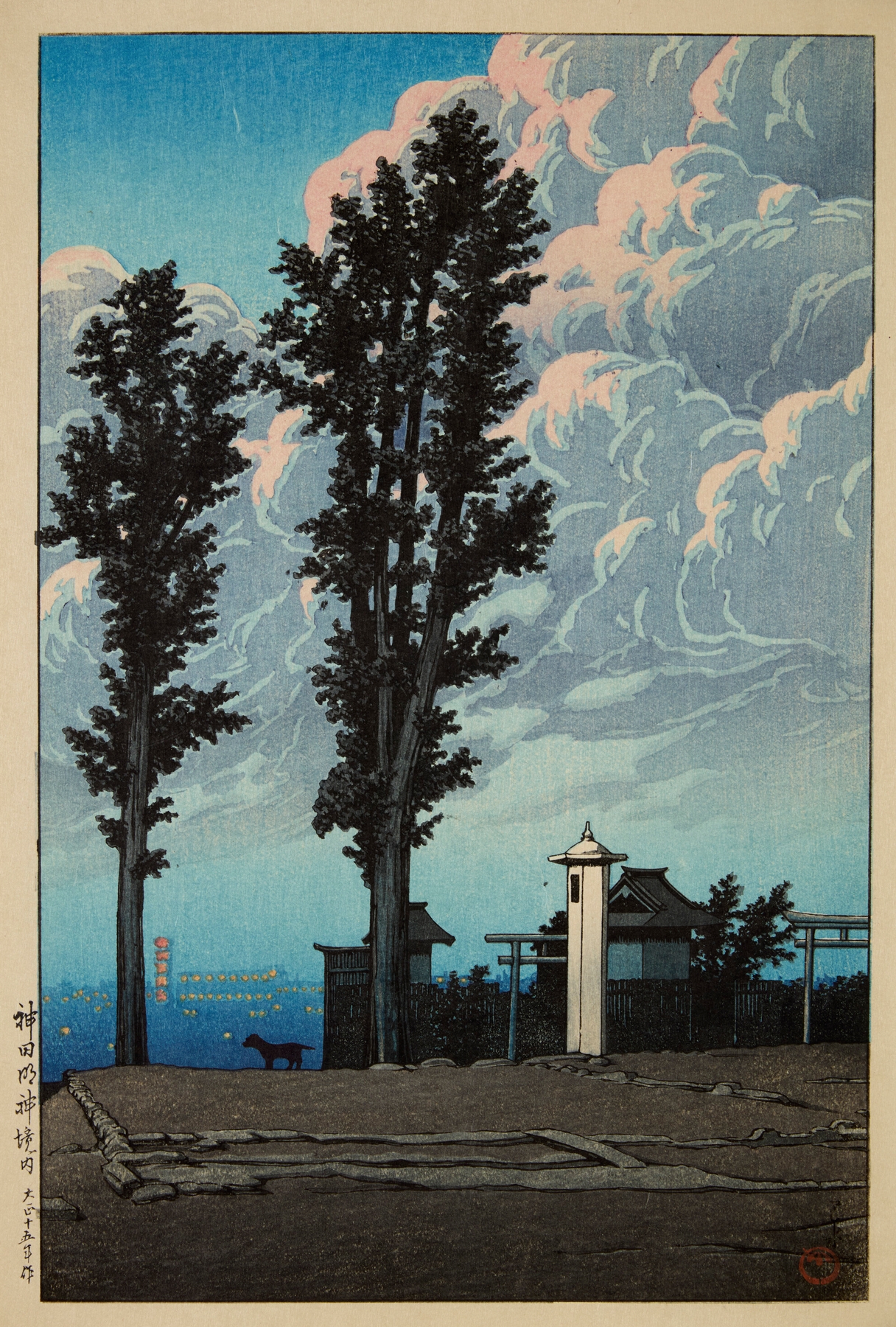
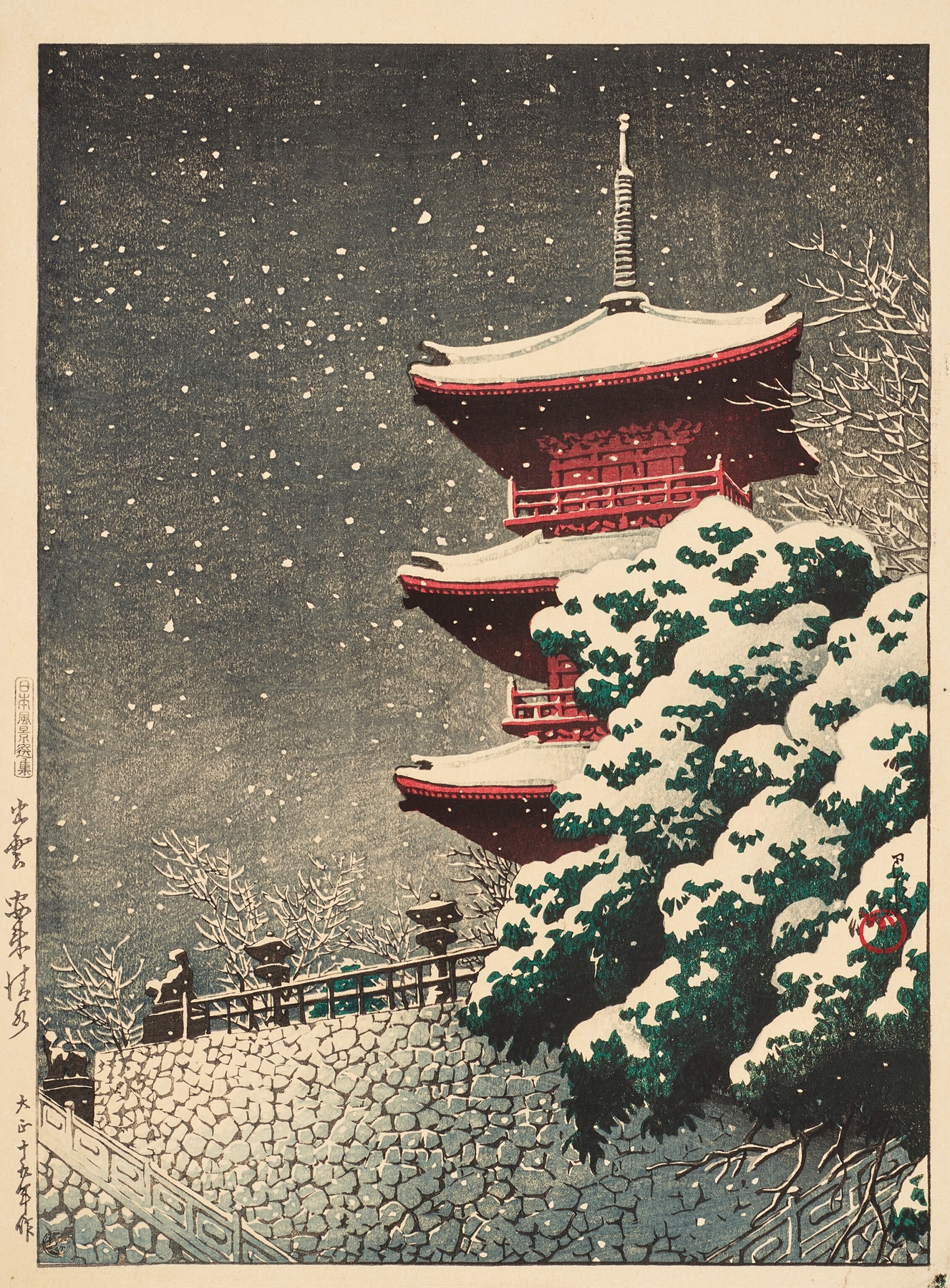
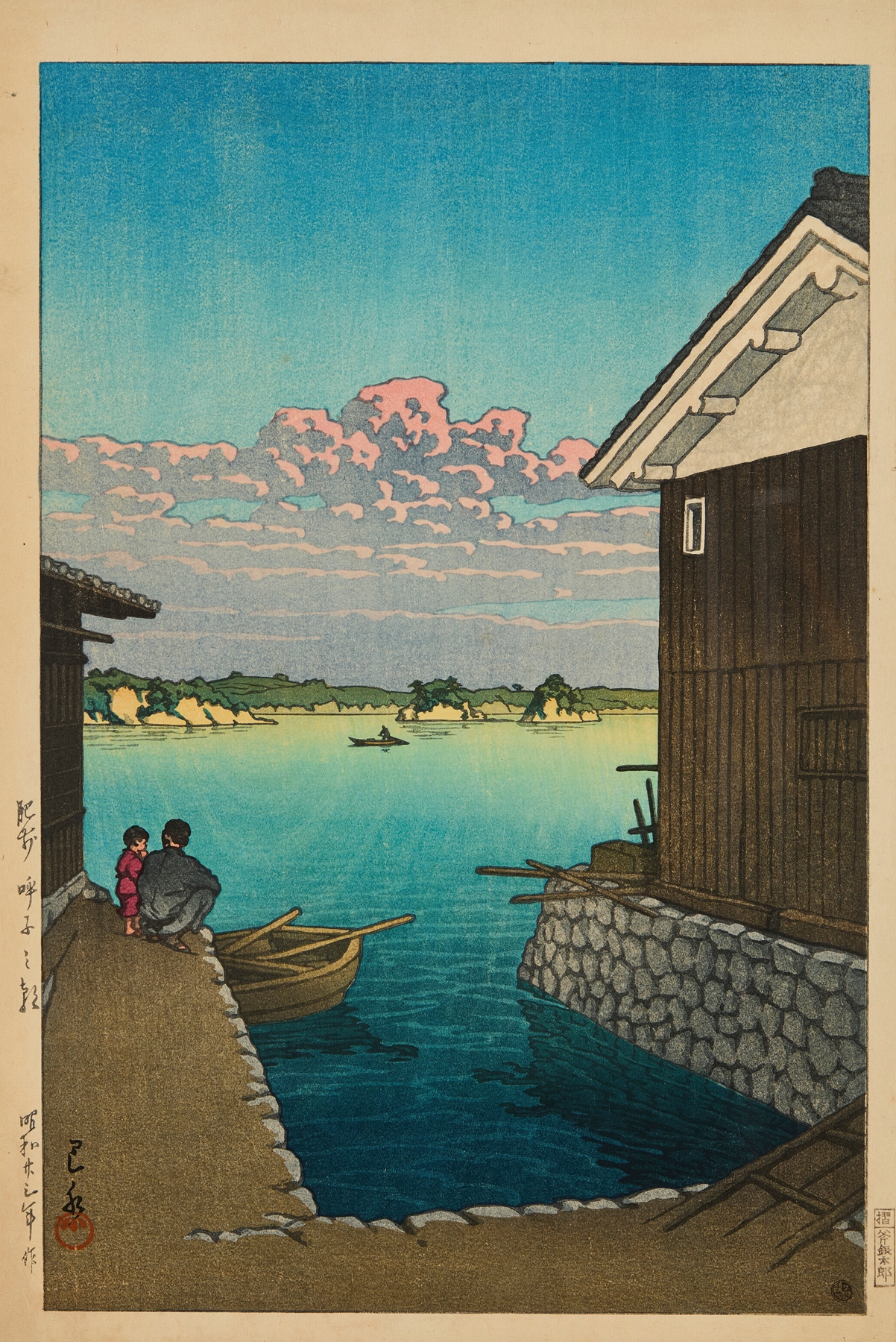
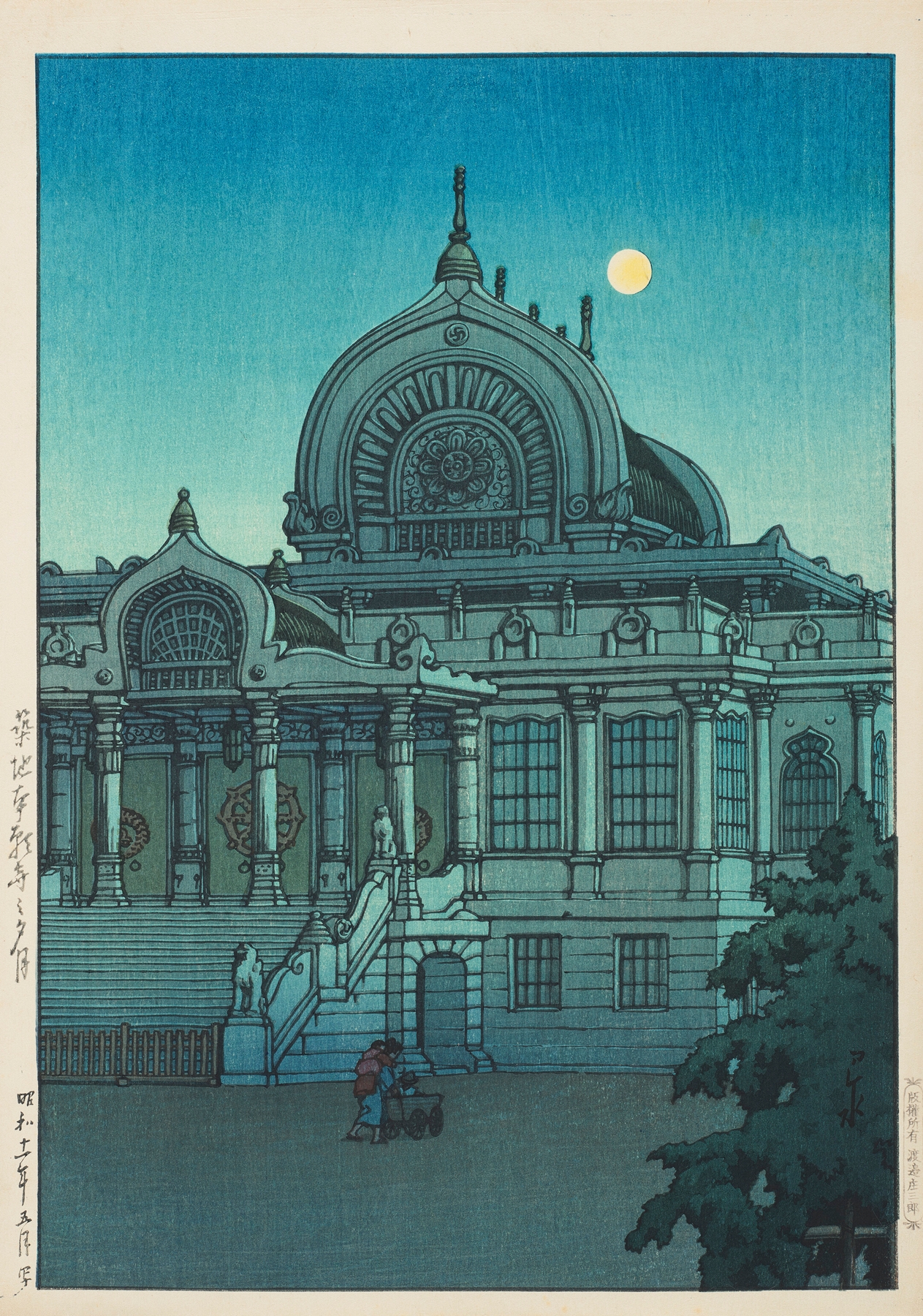
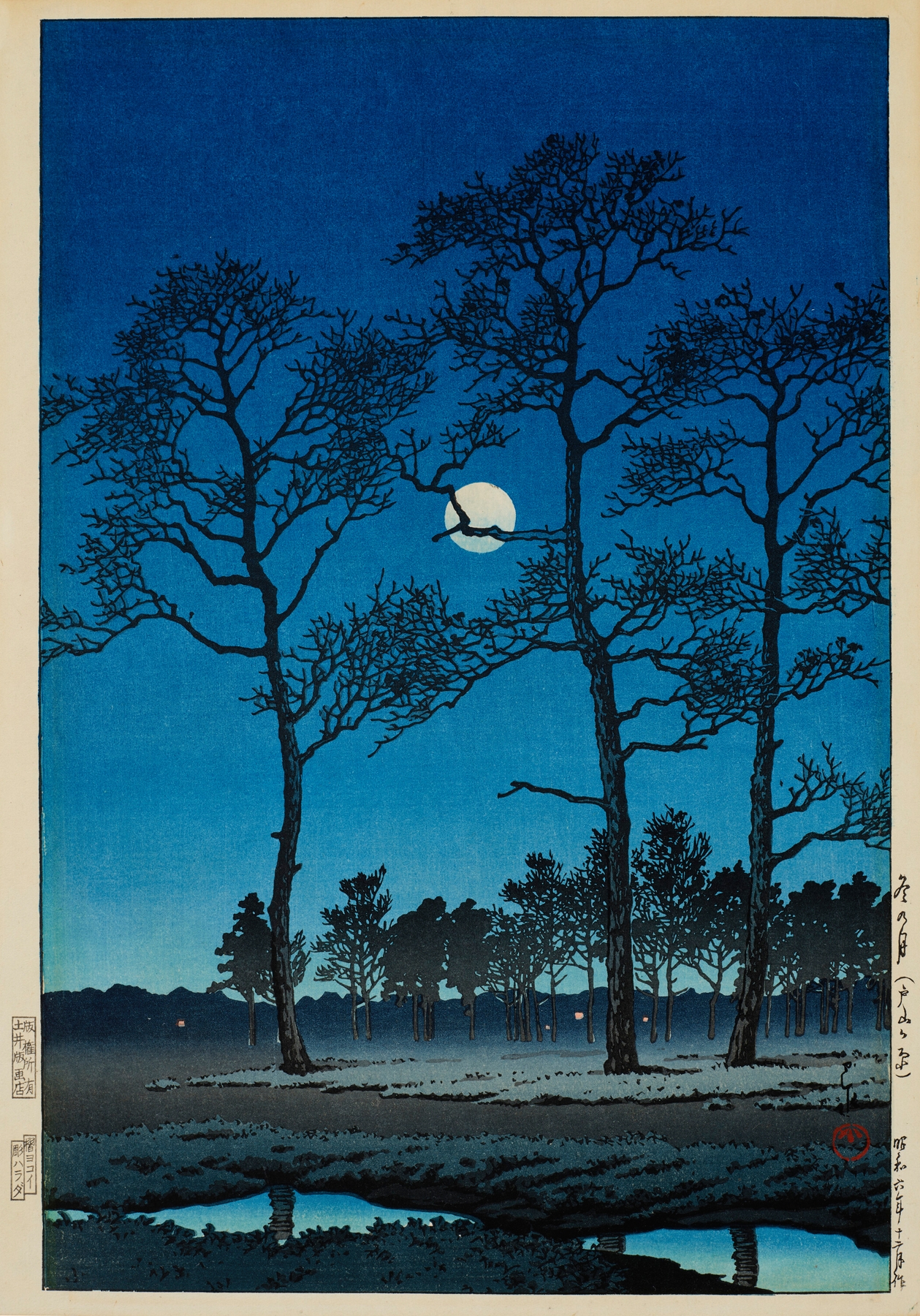
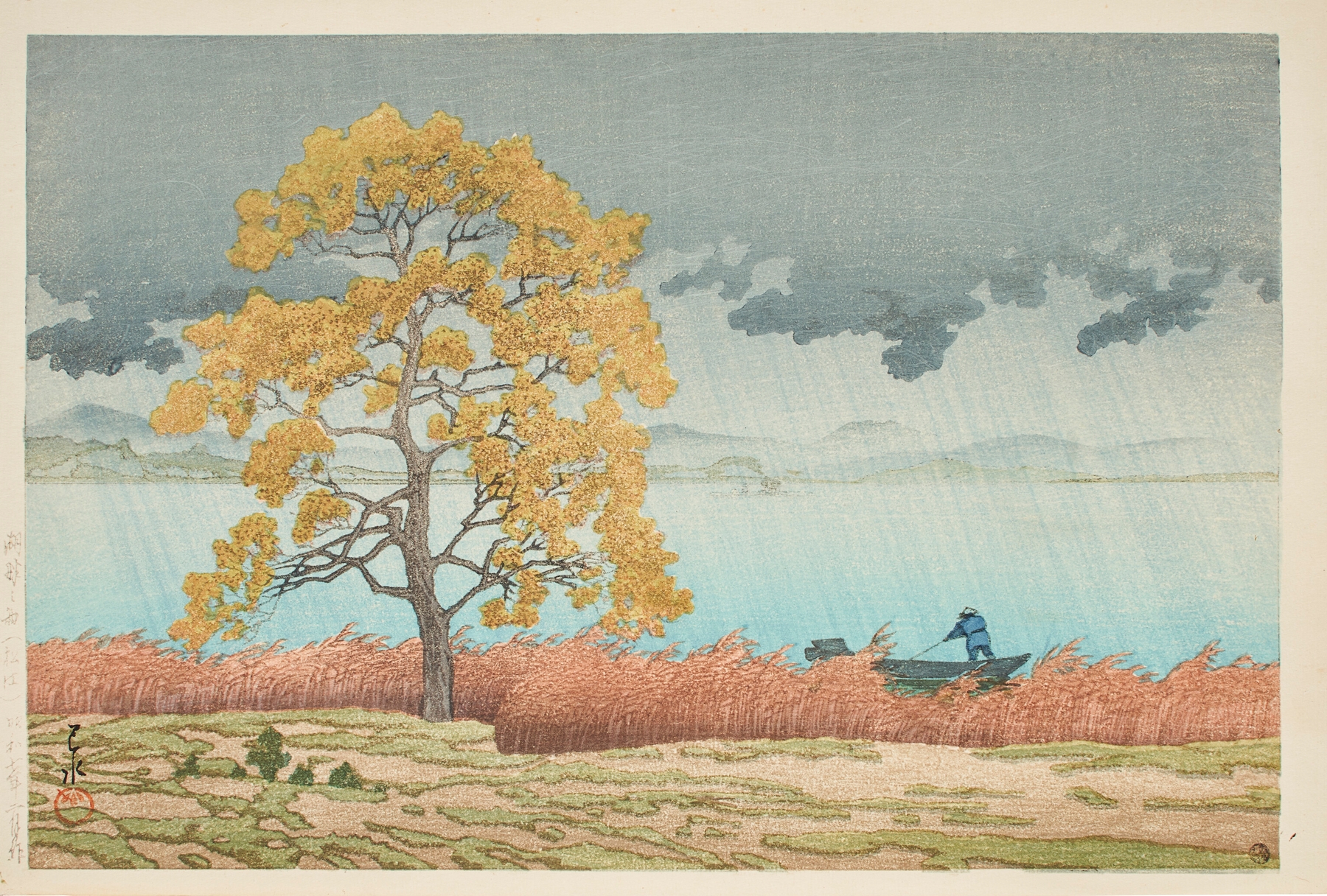
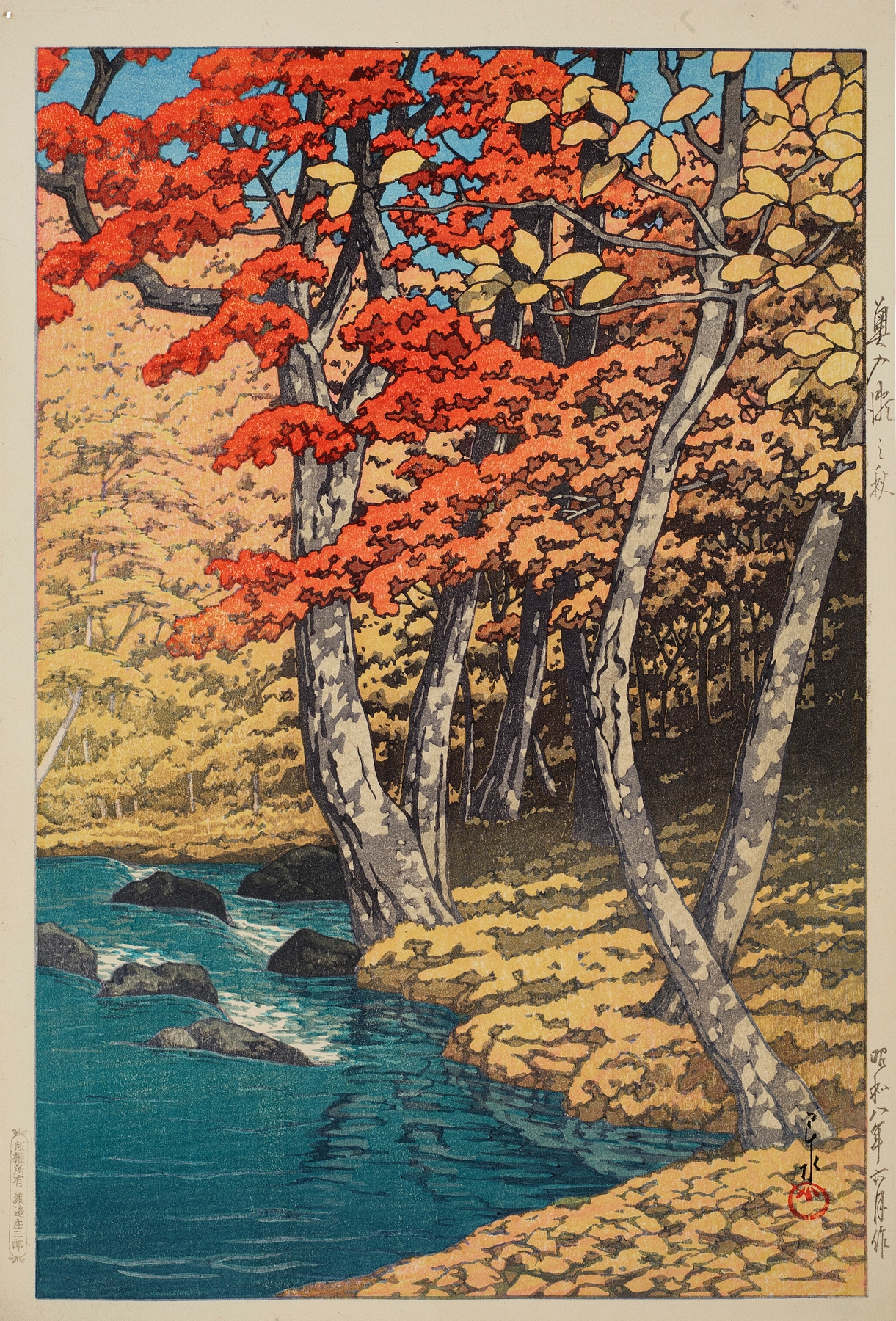
Could beauty survive in a century of chaos? In Hikawa Park, Omiya, a serene landscape emerges, inviting viewers to ponder the delicate balance of tranquility amid tumultuous times. Look to the left at the gentle curve of the river, where the water glistens under soft, diffused light. The trees stand tall and lush, their leaves painted in varying shades of green that evoke a sense of peace.
Notice how the artist captures the subtle interplay of light and shadow, enhancing the depth of the scene, while the carefully chosen hues convey a harmony that feels almost sacred. Yet, beneath this picturesque façade lies an undercurrent of tension. The juxtaposition of the serene park against the knowledge of social unrest during the 1930s in Japan serves as a stark reminder of the violence that permeated the era. Each brushstroke reflects a longing for serenity, a yearning for moments of calm amidst the upheaval, as if Hasui is whispering that beauty can still flourish, even in the darkest of times.
The careful arrangement of the landscape hints at fragility, suggesting that peace is both a refuge and a fleeting treasure. In 1930, Kawase Hasui was deeply immersed in the shin-hanga movement, which sought to revive traditional woodblock printing with a modern twist. This was a time of national turmoil in Japan, with the shadows of war looming. Working from his studio in Tokyo, Hasui was not only capturing landscapes but also crafting visual narratives that resonated with a population seeking solace and hope.