On The Dunes — History & Analysis
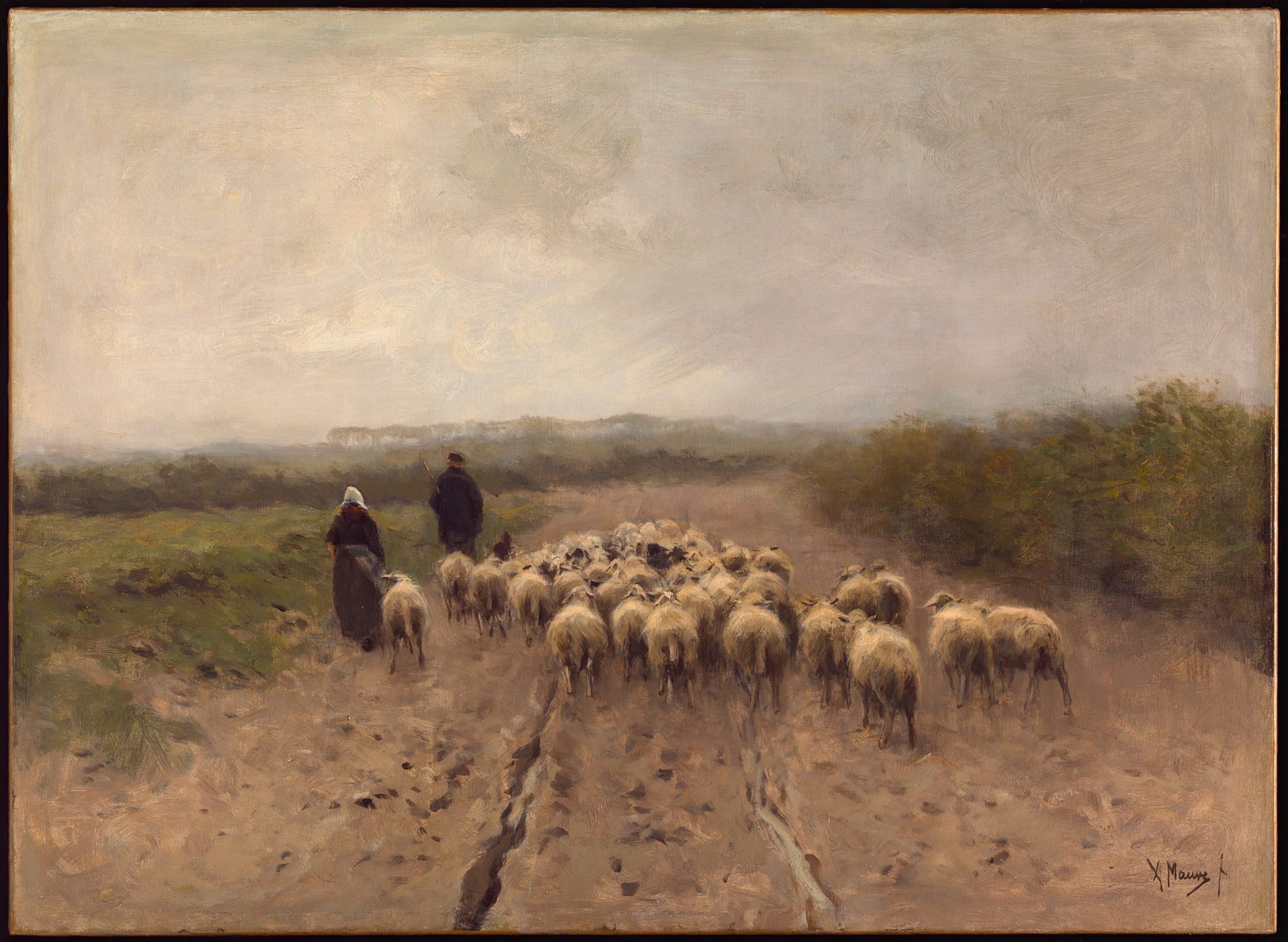
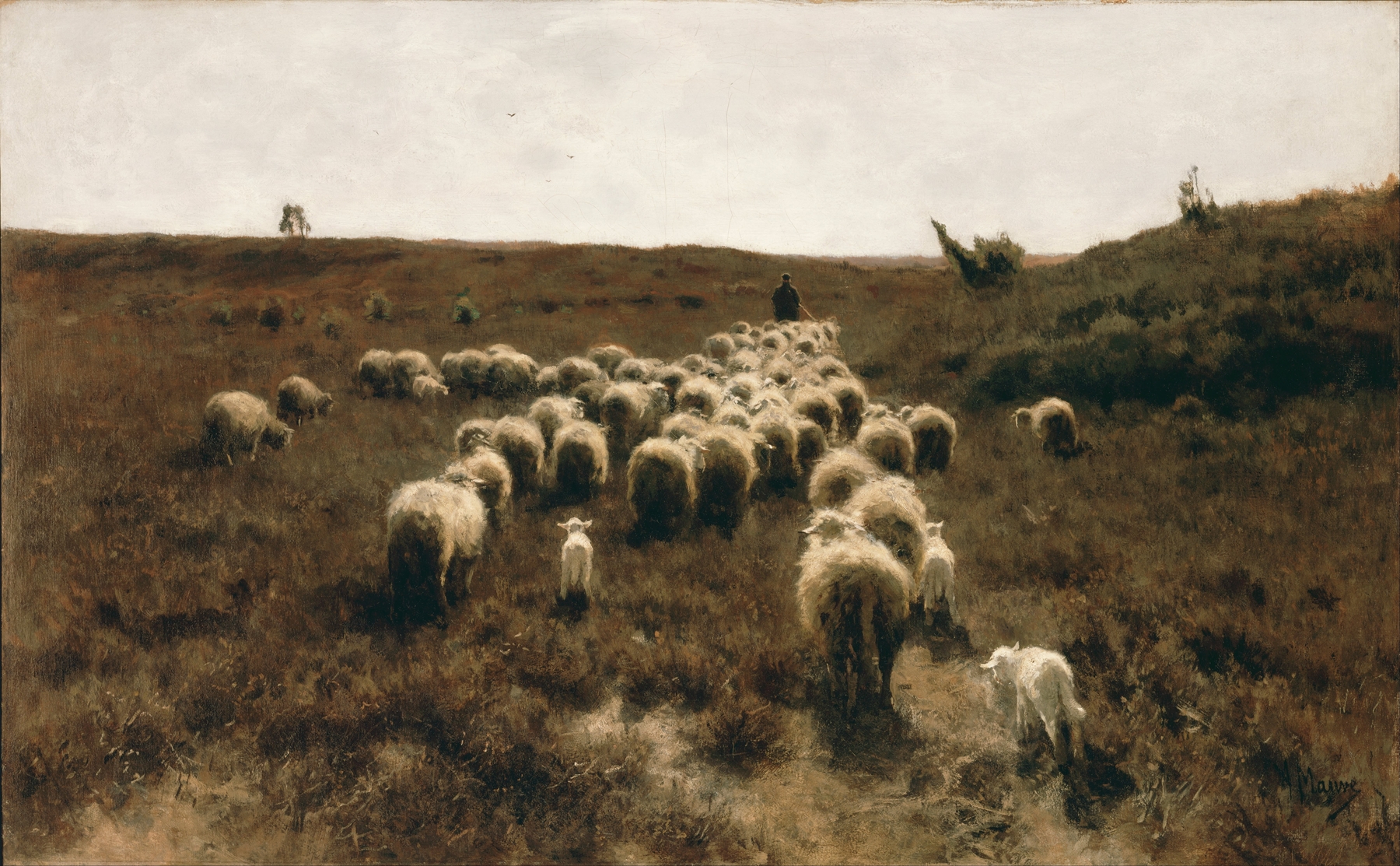
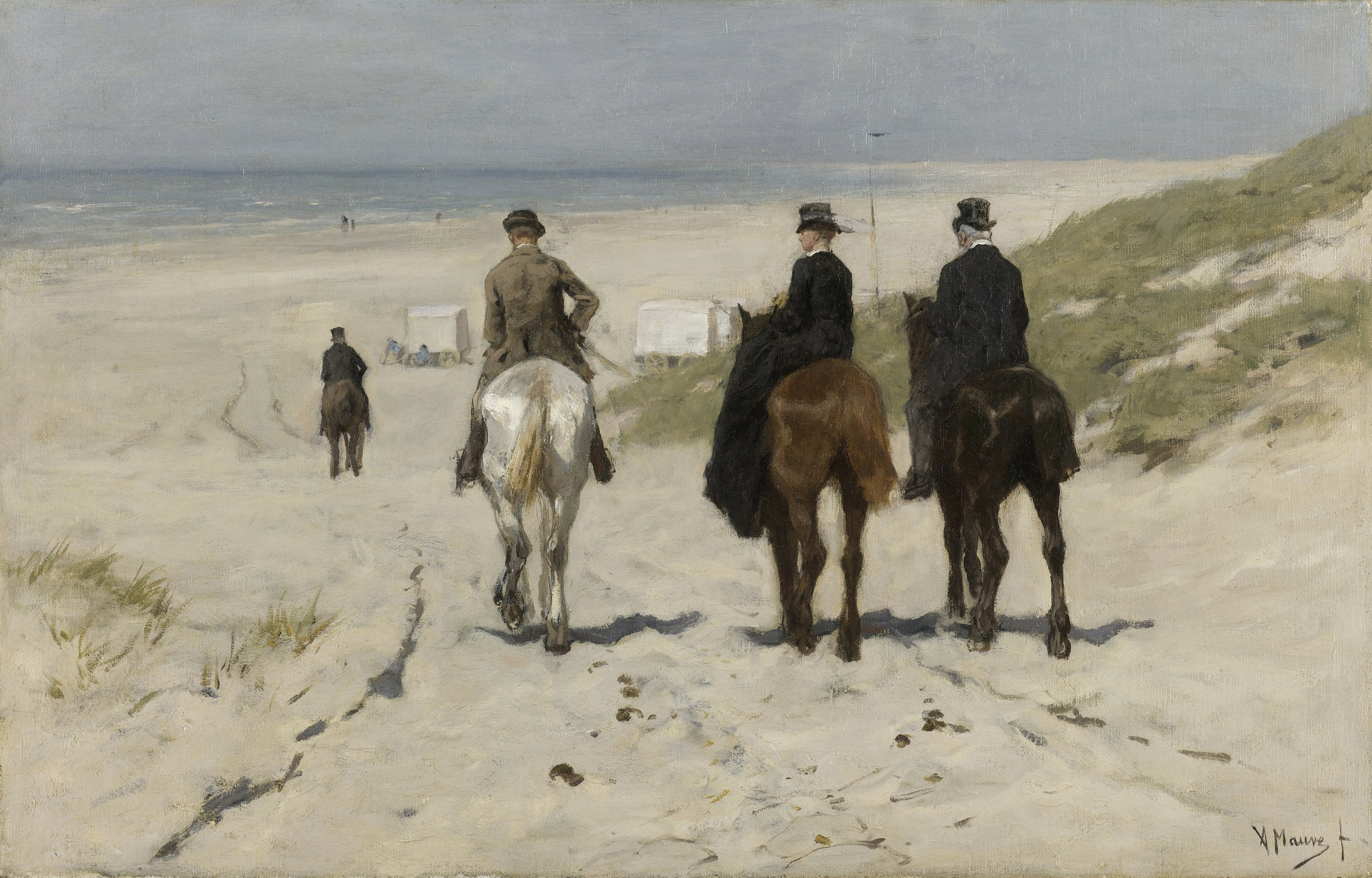
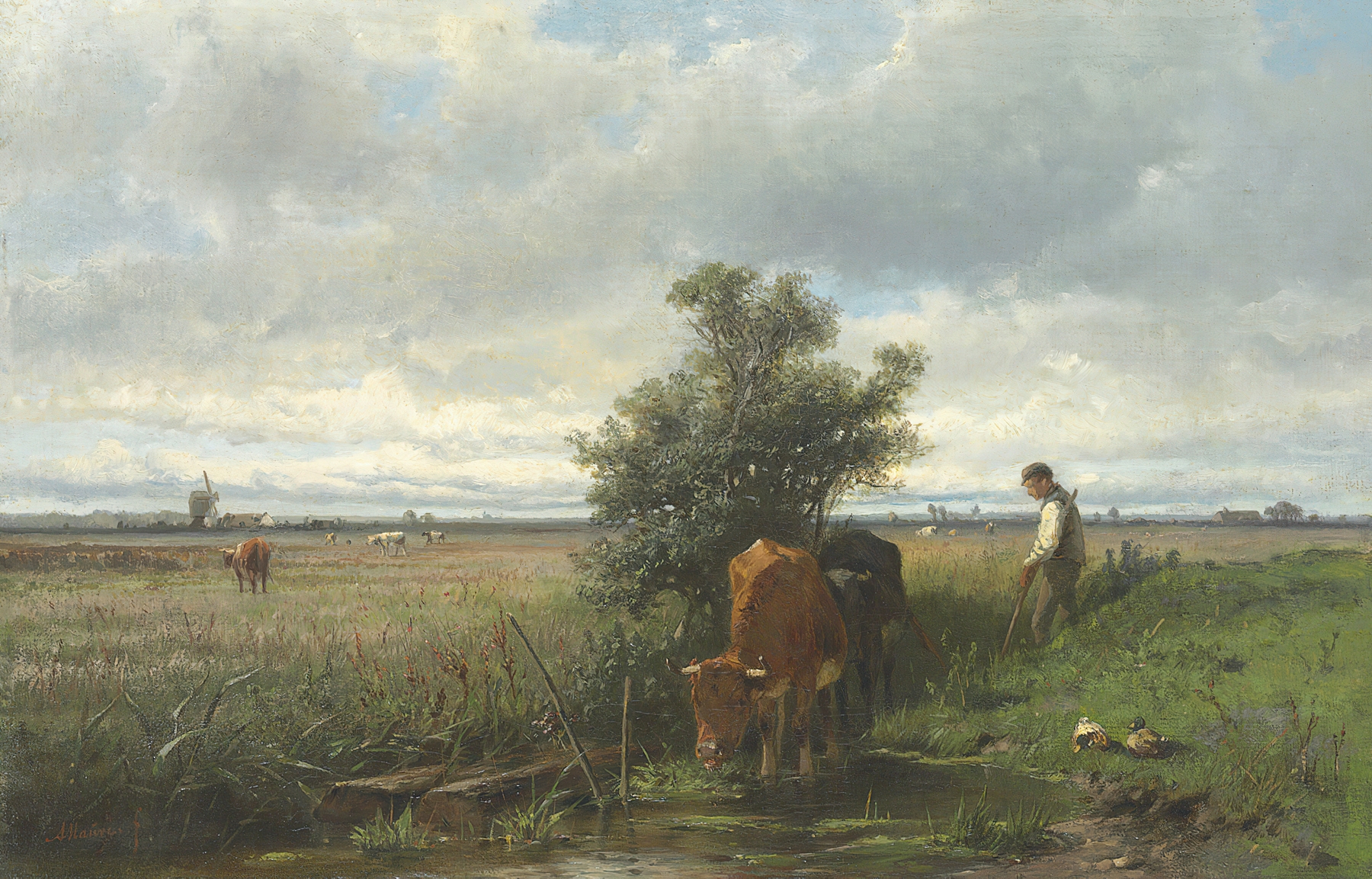
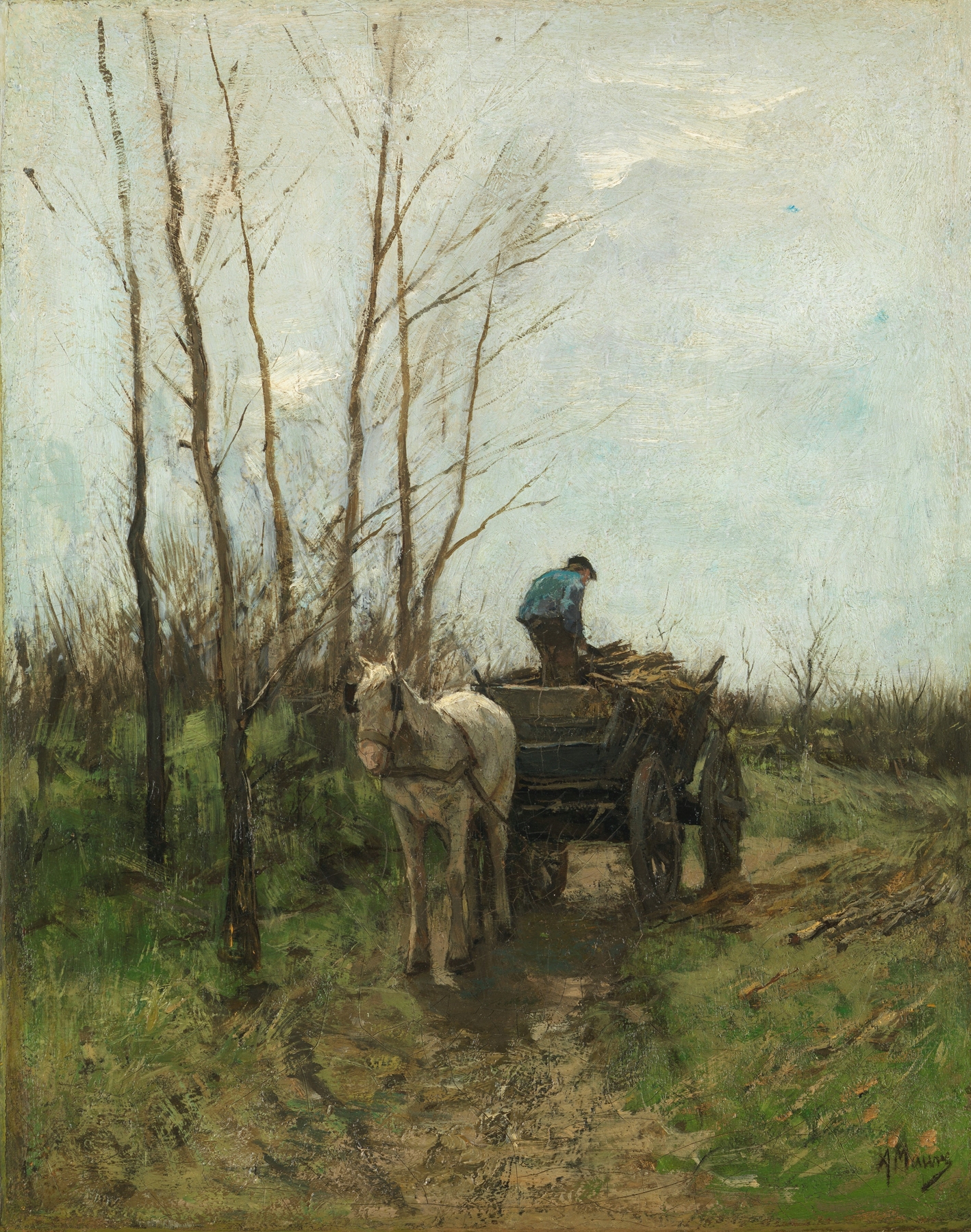
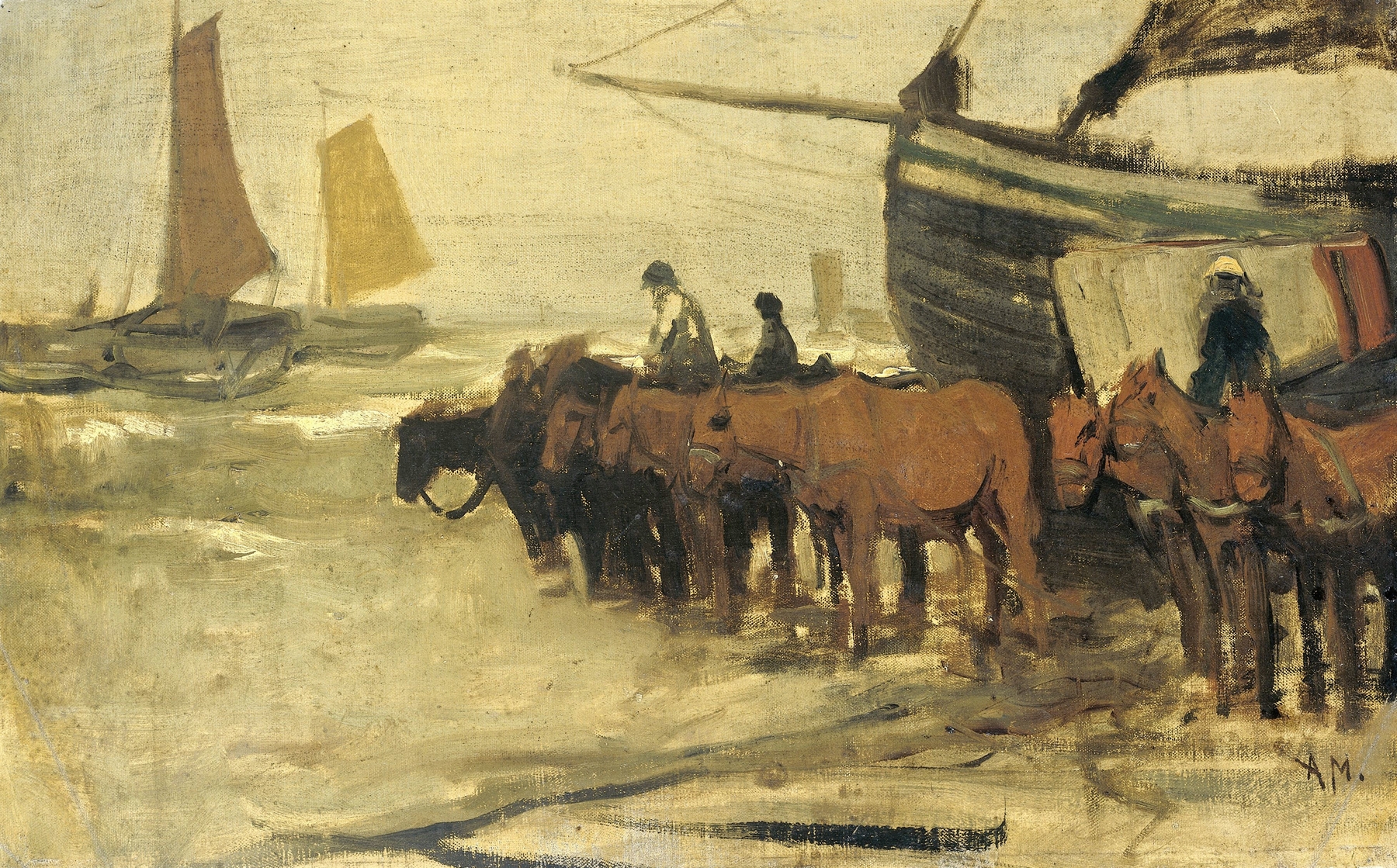
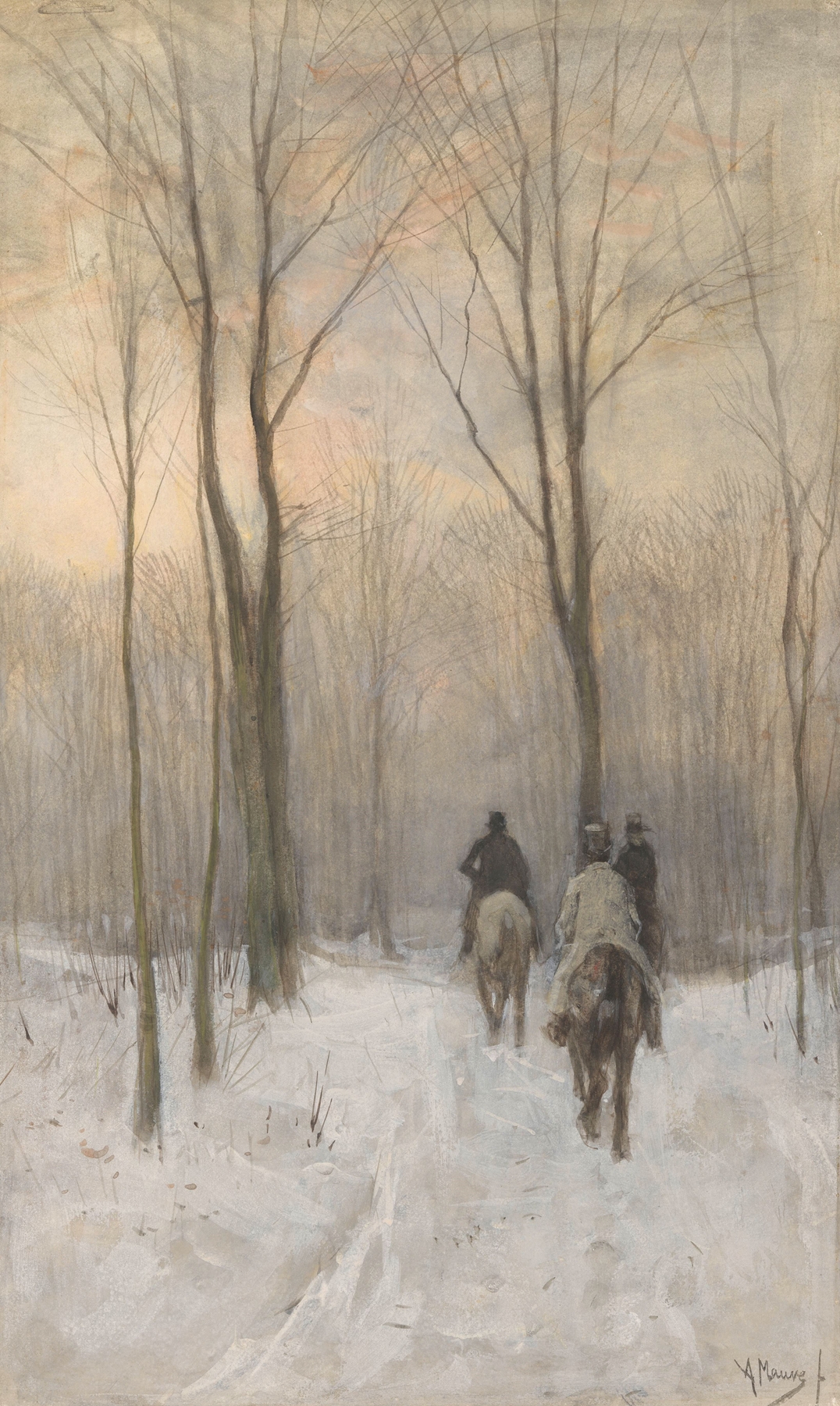
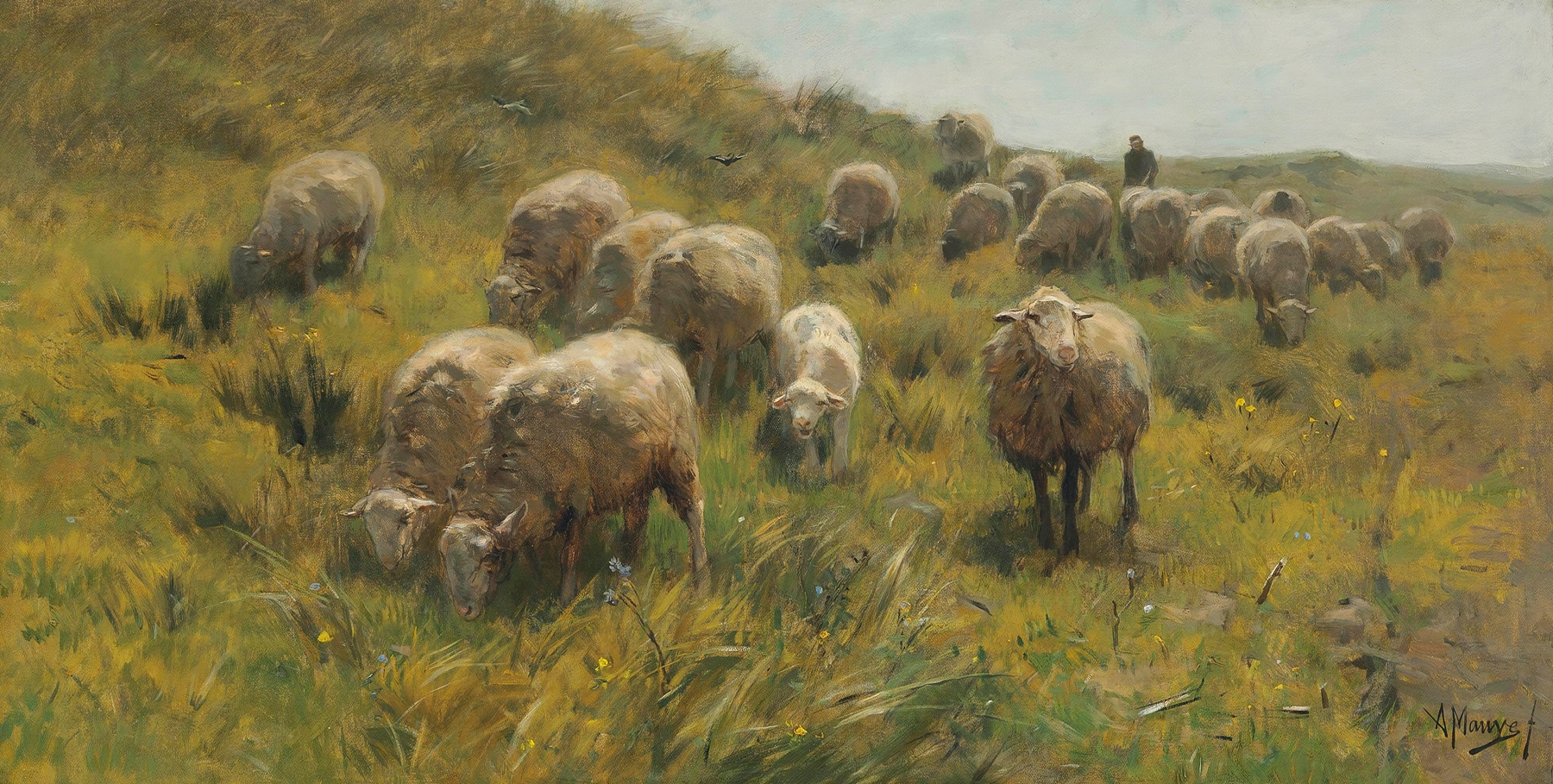
Could a single brushstroke hold eternity? In the vast expanse of the dunes, the delicate interplay of light and shadow reveals an obsession that transcends time, whispering secrets that echo through every grain of sand. To appreciate this work, look to the horizon where the dunes rise and fall like the breath of the earth itself. Notice how the soft, muted palette envelops the scene, creating a dreamlike atmosphere that draws you in.
The gentle curves of the sand are defined by Mauve's meticulous brushwork, inviting your eye to wander across the undulating landscape. Every stroke seems intentional, capturing the fleeting quality of light as it dances across the hills, illuminating the contours with a warm golden hue. In those seemingly simple dunes, there lies a poignant contrast between permanence and transience. The vastness of the scene speaks to the boundless nature of human longing, while the ephemeral light hints at our own fleeting moments.
Each shadow and highlight conveys a deeper emotional tension, reflecting the artist's obsession with the beauty and mystery of the world around him, as well as the transient nature of existence itself. During this period, Mauve was deeply immersed in the art of landscape painting, honing his unique style that would later influence generations. Working in the late 19th century, he found inspiration in the Dutch countryside, a time when Impressionism began to redefine the boundaries of artistic expression. His exploration of light and atmosphere in On The Dunes reflects not only his personal journey but also the broader shifts in the art world, as painters sought to capture the essence of their surroundings in new and evocative ways.