On the Road — History & Analysis
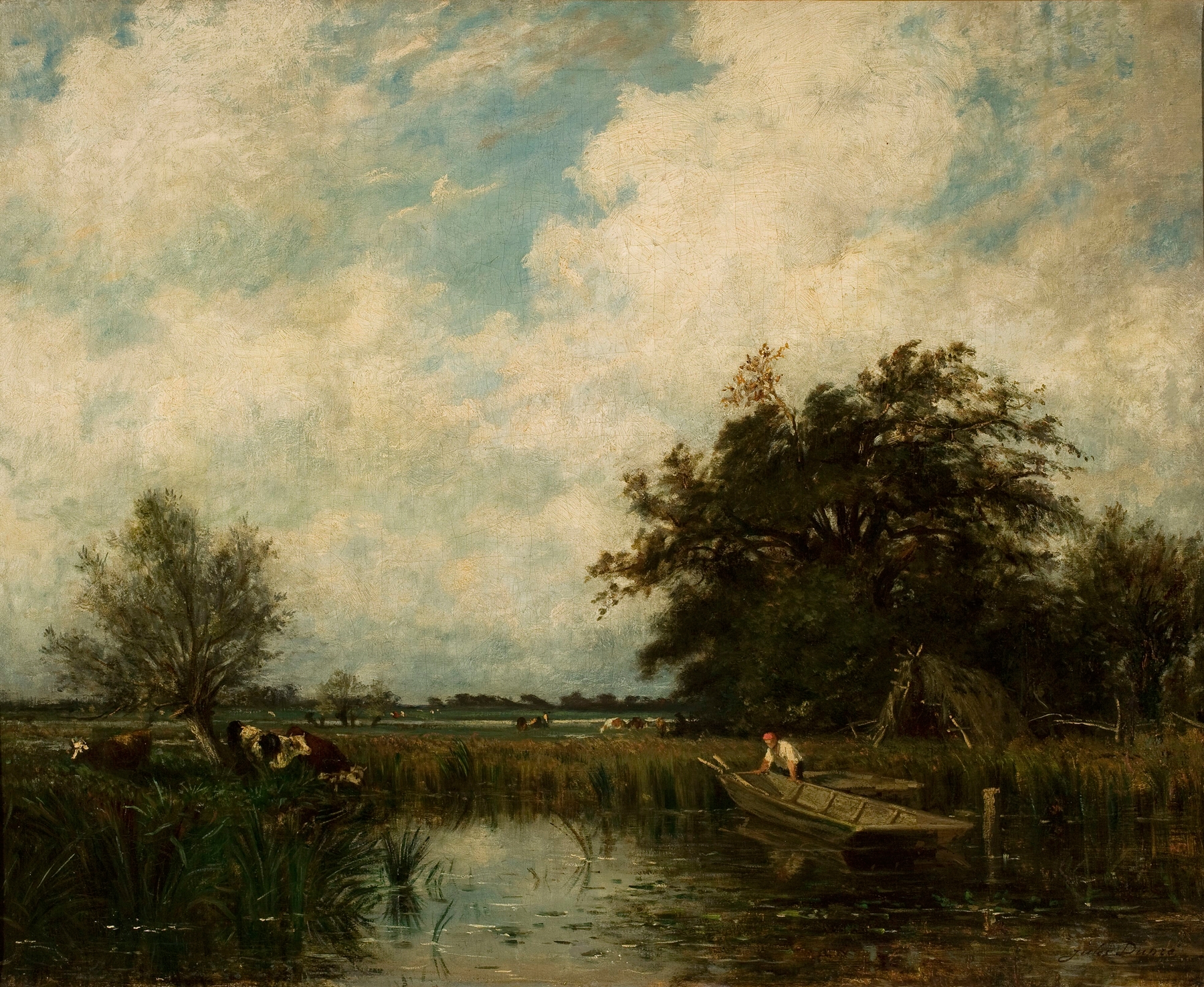
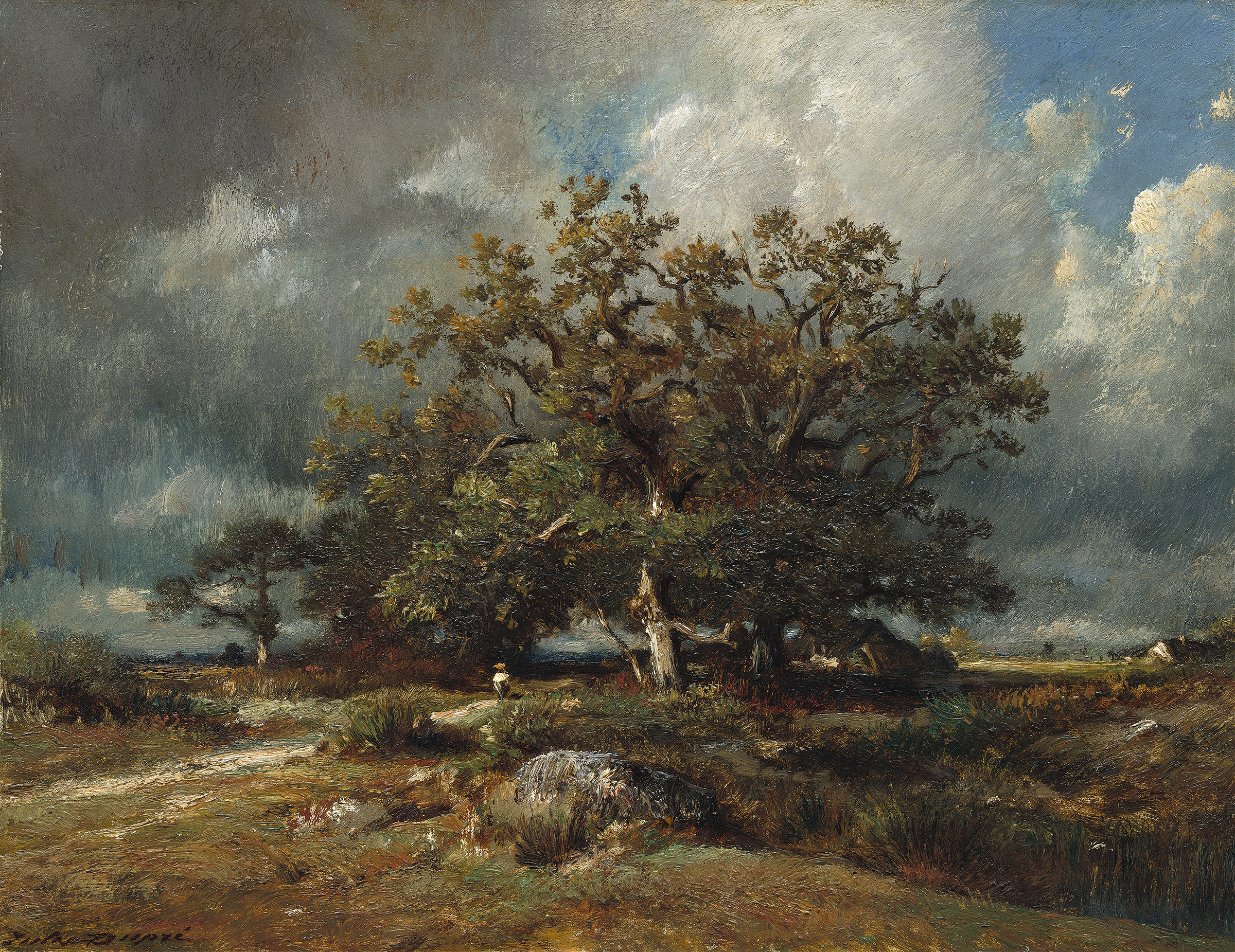
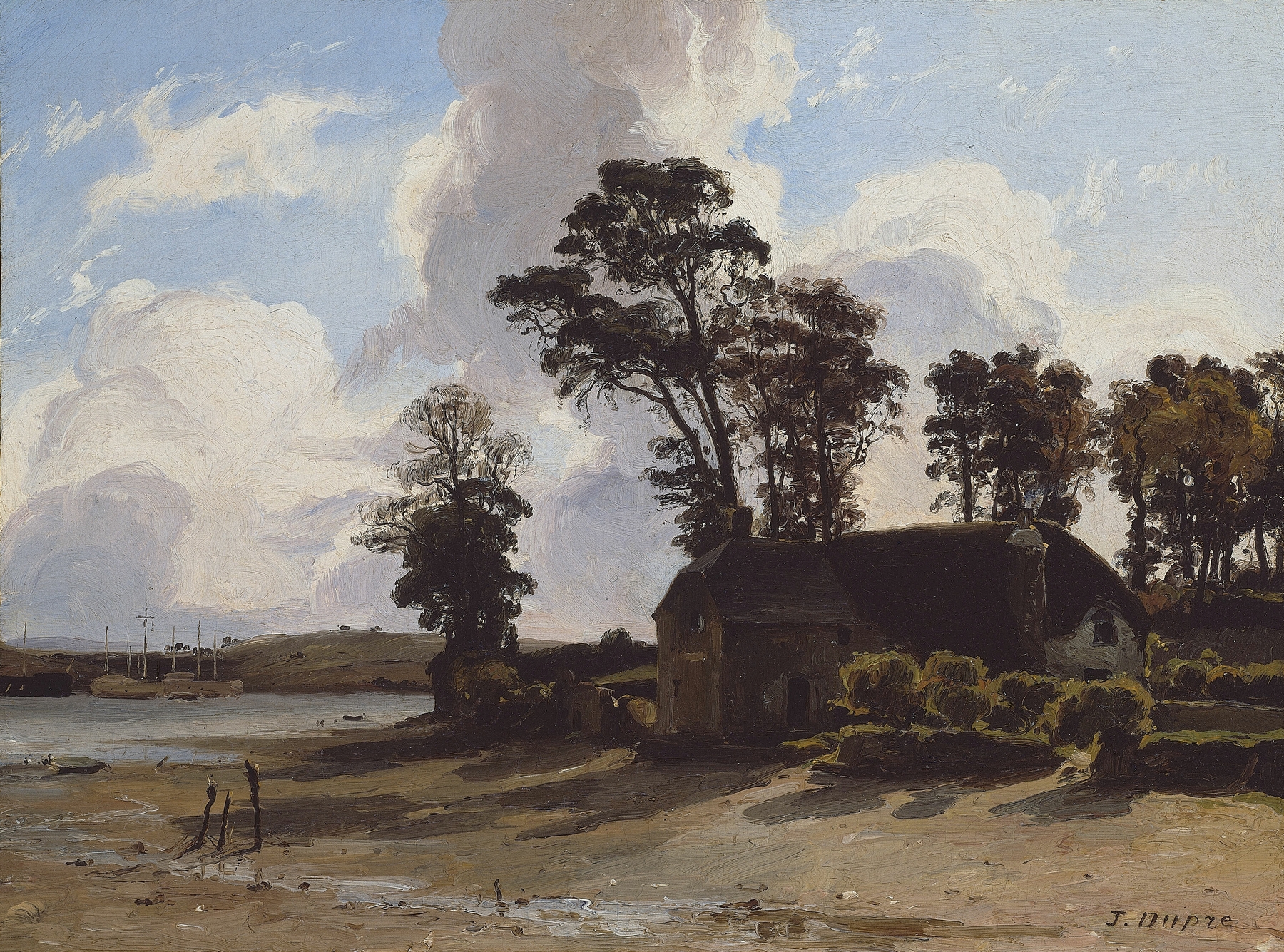
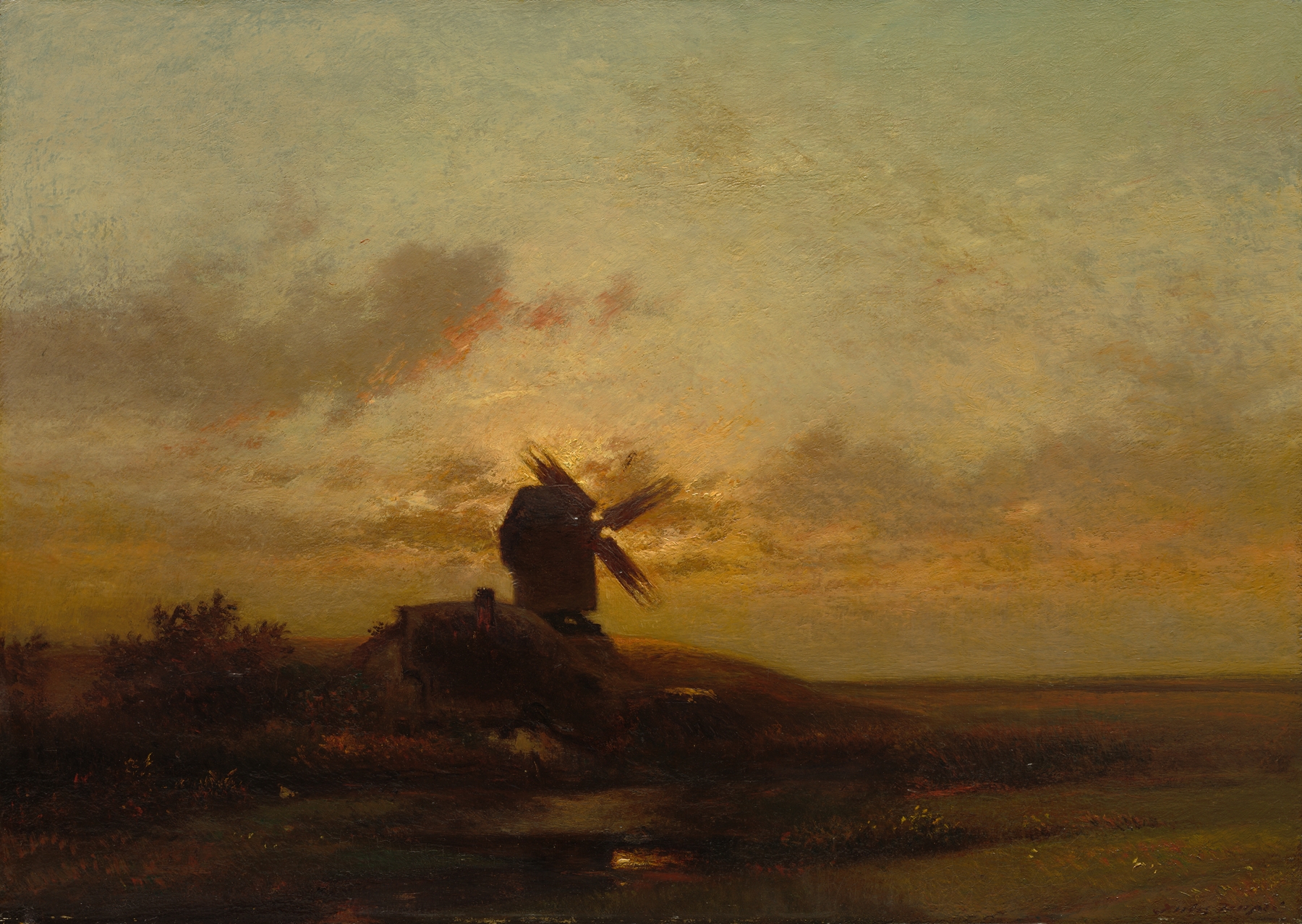
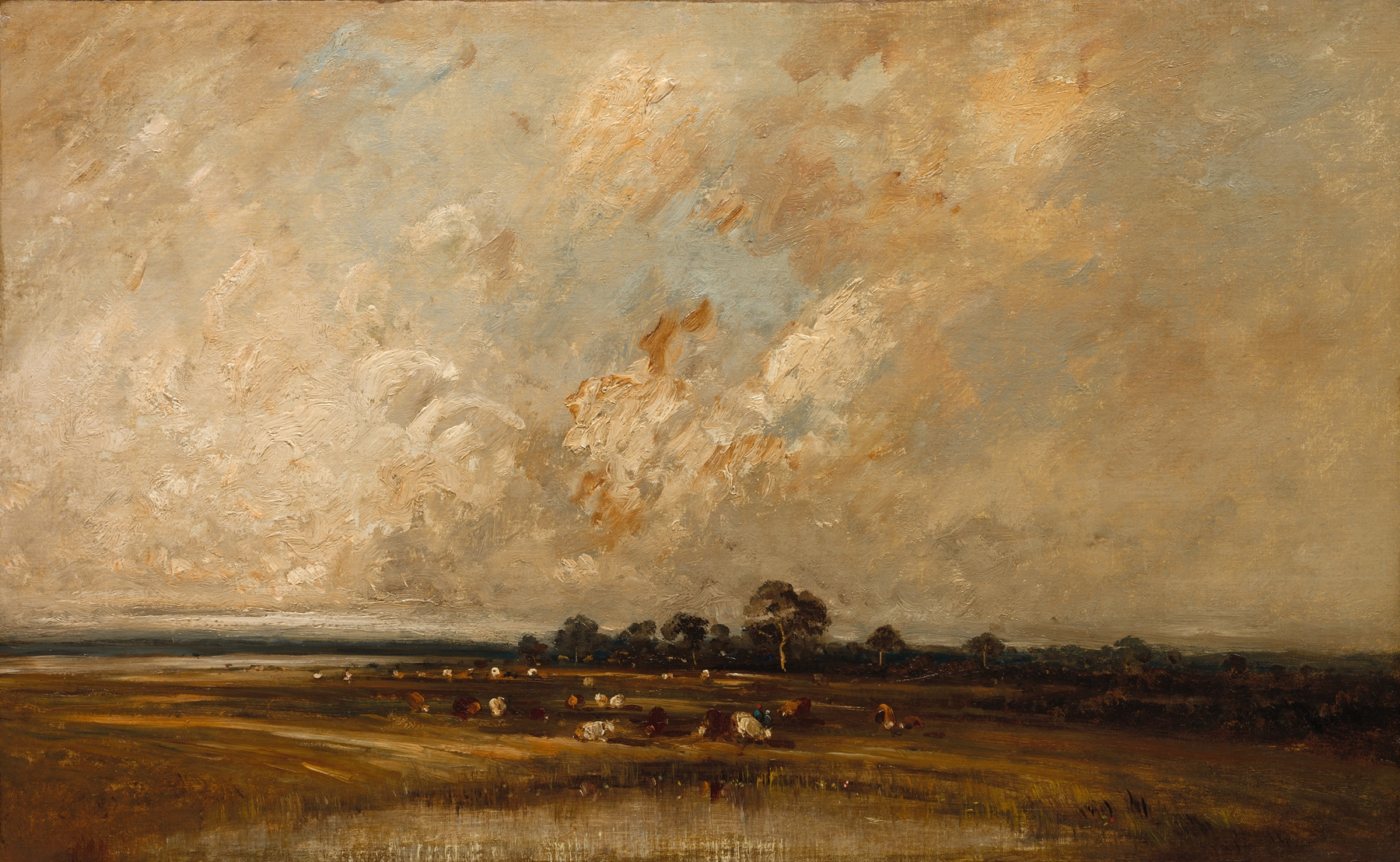
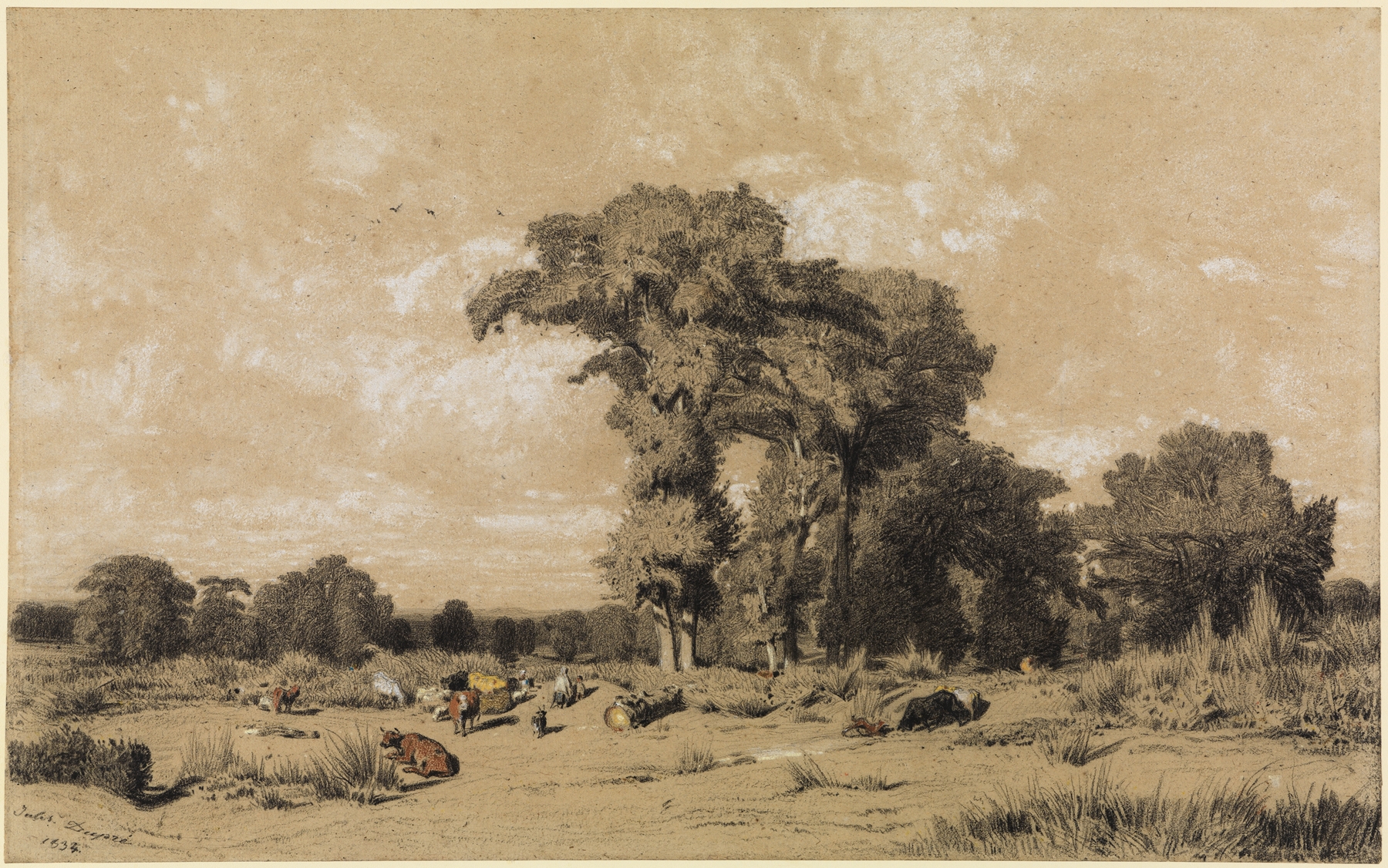
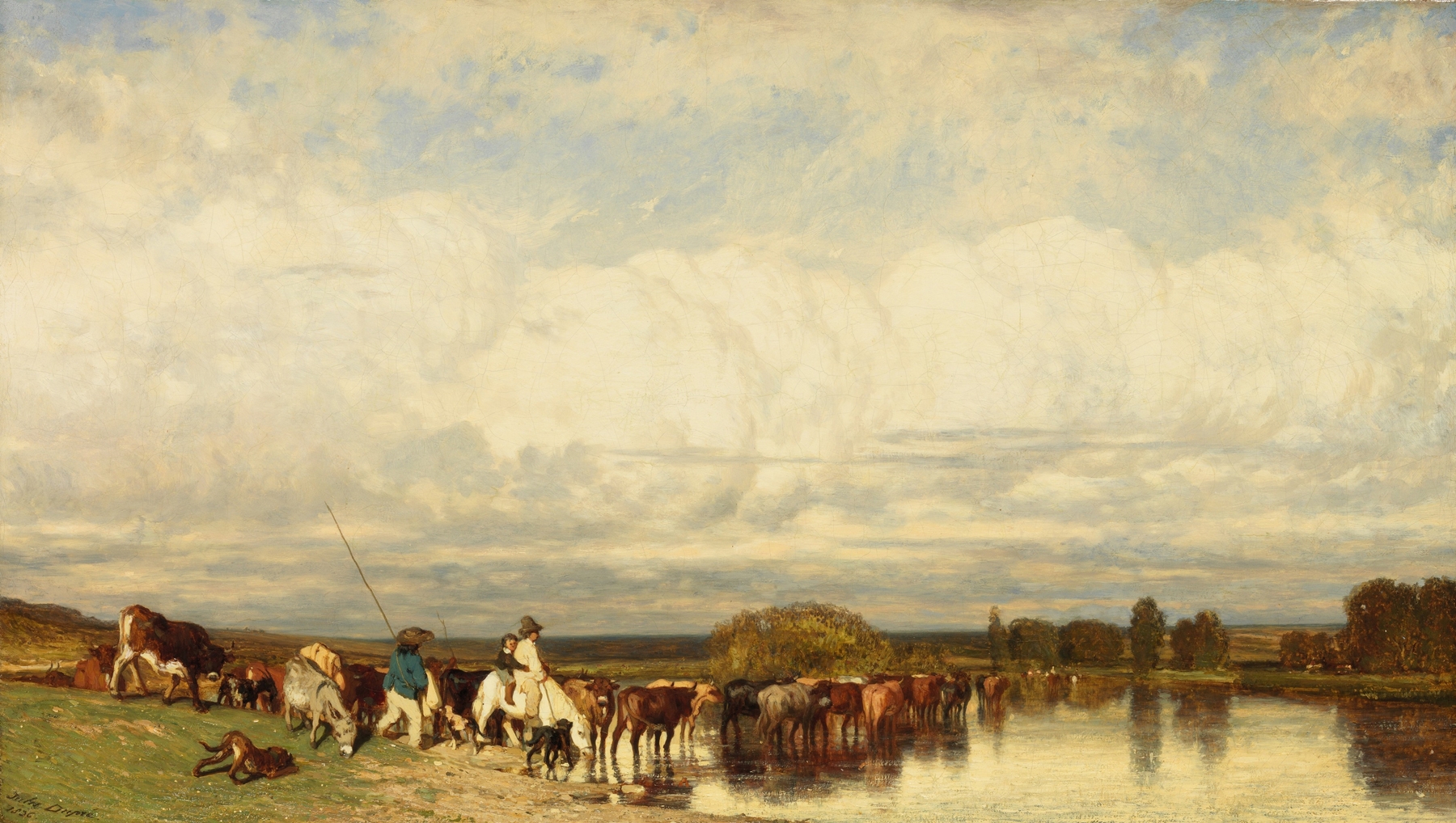
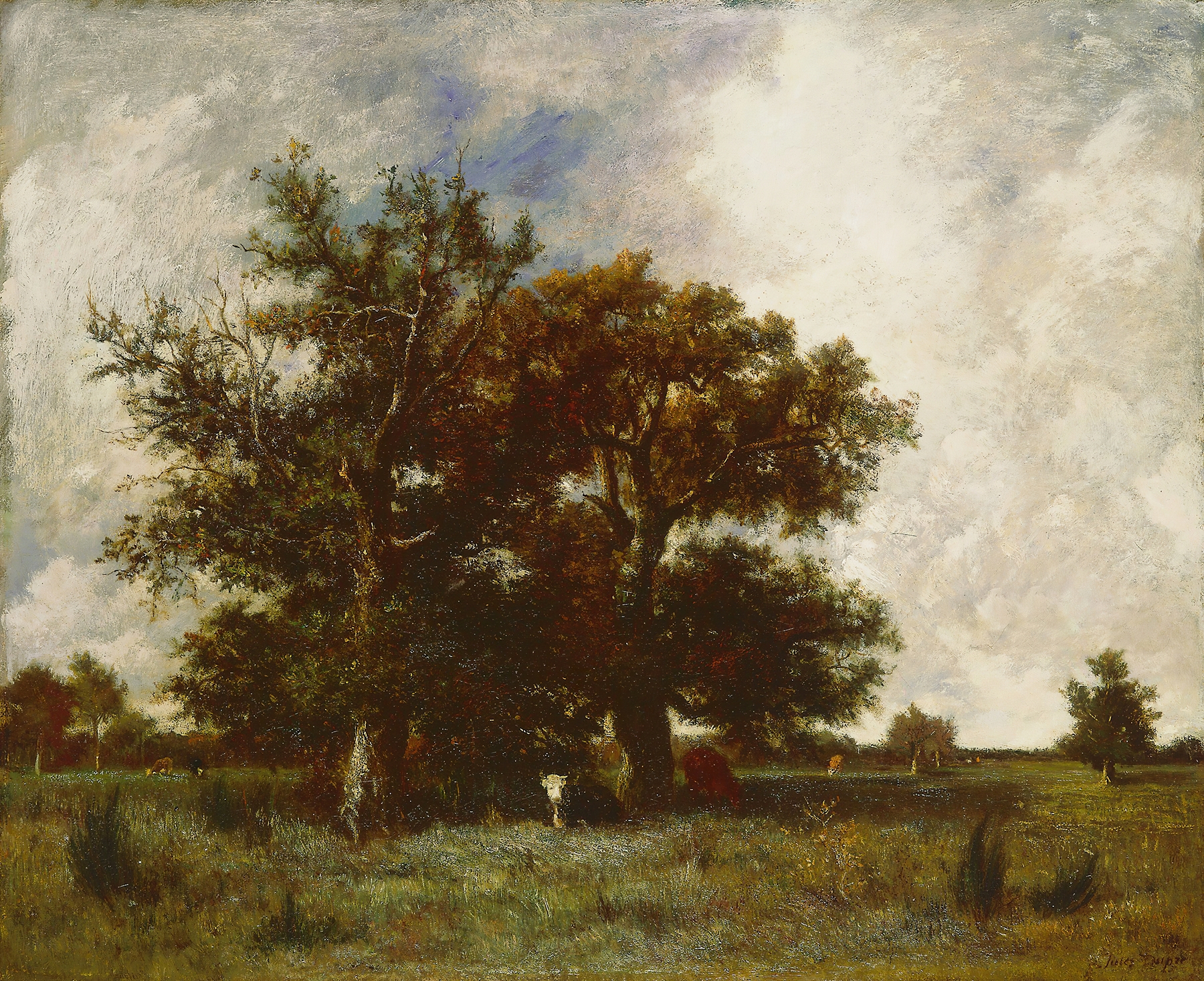
“Under the brush, chaos becomes grace.” What emerges from the tumult of nature when we confront our losses? Look to the horizon where the road stretches into a soft embrace of twilight, a path painted in muted tones of earth and sky. Notice how the light interacts with the trees, casting long shadows that seem to whisper secrets of those who have walked this way before. The gentle brushstrokes create a sense of movement, inviting the viewer to journey along this quiet, yet evocative, thoroughfare.
The palette—comprised of deep greens, warm browns, and a hint of dusky rose—conveys a melancholic beauty, balancing the serene with the poignant. Beneath the surface, the composition reflects an emotional tension between solitude and connection. The winding road suggests movement towards a destination that is both known and unknown, symbolizing the bittersweet nature of journeying through grief. The trees, standing sentinel along the way, embody a sense of loss and memory, as if they are guardians of stories waiting to be told.
Each element in the painting holds a fragment of emotion, inviting the viewer to contemplate their own experiences of longing and remembrance. In 1856, the artist created this piece during a period marked by personal introspection and the burgeoning Romantic movement in France. Dupré, who sought to convey the sublime qualities of nature, was influenced by the changing landscapes around him, which mirrored the evolving emotions of the time. The art world, grappling with themes of mortality and existence, found in his work a connection to the transient beauty of life, encapsulated in the quiet yet powerful scene before us.