One of Six Views of Atsugi — History & Analysis
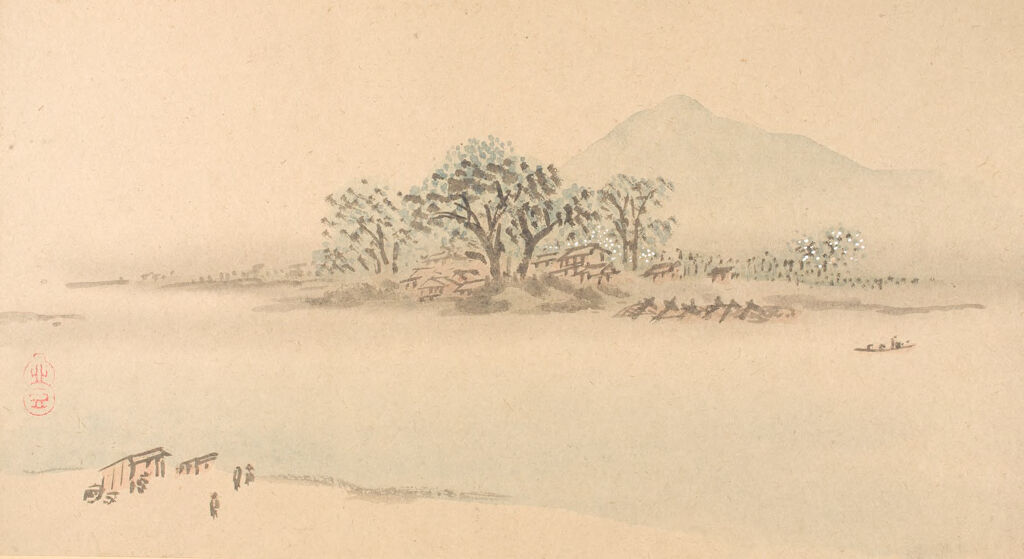
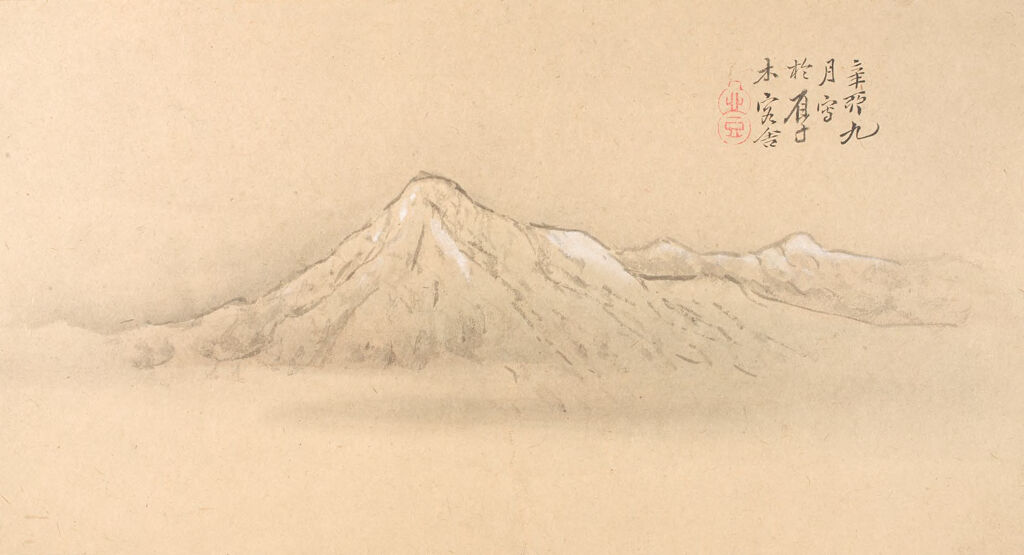
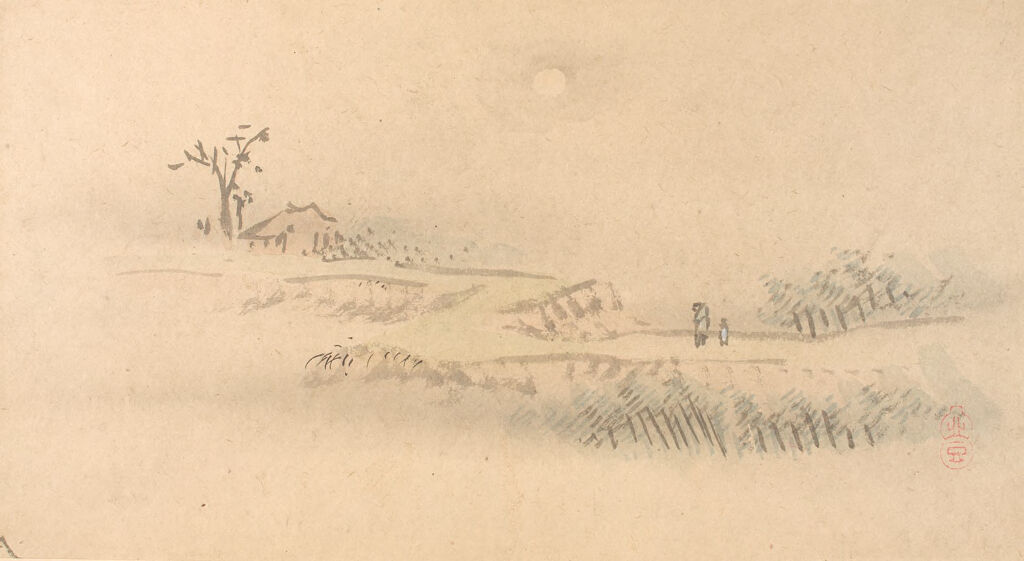
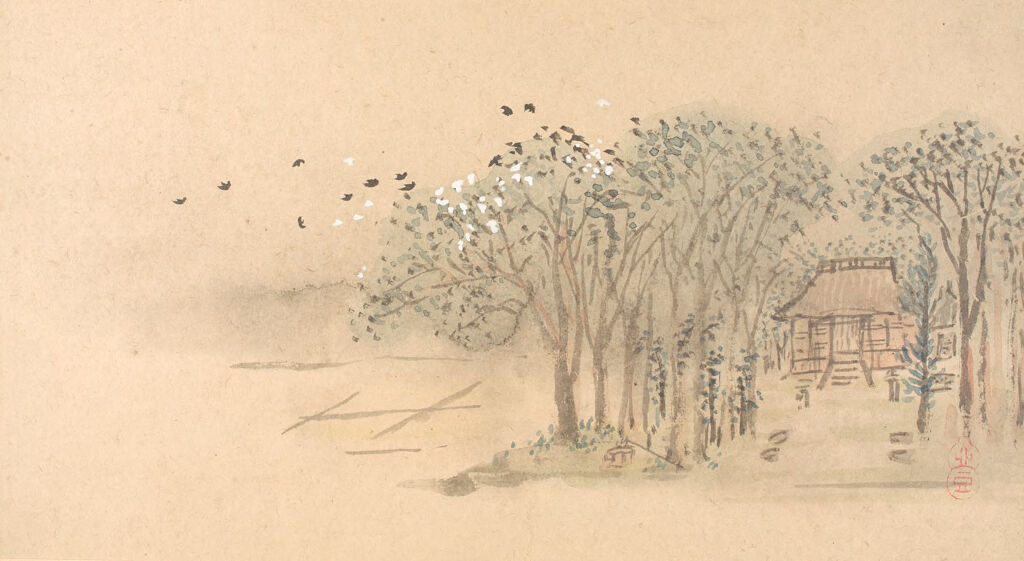
When did color learn to lie? In the world of art, such inquiries unravel the delicate interplay between perception and reality, beckoning us to question what we truly see. Look to the mountains in the background, soft and ethereal, as they rise in gentle shades of blue and grey. The artist’s meticulous brushwork creates a hazy atmosphere, blurring the line between the earthly and the spiritual. The foreground, punctuated by the vivid greens of lush vegetation and the vibrant colors of flowers, invites the viewer to traverse this tranquil landscape.
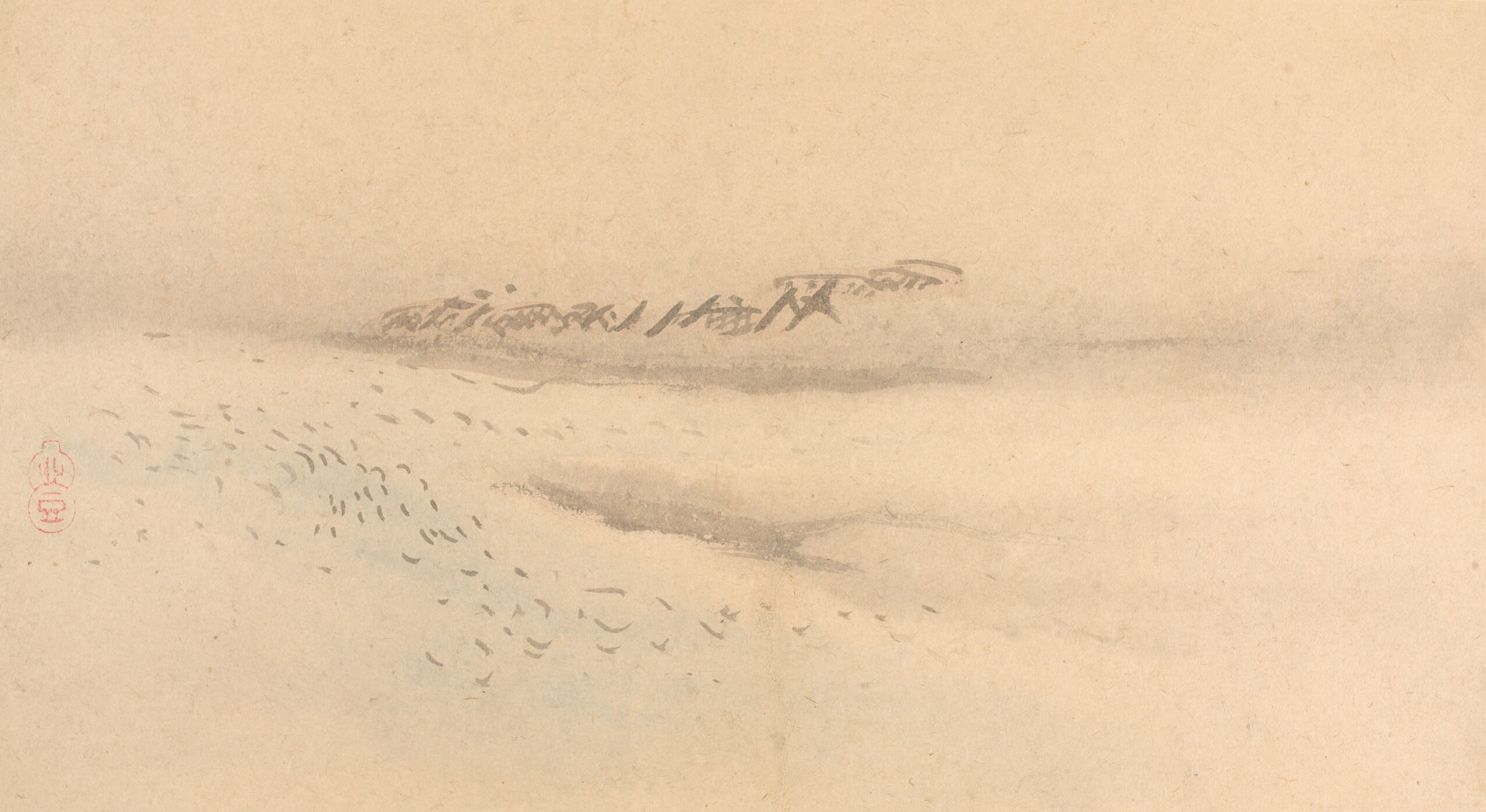
Notice how the play of light dances across the scene, shifting between shadow and illumination, guiding our gaze deeper into the world depicted. Yet, within this serene view lies a tension between the natural and the constructed. The illusion of depth, achieved through careful layering of colors, conjures a realm that exists both in the mind and the eye. The juxtaposition of the detailed flora against the abstracted mountains suggests that beauty can simultaneously exist in clarity and ambiguity.
Each stroke teeters on the edge of reality, prompting contemplation about what lies beneath the surface of perception. Watanabe Kazan painted this piece in 1831 during his time in Edo, a period marked by a flourishing interest in landscape art and the exploration of new techniques in ukiyo-e. This work reflects his desire to blend traditional methods with the emerging influence of Western techniques, echoing a time when Japan was grappling with cultural shifts and artistic exchange. Kazan's meticulous attention to detail speaks to his commitment to both tradition and innovation in a rapidly changing world.