Six Views of Atsugi — History & Analysis
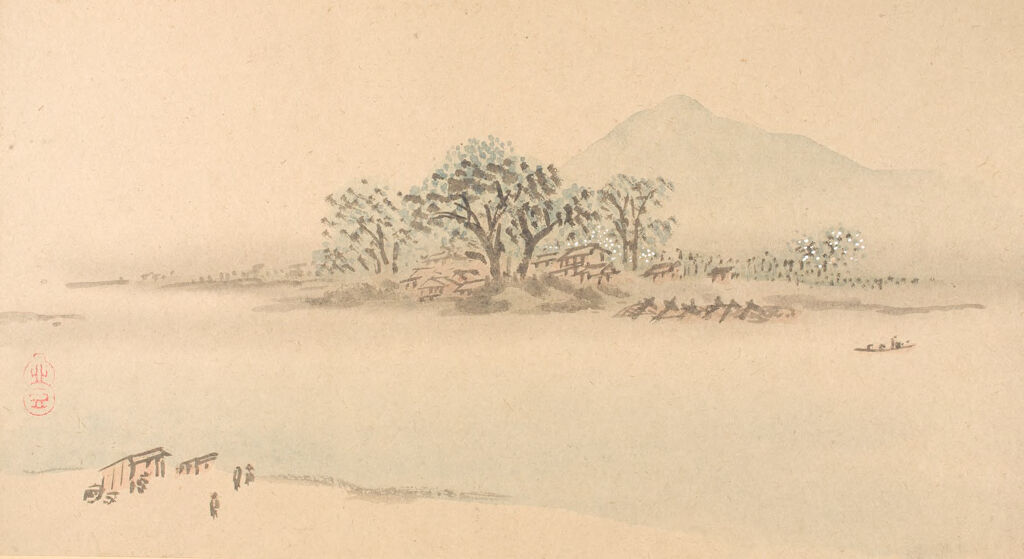
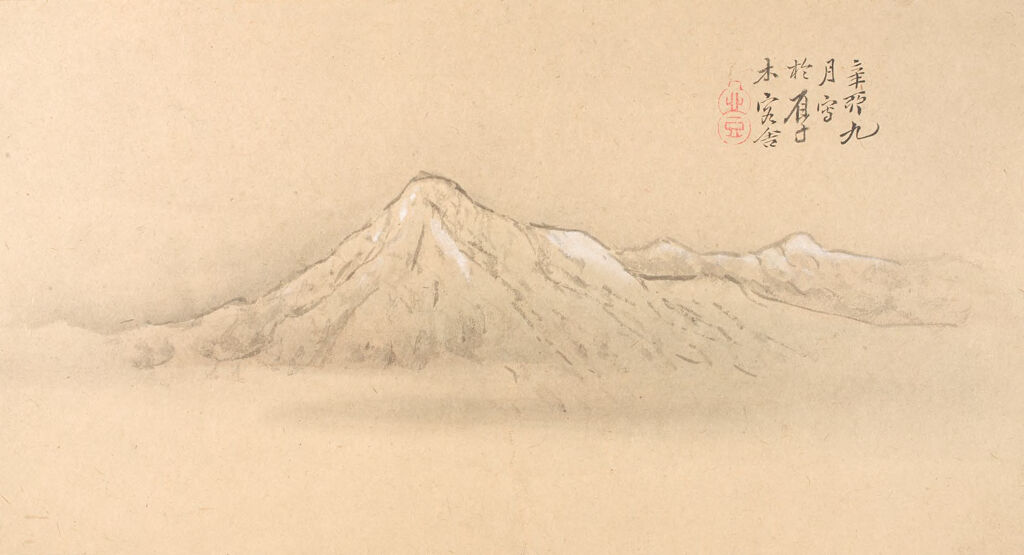
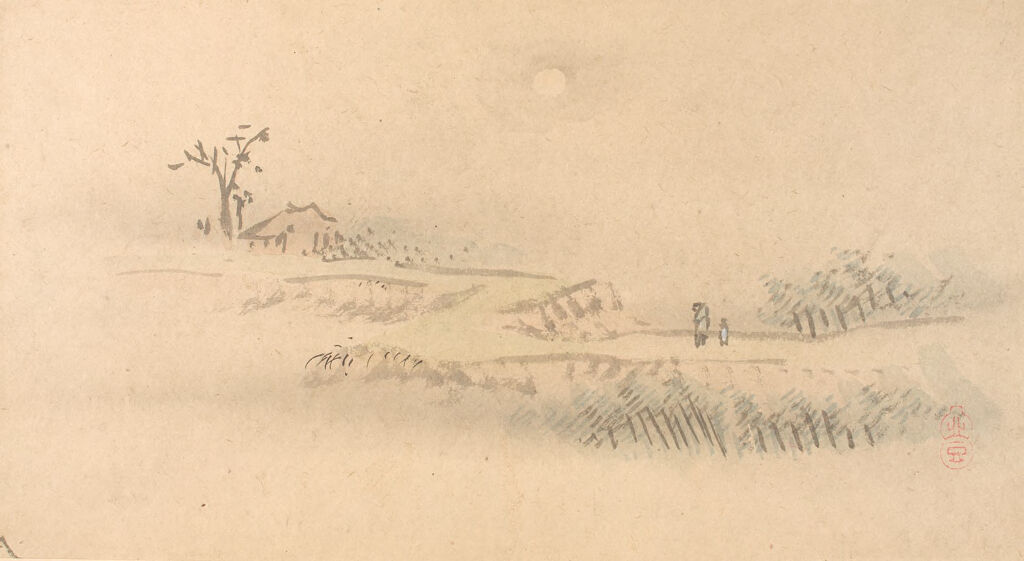
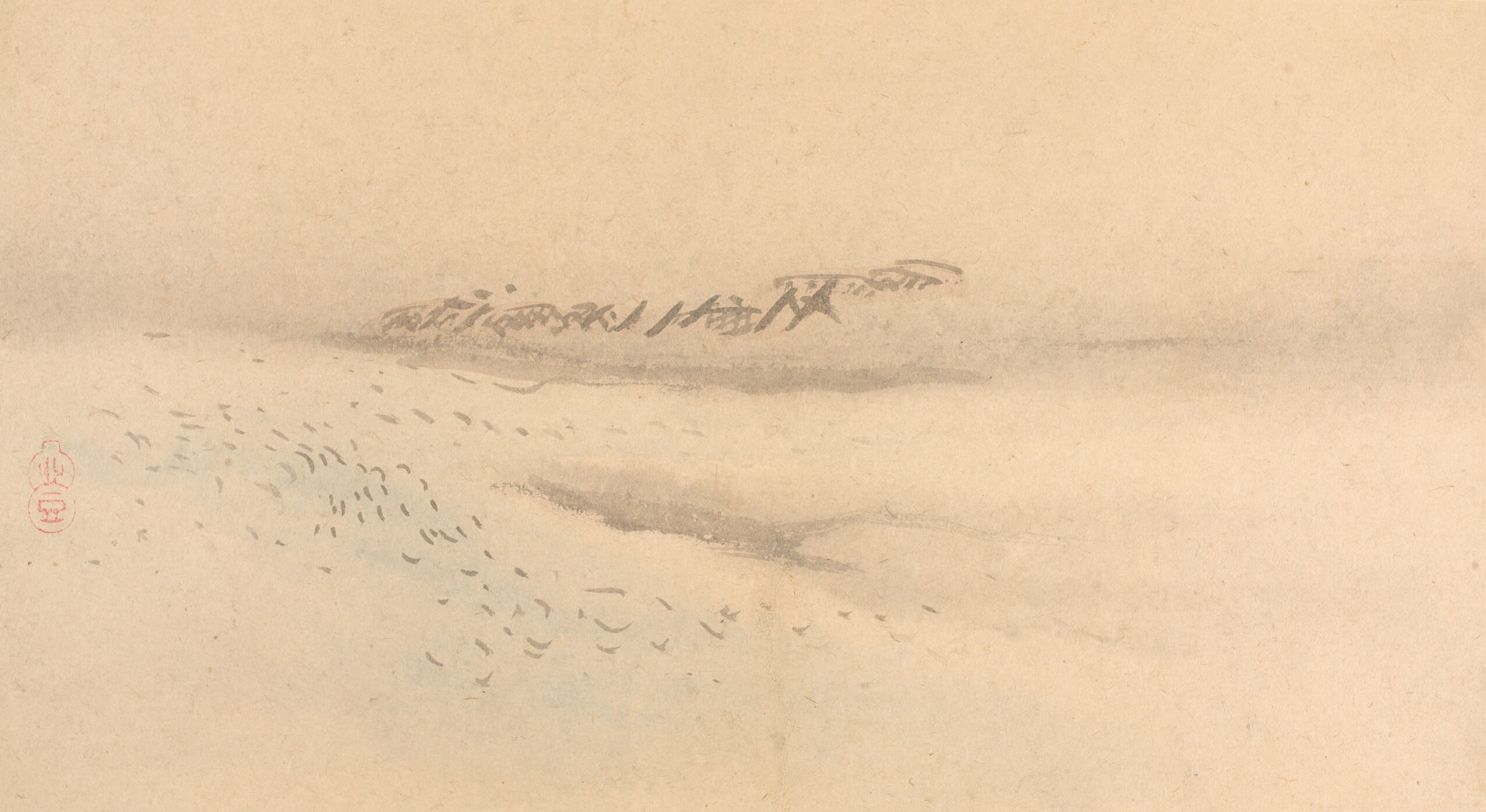
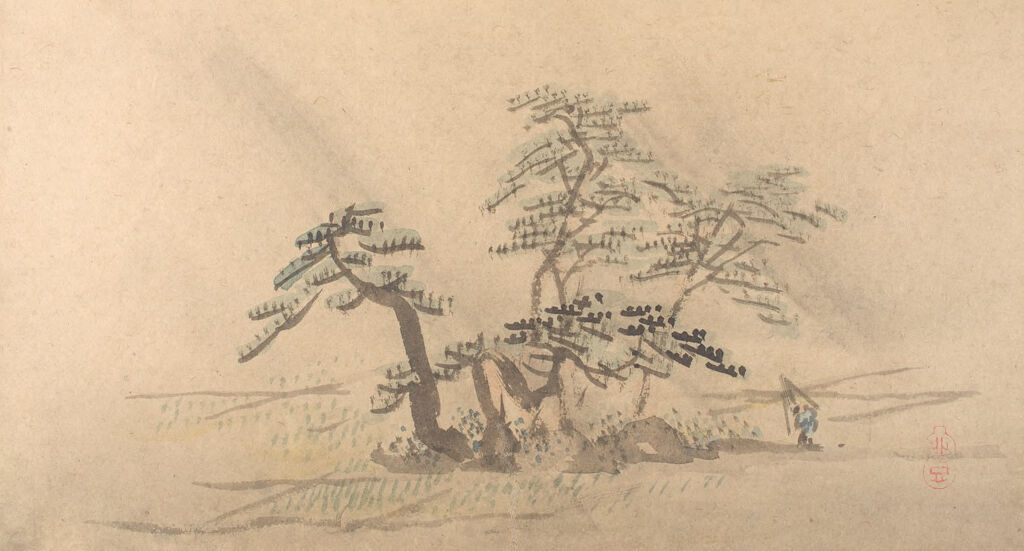
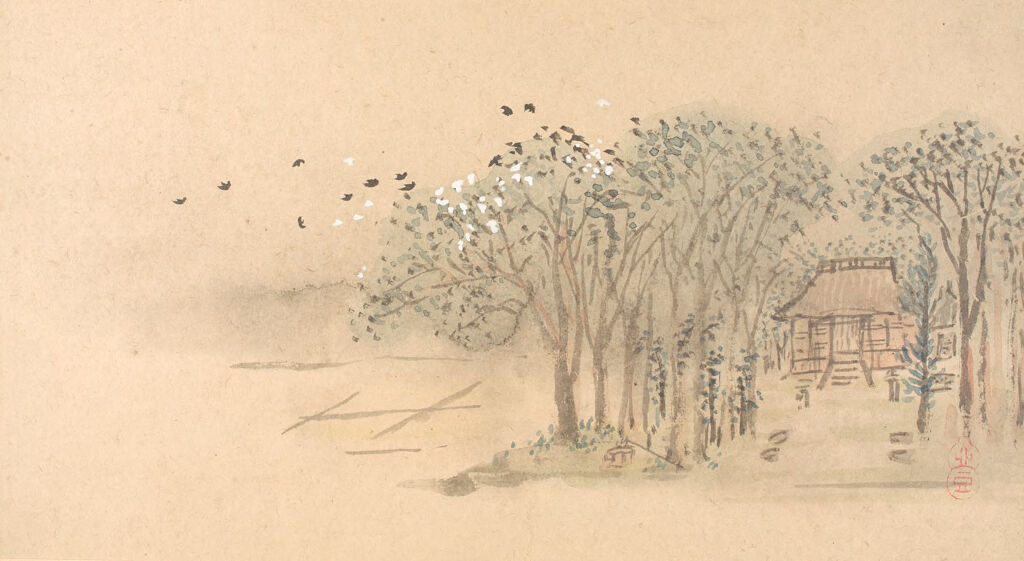
When did color learn to lie? In Six Views of Atsugi, the vibrant hues mask an unsettling reality, inviting the viewer to confront the delicate balance between beauty and violence. Look closely at the intricate landscapes; your gaze should first be drawn to the lush greens of the foliage framing the serene views. The vibrant palette juxtaposes the stillness of nature with an undertone of unease — the colors pulse with life yet hint at a darker narrative.
Each panel unfolds like a series of snapshots, capturing different perspectives of Atsugi, yet a sense of impending turmoil lurks beneath the surface. The emotional tension becomes palpable when considering the historical context of 1831, a period of profound change in Japan. Each view not only reflects the beauty of the surroundings but also alludes to the societal upheaval of the time, suggesting that the tranquility portrayed may be deceptive. The splendid scenery contrasts with the faint echoes of conflict, challenging the viewer to ponder what lies hidden beneath the landscape's charm.
Watanabe Kazan created Six Views of Atsugi during a time when Japan was grappling with the pressures of modernization and exterior influences. Living in a transitional era, Kazan was deeply immersed in the artistic movements that sought to reconcile traditional values with new ideas. His work reflects both an appreciation for the beauty of nature and an acute awareness of the societal shifts that threatened its harmony.