One of Six Views of Atsugi — History & Analysis
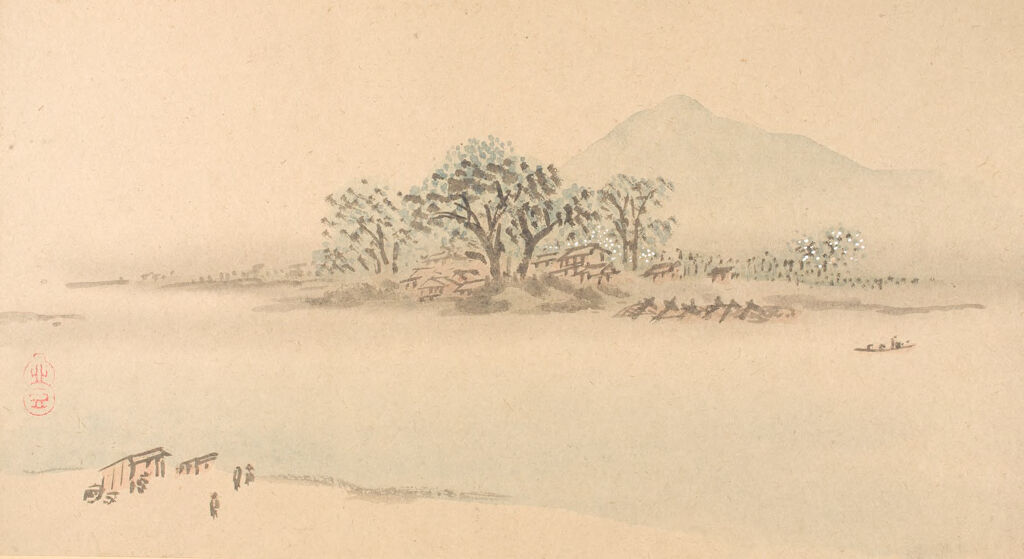
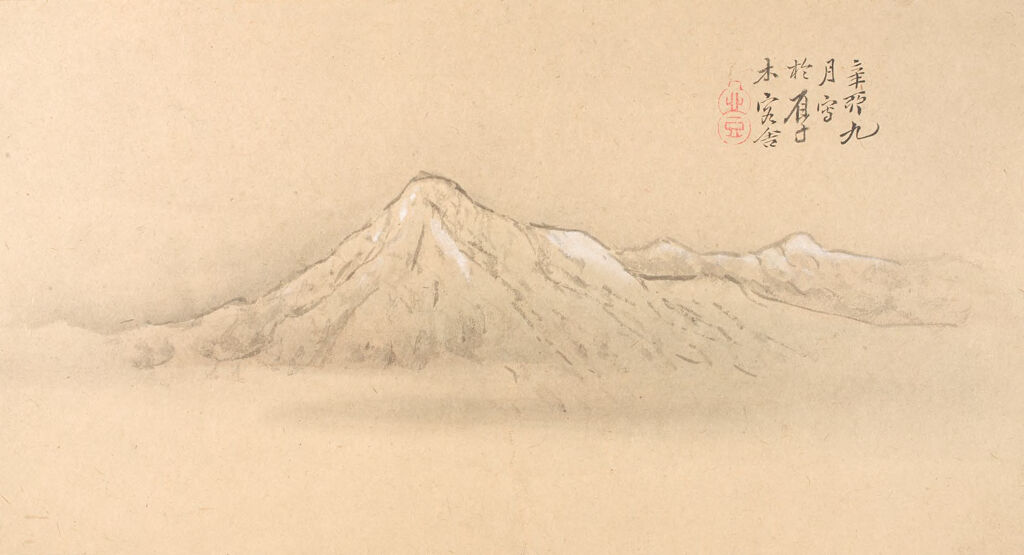
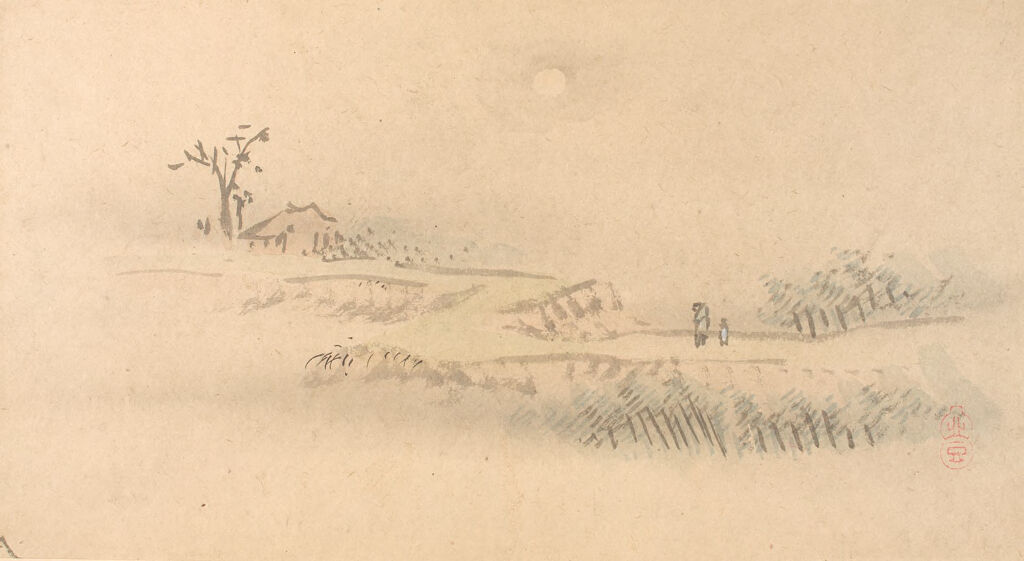
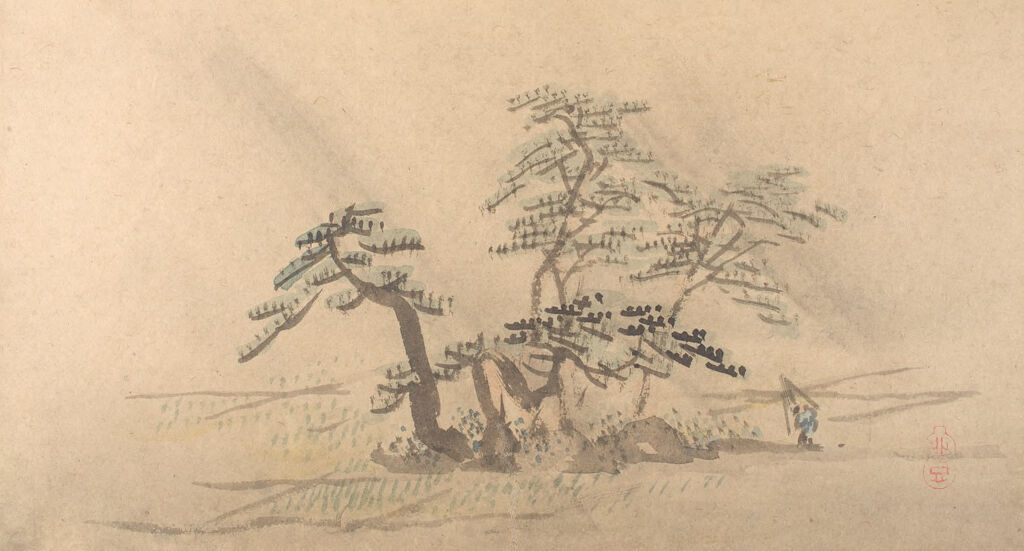
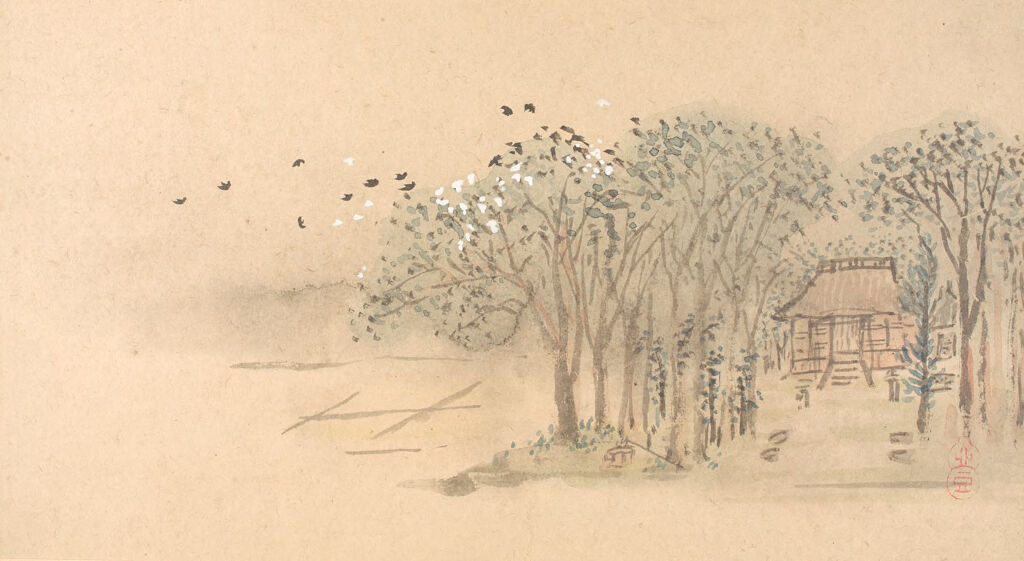
What secret hides in the quiet of the canvas? A stillness envelops the landscape, whispering of desires unfulfilled and dreams yet to unfurl. Look to the soft contours of the mountains in the background, where muted greens and blues blend into a delicate harmony. Notice how the horizon stretches wide, cradling the sky's gentle pastel hues at dawn. The foreground beckons with a serene lake, its glassy surface mirroring the tranquility above.
Each brushstroke, meticulously applied, creates an ethereal quality that invites the viewer to linger, to lose themselves in the serene embrace of nature's beauty. Yet, beneath this calm facade lies a tension between the idyllic scenery and the fleeting nature of desire. The contrast between the robust, solid mountains and the ephemeral reflections on the water suggests a yearning for permanence in a world defined by transience. Subtle ripples on the lake's surface hint at unseen disturbances, echoing the artist’s own ambitions and aspirations that pulse just beneath the tranquil exterior.
This landscape serves as a metaphor, not just of physical beauty, but of deeper emotional landscapes and the pursuit of fulfillment. In 1831, as Watanabe Kazan painted One of Six Views of Atsugi, he navigated the complexities of life in Edo Japan, where the tension between tradition and modernity was palpable. A scholar and artist, Kazan's work served as a bridge between the past and the evolving world around him, reflecting both personal aspirations and the broader shifts in society. This painting exemplifies his mastery in capturing the essence of the Japanese landscape while subtly addressing the inner desires that accompany such breathtaking vistas.