One of Six Views of Atsugi — History & Analysis
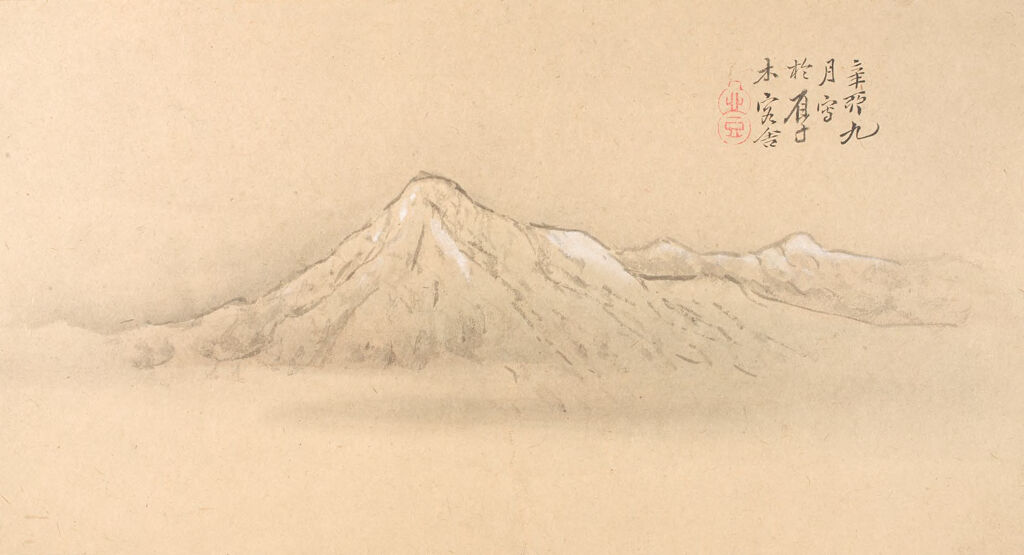
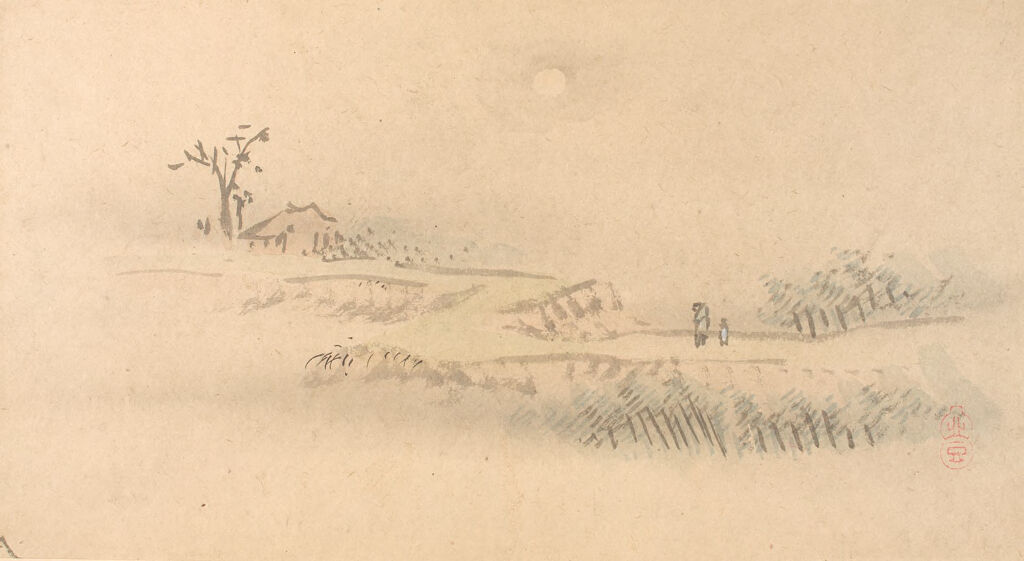
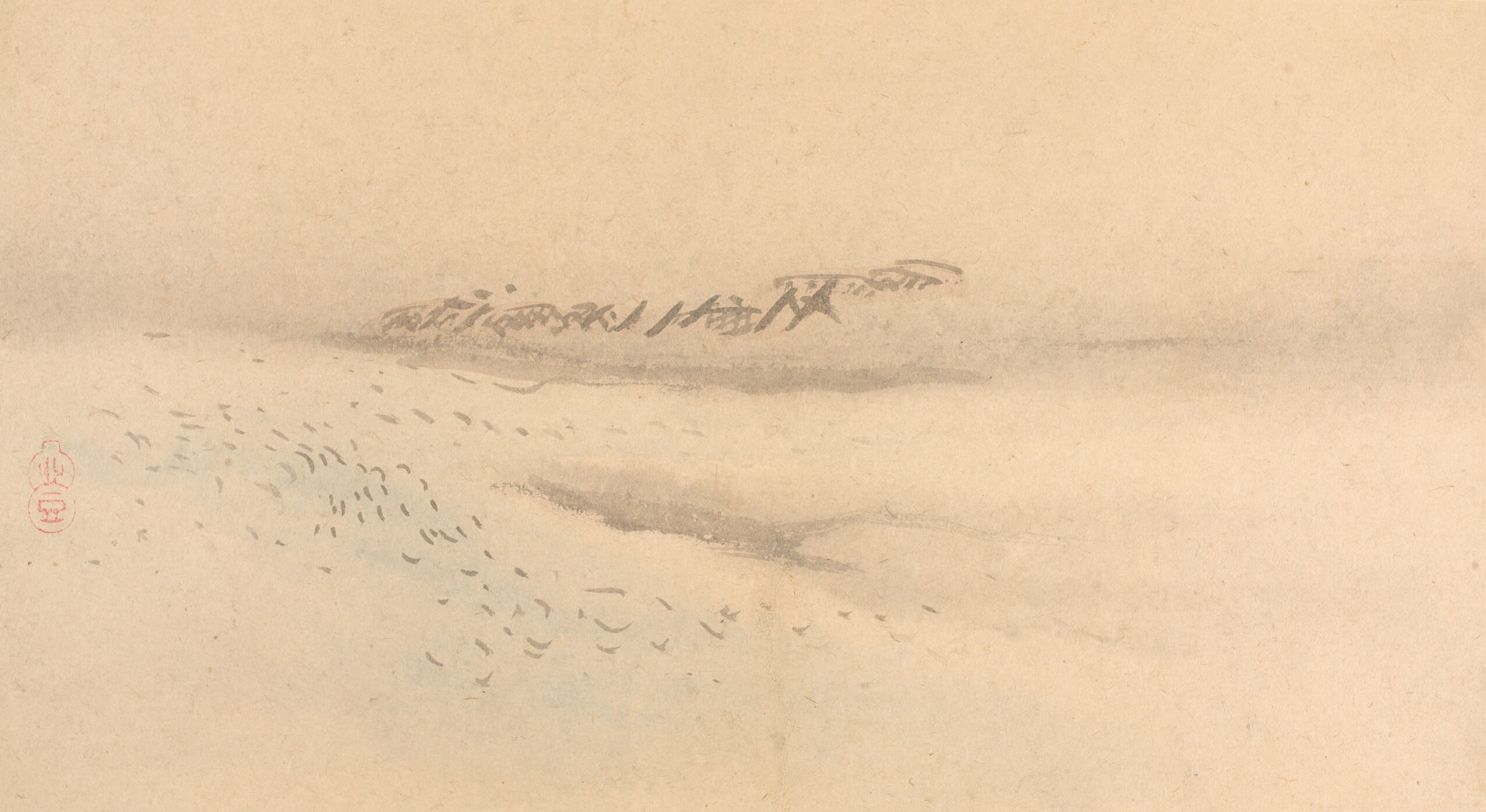
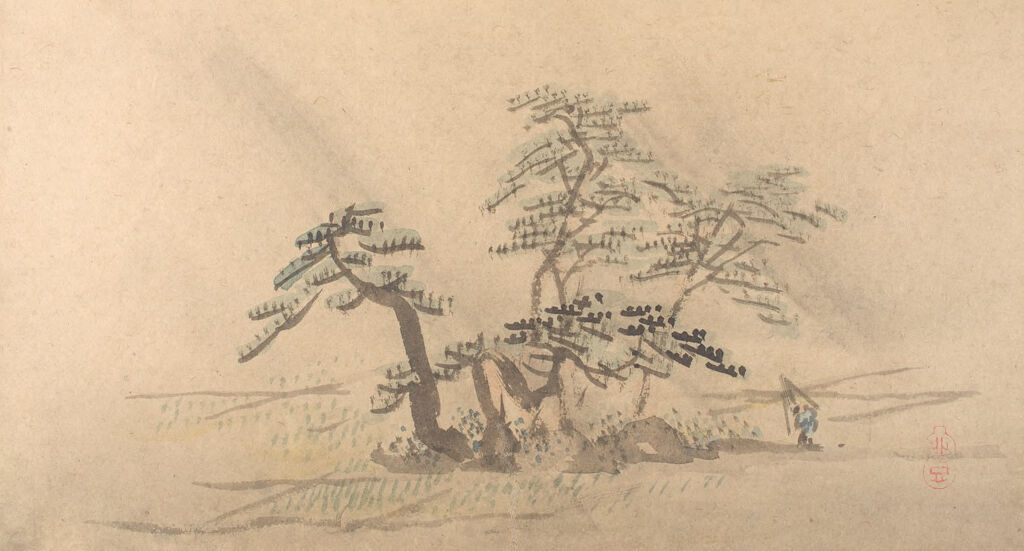
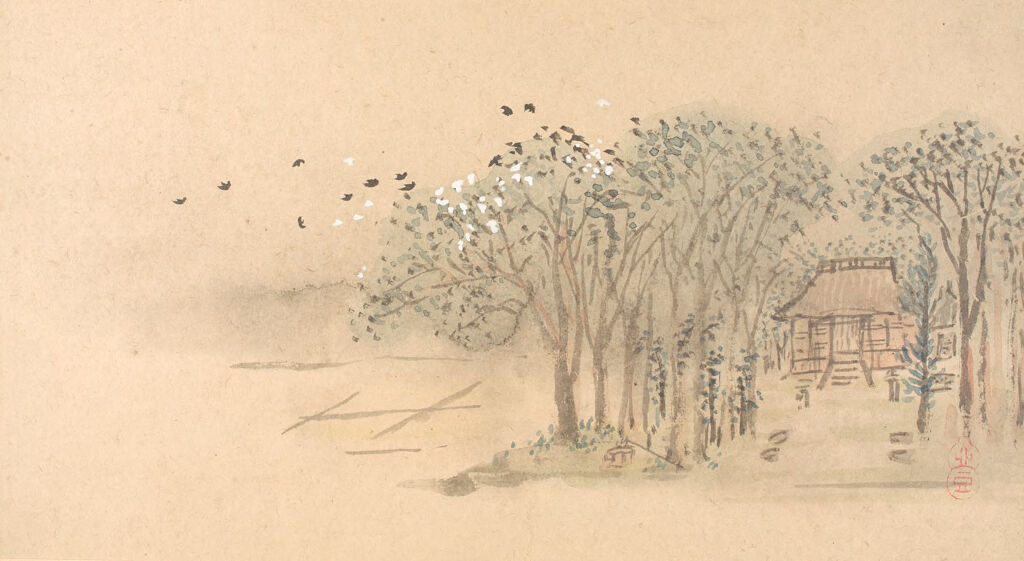
Is this a mirror — or a memory? The delicate layers of One of Six Views of Atsugi invite viewers to contemplate the fleeting nature of innocence amidst the permanence of the landscape. The serenity captured in this scene reflects not just a physical place, but an emotional state, beckoning us to delve deeper into its tranquil beauty. Look to the foreground, where gentle waves lap against the shore, their rhythm almost palpable. The subtle hues of blue and green interlace, creating a sense of movement that draws the eye toward the distant hills.
Notice how the delicate brushwork in the clouds conveys an ethereal softness, hinting at a time of day where the sun gently illuminates the landscape, casting a serene glow over the scene. This meticulous attention to detail showcases Watanabe Kazan's mastery in blending color and composition to evoke a feeling of harmony. Yet beneath this calm façade lies a poignant contrast. The natural beauty is juxtaposed with the possibility of change and loss, as the landscape is both inviting and transient, reminding us that innocence can easily slip away.
The presence of distant figures, perhaps fishermen or travelers, hints at human interaction with nature, suggesting a narrative of lives intertwined with the ephemeral beauty of the world. Each element speaks to the fragility of our memories, urging us to cherish the moments that shape our existence. Created in 1831 during a time of social and political upheaval in Japan, Watanabe Kazan was part of the Kanō school, which strived to blend traditional techniques with fresh perspectives. Living in a rapidly changing era marked by the unfolding of the Meiji Restoration, the artist sought to capture the essence of beauty and nostalgia in his works, embodying a desire to preserve innocence in a world that was shifting before his eyes.